Mulching Techniques: Benefits and Best Practices for Beginners in Home Gardening
Unlocking the Secrets of Mulching
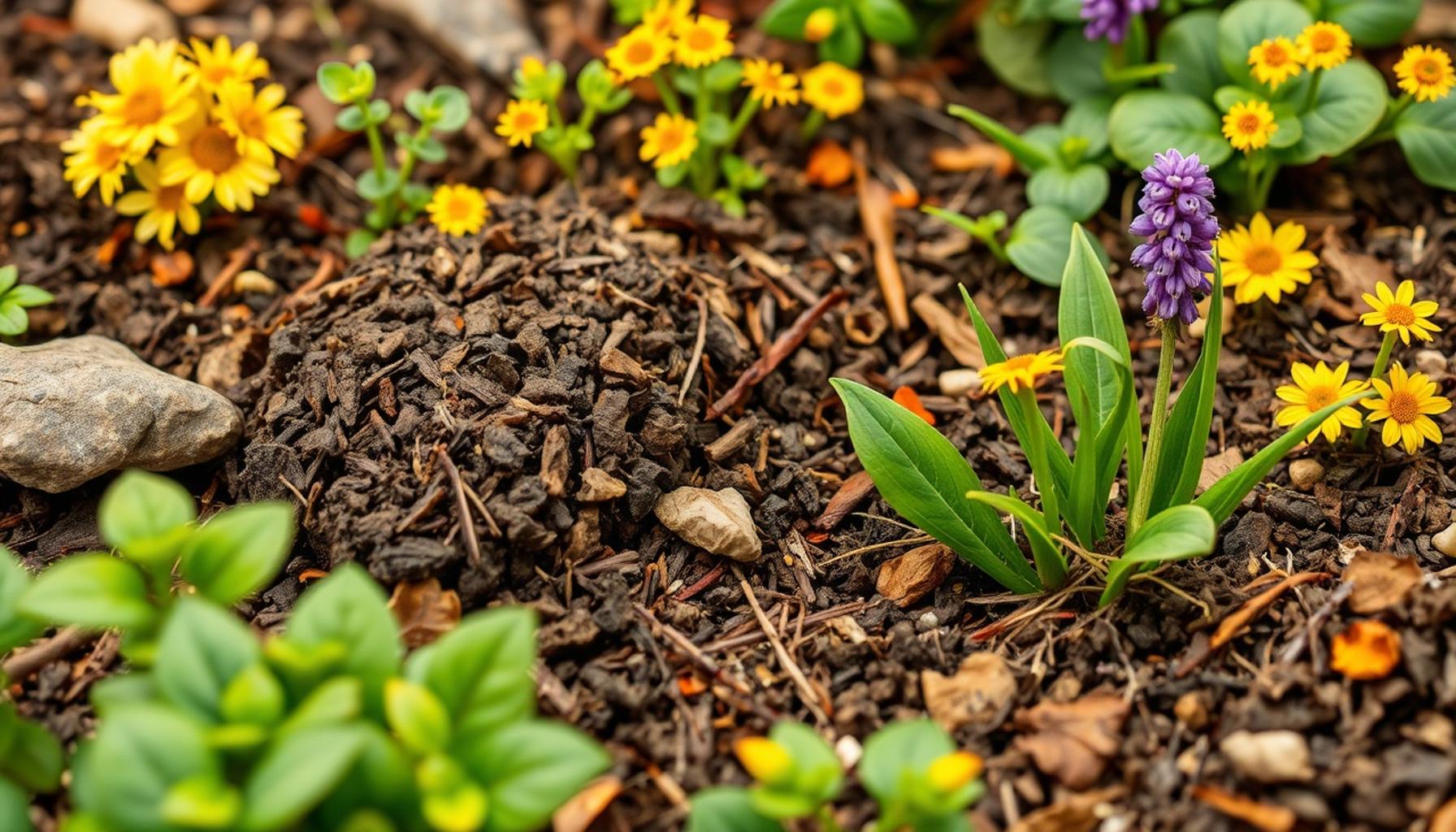
In the world of home gardening, mulching is a powerful technique that offers numerous benefits for both novice and experienced gardeners. By applying a layer of material to the soil surface, gardeners can enhance soil health, conserve moisture, and suppress weeds. Let’s explore why mulching is essential for your garden.
Why Should You Consider Mulching?
Mulching provides a multitude of advantages that can transform your gardening experience. Here are some key benefits:
- Moisture Retention: A well-applied mulch layer helps keep soil cool and significantly reduces evaporation rates, especially during the hot summer months. This is particularly beneficial in arid regions or during prolonged dry spells, where plants can suffer from drought stress.
- Weed Control: By limiting sunlight from reaching weed seeds, mulch curbs their growth effectively. The thick layer creates a physical barrier, making it much harder for weeds to establish themselves. For gardeners, this means less time spent weeding and more time enjoying their gardens.
- Soil Improvement: Organic mulches such as shredded leaves, grass clippings, and bark chips break down over time, enriching the soil with essential nutrients. This decomposition process supports healthy soil microbiomes, fostering a thriving ecosystem for plant roots.
- Temperature Regulation: Mulch acts as an insulator, protecting plant roots from extreme temperatures. In winter, a thick layer can help shield roots from frost, while in summer, it keeps the ground cooler, creating a more stable environment for plants.
For many beginners in home gardening, finding effective, low-maintenance solutions can be a daunting task. This is where mulching can shine, offering a straightforward method to enhance garden success. With various materials available—from organic options like straw and wood chips to inorganic choices such as gravel or landscape fabric—the options can seem overwhelming at first glance.
When selecting a mulch material, it’s important to consider the specific needs of your plants and the climate in your region. For instance, wood chips are excellent for perennials and shrubs, as they provide long-lasting coverage and improve soil structure over time. Conversely, straw is ideal for vegetable gardens, as it offers effective weed suppression while keeping soil temperature regulated.
Ready to Get Started?
Knowing how to apply the right mulching techniques will empower you to create a healthier, more sustainable garden. For example, a good practice is to apply mulch in a 2- to 4-inch layer, ensuring it’s not piled against plant stems, which can lead to rot. Additionally, refreshing your mulch annually can maintain its effectiveness and visual appeal.
Whether you are looking to improve plant growth or simplify maintenance, this guide will provide essential insights for beginners aiming to harness the full potential of mulching. Dive in and discover how to make your garden flourish! By understanding the science behind mulching, you’ll not only cultivate a more beautiful yard but also contribute positively to the environment.
DISCOVER MORE: Click here to learn about essential soil preparation
Essential Mulching Materials for Your Garden
Understanding the different types of mulch can help you make informed decisions tailored to your garden’s unique needs. Mulching materials can largely be categorized into two groups: organic and inorganic. Each type serves its purpose and offers distinct advantages, making it crucial to familiarize yourself with the options available.
Organic Mulches
Organic mulches are derived from natural sources and offer the added benefit of improving soil health as they decompose. Here are some popular organic mulching materials:
- Bark Chips: Excellent for flower beds and around trees, bark chips break down slowly, providing long-lasting coverage while helping to retain moisture.
- Shredded Leaves: A readily available and cost-effective option, shredded leaves decompose quickly, enriching the soil with nutrients and beneficial microorganisms.
- Grass Clippings: After mowing your lawn, grass clippings can serve as an effective mulch. They are rich in nitrogen and, when dried out a bit, can be spread to help suppress weeds.
- Straw: An ideal choice for vegetable gardens, straw creates an excellent barrier against weeds while allowing moisture to reach the soil. Additionally, it decomposes slowly, resulting in a nutrient-rich environment over time.
- Compost: This nutrient-dense option not only serves as a protective layer but also enhances soil fertility as it breaks down, making it an all-around beneficial choice.
Inorganic Mulches
Inorganic mulches are made from non-biodegradable materials. Although they do not contribute to soil fertility as organic mulches do, they can still be effective in preventing weed growth and conserving moisture. Common inorganic mulches include:
- Rubber Mulch: Often used in playgrounds and pathways, rubber mulch provides excellent weed suppression and durability, lasting for many years.
- Gravel and Stones: Ideal for rock gardens or landscaping, gravel and stones create a decorative barrier that minimizes weed growth while allowing for good drainage.
- Landscape Fabric: This choice acts as a barrier between soil and mulch, preventing weeds while allowing air and moisture to penetrate. It’s perfect for perennial beds or around shrubs.
Choosing the right mulch material can seem daunting, particularly for beginners. It’s essential to assess your garden’s specific needs, taking into account plant types, seasonal climates, and desired aesthetic outcomes. For instance, if you’re gardening in a region with heavy rainfall, opting for coarse bark or gravel can help with drainage, whereas in drier areas, organic materials like straw may be more beneficial for moisture retention.
As you delve deeper into the art of mulching, remember that mulching is not just a mere decorative touch; it’s a vital practice that contributes substantially to the health and sustainability of your garden. The right mulch, applied effectively, can set the foundation for successful growth, ensuring your gardening endeavors thrive.
| Mulch Type | Benefits |
|---|---|
| Organic Mulch | Enhances soil fertility as it decomposes, providing essential nutrients to plants. |
| Inorganic Mulch | Reduces evaporation from the soil, while lasting longer than organic options, thus minimizing maintenance. |
| Wood Chips | Controls weeds effectively and gives a polished look to garden beds. |
| Straw | Insulates soil during winter, protecting plant roots from freezing temperatures. |
For beginners in home gardening, understanding various mulching techniques can greatly enhance the gardening experience. The selection of mulch not only impacts plant growth but also garden aesthetics. Organic mulches such as straw or leaves enrich the soil over time, fostering healthier plants. On the other hand, inorganic mulches, like black plastic, can suppress weeds and retain moisture without adding nutrients, making them ideal for novice gardeners who seek low-maintenance solutions. It is crucial to consider local soil and climate conditions when choosing mulch. Engaging with community gardening groups and forums can provide valuable insights from experienced gardeners, enriching one’s knowledge and practice in home gardening. This blend of research and practice will enable novices to cultivate a flourishing, sustainable garden.
LEARN MORE: Click here for essential tips
Best Practices for Applying Mulch
Applying mulch might seem a straightforward task, but adhering to best practices can significantly enhance its effectiveness in your home garden. By following a few essential guidelines, you can maximize the benefits of mulching for your plants while ensuring a more streamlined gardening experience.
Timing is Key
Timing your mulching application can play a critical role in its success. The best time to apply mulch is during the spring after the soil has warmed, typically after the last frost. This timing allows the mulch to retain soil moisture and temperature, creating a favorable environment for seed germination and plant growth. However, in the fall, applying mulch can also offer benefits by insulating plant roots during the winter months.
Layering Techniques
The thickness of your mulch layer can impact its effectiveness. A good rule of thumb is to apply a layer of 2-4 inches for organic materials and about 1-2 inches for inorganic materials. Too thin a layer may not adequately suppress weeds, while too thick can lead to excessive moisture retention and potential fungal issues. When applying mulch, be mindful not to pile it against the stems or trunks of plants, as this can promote rot and pest problems.
Maintenance and Replacement
Mulch is not a one-and-done solution; regular maintenance is crucial. Organic mulches will naturally decompose over time, meaning they should be replenished at least once a year to maintain their benefits. Look for signs of decomposition such as a crumbly texture; when this occurs, it’s time to add fresh mulch. In contrast, inorganic mulches such as landscape fabric may need to be cleaned or replaced periodically to maintain functionality.
Weed Management Strategies
While mulch is an effective tool for weed suppression, it’s important to incorporate additional weed management techniques for optimal results. Before applying mulch, consider doing a thorough weeding of the area to eliminate existing competition for your plants. Additionally, utilizing landscape fabric underneath the mulch can enhance weed control by creating a physical barrier. Remember to monitor your garden regularly; catching weeds early can prevent them from establishing deep roots and becoming more difficult to remove.
Observing Your Plants
As a beginner, it’s essential to observe how your plants respond to the applied mulch. Different plants may react variably to the type and thickness of mulch used. For instance, vegetable crops may benefit more from organic materials due to their nutrient recycling capability, whereas flowering plants may prefer a more decorative inorganic mulch. Observations will inform future mulching decisions, aiding in the fine-tuning of your gardening practices.
As you grow more comfortable with mulching techniques, don’t hesitate to experiment with different materials and methods. Knowledge gained through hands-on experience will empower you and, over time, transform your home gardening journey into a more fruitful and enjoyable endeavor. Remember, the art of mulching is not just about the act itself; it’s about cultivating a sustainable environment where your plants can thrive.
DIVE DEEPER: Click here to learn about soil preparation
Conclusion
In the realm of home gardening, understanding mulching techniques is crucial for beginners looking to cultivate a thriving and resilient garden. The benefits of mulching extend far beyond mere aesthetics; it plays a vital role in soil health, water conservation, and weed suppression, making it an indispensable tool for any gardener. By applying mulch properly, you not only enhance the growing conditions for your plants but also reduce the amount of time and effort spent on maintenance.
As emphasized throughout this guide, timing, layering, and regular maintenance are integral aspects of effective mulching. The choice between organic and inorganic mulch should align with your plant types and overall gardening goals. Additionally, keeping an eye on your plants’ responses will deepen your understanding of their needs, allowing you to adjust your methods over time for optimal results.
Embracing the art of mulching means embarking on a journey of discovery in your gardening practices. Each season presents an opportunity to experiment with different materials and techniques, revealing what works best within your unique garden ecosystem. As you develop your skills, remember that every little step contributes to a more sustainable gardening experience. By harnessing these best practices, you can cultivate not just plants, but also a rewarding gardening journey filled with growth and learning.
Ultimately, mulching is not just a gardening task; it’s a gateway to effective and sustainable home gardening. So gather your materials, roll up your sleeves, and enjoy the process as you enhance your garden with the benefits of mulching.