Best Practices for Watering Your Home Garden: Tips for Beginners
Mastering the Art of Watering Your Home Garden
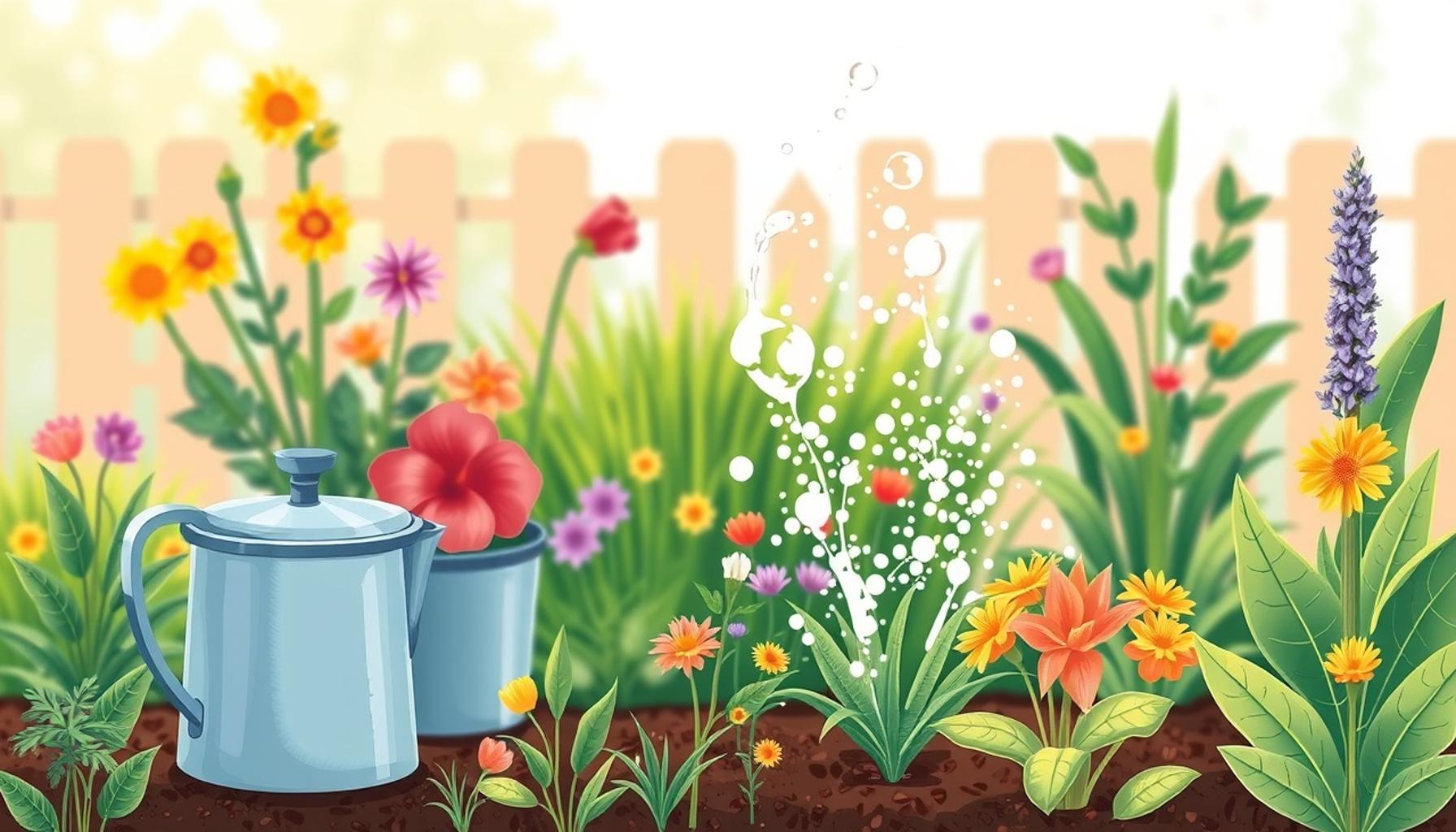
Watering your home garden effectively is vital for nurturing healthy plants. While it may seem simple, mastering the nuances of how and when to water can significantly impact your outdoor oasis. A well-watered garden thrives, while a mishandled watering regime can lead to a plethora of problems. Let’s explore the essential factors to enhance your watering practices and ensure your garden flourishes.
Understanding Soil Types
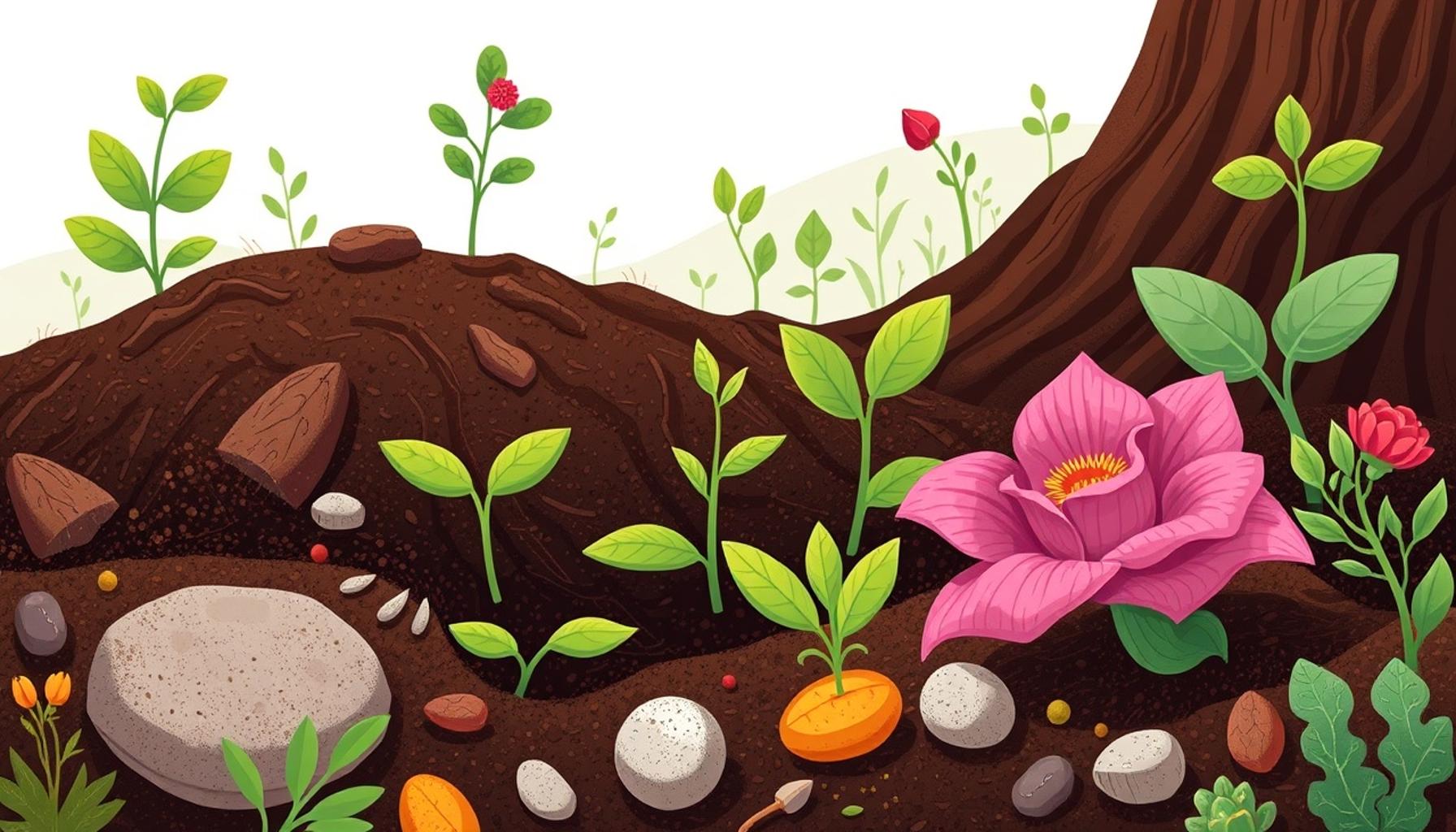
The foundation of a thriving garden lies in the soil. Each soil type has unique properties that influence water retention. For instance, sandy soil drains quickly, which means you will need to water more frequently to prevent plants from drying out. In contrast, clay soil retains moisture but can become compacted and hinder drainage, potentially leading to root rot. Knowing your soil type allows you to tailor your watering strategy, ensuring optimal moisture levels for your plants.
The Ideal Timing
Timing is crucial when it comes to watering. Early morning or late afternoon, particularly during the summer months, is considered the best time to water your garden. This practice minimizes evaporation caused by the day’s heat, allowing your plants to absorb more water. For those in hotter climates, watering during these cooler periods can result in healthier, more resilient plants.
Innovative Watering Techniques
Advanced watering techniques can significantly improve the efficiency of your gardening efforts. For example, drip irrigation and soaker hoses deliver water directly to the plant roots, reducing waste and promoting deeper root growth. These methods not only save water but also help prevent surface runoff and weed growth by delivering moisture directly where needed.
Avoiding Common Mistakes
Many novice gardeners struggle with the balance of watering, often leading to overwatering or underwatering. Overwatering can suffocate roots, encouraging fungal growth and diseases, whereas underwatering can lead to stunted growth and wilting. Monitor your plants closely and learn to identify symptoms of water stress, such as yellowing leaves or a drooping appearance. Adjusting your frequency based on weather patterns, plant types, and growth stages is crucial for maintaining a thriving garden.
Optimizing Moisture Retention
Another effective strategy to enhance soil moisture is mulching. Applying a layer of organic mulch, such as wood chips or straw, not only aids in retaining moisture but also suppresses weeds and adds nutrients as it decomposes. A good rule of thumb is to apply 2-4 inches of mulch around your plants, making sure to keep it away from the plant stems to avoid rot.
With the right knowledge and diligence, cultivating your watering skills will transform your gardening experience. Explore these techniques, apply them in your garden, and enjoy the rewarding process of watching your plants thrive and your outdoor space come to life.
DISCOVER MORE: Click here to learn about the benefits of native plants
Essential Watering Techniques for Your Home Garden
Effective watering techniques are fundamental to maintaining a thriving garden. It’s not merely about saturating the soil; it’s about delivering the right amount of water at the optimal time, intricately tailored to the unique circumstances of each garden. For novice gardeners, grasping these complexities can mean the difference between lush greenery and shriveled plants.
Watering Frequency: How Often Should You Water?
Determining how often to water your garden can prove to be a nuanced challenge. A prevalent guideline suggests that most garden plants need approximately 1 to 1.5 inches of water per week, which includes any rainfall that may accumulate. However, this frequency can be influenced by several key factors:
- Climate: Regions characterized by hot, arid climates, such as parts of Arizona and Southern California, often require more frequent watering due to higher evaporation rates. In contrast, the humidity of states like Florida can help retain moisture in the soil, reducing the need for extra watering.
- Plant Type: Recognizing plant species and their respective water requirements is crucial. Succulents, which store water in their tissues, thrive on minimal watering. In contrast, thirstier plants like hydrangeas and many varieties of vegetable crops demand a consistent supply of moisture to flourish.
- Time of Year: Seasonal changes greatly influence watering needs. During the active growing season in spring and summer, plants often require more frequent watering as they are establishing roots or producing blooms. Conversely, during the dormant winter months, the need decreases significantly as growth slows down.
To gauge soil moisture, a simple yet effective method is the finger test. Insert your finger into the soil up to the second knuckle; if it feels dry at the top inch, it’s time to water. This tactile approach can keep you attuned to your garden’s needs.
The Right Amount of Water
Understanding how much water to provide is as crucial as knowing how often to do so. Overwatering and underwatering can have detrimental effects on plant health. When watering, aim for a thorough soak, as this encourages roots to extend deep into the soil, strengthening the plant’s resilience. Generally, you should water until the soil is moist to a depth of 6 to 8 inches. This depth is critical—it allows roots to access moisture even during dry spells and is particularly beneficial for crops like tomatoes and peppers, which thrive with deep-root growth.
Weather Considerations
Gardening is significantly influenced by local weather patterns. For instance, a week of unexpected rain can provide ample moisture, negating the need for watering. Conversely, during a heatwave, plants may suffer from heat stress and require additional hydration to prevent wilting and sunburn. After heavy rainfall, it’s wise to monitor soil moisture levels to avoid overwatering your plants. Incorporating a rain gauge can be invaluable; it allows you to track precipitation accurately and helps you adjust your watering schedule efficiently.
By mastering the aspects of watering frequency, amount, and considering weather conditions, you can cultivate a strong foundation for a sustainable watering routine. Embrace the patience and observation required in gardening—these practices will not only support your plants but will enhance your overall gardening experience. The journey to a flourishing garden is as fulfilling as the destination, promising continued discovery and enjoyment along the way.
Understanding Watering Needs
When starting your home garden, it’s crucial to understand that each plant has specific watering needs. Overwatering can lead to root rot, while underwatering can stunt growth. Begin by researching the preferred watering schedule for each type of plant you intend to cultivate. For instance, succulents thrive on minimal water, while leafy vegetables may require more frequent hydration.
Timing Your Watering
Timing your watering is equally essential. Early morning is typically the best time to water your garden. This allows the moisture to soak into the roots before the sun evaporates it. Moreover, watering in the evening might cause fungal diseases due to excess moisture overnight. Keeping an eye on the climate and adjusting your watering routine according to the weather will also enhance plant health.
Watering Techniques
Employ various watering techniques to ensure efficiency and effectiveness. Drip irrigation systems deliver water directly to the base of the plants, minimizing waste. Alternatively, using a soaker hose allows consistent moisture distribution across the garden bed. For smaller plants in pots, a simple watering can or a spray bottle can control the amount of water applied.
Soil and Drainage Considerations
The type of soil in your garden plays a significant role in how often you need to water. Sandy soils drain quickly, thus requiring more frequent watering. In contrast, clay soils retain moisture for prolonged periods, potentially reducing the frequency of watering sessions. Improving drainage through the addition of organic matter can also enhance the soil’s moisture retention capabilities.
Monitoring Soil Moisture
Investing in a soil moisture meter can take the guesswork out of watering. These devices provide valuable insights into when your plants actually need water. Alternatively, you can check moisture levels manually by sticking your finger into the soil up to the first knuckle. If it feels dry at that depth, it’s time to water.
Creating a Watering Schedule
Lastly, creating a water schedule tailored to your plants can streamline the watering process. Keeping track of when each plant needs watering will also help prevent issues like underwatering or overwatering. Not only does this consistency encourage growth, but it also saves time and effort in the long run.
| Category | Benefits |
|---|---|
| Watering Techniques | Using methods like drip irrigation conserves water and targets roots directly. |
| Soil Monitoring | Utilizing moisture meters ensures consistent hydration without risk of overwatering. |
By absorbing these best practices, you can establish a thriving home garden that not only beautifies your space but also contributes to a sustainable lifestyle. Remember, each garden is unique, and observing how your plants respond will inform the best practices for your specific situation. Dive deeper into the world of gardening, and you’ll discover the vast rewards it offers.
DISCOVER MORE: Click here for essential tips
Advanced Watering Strategies for Optimal Plant Health
While understanding watering frequency and amount is vital, employing advanced watering strategies can further enhance the vitality of your home garden. These practices not only optimize water usage but also promote robust plant development, ensuring that beginners cultivate their outdoor spaces effectively.
Drip Irrigation: A Game-Changer for Your Garden
One of the most efficient watering methods for home gardens is drip irrigation. This system delivers water directly to the root zone of plants through a network of tubing and emitters, reducing water waste and promoting efficient hydration. Unlike traditional sprinklers, which often water the soil surface indiscriminately, drip irrigation ensures that moisture penetrates deep, targeting the thirsty roots. Moreover, you can set timers to facilitate consistent watering schedules, allowing for hands-off care during summer heat. This precision not only saves water but also minimizes the risk of disease by keeping foliage dry.
Timing: The Best Time to Water
The timing of your watering sessions holds great importance in maintaining a healthy home garden. The early morning hours, between 5 AM and 10 AM, are considered optimal for watering. During this period, temperatures are cooler, and wind speeds are lower, allowing for maximum absorption before the day warms up. Watering during the midday heat can result in significant evaporation losses, wastefully diminishing the effectiveness of your efforts. Additionally, late afternoon or early evening watering can lead to prolonged wetness on leaves as nighttime falls, creating conditions conducive to fungal diseases.
Mulching: A Protective Barrier
Incorporating mulch into your garden beds plays a vital role in water retention. Mulch acts as a protective layer that reduces surface evaporation, helping to maintain consistent soil moisture. Options like straw, wood chips, or grass clippings not only suppress weeds but also break down over time to enrich the soil with organic matter. An effective mulch layer should be approximately 2 to 3 inches thick, ensuring it is not too close to plant stems to prevent rot while providing effective insulation against temperature fluctuations. This tactic proves particularly beneficial in maintaining moisture levels during hot, dry spells.
Utilizing Soaker Hoses for Efficiency
Soaker hoses, another excellent irrigation solution, can be laid out on the soil surface or beneath mulch to provide a slow, steady watering over time. These porous hoses emit water directly into the soil, ensuring that it reaches the plants’ roots without unnecessary runoff. Ideal for vegetable gardens or flower beds, soaker hoses can be attached to a timer for automated watering, simplifying your gardening routine. Additionally, they help to prevent the leaf wetness associated with traditional watering methods, inhibiting fungal infections and promoting healthier plants.
Rainwater Harvesting: Sustainable Gardening
Gathering rainwater is a sustainable and eco-friendly method of supplying your garden with the essential moisture it craves. By employing rain barrels positioned strategically beneath downspouts, you can collect runoff during rain showers. Rainwater is typically free of chemicals found in tap water, such as chlorine, making it an excellent choice for watering sensitive plants. Not only does this practice contribute to water conservation, but it adds a touch of sustainability to your gardening efforts, aligning with environmental best practices.
By incorporating advanced watering strategies such as drip irrigation, optimal timing, mulching, soaker hoses, and rainwater harvesting, even beginner gardeners can achieve impressive results. The path to mastering the art of watering will empower you with the tools necessary for nurturing a flourishing home garden, fostering deep-rooted knowledge and appreciation for the vibrant life that thrives within.
DIVE DEEPER: Click here to uncover expert pruning techniques
Conclusion: Cultivating a Thriving Home Garden
Mastering the art of watering is a cornerstone of successful gardening, especially for beginners eager to cultivate a lush, thriving home garden. As we have explored, understanding watering frequency and the amount of water your plants need is crucial. However, embracing more advanced techniques can elevate your gardening game significantly. Incorporating systems like drip irrigation and using soaker hoses can drastically improve water efficiency while promoting healthier root systems.
The timing of your watering, ideally during the cooler morning hours, not only maximizes moisture absorption but also minimizes the risk of disease. Additionally, the use of mulch acts as a protective barrier, effectively retaining soil moisture and providing insulation against temperature extremes, making it a vital practice in any garden. Implementing practices such as rainwater harvesting not only conserves precious resources but also adds an environmentally sustainable element to your gardening routine.
Ultimately, these best practices are more than mere tips; they are building blocks to a rewarding gardening experience. By marrying traditional methods with innovative strategies, novice gardeners can create a vibrant sanctuary that flourishes throughout the growing season. As you embark on this agricultural journey, remember that each drop counts, and with a little knowledge and effort, your home garden can become a bountiful source of beauty and nourishment.