The Benefits of Native Plants: Enhancing Your Home Garden with Local Flora
Discover the Power of Native Plants
Creating a home garden is an art, and choosing the right plants is a crucial part of that process. By incorporating native plants into your garden, you tap into a world of benefits that not only enhance aesthetics but also promote ecological balance.
Why should you consider native flora? Here are some compelling reasons:
- Environmental Adaptability: Native plants are naturally suited to your local climate and soil, requiring less water and maintenance. For example, if you live in the Southwest, plants like the desert marigold or lupine thrive with minimal irrigation, often absorbing rainfall directly from dew or the occasional shower.
- Biodiversity Support: They provide essential habitats for local wildlife, including birds, pollinators, and beneficial insects. Native plants like coneflowers and milkweed attract butterflies and bees, crucial for pollination and maintaining healthy ecosystems.
- Pest Resistance: These plants have evolved alongside local pests, making them more resistant to infestations and diseases. In contrast to non-native species, which may require extensive pesticide use, native plants such as black-eyed Susans often grow robustly, requiring relatively little chemical intervention.
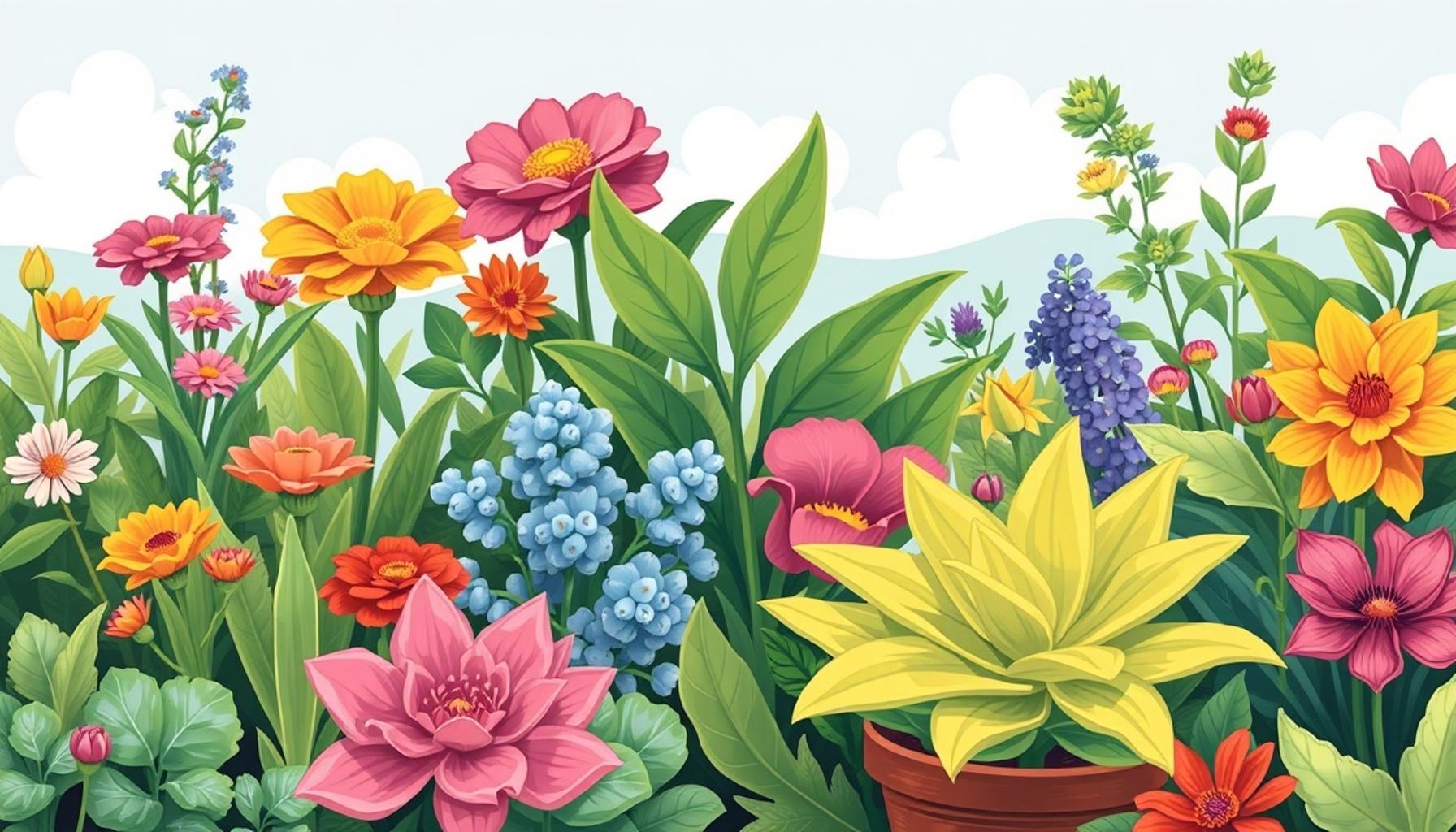
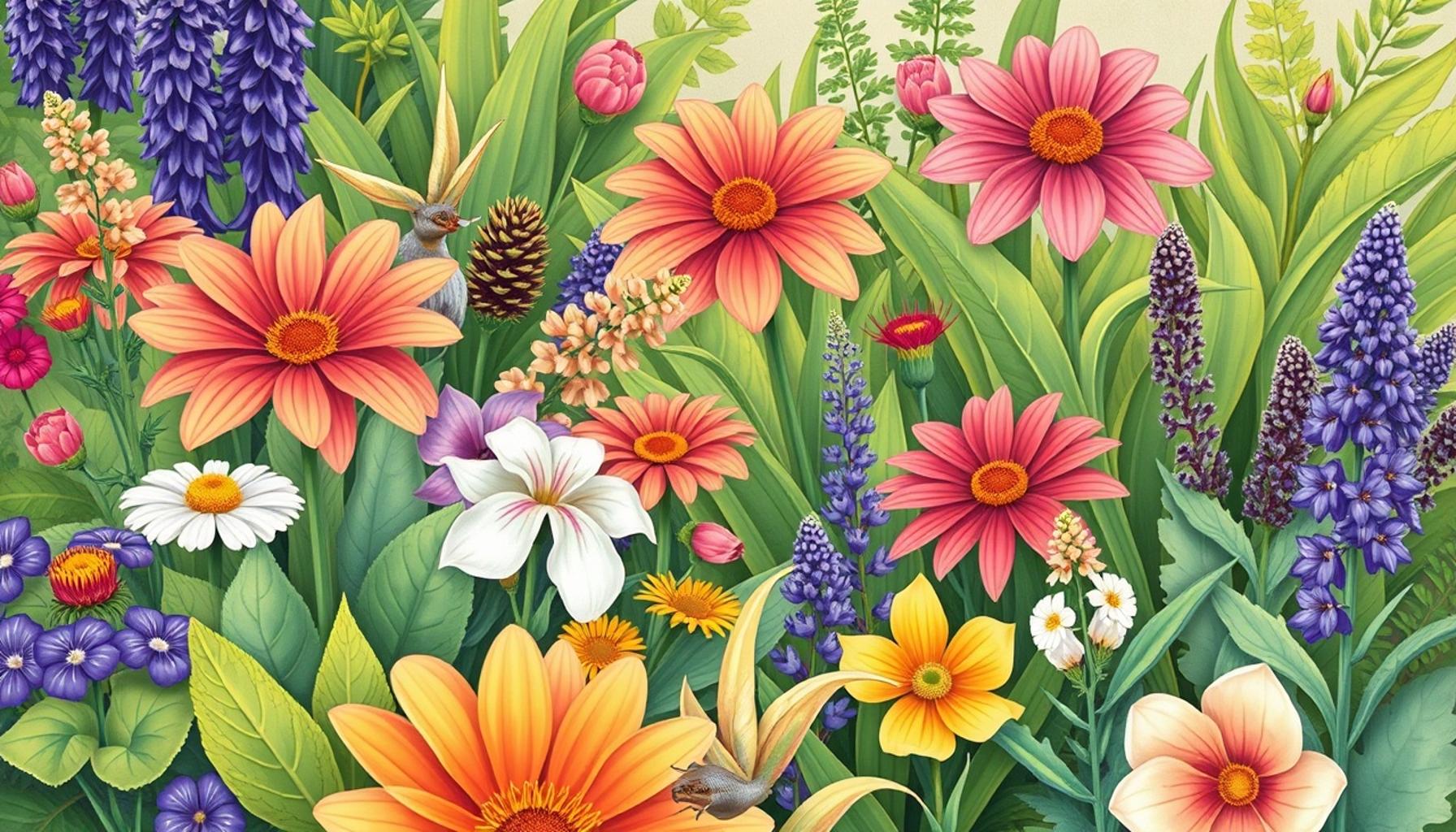
Imagine a garden filled with vibrant colors and textures, where local flora thrives effortlessly. Incorporating native plants into your landscape not only supports the environment but also creates a unique and low-maintenance garden that flourishes. Picture swaths of native grasses swaying in the breeze, complimenting bursts of color from wildflowers that bloom across multiple seasons, making each year in your garden distinct and engaging.
As you consider your gardening options, the choice of native plants could lead to greater sustainability and beauty. Engaging with local flora brings a new dimension to your home garden, allowing you to connect with your local ecosystem. The effects transcend aesthetics; maintaining native plants can significantly impact local water usage, reduce fertilizer and chemical runoff, and contribute to preserving habitat for threatened species.
In regions like California, restoration projects often prioritize the use of native plants to rejuvenate landscapes devastated by wildfires, exemplifying their role in resilience against environmental changes. Join us as we delve deeper into the many advantages of native plants and explore how they can transform your garden into a flourishing haven.
DISCOVER MORE: Click here for essential gardening tools
The Vital Role of Native Plants in Your Home Garden
When it comes to designing a home garden, selecting native plants offers a multitude of profound benefits that resonate with both your aesthetic vision and ecological conscience. These plants, which have evolved naturally in a specific region over thousands of years, possess unique attributes that make them exceptionally suited for local landscapes. Unlike their non-native counterparts, native species harmonize with local climate patterns, soil types, and wildlife, thereby creating a more sustainable gardening practice.
One of the primary advantages of incorporating native plants is their remarkable environmental adaptability. Due to their evolution in specific landscapes, these plants have developed crucial survival strategies. For example, if you reside in the Northeast, vibrant species such as black-eyed Susans and shasta daisies thrive without excessive watering, as they can withstand periods of drought better than non-native plants. This not only conserves water resources but also lessens your overall gardening workload.
Moreover, native plants create a resilient ecosystem by promoting biodiversity. Through the integration of local flora, you invite a plethora of beneficial organisms into your garden, fostering a vibrant community that goes beyond your intended design. Plants such as milkweed and goldenrod are crucial for providing food and habitat for native butterflies and bees, all of which are essential pollinators. By cultivating these species, you contribute to the survival of vital wildlife while enhancing your garden’s liveliness.
In addition to their ecological benefits, native plants demonstrate an impressive level of pest resistance. Over centuries, these plants have adapted to local pests, rendering them less susceptible to infestations. This hardiness translates into healthier plants that require fewer chemical pesticides. For instance, plants such as echinacea and astilbe stand resilient against local diseases and pests, making them an excellent choice for a low-maintenance garden that still bursts with life and color.
Consider also how native plants can enhance the aesthetic attributes of your outdoor space. Imagine a visually striking combination of flowering plants that evolve in tandem with the seasons, creating a dynamic tapestry of colors that changes throughout the year. As spring turns to summer and summer to fall, your garden becomes a remarkable showcase of local flora, offering textures, scents, and visuals unique to your region.
In conclusion, embracing native plants in your home garden opens the door to an eco-friendly landscape that is both beautiful and sustainable. By prioritizing local species, you create a flourishing habitat that thrives with minimal intervention, ultimately enriching not only your garden but also the surrounding environment. As we delve deeper into the myriad ways that native plants can transform your gardening experience, you’ll discover just how indispensable they are in cultivating a vibrant and resilient habitat.
The Benefits of Native Plants: Enhancing Your Home Garden with Local Flora
Native plants play a pivotal role in promoting biodiversity and creating vibrant ecosystems within home gardens. By choosing flora that is already adapted to the local climate and soil conditions, gardeners not only simplify their maintenance routines but also contribute to a healthier environment. One key aspect to consider is their role in supporting local wildlife.
| Advantage | Description |
|---|---|
| Biodiversity | Native plants support local ecosystems by providing habitat and food sources for pollinators such as bees, butterflies, and birds. |
| Low Maintenance | Local flora is naturally suited to the conditions of your area, requiring less water, fertilizer, and pest control compared to non-native species. |
In addition to serving as essential habitats for wildlife, native plants enhance garden resilience. They are built to withstand local pests and diseases, which means fewer chemicals are needed to keep them thriving. This not only benefits the environment but also promotes a more sustainable gardening practice. Moreover, such choices reflect a conscious effort to foster a connection with the surrounding natural world, making your garden not just a source of beauty but also a thriving ecosystem. By enriching your garden with local plants, you create a unique landscape that flourishes with minimal resources while promoting ecological balance. Explore these options further and discover the myriad ways to cultivate a garden that resonates with both beauty and biodiversity.
DIVE DEEPER: Click here for essential soil preparation techniques
Creating a Thriving Habitat: Supporting Local Wildlife and Plant Communities
In addition to their aesthetic appeal and adaptability, native plants play a significant role in supporting the local ecosystem and providing essential habitat for wildlife. As more natural habitats are lost to urbanization and agriculture, incorporating native plants in your home garden becomes imperative for maintaining biodiversity. Research has shown that gardens designed with native flora can attract a variety of insects, birds, and other wildlife, thereby acting as vital refuges for these species.
Many native plants have co-evolved with local species of insects, birds, and mammals, creating a symbiotic relationship that strengthens the overall health of the garden. For instance, the native red-twig dogwood doesn’t just enhance your garden’s visual appeal; it also creates a perfect nesting habitat for birds. During the fall, its berries provide a feast for migrating songbirds seeking nourishment. By prioritizing native species, you transform your garden into an accessible haven for local fauna, contributing to the vitality of the overall ecosystem.
Conserving Water and Resources
Water conservation has become increasingly crucial as many regions in the United States face fluctuating weather patterns and prolonged droughts. Native plants are naturally adapted to the local climate and often require less water once established, showcasing a practical way to manage your garden sustainably. For example, in the arid Southwest, varieties such as desert marigold and Russian sage flourish with minimal irrigation, significantly reducing water consumption. This approach not only benefits your wallet but also aids in conserving a dwindling resource.
Furthermore, the use of native flora often results in a decrease in the need for fertilizer and other chemical inputs. Because these plants are well-adjusted to the local soil conditions, they often thrive without extensive amendments, lowering the likelihood of environmental runoff and pollution. By nurturing native species, you actively participate in a more comprehensive conservation effort, conserving both resources and the ecosystems that support them.
Educational Opportunities: Engaging with Nature
<pIncorporating native plants in your home garden opens up a world of educational opportunities for you and your family. As you observe the interactions between different species, including beneficial insects and birds, you gain insight into local ecosystems and the interconnectedness of life. Establishing a garden filled with local flora serves as a live classroom, engaging children and adults in the wonders of nature. This hands-on experience creates an appreciation for conservation that may inspire future environmental stewardship.
Additionally, numerous local gardening clubs and botanical gardens offer resources and workshops specifically tailored to native planting. Engaging with these communities can provide valuable insights into best practices and the diverse species available in your area. The act of designing and maintaining a native plant garden can foster a deeper connection with the natural world, making your gardening experience not just about beautifying your space, but also about developing a relationship with local biodiversity.
As the movement towards sustainable gardening continues to grow, the advantages of incorporating native plants into your home garden become increasingly evident. By embracing these local flora, you create a more resilient, self-sustaining, and vibrant environment—one that enriches your personal space and contributes to the health of the broader ecosystem.
DISCOVER MORE: Click here to learn about essential tools for soil preparation
Conclusion: Embracing Native Plants for a Flourishing Garden
In conclusion, the incorporation of native plants in your home garden offers a multitude of benefits that extend far beyond mere aesthetics. As a critical element in promoting biodiversity, native flora supports local wildlife, enhances ecosystem resilience, and fosters sustainable gardening practices. By cultivating plants like purple coneflower and butterfly weed, you help create a vital sanctuary for birds, pollinators, and other creatures that are essential to the health of our environment.
Moreover, selecting native species aligns seamlessly with the pressing need for water conservation and reduced chemical dependency. Their natural adaptations to local conditions reduce your gardening workload and contribute to ecological sustainability. This win-win scenario translates into both environmental stewardship and economic savings, making your gardening endeavors more rewarding.
Finally, planting native species enriches your family’s experience by offering unique educational opportunities. Engaging with the natural world cultivates a deeper appreciation for the intricate relationships within our ecosystems, taking your gardening journey from a simple pastime to a meaningful exploration of nature’s wonders. Consider joining local gardening groups to stay informed and connected with others sharing your passion for conservation. Through the lens of native plants, your garden can become a place of beauty, harmony, and wisdom—an enduring legacy that benefits not only your home but also the fragile ecosystems that surround us.
By embracing native plants, you not only enhance your home garden but also contribute to a more sustainable future for our planet. Explore the endless possibilities that local flora has to offer, and join the movement toward nurturing your garden while protecting the environment.