
Soil Health: How to Maintain Nutrient-Rich Soil for Thriving Plants
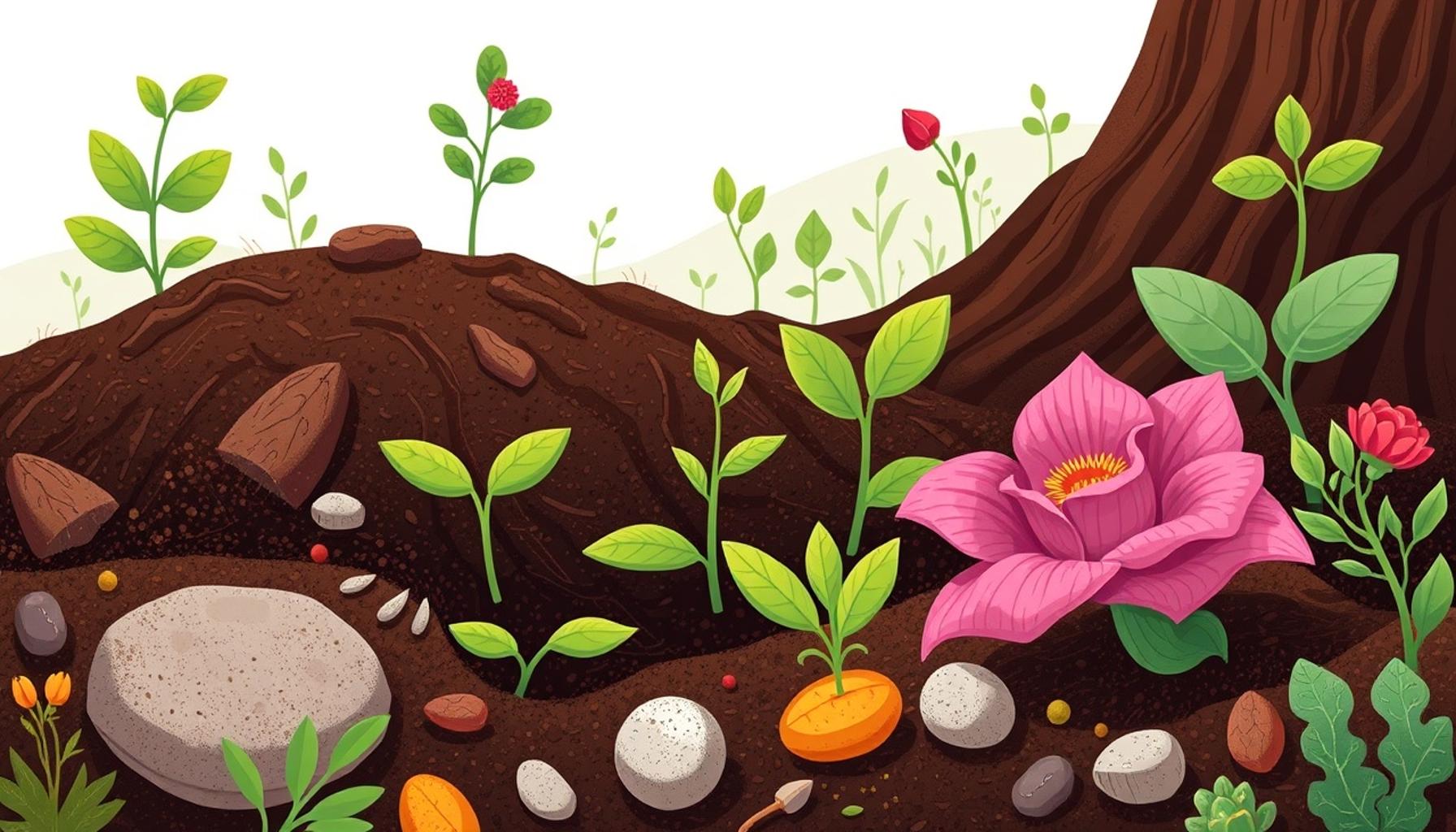
The Importance of Soil Health
Soil is often referred to as the foundation of life, yet its health is frequently overlooked in discussions surrounding gardening and agriculture. The quality of soil directly impacts plant growth, yield, and resilience against pests and diseases. Whether you are maintaining a home garden, managing a farm, or participating in community gardening efforts, understanding how to maintain nutrient-rich soil is essential for cultivating thriving plants.
A Living Ecosystem
Healthy soil is a complex, living ecosystem, rich in a variety of components that contribute to its fertility. Some key factors that make up this dynamic environment include:
- Organic matter: This includes decomposed materials such as plant debris and animal waste, which enhance soil structure and moisture retention. The presence of organic matter not only nourishes plants but also helps in carbon sequestration, contributing to climate change mitigation.
- Microorganisms: Beneficial bacteria, fungi, and protozoa play pivotal roles in nutrient cycling and decomposition. For instance, mycorrhizal fungi form symbiotic relationships with plant roots, enhancing nutrient and water uptake, which can lead to more robust crop yields.
- Soil pH: The acidity or alkalinity of soil, measured on a scale from 0 to 14, affects nutrient availability. Certain crops prefer specific pH levels; for example, blueberries thrive in acidic soils (pH 4.5 to 5.5), while asparagus prefers a neutral to alkaline range (pH 7.0 to 8.0).
Practices That Promote Soil Health
To ensure a sustainable gardening practice, it’s crucial to adopt methods that promote soil health. Some effective strategies include:
- Composting: This process recycles organic waste such as kitchen scraps and yard clippings into nutrient-rich compost, which can drastically improve soil quality. For example, adding compost can increase microbial activity and improve overall soil structure.
- Crop rotation: By alternating the types of crops planted in a specific area, gardeners can maintain nutrient balance and reduce pest buildup. Rotating legumes with other crops is particularly beneficial, as legumes fix nitrogen in the soil, replenishing this essential nutrient.
- Cover crops: Planting specific crops, like clover or rye, during off-seasons can prevent soil erosion, suppress weeds, and enhance soil fertility in subsequent growing seasons. These crops help to build organic matter and improve soil structure when tilled back into the soil.
Unlocking Your Garden’s Potential
Investing time and effort into enhancing soil health can unlock an environment where plants can thrive. Just small changes to your gardening routine can lead to significant improvements in both the health and productivity of your plants, making the effort truly worthwhile. As more gardeners and farmers recognize the importance of soil health, sustainable practices are increasingly becoming a priority, propelling us toward a greener future.
Explore various methods of soil enhancement and consider how you can implement them in your gardening or farming practices. The journey toward healthier soil is not just beneficial for your plants, but also for the broader ecosystem. Join the movement to appreciate soil as the remarkable foundation of life that it truly is.
DIVE DEEPER: Click here to learn essential soil preparation techniques
Understanding Soil Composition
To maintain nutrient-rich soil that supports thriving plants, it is crucial to understand the composition of soil itself. Soil is made up of four primary components: minerals, organic matter, air, and water. Each of these elements plays a vital role in determining soil health and fertility.
The Mineral Component
The mineral part of soil is derived from rocks and is composed primarily of sand, silt, and clay particles. These minerals provide essential nutrients such as potassium, phosphorus, and magnesium, which are necessary for plant growth. The size and arrangement of these particles influence water retention and drainage properties. For instance, sandy soils drain quickly but may require frequent watering and fertilization due to their low nutrient-holding capacity, while clay soils retain moisture but can become compact and impede root growth.
Organic Matter: The Life-giving Element
Organic matter is often considered the heart of healthy soil and is derived from decomposed plant and animal materials. It is vital for enhancing soil structure, moisture retention, and nutrient availability. As organic matter breaks down, it releases nutrients into the soil, making them accessible to plants. Furthermore, the presence of organic matter fosters a diverse community of microorganisms that are essential for soil health. A well-balanced organic content typically contains 3% to 5% of the total soil volume, promoting optimal conditions for plant growth.
Air and Water: The Essential Elements
Soil is not merely a static medium; it is an intricate system where air and water are equally important. Air pockets within soil allow for gas exchange, which is crucial for root respiration. Adequate oxygen supply is essential for root health, while also aiding in the decomposition of organic matter. On the other hand, water acts as a solvent, carrying nutrients through the soil profile to plant roots. A balance of air and water is necessary to create an ideal environment for soil-dwelling organisms, such as earthworms and beneficial bacteria, that contribute to soil health.
Assessing Soil Fertility
Regular soil testing is integral to maintaining nutrient-rich soil. Test kits, available at garden centers or online, can help you determine the fertility levels and pH of your soil. Understanding these parameters allows you to tailor your soil management strategies effectively. For instance, if your soil tests indicate low nitrogen levels, you may need to apply compost or organic fertilizers to replenish this essential nutrient. The process of soil testing offers invaluable insights that guide your decisions, empowering you to nurture your plants with the right balance of nutrients.
By exploring the building blocks of soil composition and embracing the practices that enhance its health, you can set the stage for a flourishing garden. In the next section, we will delve deeper into practical techniques that can further elevate soil quality, ensuring robust plant growth and biodiversity in your gardening endeavors.
Soil Health: How to Maintain Nutrient-Rich Soil for Thriving Plants
Maintaining nutrient-rich soil is crucial for the health of your plants. The vitality of your garden depends not just on the plants themselves but significantly on the quality of the soil they grow in. Soil is a living ecosystem that supports plant growth by providing essential nutrients, water, and air. Understanding how to care for this vital resource is key to fostering an environment where your plants can thrive.
To ensure your soil remains nutrient-rich, one of the most effective strategies is to practice crop rotation. By rotating different types of plants, you prevent soil depletion and maintain a balanced ecosystem. This technique reduces the risk of pests and diseases that tend to build up in the soil when the same crops are grown repeatedly.
Another essential practice is the incorporation of organic matter, such as compost or well-rotted manure, into your soil. This not only improves soil structure but also enhances its nutrient content and moisture-holding capacity. Organic matter acts like a sponge, allowing for better air circulation and drainage, which is vital for root development.
Additionally, monitoring soil pH levels can play a significant role in maintaining soil health. Most plants prefer a slightly acidic to neutral pH (6.0 to 7.0). Regular testing can help you determine whether your soil is too acidic or alkaline and adjust accordingly through amendments like lime or sulfur.
Pest and weed management also contributes to soil health. Maintaining the integrity of your soil includes minimizing disturbances while practicing sustainable gardening techniques. Use mulch to suppress weeds, reduce soil erosion, and conserve moisture.
| Category 1 | Category 2 |
|---|---|
| Crop Rotation | Helps prevent soil depletion and reduces pests. |
| Organic Matter | Enhances soil structure, nutrient content, and moisture retention. |
Lastly, integrating cover crops into your gardening routine can significantly improve soil health over time. These plants help to prevent soil erosion, enhance soil structure, and encourage beneficial microorganisms. With these practices in place, you can ensure that your soil remains rich in nutrients, setting the stage for thriving plants and a vibrant garden. Remember, healthy soil is the foundation of healthy plants, and investing time in its care pays off splendidly.
DISCOVER MORE: Click here for essential soil preparation tips
Practical Techniques for Enhancing Soil Health
Once you grasp the essential components of soil, the next step is to implement practical techniques that bolster soil health and promote nutrient retention. Among the various methods, mulching, crop rotation, and cover cropping stand out as effective strategies for maintaining nutrient-rich soil conducive to thriving plants.
Mulching: The Protective Layer
Mulching is a simple yet powerful technique that involves covering the soil surface with organic materials such as straw, wood chips, or grass clippings. This protective layer offers numerous benefits, including moisture retention, temperature regulation, and weed suppression. Additionally, as organic mulch materials decompose, they enrich the soil with vital nutrients, enhancing its fertility over time. Mulching also creates a more hospitable habitat for beneficial soil organisms, further contributing to a thriving soil ecosystem.
Crop Rotation: A Strategy for Diversity
Crop rotation, the practice of alternating different crops in a specific sequence on the same land, is another proven method for maintaining soil health. By rotating crops, particularly legumes, which fix nitrogen in the soil, you can naturally replenish nutrient levels without relying solely on chemical fertilizers. This diversity not only reduces the buildup of soilborne pests and diseases but also improves overall soil structure. For example, if you plant tomatoes one year, consider following them with beans or peas the next year to replenish nitrogen levels and enhance soil vitality.
Cover Cropping: Nature’s Ground Cover
Cover cropping involves growing specific plants, called cover crops, primarily to cover the soil rather than for harvest. These crops, such as clover, vetch, or rye, protect the soil from erosion and compaction during off-seasons. They also enhance soil fertility by adding organic matter and nutrients when tilled back into the soil. Furthermore, certain cover crops can help suppress weeds naturally, reducing the need for chemical herbicides. Research has shown that fields with cover crops demonstrate significantly higher soil organic carbon content, boosting the soil’s long-term health and resilience.
Composting: Recycling Organic Matter
Another cornerstone in the pursuit of nutrient-rich soil is composting. Composting is the process of recycling organic waste, such as kitchen scraps and yard debris, into a rich soil amendment loaded with nutrients. By creating a compost pile, you can improve soil structure and fertility while also benefiting the environment by reducing landfill waste. The application of compost enhances soil moisture retention capabilities and boosts the diversity of microorganisms, vital for a healthy soil ecosystem.
Soil Amendments: Tailoring Soil for Optimal Growth
Sometimes, even the most conscientious gardening efforts may require additional soil amendments to achieve desired nutrient levels and pH balance. Amendments like lime, sulfur, and gypsum can be added based on soil tests, allowing you to customize your soil’s nutrient profile for specific plants. Understanding your soil’s unique needs ensures that you provide plants with the right conditions for growth, paving the way for lush gardens and bountiful yields.
Embracing these comprehensive techniques for enhancing soil health will enable you to cultivate nutrient-rich soil that supports robust plant growth. Each methodology, whether through optimizing organic inputs or adopting sustainable practices, plays a crucial role in creating an ecosystem in which your plants can thrive. As you implement these practices, you embark on a journey of discovery that not only yields better gardening results but also contributes to the overall health of our environment.
DISCOVER MORE: Click here for essential gardening tips
Conclusion: The Path to Sustainable Soil Health
In conclusion, the journey towards maintaining nutrient-rich soil for thriving plants is a multifaceted endeavor that goes beyond mere gardening techniques. By employing strategies such as mulching, crop rotation, cover cropping, composting, and utilizing targeted soil amendments, you not only improve individual garden performance but also contribute to the larger ecosystem. These practices enhance the soil’s ability to retain moisture, support biodiversity, and resist pests and diseases, ultimately leading to healthier plants and a more bountiful harvest.
As we cultivate our gardens, it is essential to recognize that healthy soil is the foundation of sustainable agriculture. By understanding and nurturing this valuable resource, we can increase productivity while minimizing our environmental footprint. Engaging with soil health practices allows gardeners of all levels to be part of a greater movement towards ecological balance, ensuring that our landscapes flourish for generations to come.
Moreover, the ongoing exploration into soil science provides a wealth of knowledge that invites us to innovate continually. With environmental concerns on the rise, embracing holistic approaches to soil management proves not only beneficial for our gardens but also imperative for global food security and ecosystem viability. So, take the plunge: assess your garden’s needs, implement these practices, and witness firsthand how nurturing soil health leads to vibrant, thriving plants.
Ultimately, the path to thriving plants begins below the surface—where soil health reigns supreme.