Pest Control Basics: Simple Strategies for Keeping Your Garden Healthy
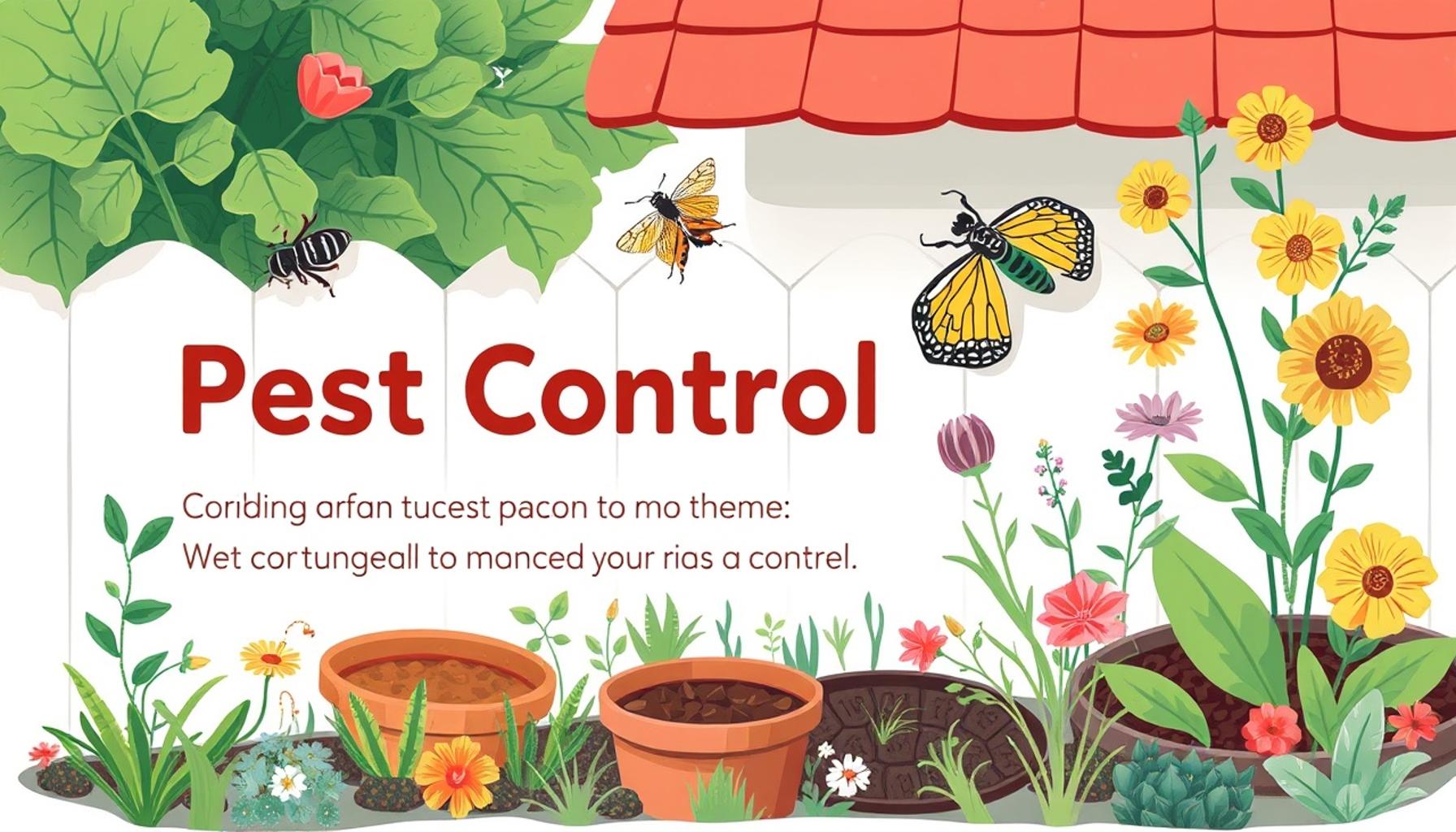
Understanding Pest Control in Your Garden
Maintaining a healthy garden is a gratifying experience, but it can quickly turn into a battle against pests. Pest control is essential for protecting your plants while ensuring a vibrant ecosystem thrives in your backyard. The right strategies can make all the difference in creating a bountiful garden. Familiarizing yourself with common pests and effective control measures is the first step towards safeguarding your garden’s health.
Common Garden Pests
Before diving into effective methods, it’s crucial to recognize the usual culprits. Understanding these pests can help gardeners develop more effective strategies:
- Aphids – These tiny, pear-shaped insects can be green, black, or even red and are often found in clusters on new shoots. They feed by sucking sap, which can weaken plants, leading to stunted growth and curling leaves.
- Slugs and snails – Nighttime grazers that thrive in damp environments, slugs and snails are infamous for voracious munching on tender leaves and seedlings, leaving behind slimy trails and ragged holes in foliage.
- Spider mites – These minuscule pests thrive in dry conditions and can cause considerable damage, leading to stippled or discolored leaves. They typically trap their victims in fine webs, making them more difficult to spot until serious damage is done.
- Whiteflies – Resembling tiny moths, whiteflies suck the life out of plants by feeding on the undersides of leaves. They can also vector diseases, leading to wilting and yellowing leaves.
Effective Pest Control Strategies
Implementing simple strategies can significantly reduce pest problems in your garden. Consider these approaches:
- Integrated Pest Management (IPM) – This holistic method combines biological, cultural, physical, and chemical tools to manage pest populations effectively while minimizing risks to human health and the environment. For example, introducing native predatory mites can reduce spider mite populations without harmful pesticides.
- Natural Predators – Encourage beneficial insects like ladybugs, lacewings, and praying mantises into your garden. These allies can consume harmful pests, creating a natural balance and minimizing the need for chemical interventions.
- Physical Barriers – Using materials like row covers, nets, and copper tape can be effective in protecting vulnerable plants from pests. Row covers can prevent not only insect access but also shield plants from harsh weather.
- Regular Monitoring – Keep an eye on your plants to catch issues early. Frequent inspections allow for the timely identification of pest populations, enabling quicker and more effective responses.
Exploring these aspects of pest control not only helps in safeguarding your garden but also enhances your gardening skills. Armed with knowledge and practical strategies, gardeners can maintain a healthy ecosystem while enjoying the beauty and bounty of their home gardens. The journey to a flourishing garden begins with understanding the basics of managing pests effectively, promoting both plant health and environmental sustainability.
DISCOVER MORE: Click here for tips on identifying garden pests
Pest Management Strategies for Thriving Gardens
Every gardener understands that a flourishing garden is a result of hard work, dedication, and careful attention to detail. However, one of the biggest threats to this endeavor comes from the persistent nuisance of pests. Employing a proactive approach to pest control is essential for maintaining plant health and ensuring a vibrant garden. Contrary to the belief that pest management involves harsh chemicals, many effective and environmentally friendly strategies exist that can help control pests without harming the ecosystem.
Understanding Pest Life Cycles
Understanding the life cycles of various garden pests is a fundamental step in outsmarting them. Different pests, from aphids to slugs, undergo unique stages of development that present multiple opportunities for intervention. For example, aphids are notorious for their rapid reproduction; adult females can produce live young without mating, leading to exponentially increasing populations. If a gardener identifies these pests early, they can take swift action with targeted treatments during their vulnerable stages, effectively controlling their numbers before an infestation occurs.
Preventative Measures to Deter Pests
Adopting a proactive stance by implementing preventative measures can greatly reduce the likelihood of pest infestations. Here are some effective strategies to consider:
- Crop Rotation: This practice involves varying the placement of crops each season, significantly disrupting pest life cycles. Certain pests are highly specialized and prefer specific plants. By rotating crops, gardeners can keep these pests guessing, effectively reducing their chances of survival and reproduction.
- Healthy Soil: The foundation of a robust garden lies in its soil health. Enriching soil with organic matter and compost cultivates strong plants that are more resilient and naturally better equipped to withstand pest attacks. Healthy plants develop a robust immune system, allowing them to fend off potential infestations.
- Diversity in Planting: Creating a diverse garden environment confuses pests and can deter them from making themselves at home. For instance, interplanting flowers with vegetables attracts beneficial insects like ladybugs and lacewings, which prey on harmful pests, fostering a more resilient ecosystem.
- Sanitation: Maintaining a clean garden is critical in preventing pest issues. By regularly removing debris, fallen leaves, and any diseased plants, you eliminate potential habitats for pests. This simple practice discourages pests from making your garden their home.
By exploring these preventative tactics, gardeners can not only safeguard their gardens but also delve into the complex relationships between pests and the plants they inhabit. Implementing these straightforward methods allows for a continuous battle against pests while promoting a balanced and thriving ecosystem. Building a garden that is both healthy and resistant to infestations is entirely achievable, and the journey begins with informed and proactive practices.
Engaging with local cooperative extensions or gardening clubs can also provide valuable insights specific to your region. Many states in the U.S. have unique pests that thrive in their climates, so researching local pest behavior can lead to more effective management strategies. This holistic understanding equips gardeners with the necessary tools to protect their flora while embracing the beauty that nature offers.
| Category | Key Features |
|---|---|
| Preventive Measures | Implementing crop rotation, companion planting, and using barriers effectively to keep pests at bay. |
| Natural Pest Control | Utilizing beneficial insects like ladybugs and lacewings, as well as organic sprays, can mitigate pest populations without harsh chemicals. |
Understanding the heart of pest control lies in prevention. By adopting simple strategies such as crop rotation and the use of barriers, gardeners can create an ecosystem that is less inviting to harmful pests. Additionally, exploring the world of beneficial insects not only helps in controlling pest issues but also enhances biodiversity. When you foster a balance in your garden, you move away from relying solely on chemical solutions, paving the way for a healthier garden and ecosystem.
Furthermore, homeowners can explore various organic pest control methods that are eco-friendly, providing not just immediate results but ensuring long-term benefits for the soil and plant health. The emerging trend of using companion planting speaks volumes about how certain plants can naturally deter pests while enriching the health of neighboring plants.
As you delve deeper into understanding these strategies, you’ll find a wealth of resources and community knowledge that can aid in keeping your garden not just pest-free, but thriving. Explore native plants and local pest solutions to enhance your gardening experience while actively contributing to your local environment.
LEARN MORE: Click here for effective soil preparation techniques
Targeted Treatment Solutions for Pest Management
While preventative measures are invaluable, sometimes pest problems escalate despite our best efforts. In such cases, utilizing targeted treatment solutions becomes necessary to preserve the health of your garden. Many gardeners are concerned about resorting to chemical pesticides, fearing harm to beneficial insects, wildlife, and the environment. Thankfully, several safe and effective options exist to tackle pest issues without compromising garden integrity.
Natural and Organic Pest Control Options
Embracing natural pest control methods not only promotes a healthier garden but also aligns with eco-friendly gardening practices. Here are a few organic options that have demonstrated effectiveness:
- Neem Oil: Extracted from the seeds of the neem tree, neem oil is a powerful natural insect repellent. It disrupts the life cycles of pests like aphids, whiteflies, and spider mites when applied to infested plants. Its effectiveness lies in its ability to suffocate pests while also enhancing plant health.
- Insecticidal Soap: A simple blend of water and pure soap can create an effective treatment for soft-bodied insects like aphids and spider mites. The soap disrupts the pests’ cell membranes, leading to their demise while being harmless to plants when used correctly.
- Diatomaceous Earth: This natural powder consists of crushed fossilized aquatic organisms. When sprinkled on plants or soil, it damages the exoskeletons of pests such as slugs and beetles, leading to dehydration and death. Importantly, diatomaceous earth is safe for plants and beneficial insects.
- Homemade Garlic or Chili Pepper Spray: Crafting a DIY insect repellent using garlic or chili powder can deter pests due to their strong odors. Blending these ingredients with water and applying the mixture can create a potent barrier against unwelcome intruders.
Utilizing Beneficial Insects
An essential component of eco-friendly pest control lies in harnessing the power of beneficial insects. These industrious allies naturally regulate pest populations and promote garden health. Here’s how you can readily attract them:
- Ladybugs: Known for their voracious appetite for aphids, ladybugs are a gardener’s friend. Planting flowers like marigolds and yarrow can draw these beneficial beetles into your garden.
- Lacewings: Often referred to as “aphid lions,” lacewing larvae consume large amounts of aphids and thrips. Encouraging flowering plants like sweet alyssum can help attract lacewings.
- Parasitic Wasps: These tiny wasps lay their eggs inside pest larvae, such as caterpillars, ultimately controlling their populations. Fostering a diverse garden habitat encourages these helpful wasps to take residence.
Implementing these strategies requires a collaborative understanding of your garden ecosystem. To effectively engage with beneficial insects and natural treatments, observe how they interact within your garden. Monitoring the presence of both harmful and helpful insects is vital for adapting management practices tailored to your specific garden needs.
In conclusion, the journey to cultivating a healthy and bountiful garden goes beyond merely combating pests—it encompasses fostering a symbiotic relationship with nature. By embracing these straightforward pest control strategies, you can engage in a productive gardening experience that results not only in flourishing plants but also in a thriving ecosystem.
DISCOVER MORE: Click here to learn about essential garden tools
Final Thoughts on Healthy Garden Pest Management
In the realm of gardening, maintaining a lush and vibrant ecosystem hinges on understanding pest dynamics and adopting a holistic approach to pest control. The essence of effective pest control basics lies in a blend of proactive measures and thoughtful, targeted interventions. As we’ve explored, it is paramount to implement preventative strategies such as selecting resilient plant varieties and creating an environment that naturally attracts beneficial insects.
Moreover, when faced with pest challenges, utilizing natural and organic solutions, like neem oil and diatomaceous earth, can mitigate issues without endangering the delicate balance of your garden. Utilizing beneficial insects not only addresses pest problems but also enhances your garden’s health and biodiversity.
It is crucial to remember that gardening is an ongoing learning process. By observing the intricate interactions within your garden, you can refine your strategies and adapt to the ever-changing conditions and pest pressures. Embracing these simple strategies will not only lead to a flourishing garden but also contribute to a more sustainable environmental future.
As you embark on your gardening journey, take the time to explore local resources and connect with fellow gardeners who share your commitment to caring for the earth. By staying informed and engaged, you’ll discover a plethora of insights and support that can enrich your gardening experience. In the grand tapestry of nature, every step towards healthy pest management is a step towards celebrating and preserving our planet’s precious ecosystems.