Watering Wisely: Best Practices for Home Gardeners
The Importance of Watering Wisely
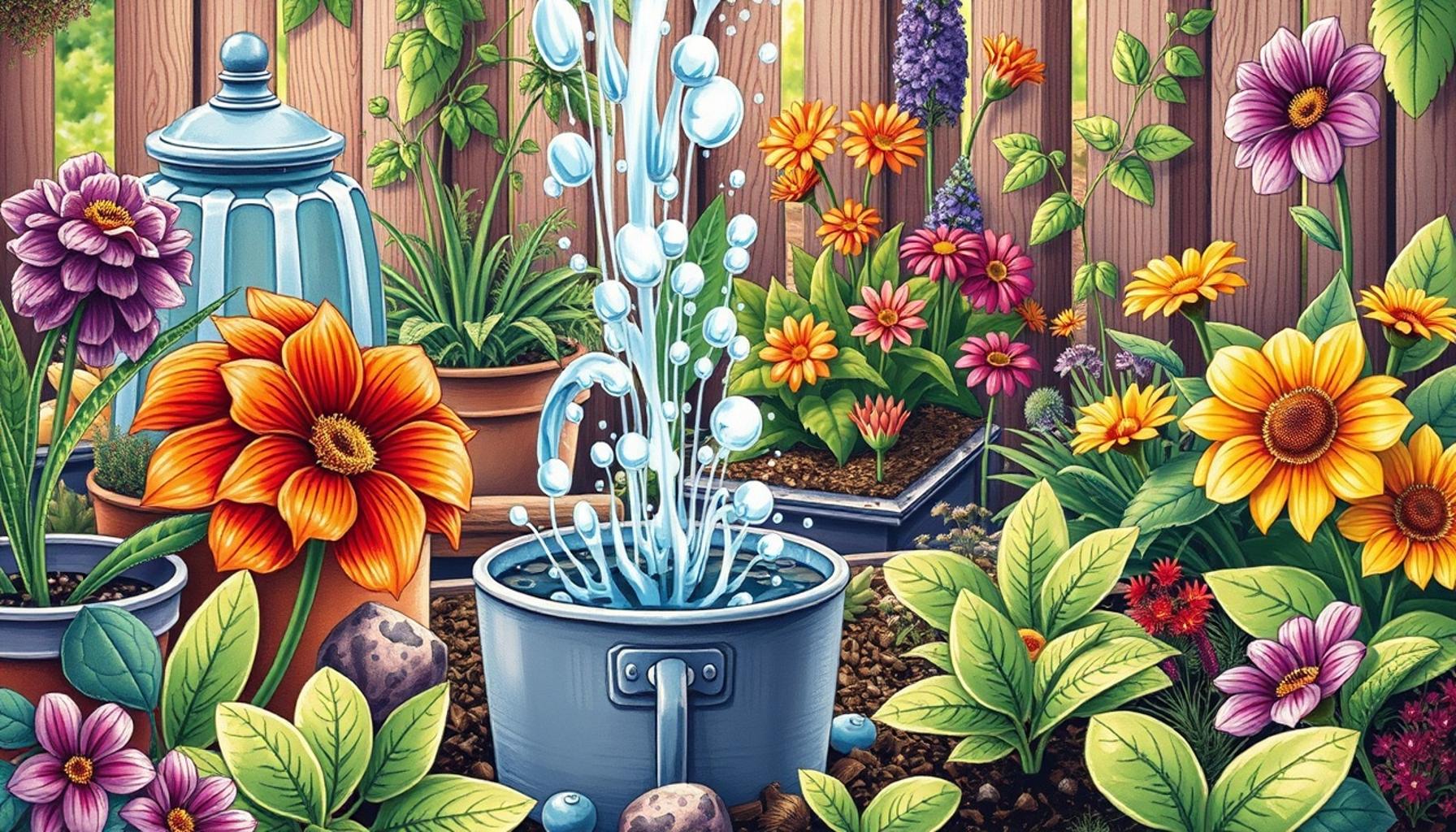
Water is a critical resource that every garden relies upon, and understanding how to manage this resource wisely can lead to thriving plants and a sustainable garden environment. Many novice gardeners, in their eagerness to nurture their plants, often find themselves caught in the cycle of overwatering or underwatering. These missteps can have dire consequences, including root rot, nutrient leaching, and inadequate growth. Emphasizing best practices for watering is not just about keeping plants alive; it’s about fostering a resilient and productive garden.
Timing your Watering
The adage “timing is everything” holds particularly true in gardening. Watering early in the morning, preferably before 10 a.m., is one of the most effective strategies a gardener can adopt. During this time, temperatures are cooler, and winds are typically calm, allowing less water to evaporate and leading to better soil absorption. Conversely, watering during the heat of the day can waste valuable resources as up to 30% of water can evaporate before it even reaches the plants.
Understanding Soil Types
Another vital aspect of effective watering is understanding your soil type. For instance, clay soils, while sometimes challenging to work with, have excellent water retention capabilities compared to sandy soils. This means that a gardener with heavy clay may only need to water once a week, as moisture can linger longer. Sandy soils, however, tend to drain quickly, necessitating more frequent watering sessions. Performing a soil test can guide you in adjusting your watering schedule to suit your garden’s unique environment.
Acknowledging Plant Needs
Just as no two gardeners are the same, neither are the plants they nurture. Some plants, such as succulents and cacti, require very little water, while others like ferns thrive in more consistently moist conditions. Familiarizing yourself with the specific water requirements of the plants in your garden can prevent stress and promote lush growth. Using plant tags or a gardening app can help keep track of different species’ needs to optimize your watering routine.
Innovative Watering Techniques
- Drip Irrigation: This method revolutionizes garden watering by applying water directly to the roots of plants through an efficient tube system, thereby minimizing waste and ensuring deep soil penetration.
- Mulching: Beneficial in maintaining moisture, a good layer of mulch can also help regulate soil temperature and suppress weeds, reducing the need for additional watering.
- Rainwater Harvesting: Collecting rainwater in barrels or cisterns is an eco-friendly approach that not only conserves water but also provides your garden with nutrient-rich water, as it is free from the chemicals often found in municipal supplies.
Implementing these strategies can transform your gardening experience. By adopting efficient watering practices, not only do you contribute to a healthier and more vibrant garden, but you also help conserve water during drier periods—benefiting both your wallet and the environment. The next step is to take these insights and experiment within your own garden, observing what works best for your landscape and ensuring a flourishing ecosystem.
LEARN MORE: Click here to discover the benefits of mulching
Optimizing Your Watering Routine
Creating a flourishing garden is as much about the amount of water your plants receive as it is about the timing, technique, and consistency of your watering practices. Knowing how to optimize your watering routine can significantly impact plant health while conserving water resources. Here, we explore vital components that make up an effective watering strategy that every home gardener should embrace.
Understanding Evaporation Rates
One crucial factor to consider when watering is the evaporation rate influenced by various environmental factors like temperature, humidity, and wind. On hot, windy days, for instance, moisture can evaporate quickly from the soil surface, making it challenging to provide adequate hydration for the plants. To combat this issue, consider watering less frequently but more deeply, allowing moisture to penetrate deeper into the soil rather than just wetting the top layer. This approach encourages stronger root growth and means plants won’t need to rely on frequent, shallow watering.
The Benefits of Soil Moisture Meters
In an era where technology intersects with gardening, investing in a soil moisture meter can take the guesswork out of watering. These devices measure the moisture levels in the soil, providing you with accurate data on when your plants actually need water. Several models are available, some even equipped with alerts for different soil types. By incorporating a moisture meter into your gardening routine, you can ensure that your plants receive the precise amount of water they require without the risk of over or underwatering.
Watering Methods: A Closer Look
Diversifying your watering methods can significantly enhance how effectively you hydrate your garden. Consider the following techniques tailored to suit different garden needs:
- Soaker Hoses: These porous hoses allow slow, steady water seepage directly into the soil, making them perfect for vegetable gardens and flower beds.
- Sprinklers: Ideal for covering larger areas, sprinklers can be adjusted for different flow rates and more efficient usage, particularly with modern timers.
- Hand Watering: This age-old method is still effective, particularly for smaller gardens or specific plants needing attention. It allows for precise control but can be time-consuming.
Experimenting with these methods will help you discover which one aligns best with your garden’s specific layout and set of challenges. No two gardens are alike, and the right watering method often hinges on factors such as plant types, the size of the area, and local climate conditions. Keep in mind that different plants within your garden may require diverse strategies, which adds a layer of complexity but ultimately leads to a healthier growing environment.
By understanding the intricate balance of timing, method, and technology in your watering practices, you can set your garden on a path toward optimal health. The next steps involve putting these principles into action, adjusting them to fit your unique gardening circumstances while conserving this precious resource for a sustainable future.
| Category | Key Features |
|---|---|
| Irrigation Techniques | Drip irrigation and soaker hoses deliver water directly to the roots, minimizing waste. |
| Watering Schedules | Early morning watering reduces evaporation and fungal diseases, ensuring more water reaches the plants. |
Understanding the right irrigation techniques is crucial for any home gardener aspiring to make their watering practices efficient. Techniques such as drip irrigation and soaker hoses are excellent methods that help direct water to the roots of plants without excess runoff. Such setups can significantly improve water conservation and plant health, especially in drier climates.Additionally, developing a consistent watering schedule can foster healthy plant growth. Watering in the early morning is recommended, as it reduces the amount of water lost to evaporation and minimizes fungal issues, allowing water to soak deeply into the soil where it is needed most. With these practices, gardeners can not only maintain lush gardens but also contribute to sustainability efforts. Implementing thoughtful watering techniques ensures your plants thrive while also conserving precious water resources.
DISCOVER MORE: Click here to learn about easy-care plants
Timing Your Watering for Maximum Effectiveness
The timing of your watering can profoundly affect plant health and overall garden efficiency. Watering at the right moment not only keeps your plants hydrated but also minimizes water loss through evaporation and runoff. Utilizing strategic watering times can help in maximizing the benefits for both the plants and your overall watering efforts.
Early Morning vs. Evening Watering
For optimal results, consider watering early in the morning when temperatures are cooler and the winds are typically calm. This timing allows plants to absorb moisture before the midday sun heats up the soil, which reduces evaporation losses. Early watering also helps prepare your plants to handle the heat of the day, minimizing stress that can arise from sudden temperature spikes.
Alternatively, watering in the evening can be beneficial, especially during the hotter months. However, it’s essential to exercise caution, as watering too late can leave foliage damp overnight, increasing the risk of fungal diseases. If you opt for evening watering, aim for a time when it’s still warm but cooling down, giving the plants enough time to dry before nightfall.
Understanding Plant Needs Throughout the Seasons
Gardeners should also recognize that watering needs change with the seasons. In the spring, as plants emerge from dormancy, they typically require more water to kickstart their growth. Summer introduces higher temperatures, which can lead to increased evaporation rates. Monitoring the soil moisture and adjusting your watering schedule accordingly can help ensure that your plants receive the appropriate amount of water.
In autumn, when many plants begin to die back, it’s essential to taper down on watering as their growth slows. Winter brings a different set of challenges; while many gardeners think that plants do not need water in winter due to frost, even dormant plants can benefit from occasional watering, especially during dry spells.
Companion Planting: Enhancing Water Use Efficiency
Companion planting can be an effective strategy in managing water use within your garden. Certain plant combinations can support each other’s growth while maximizing moisture retention in the soil. For instance, deep-rooted plants like tomatoes can share space with shallow-root vegetables like lettuces. The deeper roots can access moisture from lower soil layers while the shallower roots utilize rainfall more efficiently.
Another worthwhile combination is planting cover crops, which can help improve soil structure and moisture retention during dry seasons. Legumes, such as clover, not only provide ground cover but also enhance nitrogen levels in the soil, benefiting surrounding plants while simultaneously conserving moisture.
Rainwater Harvesting: A Sustainable Approach
As climate concerns grow, many gardeners are turning to rainwater harvesting as a sustainable practice. Installing rain barrels to collect stormwater runoff from your roof can provide an eco-friendly water source for your garden. This approach reduces reliance on municipal water sources while providing plants with natural, untreated water, which is often more beneficial than the treated supply.
In addition to sustainability, utilizing rainwater fosters a profound connection with the garden ecosystem, encouraging awareness of nature’s cycles. By integrating rainwater harvesting into your gardening routine, you not only help ensure your plants receive adequate moisture but also play a role in caring for the environment.
LEARN MORE: Click here for the perfect soil mixture tips
Conclusion: Embracing Best Practices for Effective Watering
In the realm of home gardening, the approach you take toward watering can significantly shape the health and productivity of your plants. Understanding the timing of your watering, adapting to seasonal needs, and exploring innovative strategies such as companion planting and rainwater harvesting are essential practices that can help you achieve a thriving garden while also conserving water resources.
By prioritizing early morning watering, gardeners not only minimize evaporation but also set their plants up for success as they face the midday heat. In tandem, adjusting watering frequency to align with seasonal changes ensures that plants receive the moisture they require for optimal growth stages, from spring rejuvenation to autumn dormancy.
Incorporating companion planting is another layer of efficiency, allowing plants to work harmoniously, saving water while promoting soil health. As concerns surrounding sustainability rise, rainwater harvesting emerges as an appealing solution, enabling gardeners to utilize natural rainfall, reduce their ecological footprint, and foster a deeper connection with their garden’s ecosystem.
As you implement these best practices in your own gardening routine, remember that observing and responding to your plants’ needs is key. The art of watering wisely is about more than just keeping soil moist; it involves a commitment to sustainable gardening that benefits both your plants and the environment. Dive deeper into these practices and watch your garden flourish, becoming a resilient and productive space that reflects your dedication to nurturing growth.