How to Create an Efficient Watering Schedule for Gardening Beginners
Understanding the Role of Water in Gardening
Creating a thriving garden hinges on one crucial element: water. Regardless of whether you are cultivating vibrant flowers, nutritious vegetables, or fragrant herbs, setting up an efficient watering routine can be the difference between a flourishing garden and a wilting disappointment. The challenge many beginners encounter is determining the optimal quantity and frequency of watering necessary to meet their plants’ needs.
Key Components of an Effective Watering Plan
Several interconnected factors affect how you should approach the watering of your garden:
- Climate: The climate of your region has a major impact on your watering schedule. For instance, areas with high humidity, like the Southeastern United States, might require less frequent watering compared to arid regions such as the Southwest, where plants might need water every day during the peak summer months.
- Soil Type: Understanding your soil is pivotal. Sandy soils, known for their texture, drain quickly and can leave plants parched, requiring more frequent watering. In contrast, clay soils retain moisture for more extended periods, often necessitating less frequent watering. For example, if you’re gardening in California’s Central Valley with its clayey soils, you may only need to water every few days.
- Plant Needs: Each plant has its own unique thirst. Tomato plants, for example, require consistent moisture to develop properly but can become susceptible to root rot if over-watered. On the other hand, succulents thrive on minimal water and can suffer if their roots are consistently saturated.
Questions to Consider for Your Watering Schedule
Before you establish a watering routine, reflect on the following questions:
- What is the average rainfall in your region? Local weather patterns significantly affect how much manual watering you need to do.
- How often should you water specific plants? Generally, most vegetable gardens require about 1-2 inches of water per week, but this can change with the seasons.
- Is there a best time of day to water? Early mornings are usually ideal for watering, as this allows the moisture to soak into the soil before the heat of the day evaporates it.
Establishing a proper watering schedule is instrumental in preventing common gardening problems like overwatering or underwatering. With the right approach, you can nurture a healthy garden that maximizes water efficiency while promoting robust plant growth. In the following sections, this article aims to provide concrete strategies and tips for creating a tailored watering schedule that will meet your specific gardening needs and help your plants flourish.
DISCOVER MORE: Click here to learn about watering wisely
Assessing Your Garden’s Specific Needs
As you embark on your gardening journey, understanding your garden’s specific needs is paramount for creating an effective watering schedule. Factors such as plant type, growth stage, and exposure to sunlight play significant roles in determining how much water your plants require. Let’s delve into these critical aspects to help you tailor a plan that meets the unique demands of your garden.
Plant Type Matters
Not all plants are created equal when it comes to water consumption. Some plants thrive in moisture-rich environments, while others are more drought-resistant. Here’s a brief overview of common plant categories:
- Vegetables: Vegetables like lettuce, cucumber, and peppers typically need regular water for optimal growth. On average, they should receive around 1-2 inches of water per week, especially during hot summer months.
- Flowering Plants: Many perennials and annuals require consistent moisture, particularly during their blooming season. Hydrangeas, for example, are heavy drinkers that can wilt quickly without sufficient water.
- Herbs: Mediterranean herbs like rosemary and thyme are designed to withstand dry conditions and require much less water than other plants. When growing these, a less frequent watering schedule is ideal to avoid soggy roots.
Understanding the watering needs associated with different plants will help you craft a schedule that ensures each type thrives without waste.
Growth Stages and Watering Frequency
Timing is crucial when considering the watering frequency, particularly in relation to your plants’ growth stages. Seedlings, for instance, typically need more moisture compared to mature plants as they are developing their root systems. On the other hand, once plants establish themselves, their water needs may vary:
- Seedlings: Newly germinated seeds require constant moisture. A light daily watering may be essential to keep the soil consistently damp but not waterlogged.
- Young Plants: As plants grow and roots begin to establish, you can start to reduce the frequency of watering. A deep soak every few days helps in developing a robust root system.
- Mature Plants: Once established, most plants benefit from a set watering schedule, which should align with seasonal changes. During hot spells, watering may need to occur more frequently, while in cooler or wetter months, the frequency can decrease.
By paying attention to the different growth stages of your plants, you can adjust the amount of water they receive accordingly, promoting healthy growth and vitality.
Ultimately, an efficient watering schedule requires being observant of your plants and adapting to their changing needs. In the following section, we will explore practical tips for measuring soil moisture and irrigation techniques that can streamline the watering process, ensuring your garden thrives without the hassle.
Creating an efficient watering schedule is essential for gardening beginners to foster healthy plants and conserve water. Understanding the specific needs of plants is the first step. Different plants have varying requirements; while some thrive in moist soil, others prefer drier conditions. A well-structured watering schedule helps in preventing overwatering or underwatering, both of which can lead to plant stress and disease.
Understanding Soil Moisture Levels
Before setting a watering schedule, it’s vital to assess soil moisture levels. Use a moisture meter or your finger to determine if the soil is dry or wet. Ideally, the top inch of soil should be dry before watering. This approach ensures you provide adequate hydration without saturating the plants.
Time of Day Matters
The timing of watering is crucial. Watering in the early morning minimizes evaporation and allows plants to absorb needed moisture before the heat of the day. Conversely, watering during peak sunlight hours can waste precious resources due to increased evaporation. Evening watering can also be effective, provided it allows sufficient time for foliage to dry, thus reducing the risk of fungal diseases.
Frequency and Amount of Watering
As a general rule, most gardens benefit from being watered deeply once or twice a week, depending on rainfall and temperature. A deep watering encourages roots to grow deeper, enhancing resilience against drought. Aim for about one inch of water per week, either from rainfall or manual watering. Beginners might consider using a rain gauge to track water levels accurately.
Incorporating mulch around plants can also assist in moisture retention, allowing for longer intervals between waterings. Mulching not only keeps the soil temperature consistent but also suppresses weeds, which can compete for water resources.
Adjusting for Seasonal Changes
Your watering schedule should be adaptable to seasonal changes. During the hot summer months, you may need to increase the frequency of watering, while in cooler months, watering requirements may decrease. Pay attention to weather patterns, as unexpected rainfall can change your planned schedule. Flexibility is key to ensuring optimal plant health throughout the year.
By focusing on understanding your plants’ unique needs and environmental factors, you can develop a tailored watering schedule. This approach not only promotes plant growth but also contributes to sensible water use. Embrace these techniques, and watch your garden thrive!
| Category | Advantages |
|---|---|
| Soil Moisture Awareness | Allows for informed watering decisions, promoting healthy roots. |
| Watering Timing | Minimizes water waste and fungal risks by optimizing absorption. |
| Seasonal Adjustments | Ensures plants receive appropriate hydration year-round. |
DISCOVER MORE: Click here to learn about natural pest control methods
Implementing Effective Watering Techniques
Creating an efficient watering schedule doesn’t end with understanding your plants’ needs. The methods you use to water your garden can significantly impact their health and your water usage. Here, we’ll explore practical irrigation techniques and tips for measuring soil moisture, which are vital for beginners looking to nurture their green spaces effectively.
Watering Methods: Finding What Works Best
The way you apply water to your plants can vary greatly depending on your garden’s layout and the types of plants you are growing. Here are some popular watering methods to consider:
- Soaker Hoses: Soaker hoses provide a slow, steady drip of moisture directly to the soil. This method is particularly beneficial for vegetable gardens and flower beds, as it minimizes water evaporation and ensures moisture seeps directly to the roots.
- Drip Irrigation: A step up from soaker hoses, a drip irrigation system can be customized to deliver precise amounts of water to individual plants through a network of tubes and emitters. This technique is cost-effective and conserves water while promoting healthy growth.
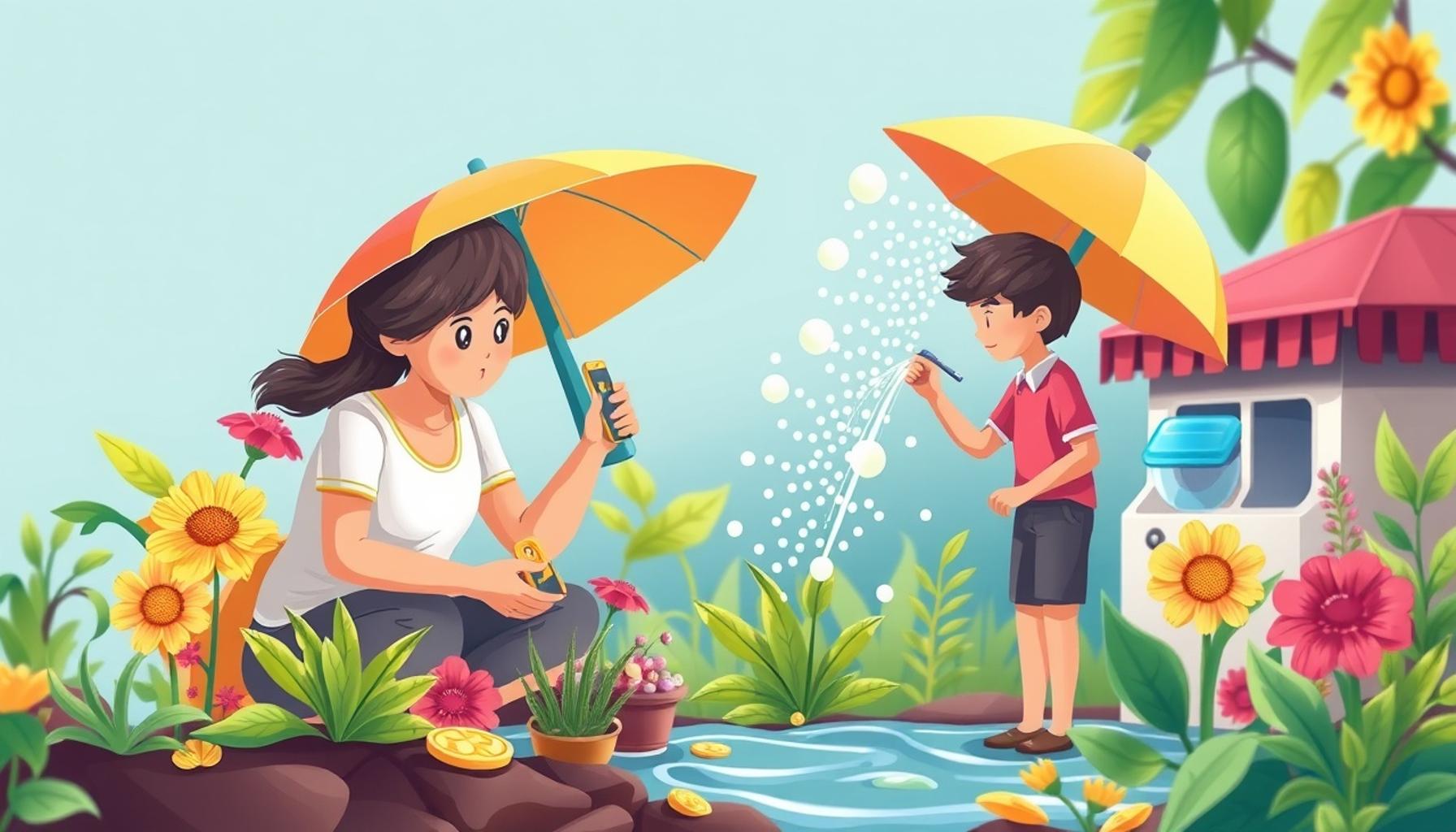
- Hand Watering: For smaller gardens, hand watering with a hose or watering can remains a hands-on and simple method. It provides precise control over water distribution and allows you to inspect plants while watering, which can help you identify any issues early on.
- Sprinklers: While effective for larger areas, sprinklers are less efficient due to water loss from evaporation. If using this method, choose early morning or late afternoon for watering to reduce evaporation and allow your plants to absorb moisture before the heat of the day.
Whatever method you choose, incorporating a timer can help automate the process, ensuring your plants receive consistent watering without daily manual effort.
Measuring Soil Moisture: The Key to Precision
Before watering, it’s essential to understand the moisture levels in your soil. Overwatering is a common pitfall for beginner gardeners, leading to root rot and other diseases. Here are some effective ways to measure soil moisture:
- Soil Moisture Meter: A moisture meter is an inexpensive and straightforward tool that can take the guesswork out of watering. Simply insert the probe into the soil, and the meter will indicate moisture levels, helping you determine when it’s time to water.
- The Finger Test: For a quick assessment, simply stick your finger about an inch into the soil. If it feels dry at that depth, it’s time to water. This technique is not only effective but also a tactile indicator of your garden’s condition.
- Visual Signs: Look for signs that indicate whether your plants need water. Wilting leaves or dry soil crusting are good indicators of a lack of moisture, while overly soggy soil or yellowing leaves can signify overwatering.
By implementing these moisture measurement methods, you can fine-tune your watering schedule and avoid the common pitfalls of excessive or insufficient watering.
As gardening beginners venture into their watering routine, embracing both effective irrigation techniques and moisture assessment tools can yield not only healthier plants but also a more enjoyable gardening experience. Keep experimenting to discover what works best for your unique growing conditions as you embark on this green journey.
DISCOVER MORE: Click here for essential tips
Final Thoughts on Crafting Your Watering Schedule
Creating an efficient watering schedule is paramount for gardening beginners who aspire to cultivate vibrant and healthy plants. As outlined in this article, understanding your specific plants’ water needs is the first step toward a flourishing garden. Additionally, utilizing the right watering methods—whether through soaker hoses, drip irrigation, or hand watering—allows you to provide targeted moisture while conserving water resources.
Equally important is your ability to measure soil moisture accurately. Tools like soil moisture meters and simple finger tests can serve as invaluable aids, helping you avoid the perils of both overwatering and underwatering. This precision not only aids in promoting healthy growth but also enhances the overall gardening experience, making it rewarding and enjoyable.
Furthermore, as you experiment with different techniques, consider adjusting your watering schedule based on seasonal changes, plant growth stages, and local climate conditions. With this level of adaptability, you not only tailor care to your garden’s requirements but also foster a deeper connection with your plants. As you embark on this journey, remember that every garden is an evolving ecosystem, and your watering strategy should grow along with it.
By taking the time to understand and fine-tune your watering practices, you will not only cultivate a thriving garden but also unlock the joy of gardening, encouraging personal growth alongside that of your plants. With a little patience and observation, you’ll soon find yourself well on your way to becoming a proficient gardener.