The Importance of Proper Irrigation: Essential Techniques for Beginners in Gardening
Understanding the Role of Irrigation in Gardening
Effective irrigation serves as the backbone of successful gardening. It’s not merely about watering plants; it’s about enhancing growth and ensuring each plant thrives in its environment. With the right techniques, even novice gardeners can achieve lush, vibrant gardens that are not only beautiful but also sustainable for the surrounding ecosystem.
Why Proper Irrigation Matters
Proper irrigation offers a multitude of advantages that are essential for maintaining a healthy garden:
- Optimizes Water Use: Utilizing efficient irrigation methods significantly reduces water wastage. For example, studies have shown that drip irrigation can be up to 90% more efficient than traditional sprinkler systems, allowing gardeners to save both water and money. This is particularly important in regions facing drought, where water conservation is critical.
- Prevents Plant Stress: Over or under-watering can lead to plant diseases and stress. Symptoms of stress can include wilting, yellowing leaves, and stunted growth. By monitoring soil moisture and using appropriate techniques, gardeners can prevent these issues and promote a thriving garden.
- Encourages Healthy Growth: Well-watered plants develop stronger roots and are more resilient against diseases and pests. For instance, a healthy tomato plant with a deep root system is better equipped to withstand periods of drought compared to a plant with shallow roots that may quickly succumb to stress.
Essential Techniques for Beginners
As a beginner gardener, mastering irrigation techniques is crucial for success. Here are some reliable starting points:
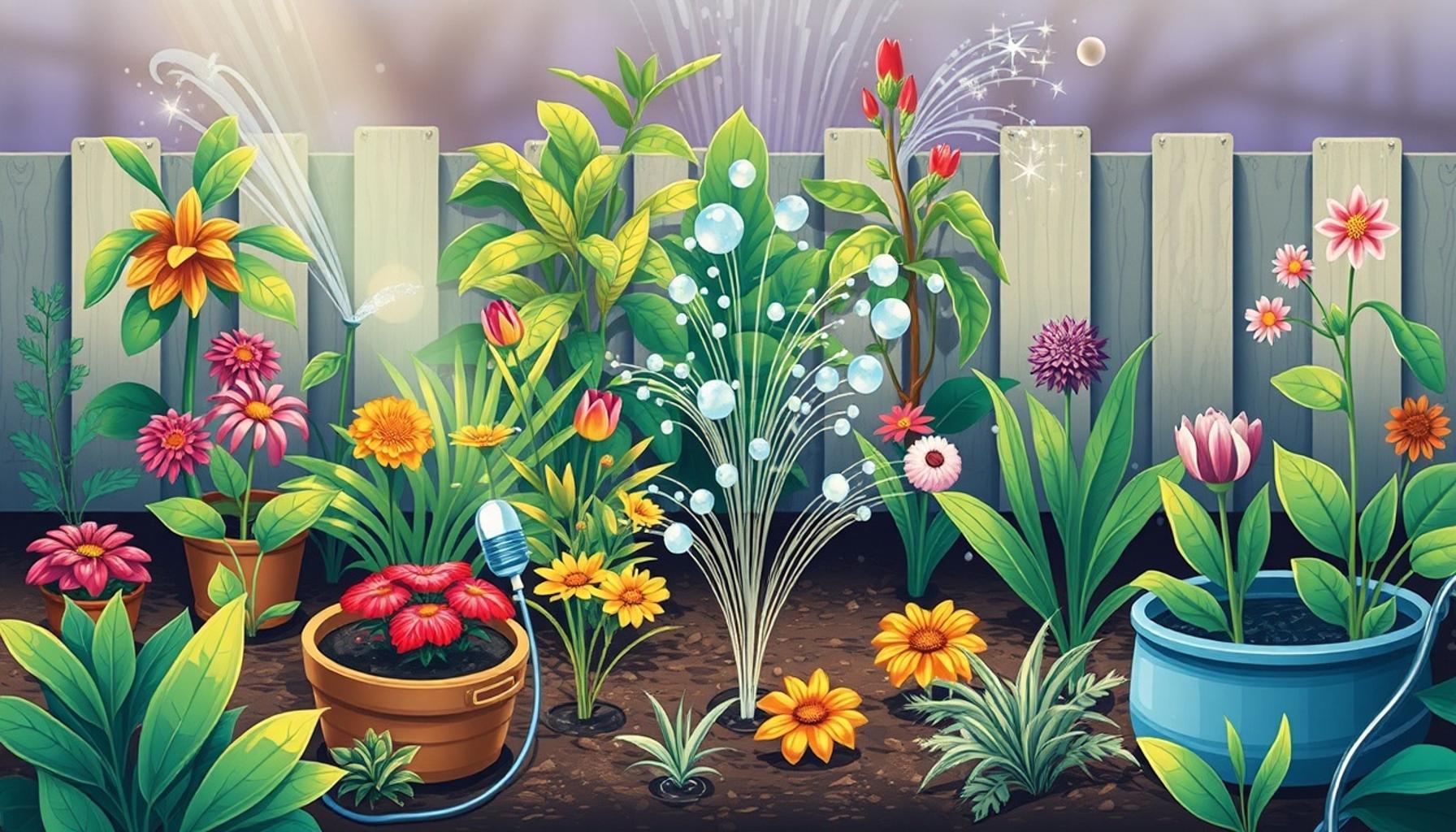
- Drip Irrigation: This method delivers water directly to the root zone through a network of tubing and emitters. It minimizes evaporation and runoff, ensuring that plants receive the moisture they need without waste. For example, vegetable gardens benefit immensely from drip irrigation, as it can provide targeted moisture to each plant.
- Soaker Hoses: These permeable hoses allow water to seep slowly into the soil, making them an excellent choice for flower beds or rows of vegetables. Soaker hoses can be laid out in a way that covers the root zones of multiple plants, promoting even watering and minimizing runoff.
- Rainwater Harvesting: Collecting rainwater is a sustainable solution that conserves resources and reduces water bills. Simple rain barrels can be set up to catch runoff from rooftops, providing a free and environmentally-friendly way to irrigate gardens. This practice not only benefits your plants but also reduces stormwater runoff that can contribute to local flooding.
Investing time in learning proper irrigation techniques not only enhances your gardening experience but also contributes to sustainable gardening practices. Delve deeper into each method and explore innovative solutions that can revolutionize your gardening journey. Whether you’re growing a vegetable patch or nurturing a flower garden, understanding the dynamics of watering can lead to a flourishing landscape that thrives throughout the growing season.
DON’T MISS: Click here for essential gardening tips
Essential Techniques for Successful Irrigation
Understanding how to properly irrigate your garden is a critical step for beginners embarking on their gardening journey. The right techniques not only facilitate optimal plant health but can also save time, resources, and energy in the long run. By adopting proper irrigation strategies, novice gardeners can cultivate a vibrant sanctuary that flourishes throughout the seasons.
Assessing Soil and Water Needs
Before implementing any irrigation system, it is essential to assess both soil type and the specific water needs of your plants. Different soil compositions—such as sandy, clayey, or loamy—have varying capacities for retaining moisture. Sandy soils drain quickly but may require more frequent watering, while clay soils retain water and can lead to pooling if overwatered. Conducting a simple soil moisture test by digging a small hole can provide vital insights into your garden’s hydration needs.
Choosing the Right Timing
Watering at the appropriate times can make all the difference in your garden’s health. Morning hours are typically considered the best time to water, as the heat of the day has not yet intensified, allowing the water to be absorbed efficiently without excessive evaporation. Additionally, watering in the morning reduces the risk of fungal diseases that thrive in moist conditions overnight. Evening irrigation, while convenient, can leave plants too wet overnight, leading to potential issues.
Utilizing Efficient Watering Tools
Investing in the right tools can make irrigation a breeze. Here are some key items to consider:
- Watering Cans: Perfect for small gardens and container plants, watering cans allow you to deliver water directly to the root zones without disrupting the plant soil significantly.
- Garden Hoses: A versatile option that can reach larger areas. Pairing hoses with adjustable nozzles can help customize water flow based on plant type and soil condition.
- Timers: Automated timers can alleviate the pressure of remembering to water. They allow for consistent scheduling, aiding in the development of a strong, healthy garden regime.
Monitoring Your Irrigation Strategy
Constantly evaluating your irrigation methods is vital for fine-tuning your approach. Keep an eye on the health of your plants; yellowing leaves or wilting may indicate issues with water delivery. Utilizing moisture sensors or the simple “finger test” can help you determine when it’s time to water. Stick your finger about an inch into the soil: if it feels dry at that depth, it’s time to reach for the watering can or hose. Regularly testing your techniques enhances both your gardening experience and your plants’ chances of thriving.
Embracing these essential irrigation techniques sets you up for a successful gardening endeavor. As you experiment with different strategies and tools, you’ll gain invaluable practical knowledge that not only ensures the survival of your plants but can ultimately transform your garden into a thriving ecosystem.
The Importance of Proper Irrigation: Essential Techniques for Beginners in Gardening
Proper irrigation is crucial for successful gardening, especially for those just starting their gardening journey. Understanding various irrigation techniques can help ensure your plants receive the right amount of moisture, leading to healthy growth and flourishing blooms. Here, we’ll explore essential methods and their advantages, setting you up for a thriving garden.
| Irrigation Method | Benefits |
|---|---|
| Drip Irrigation | Efficient water delivery directly to plant roots reduces water waste and minimizes evaporation. |
| Soaker Hoses | Even moisture distribution across the garden bed ensures deep soil saturation benefiting plant health. |
| Sprinkler Systems | Adjustable coverage allows for targeted watering, which is excellent for larger garden areas. |
| Rain Barrels | Eco-friendly water collection harnesses natural rainfall, providing a sustainable resource for watering your plants. |
Each of these methods holds significant advantages, making it easier for beginners to adopt efficient gardening practices. Choosing the right technique aligns with the specific needs of your plants and garden layout, allowing for an effective way to manage water resources.
Moreover, understanding how weather patterns and soil types affect irrigation needs can further improve your gardening experience. Regular monitoring of soil moisture and plant responses will teach you when adjustments are necessary, leading to a more productive and rewarding gardening journey. Exploring these essential techniques not only benefits your plants but also contributes to conserving water resources and fostering a more resilient garden ecosystem.
DIVE DEEPER: Click here to learn about crop rotation
Advanced Irrigation Methods to Consider
As beginner gardeners become more comfortable with basic irrigation techniques, exploring advanced methods can further enhance the efficiency of garden watering. These strategies not only conserve water but can also cater to the specific needs of different plant types, ultimately leading to a healthier garden.
Drip Irrigation Systems
One of the most effective irrigation techniques is drip irrigation. This method delivers water directly to the roots of plants through a network of tubing and emitters. Not only does drip irrigation minimize evaporation, but it also reduces water runoff, ensuring that plants receive a steady supply of moisture. According to industry studies, drip systems can save up to 50% more water compared to traditional watering methods. For beginners, starting with simple, customizable kits available at most garden centers can make installation straightforward.
Soaker Hoses: A Practical Alternative
For those looking for an easy, low-maintenance approach, soaker hoses are an excellent choice. These porous hoses allow water to seep out slowly, providing consistent moisture to garden beds. Placing soaker hoses under mulch can prevent evaporation and promote deeper root growth. They are particularly beneficial for larger garden areas or rows of plants, making them an ideal option for vegetable gardens or flower beds that require uniform watering.
Rainwater Harvesting Systems
Embracing sustainability in gardening can be incredibly rewarding, and starting a rainwater harvesting system is a great way for beginners to do so. Collecting rainwater from rooftops using barrels or cisterns not only conserves this precious resource but also provides plants with natural, chemical-free water. Many gardeners across the United States have reported enhancements in plant health and flavor, especially in edibles like tomatoes and squash. Moreover, utilizing rainwater reduces reliance on municipal water systems, leading to lower bills.
Understanding Water Quality
The quality of your water source can significantly impact plant growth. For instance, utilizing tap water often contains chlorine and fluoride, which may not be ideal for sensitive plants. If you are using city water, consider letting it sit out for 24 hours before use to allow chlorine to dissipate. Additionally, conducting water testing for pH and other minerals can help you understand how to tailor your irrigation approach. This can prevent potential issues such as nutrient lockout, commonly experienced in certain pH levels.
Embracing Innovative Technology
As technology continues to evolve, numerous smartphone apps and smart irrigation systems have emerged. These tools can help monitor garden moisture levels and weather predictions, allowing more precise watering schedules. For instance, some systems use sensors that interface with weather data to determine when and how much to water. This innovation can be particularly beneficial in regions prone to drought, as it optimizes water usage while ensuring that plants receive adequate hydration.
Incorporating these advanced irrigation methods can drastically improve a beginner gardener’s experience. By understanding the complexities of different systems and their benefits, novices can develop a sustainable and effective watering routine that supports plant health and conserves water resources.
DISCOVER MORE: Click here to learn the best watering practices
Conclusion
In the realm of gardening, the significance of proper irrigation cannot be overstated. For beginner gardeners, grasping and applying effective irrigation techniques is crucial for creating a thriving garden. Whether one opts for traditional watering methods like handheld hoses and sprinklers, or advanced systems such as drip irrigation and rainwater harvesting, each method brings distinct advantages tailored to meet various plant requirements while promoting ecological sustainability.
For instance, drip irrigation is an efficient technique that delivers water directly to the plant’s roots, reducing evaporation and runoff. This system is particularly beneficial for vegetable gardens and flower beds, allowing for precise control of water delivery. Meanwhile, rainwater harvesting not only conserves municipal water supplies but also makes use of a natural resource. By collecting rainwater in barrels and using it for irrigation, gardeners can reduce their environmental footprint significantly.
Moreover, the adoption of soaker hoses, which allow water to seep out slowly into the soil, can further enhance watering efficiency. These hoses are especially valuable in maintaining consistent moisture levels, which is essential during hot summer months when plants are most susceptible to drought stress. By integrating technology such as smart irrigation systems, which adjust watering schedules based on weather patterns, gardeners can ensure both optimal plant growth and resource conservation.
Additionally, being mindful of water quality plays a vital role in plant health. Using filtered or rainwater can reduce chemical exposure from municipal sources, promoting a healthier garden ecosystem. As new gardeners become adept in these techniques, they are encouraged to explore innovative solutions that fit their unique growing environments. Whether it be experimenting with vertical gardens in urban settings or developing sustainable landscapes in suburban areas, the possibilities are endless.
This journey of discovery not only nurtures the plants themselves but also fosters a deep, enriching connection to the environment. Ultimately, the conscientious practice of proper irrigation can lead to gardens that are both bountiful and sustainable, igniting inspiration in others and contributing to a greener planet. For those ready to embark on this gardening adventure, the insights and techniques discussed provide the essential tools needed to cultivate success in every season.