Mulching: How to Use Soil Cover to Conserve Water in the Garden
Unlocking the Power of Mulching
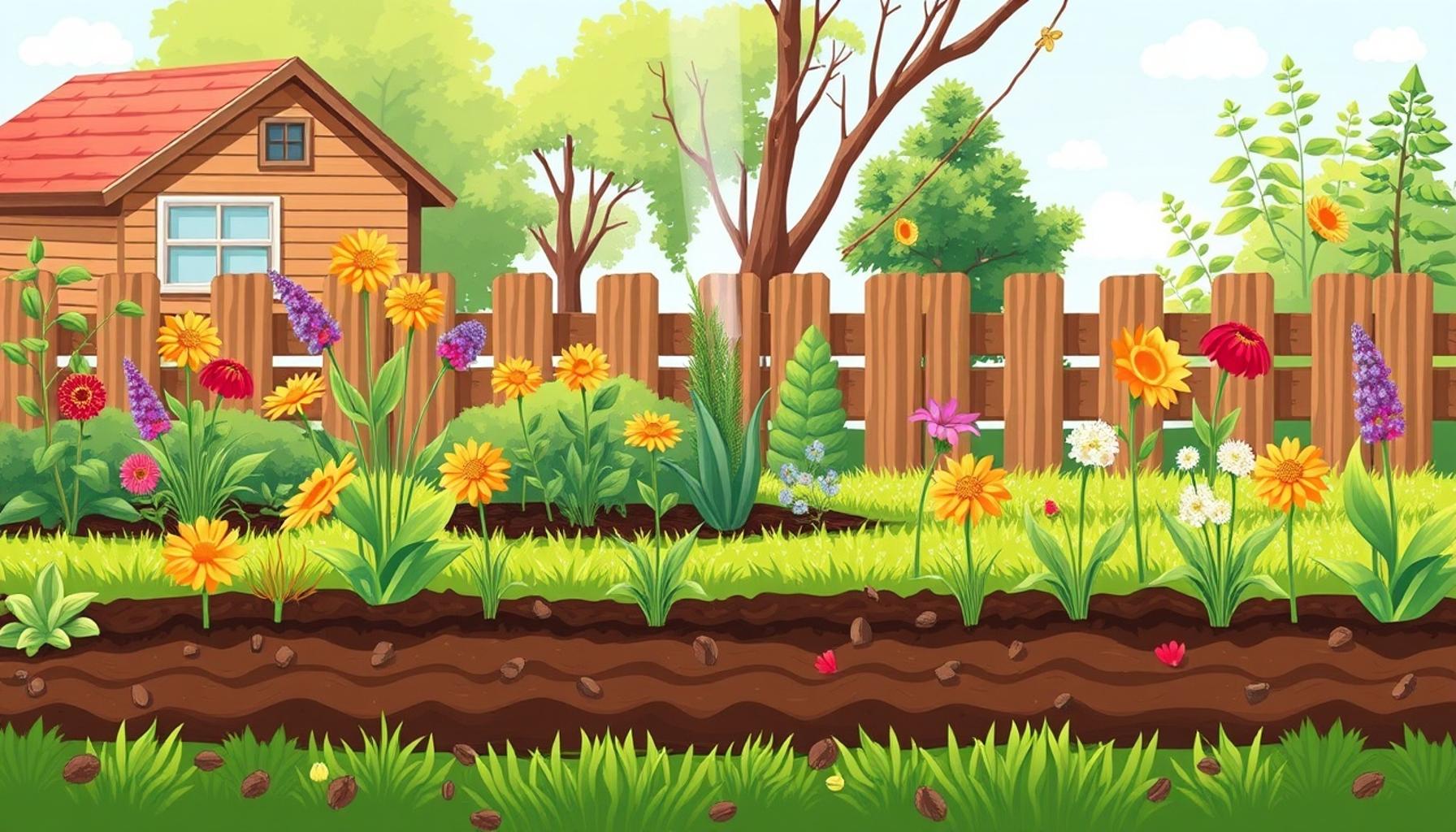
In the realm of gardening, mulching represents a transformative practice that merges functionality with aesthetic appeal. This method entails applying a variety of materials on top of the soil, forming a protective layer that serves multiple purposes. Particularly crucial in regions like the Southwestern United States, where arid conditions predominate, mulching plays a vital role in conserving water, thereby supporting the resilience of plants in harsh climates.
What is Mulching?
At its core, mulching consists of placing organic materials, such as wood chips, straw, or grass clippings, as well as inorganic materials like landscape fabric or gravel, on the soil surface. This simple yet effective technique not only beautifies a garden but promotes a healthier environment for plants. For example, wood chips not only provide a rustic look but also break down over time, enriching the soil with nutrients.
The advantages of mulching are noteworthy:
- Water retention: By reducing soil evaporation, mulch retains moisture for longer periods, which is a game changer during hotter months. In fact, studies show that gardens with a good layer of mulch can retain 30% more moisture than bare soil.
- Weed control: A thick mulch layer inhibits sunlight, thereby preventing weed seeds from germinating. This natural barrier can significantly reduce the amount of time and energy spent on weeding—a common chore among gardeners.
- Soil temperature regulation: Mulch acts as insulation, keeping soil temperatures cooler during the hot summer and warmer during winter, offering a comfortable environment for plant roots.
As awareness grows around environmental sustainability, the use of various types of mulch is gaining attention among homeowners and professional gardeners alike. Adopting these practices not only transforms gardens but also nurtures the surrounding ecosystem.
The Benefits You Can’t Ignore
Integrating mulching techniques can yield significant benefits, making gardening easier and more effective:
- Less frequent watering: With improved moisture retention, gardeners can significantly reduce watering frequency, saving both time and water resources, which is essential in drought-prone areas.
- Healthier plants: Well-mulched gardens often exhibit increased plant growth and higher yields, as the protective layer helps foster beneficial soil microorganisms that contribute to overall plant health.
- Environmental impact: Mulching is an avenue for promoting sustainability, reducing the need for chemical herbicides, and improving soil health naturally.
Exploring the depths of mulching can provide every gardener with effective strategies for thriving plants, even in the face of challenging conditions. From enhancing aesthetic appeal to fostering environmental conservation, mulching truly unlocks the potential of any gardening endeavor.
LEARN MORE: Click here to discover the benefits of mulching
Types of Mulch: Finding the Right Fit for Your Garden
When it comes to mulching, understanding the various types available allows gardeners to make informed choices tailored to their unique needs. Each type of mulch offers distinct benefits that can help in maximizing moisture retention and improving overall soil health. Here’s a closer look at some popular options:
- Organic Mulch: This type is derived from natural materials and includes options like wood chips, straw, bark, and shredded leaves. Organic mulches not only enhance soil fertility as they decompose but also provide essential nutrients to plants. For instance, straw is particularly effective in retaining soil moisture and suppressing weeds, making it a favorite among vegetable gardeners.
- Inorganic Mulch: Comprising non-biodegradable materials such as plastic sheeting, gravel, and landscape fabric, inorganic mulches excel in moisture retention and weed suppression without the need for replenishment. While they do not enrich the soil, they can be very effective in controlling erosion and regulating soil temperature, especially in ornamental gardens.
- Living Mulch: This innovative approach involves planting cover crops or low-growing plants that serve a similar purpose to traditional mulch. Options like clover or creeping thyme can prevent soil erosion and improve water retention while providing habitat for beneficial insects, contributing positively to biodiversity.
The effectiveness of these mulch types can vary based on garden environment, climate, and the specific needs of plants. For example, in areas prone to high winds or heavy rain, larger, heavier materials like wood chips may stay in place better than lighter mulches, ensuring that moisture retention is optimized throughout challenging weather conditions.
Applying Mulch Effectively
Proper application of mulch is crucial to achieving its full benefits. Here are some essential tips to ensure your mulch does its job effectively:
- Layer Thickness: Aim for a layer of mulch that is at least 2 to 4 inches thick. This depth effectively suppresses weeds while allowing moisture to permeate the soil. However, too thick a layer may hinder water absorption, so balance is key.
- Moisture Management: Before applying mulch, ensure that the soil is adequately moist. This approach helps the mulch work more effectively in retaining that moisture. After application, check periodically to maintain optimal moisture levels.
- Awareness of Plant Needs: Different plants have varying moisture requirements. It’s essential to adjust your mulch layering technique based on the specific needs of your garden’s flora. For example, succulents may require less moisture retention than vegetables, influencing your choice of mulch and application strategy.
Armed with knowledge about mulch types and application techniques, gardeners can take significant strides toward conserving water in their gardens. Implementing effective mulching practices not only promotes plant health but also supports the broader goal of sustainability, reinforcing the importance of each gardener’s role in conserving our precious resources.
Benefits of Mulching for Water Conservation
Mulching has gained popularity among gardeners and agriculturalists as a highly effective method for conserving water. In this section, we’ll explore how mulching enhances water usage in gardens, and the substantial advantages it offers in maintaining healthy soil.One of the primary benefits of using mulch is its ability to significantly reduce evaporation. When the soil is covered with organic or inorganic materials, the moisture content remains higher, limiting water loss to the atmosphere. This is particularly crucial during hot summer months when plants are susceptible to drought stress. Furthermore, implementing mulching can alleviate the need for frequent watering, saving both time and resources.In addition to conserving water, mulching provides a protective layer for the soil. It helps in maintaining a consistent temperature in the root zone, preventing fluctuations that can be harmful to plants. Cooler soil conditions can facilitate better root growth and nutrient absorption, ultimately leading to healthier plants.Mulching also suppresses weeds, which compete for moisture and nutrients. By blocking sunlight, mulch diminishes the chances of weed seeds germinating, thereby reducing the amount of water these unwanted plants would otherwise consume. This means that your desirable plants can thrive with less competition, making mulching an eco-friendly strategy for promoting biodiversity in the garden.Lastly, organic mulches contribute to soil health as they decompose over time, enriching the soil with essential nutrients. This process supports microbial life and enhances soil structure, leading to improved water infiltration and retention. By incorporating a mulching strategy, gardeners can directly contribute to a sustainable practice that promotes water conservation and overall environmental health.
Further Exploration
If you’re intrigued by the benefits of mulching and how it can transform your gardening practices, consider experimenting with different types of mulch suitable for your climate and gardening goals. From straw and wood chips to biodegradable options, the choices available offer an array of possibilities to optimize your garden’s health and efficiency.
| Mulch Type | Benefits |
|---|---|
| Organic Mulch | Enhances soil structure, adds nutrients, and retains moisture. |
| Inorganic Mulch | Long-lasting, reduces weed growth, and reflects heat. |
As you delve into the world of mulching, remember that the right approach can make a world of difference in water conservation and garden health. Embrace the art of mulching and witness its remarkable effects first-hand.
DISCOVER MORE: Click here to find out which plants are best for your garden
Benefits of Mulching: Beyond Water Conservation
While water conservation is a compelling reason to implement mulching, the benefits extend far beyond merely keeping the soil moist. Understanding these additional advantages can inspire gardeners to incorporate mulching techniques into their gardening routine effectively. Here are some compelling reasons to consider mulching in your garden:
- Weed Suppression: One of the most immediate benefits of adding mulch is its ability to choke out unwanted weeds. By creating a barrier that limits sunlight, mulch significantly reduces weed germination. This means less time spent pulling pesky weeds and more time enjoying a thriving garden.
- Soil Temperature Regulation: Mulch acts as a thermal blanket for the soil, helping to moderate temperature fluctuations. In the winter, it keeps the soil warm, while in the summer, it cools it down. This is particularly beneficial for plant roots, which prefer consistent temperatures. For instance, applying mulch can prevent root damage during extreme temperature swings, ensuring healthy growth.
- Enhanced Soil Structure: As organic mulches decompose, they contribute essential nutrients back into the soil, enhancing its structure and fertility. This gradual decomposition process aids microbial activity, which is vital for soil health. Healthy soil supports robust plant growth, making your garden more resilient to pests and diseases.
- Reduced Soil Erosion: In areas prone to heavy rainfall or on sloped landscapes, mulch acts as a protective layer that reduces soil erosion. It helps prevent runoff, allowing water to penetrate the soil rather than washing away vital nutrients. For gardeners in hilly regions, applying mulch can be an invaluable practice to maintain soil integrity.
Choosing the Right Mulch for Different Plants
Different plants respond uniquely to various mulch types, and understanding these nuances can lead to better plant health. Here are some guidelines to consider when selecting mulch based on specific plant types:
- Vegetable Gardens: Organic mulches like straw or shredded leaves work beautifully in vegetable gardens. They not only retain moisture but also suppress weeds, which can compete with crops for water and nutrients.
- Perennials and Shrubs: For these longer-lived plants, wood chips or bark create a climate-friendly habitat that nourishes the soil over time. As they decompose, they provide continuous benefits to root systems without frequent replacement.
- Flower Beds: When landscaping with flowers, consider using colored mulch or fine mulch variants for aesthetic appeal while still offering the moisture retention benefits that flowers thrive on. These types can aesthetically enhance the garden while providing the necessary soil cover.
- Containers and Raised Beds: Use lighter materials such as straw or shredded paper in container gardens. These options help regulate moisture without adding excessive weight to the pots, which can strain roots.
As you explore your mulching options, engage with local gardening communities or extension services to uncover what works best in your specific region. Different climates across the United States, from arid deserts to humid coasts, can influence the effectiveness of mulch, making personalized advice invaluable.
With the right knowledge and tools, gardeners can leverage mulch to create healthier, more sustainable gardens. Embracing mulching practices not only benefits individual plants but contributes to wider environmental sustainability efforts, promoting a harmonious garden ecosystem.
DISCOVER MORE: Click here for eco-friendly pest control tips
Concluding Thoughts on Mulching for Water Conservation in the Garden
In summary, mulching emerges as an indispensable technique for any gardener seeking to optimize water conservation while promoting a healthy, thriving garden ecosystem. This practice not only serves to retain moisture in the soil, but it also yields a multitude of additional benefits that can enhance overall plant health and garden vitality. From weed suppression to soil temperature regulation, and improved soil structure, the advantages of mulching are plentiful and often interlinked.
Choosing the right type of mulch tailored to specific plants can amplify these benefits even further, ensuring that you foster the best possible environment for your garden. Whether you utilize organic options like straw, wood chips, or decorative mulches, the right choice can lead to healthier plants and more resilient landscapes.
As you embark on your mulching journey, don’t hesitate to tap into local gardening resources and communities. With varying climate conditions across the United States, from arid regions to temperate zones, local experts can provide valuable insights to tailor your mulching strategies effectively.
Ultimately, mulching is more than just a gardening chore; it is a sustainable practice that aligns with environmental stewardship. By adopting effective mulching techniques, not only do you conserve water, but you also contribute to healthy soil, vibrant plants, and a more sustainable future for gardening enthusiasts everywhere. Embrace the power of mulch and watch your garden flourish.