Irrigation Techniques for Small Space Gardens: Creative Solutions for Urban Environments
Innovative Irrigation Techniques for Urban Gardening
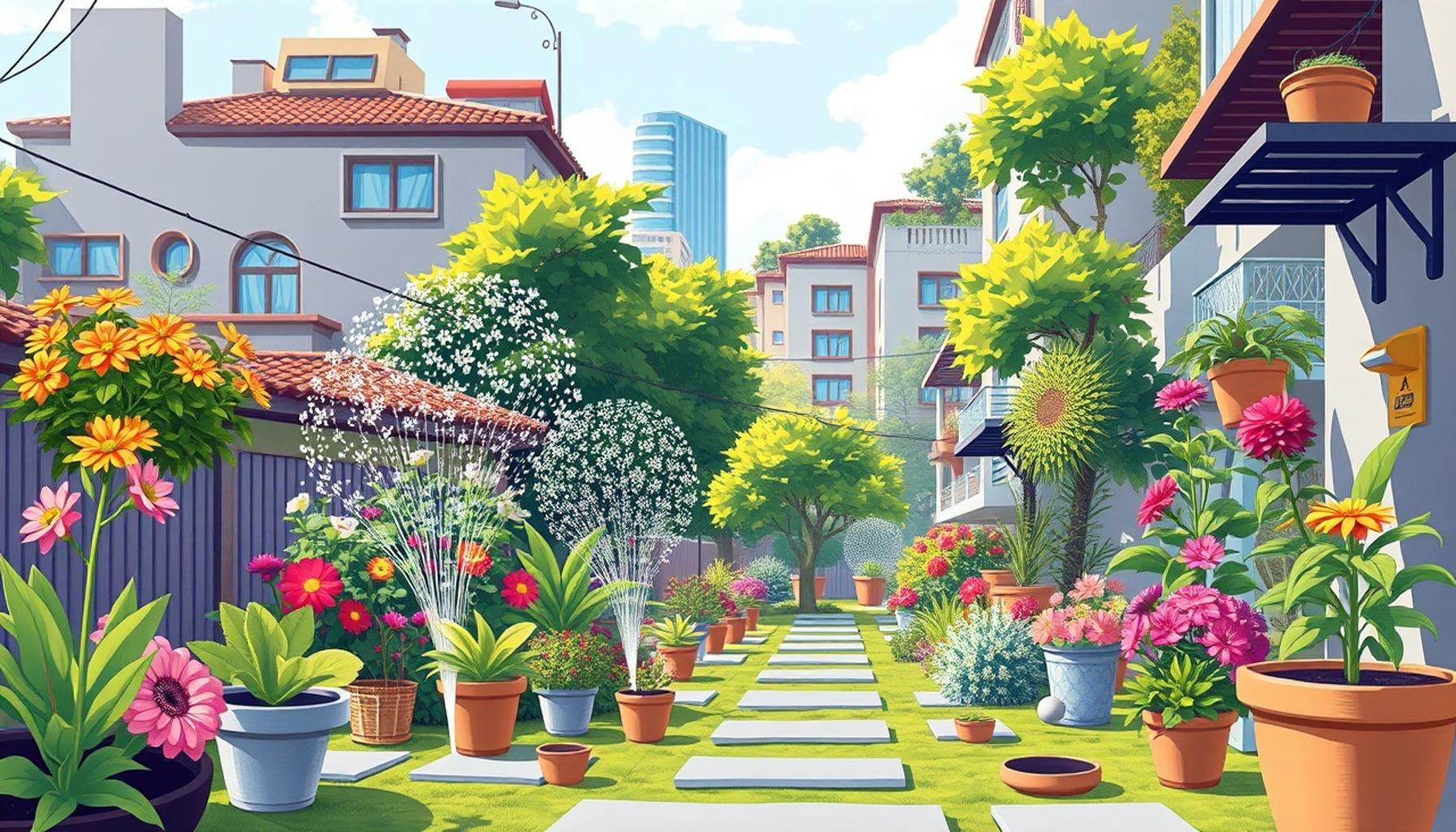
The charm of urban gardening lies in its ability to transform sparse city landscapes into flourishing ecosystems. As urban populations swell and green space dwindles, many city dwellers are seizing the opportunity to cultivate gardens in balconies, rooftops, and community plots. However, with limited space comes the challenge of efficient water management, making it imperative for gardeners to explore creative irrigation techniques that optimize water use and ensure that plants flourish even in small areas.
One of the most effective methods being adopted is drip irrigation. This technique involves a network of tubing that delivers water directly to the roots of plants, minimizing waste and maximizing absorption. For instance, in a compact urban garden, drip irrigation can dramatically reduce the volume of water required, making it an excellent choice for both vegetables and ornamental plants. By investing in drip emitters, gardeners can tailor the watering process to suit particular plants’ needs, ensuring that each plant receives just the right amount of moisture.
Another innovative approach is the use of self-watering containers. For the busy urbanite with limited time, these pots feature a built-in reservoir that allows plants to absorb moisture as needed. This not only guarantees consistent hydration but also helps to prevent overwatering, a common pitfall for many gardeners. For example, community gardens in cities like New York and Los Angeles have successfully utilized self-watering systems to maintain their plots while accommodating hectic schedules.
Additionally, rainwater harvesting has gained traction as a sustainable practice in urban gardening. By capturing and storing rainwater from rooftops or other surfaces, gardeners can not only conserve potable water but also provide their plants with natural, chemical-free moisture. An example of this can be seen in Oakland, where residents are encouraged to install rain barrels to collect and reuse rainwater for their gardens, thereby promoting an environmentally friendly approach to urban horticulture.
Each of these techniques affords unique benefits like water conservation, reduced evaporation, and customized watering schedules tailored to specific plant types. The implementation of such strategies not only enhances the growth and yield of urban gardens but also plays a crucial role in advancing environmental sustainability within crowded metropolitan areas.
As cities continue to evolve, so too do the methods of urban gardening. By integrating effective irrigation techniques, anyone can transform a small garden space into a vibrant green sanctuary, providing a much-needed respite from the concrete jungle. The excitement surrounding urban gardening is not just about growing food; it’s about cultivating community and contributing to a healthier, more sustainable urban environment.
LEARN MORE: Click here to discover the best tips for choosing succulents</
Maximizing Water Efficiency in Urban Gardens
For urban gardeners, the challenge of water scarcity is all too real, and addressing it through innovative solutions is paramount. Irrigation techniques for small space gardens are evolving as residents gravitate toward more environmentally friendly practices. By adopting smart watering techniques, gardeners can ensure that their limited resources provide maximum impact. Here are some creative methods that are gaining popularity in urban environments:
- Soaker Hoses: These porous hoses allow water to seep out slowly along their length, providing a gentle soak to plants’ root zones. Perfect for rows of vegetables or flower beds, soaker hoses minimize evaporation and can be connected to a timer for precision watering.
- Wicking Beds: This unique gardening technique involves creating beds that utilize capillary action to draw water from a reservoir below. Gardeners can fill the bottom layer with water and allow plants to absorb moisture through wicking material such as fabric or sand. This not only conserves water but also prevents root rot.
- Mulching: While not an irrigation technique per se, utilizing organic materials like wood chips, straw, or grass clippings as mulch can help retain soil moisture and suppress weeds. Effective mulching minimizes the amount of water required and enhances the overall health of the garden.
- Container Gardening: Growing plants in containers can be advantageous in urban settings, especially when combined with a self-watering system. Containers allow gardeners to manage water levels better and tailor the soil mix to suit the type of plants being grown.
Urban gardeners are increasingly aware of the risks of overwatering, which can lead to wasted water resources and unhealthy plant growth. The incorporation of moisture sensors is another trend gaining traction; these devices monitor the soil’s moisture level, automatically adjusting watering schedules to meet plants’ needs. In metropolitan areas where water regulations may become more stringent, such technologies can significantly alleviate the concerns of sustainability.
Moreover, urban gardeners are realizing the importance of timing when it comes to watering. Early morning or late afternoon watering aids in preventing evaporation, ensuring that precious water reaches its intended destination. This practice allows plants to absorb moisture while also reducing water waste—a vital consideration in places like California and Texas, where drought conditions can be severe.
As we delve into the many irrigation techniques available, it becomes clear that mastering water management is essential for the success of small space gardens. By integrating a variety of methods, urban gardeners can create a diverse and resilient ecosystem, ultimately contributing to the overall greenery of our cities. As these practices begin to gain attention, they pave the way for more sustainable urban living, urging an exploration of the balance between nature and urban development.
Irrigation Techniques for Small Space Gardens: Creative Solutions for Urban Environments
Urban gardening presents a unique set of challenges, particularly when it comes to water management. Limited space often translates to limited resources, making efficient irrigation essential. In this section, we will explore innovative irrigation techniques tailored for small space gardens, which are not only practical but also sustainable.
| Irrigation Method | Advantages |
|---|---|
| Drip Irrigation | Delivers water directly to the root zone, conserving H2O while minimizing evaporation. |
| Self-Watering Containers | Reduces the frequency of watering and maintains consistent moisture levels, ideal for busy urban gardeners. |
One of the most effective methods for irrigation in small space gardens is drip irrigation. This technique involves the use of a system of tubes and emitters that release water slowly and directly to the roots of plants. The advantages of drip irrigation extend beyond mere water conservation; it also helps reduce weed growth, as only the targeted area receives moisture. Moreover, this method minimizes evaporation, ensuring that your plants receive the hydration they need without wasting water.
Another excellent solution for urban gardeners is the use of self-watering containers. Designed to maintain a steady supply of water, these containers feature a reservoir that allows plants to hydrate themselves as needed. This is particularly beneficial for individuals with limited time, as it lessens the burden of daily watering chores while providing plants with consistent moisture levels. These containers not only optimize water usage but also promote healthier plant growth, making them an innovative choice for any small space garden.
Implementing these irrigation techniques can significantly enhance your urban gardening experience, ensuring that your plants thrive while keeping water consumption at a minimum.
DISCOVER MORE: Click here to learn how to choose the perfect succulents</
The Role of Technology in Modern Irrigation
As urban gardening continues to gain momentum, the intersection of technology and irrigation is creating new opportunities for optimizing water usage in small spaces. With innovative solutions emerging regularly, urban gardeners have access to an array of tools that can help enhance irrigation efficiency. Smart irrigation systems are at the forefront of this technological revolution, transforming traditional watering methods into high-tech solutions that meet the diverse needs of city dwellers.
- Drip Irrigation Systems: A staple for many urban gardeners, drip irrigation delivers water directly to the roots of plants through a network of tubing and emitters. This system not only conserves water by targeting the root zone but also minimizes weed growth, as moisture is concentrated where it’s needed most. Many drip irrigation kits are modular and can be easily adapted for container gardens, vertical spaces, or small plots.
- Automated Timers: The integration of timers with irrigation systems allows for precise control over watering schedules. Gardeners can program their systems to operate during early morning or late evening hours, maximizing efficiency while minimizing evaporation loss. Certain timers even come equipped with weather-based sensors to adjust watering based on rainfall, offering an additional layer of sophisticated control.
- Mobile Apps: Several applications now specifically cater to urban gardeners, providing reminders for watering and tips on moisture levels based on real-time weather updates. Some apps even connect to smart irrigation systems, allowing for adjustments on-the-go via a smartphone interface, making it easier for those with busy urban lives to maintain their landscapes.
The allure of technology is not limited to function; it also plays a crucial role in education. Many urban gardeners are learning about the benefits of rainwater harvesting, which can be achieved by setting up barrels or collection systems in conjunction with existing irrigation methods. Rain barrels can capture stormwater runoff, reducing the demand on municipal systems while providing a sustainable water source for gardens. In fact, cities like San Francisco have initiated programs to encourage rainwater collection, showcasing a community commitment to sustainable practices.
As we look closer at these solutions, it’s essential to consider the sustainability of our choices. For instance, permaculture practices are increasingly being integrated into small space gardens, focusing on creating self-sustaining ecosystems that further reduce the reliance on artificial irrigation. Techniques such as swales and terraces help manage water runoff effectively, while also allowing for better rainwater infiltration into the soil. This approach aligns with the principles of urban resilience, as it strives to create gardens that are more adaptive to changing climate conditions.
Furthermore, vertical gardens or green walls are another innovation gaining traction in urban spaces. Utilizing multi-level structures not only maximizes space but also allows for inventive irrigation solutions, such as vertical drip systems that cascade water down different layers. By enhancing the aesthetic appeal of urban environments, these systems can inspire more individuals to embrace gardening, leading to increased urban greenery on a larger scale.
The exploration of these cutting-edge irrigation techniques highlights the evolving landscape of urban gardening. As gardeners adapt to the challenges of small spaces and rising environmental concerns, the combination of creativity and technology presents exciting possibilities. With each innovative solution, urban communities move closer to achieving a balance between urban living and sustainable practices, resulting in healthier, greener cities.
DIVE DEEPER: Click here to uncover essential mulching techniques
Conclusion
In conclusion, the innovative irrigation techniques available today are revolutionizing the way urban gardeners approach the challenges of small space gardening. By embracing solutions such as drip irrigation systems, automated timers, and mobile applications, city dwellers can maximize water efficiency, enhance plant growth, and contribute to a more sustainable future. These creative methods not only conserve resources but also empower urbanites to cultivate lush, productive gardens amid the concrete jungle.
Moreover, the integration of sustainable practices like rainwater harvesting, permaculture principles, and innovative vertical gardening techniques underscores the importance of resilience in urban environments. As we navigate the effects of climate change and urban density, these methods provide critical pathways for individuals to reclaim green spaces and promote biodiversity within their cities.
Ultimately, as technology continues to advance and awareness of sustainable practices grows, the potential for urban gardening will expand even further. The journey to transforming our cities into greener, more livable spaces hinges on the dedication of gardeners, communities, and policymakers alike. By exploring these diverse irrigation solutions, we can collectively nurture not only our gardens but also our environment, paving the way for healthier, more sustainable urban ecosystems. It is an invitation for everyone, from seasoned gardeners to budding enthusiasts, to dig deeper into the world of urban agriculture and discover the myriad possibilities awaiting in small spaces.