Sustainable Irrigation Techniques: How to Save Water and Protect the Environment in Your Garden
Understanding the Need for Efficient Water Use
As we face the growing impact of climate change and a shifting environment, the significance of efficient water use in our gardens cannot be overstated. With a global water crisis looming in many regions, including parts of the United States suffering from prolonged droughts, embracing sustainable irrigation techniques has transitioned from a choice to a necessity. These practices not only conserve valuable water resources but also enrich the ecosystems that we depend on.
Implementing smart irrigation strategies in gardening can lead to remarkable benefits for both the gardener and the broader environment. For instance:
- Water savings: Techniques such as drip irrigation can significantly decrease water usage, allowing gardeners to maintain lush, thriving landscapes without exhausting local water supplies.
- Soil preservation: By adopting mindful watering practices, we can prevent soil erosion and nutrient depletion, ensuring that our gardens remain fertile and productive for years to come.
- Wildlife support: Thoughtfully designed gardens can become sanctuaries for local wildlife, promoting biodiversity by offering habitats for pollinators, birds, and beneficial insects.
Despite water covering close to 70% of Earth’s surface, only approximately 2.5% is freshwater, with a mere fraction suitable for gardening and agriculture. Consequently, adopting sustainable methods is crucial for safeguarding this limited yet vital resource.
Water-Saving Methods for the Savvy Gardener
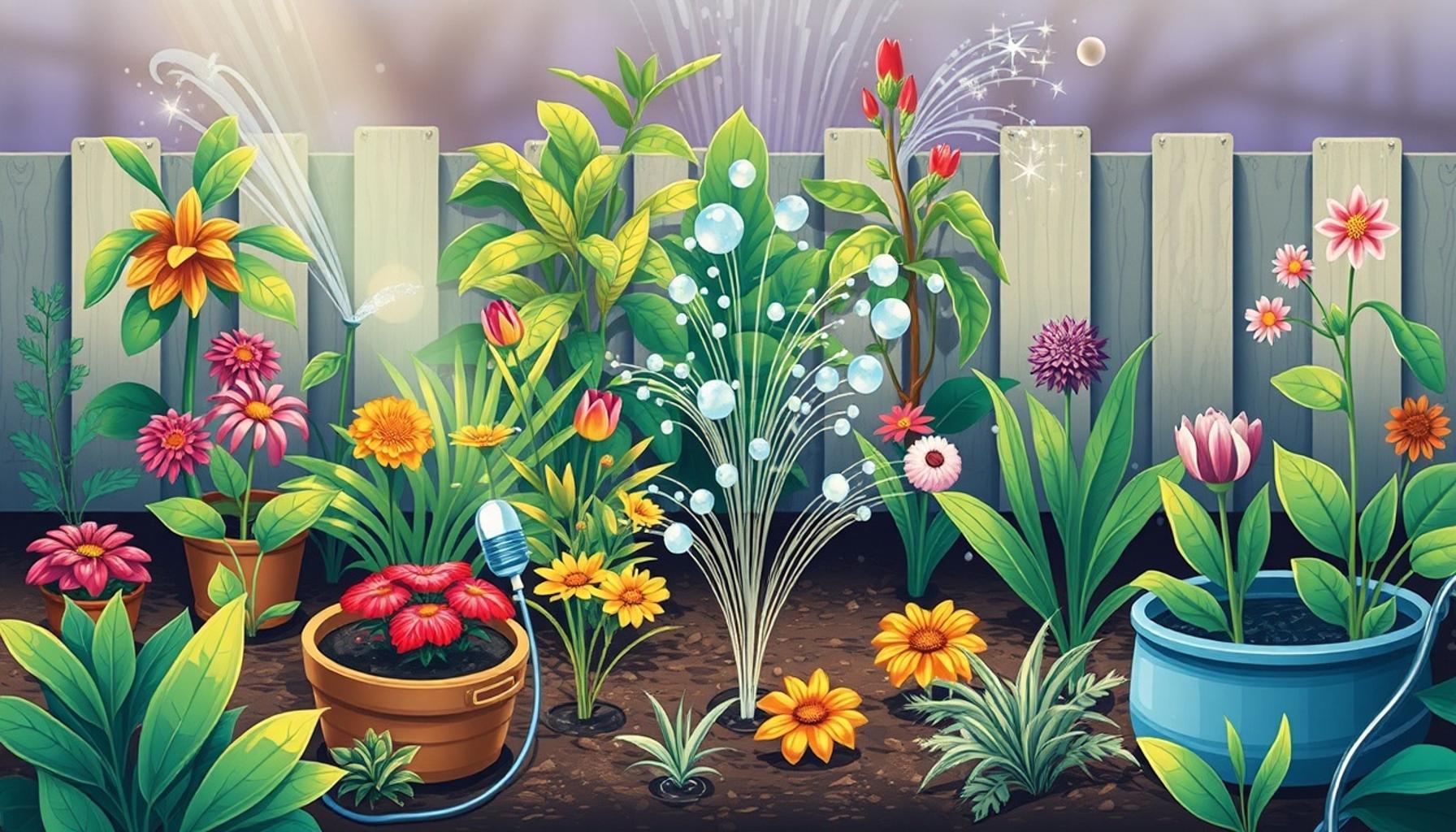
For gardeners eager to minimize water usage while nurturing their plant life, several innovative methods are available:
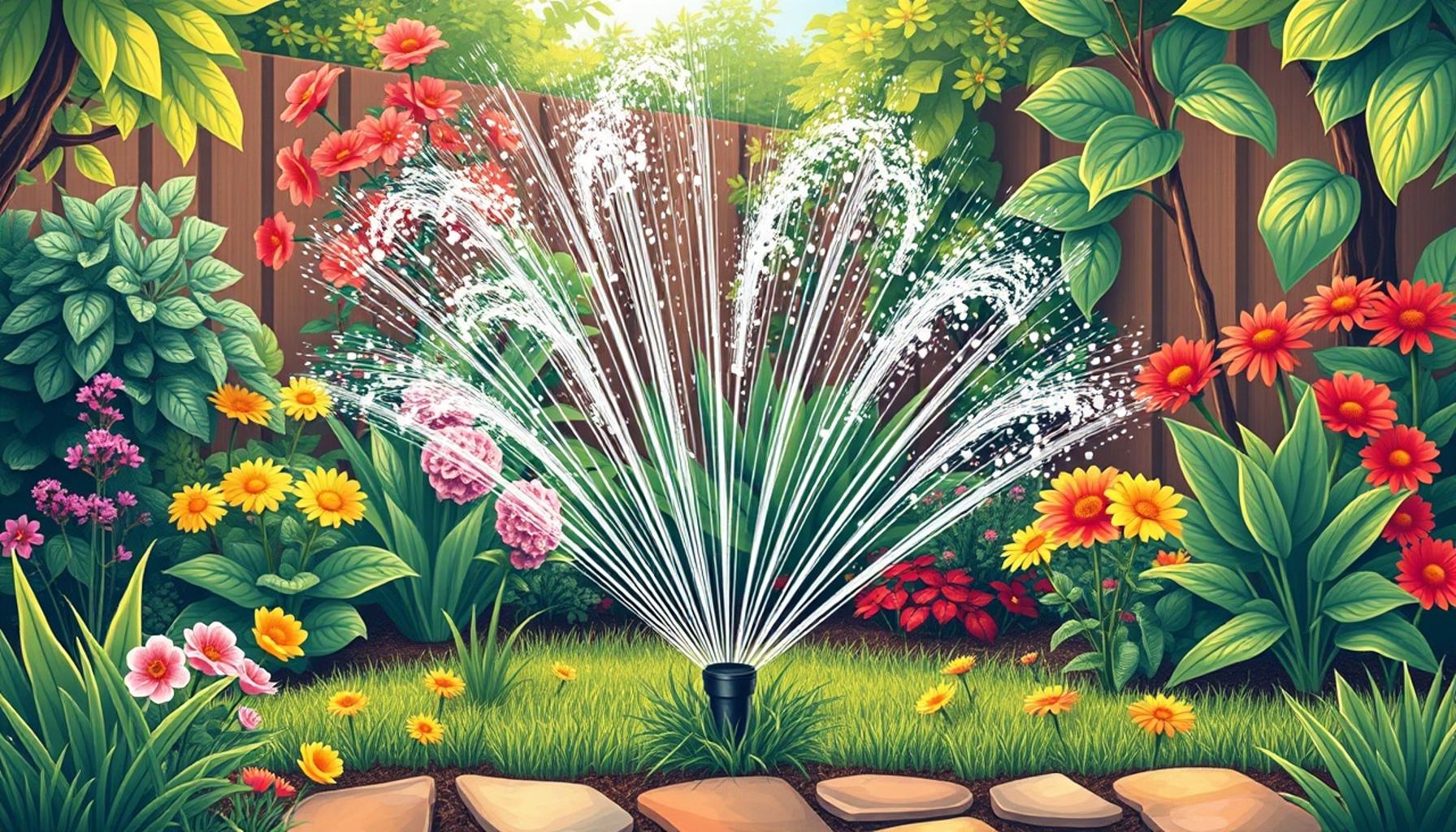
- Drip irrigation: By delivering water directly to the base of each plant, drip irrigation minimizes evaporation and runoff. This system can reduce water use by 30-50% compared to traditional spraying methods, making it ideal for arid climates.
- Rainwater harvesting: Collecting rainwater through barrels or cisterns allows gardeners to utilize natural precipitation instead of relying solely on municipal water systems. This not only saves money but also helps to reduce stormwater runoff, contributing to healthier local watersheds.
- Mulching: Adding organic materials such as wood chips or straw around plants serves to insulate the soil, minimizing evaporation and keeping roots cool. A well-mulched garden can retain moisture longer and require less frequent watering.
Exploring these sustainable practices unveils diverse possibilities not only to diminish water consumption but also to foster a nurturing relationship with our environment. By selecting methods that align with ecological integrity, gardeners from urban settings to rural landscapes can cultivate productive gardens while contributing positively to the health of our planet. Whether you’re tending to a few pots on a balcony or managing a sprawling vegetable patch, integrating these strategies could lead to thriving plants and a more sustainable future. Discover how your garden can flourish while being a steward of our essential water resources.
DISCOVER MORE: Click here to learn about soil pH and plant growth
Water-Saving Methods for the Savvy Gardener
For gardeners eager to minimize water usage while nurturing their plant life, several innovative methods are available that align with the principles of sustainability. Embracing these techniques not only aids in water preservation but also enhances the overall health of your garden ecosystem. Below are some noteworthy approaches:
- Drip Irrigation: This method ensures that water is delivered directly to the roots of plants, significantly reducing evaporation and runoff. By replacing conventional watering techniques that often waste water, drip irrigation systems can cut water usage by an impressive 30-50%. In areas facing water scarcity, like California and the Southwest, utilizing drip irrigation can create a dramatic impact. For example, farmers who have transitioned to drip systems report much healthier crops with reduced water bills, showcasing a sustainable yet productive approach to agriculture.
- Rainwater Harvesting: Capturing rainwater is an excellent way for gardeners to utilize natural precipitation. With the installation of rain barrels or larger cisterns, gardeners can collect substantial amounts of water during rainy seasons. As a case in point, an average 1,000 square foot roof can yield around 600 gallons of rainwater for every inch of rainfall. Utilizing this water during dry spells not only conserves treated municipal water but also contributes to lower water bills and decreases stormwater runoff, which can lead to healthier local waterways.
- Soil Moisture Sensors: Equipped with advanced technology, soil moisture sensors can measure the water content in the soil and provide real-time feedback. These sensors are particularly beneficial for avid gardeners who want to maximize their efforts without unnecessary waste. By watering their plants only when necessary, gardeners can avoid over-watering and conserve water. Some sensors even connect to smart irrigation systems, making it easy to automate and enhance efficiency, aligning modern technology with eco-friendly practices.
- Mulching: Adding a layer of organic material around plants is a simple yet effective way to maintain soil moisture. Mulching not only prevents water evaporation but also moderates soil temperature and suppresses weed growth. Materials such as wood chips, straw, or shredded leaves can easily be sourced locally, providing an eco-friendly option. For instance, a thick layer of mulch can reduce soil temperature fluctuation, creating a stable environment where plant roots can thrive, ultimately leading to more vibrant and resilient gardens.
Exploring these sustainable practices unveils diverse possibilities not only to diminish water consumption but also to foster a nurturing relationship with our environment. By selecting methods that align with ecological integrity, gardeners from urban settings to rural landscapes can cultivate productive gardens while contributing positively to the health of our planet. Whether you’re tending to a few pots on a balcony or managing a sprawling vegetable patch, integrating these strategies could lead to thriving plants and a more sustainable future.
Moreover, adopting these water-saving techniques can serve as a foundation for community efforts. Neighborhood gardening cooperatives or urban farming initiatives can substantially benefit from collective water conservation strategies, encouraging residents to come together and share resources. Gardeners can also engage in workshops or forums to share experiences and improve techniques, creating a ripple effect of ecological consciousness that extends beyond individual gardens.
Ultimately, consider your garden not just as a patch of greenery, but as an essential part of the ecosystem. By utilizing these innovative methods, you can become a steward of water resources and exemplify what it means to be a savvy gardener in the 21st century.
Sustainable Irrigation Techniques for Your Garden
Sustainable irrigation techniques are crucial for not only conserving water but also for promoting the overall health of your garden. These methods can significantly reduce water waste and ensure that plants receive the hydration they need to flourish. Let’s explore some innovative and effective irrigation strategies that can transform any garden into an eco-friendly oasis.
Drip Irrigation: Precision Watering
One of the most efficient methods of irrigation is drip irrigation. This technique delivers water directly to the root zone of plants using a network of tubes, pipes, and emitters. By minimizing evaporation and runoff, drip irrigation can save up to 50% more water compared to traditional sprinklers. Additionally, it aids in reducing weed growth, as the soil surrounding plants remains drier.
Rainwater Harvesting: Nature’s Gift
Another sustainable method is rainwater harvesting. Collecting rainwater from rooftops and directing it into barrels or cisterns provides a natural water source for irrigation. This practice not only conserves water resources but also helps in reducing runoff and erosion in your garden. Utilizing rainwater in dry months ensures that your plants remain healthy while also promoting environmental protection.
Soil Moisture Sensors: Smart Irrigation
The advent of technology has led to the development of soil moisture sensors, which can significantly enhance irrigation efficiency. These devices measure the moisture levels in the soil and provide real-time data, allowing gardeners to automate watering schedules. By ensuring that you only water when necessary, these sensors save water and enhance plant health.
Benefits of Sustainable Irrigation
By implementing these sustainable irrigation techniques, gardeners can enjoy multiple benefits, including decreased water bills and improved plant health. More importantly, employing environmentally friendly practices protects local ecosystems and preserves the quality of groundwater. Implementing these methods fosters a greater connection with nature, encouraging communities to embrace sustainable landscaping.For those looking to delve deeper into these practices, it’s worthwhile to explore local gardening clubs or workshops that focus on sustainable gardening techniques. The knowledge and experiences shared within these communities can inspire further innovation and commitment to water conservation.
DISCOVER MORE: Click here to enhance your gardening skills
Integrating Sustainable Practices into Your Gardening Routine
Incorporating sustainable irrigation techniques into your gardening routine is an effective way to enhance water efficiency while fostering an environmentally-friendly approach to plant care. Beyond the previously discussed methods, there are various additional strategies that can transform your garden into a model of sustainability. Here are several more practices to consider:
- Native Planting: Choosing to plant native species can significantly reduce water requirements. Native plants are adapted to the local climate and soils, often requiring less water and fertilizer compared to exotic species. For example, the California poppy, which thrives in arid conditions, requires minimal irrigation once established. By prioritizing native flora, gardeners not only conserve water but also provide essential habitats for local wildlife, promoting biodiversity within the garden ecosystem.
- Companion Planting: This method involves growing different plants side by side for mutual benefit. Certain combinations can enhance water efficiency and soil health. For instance, planting legumes such as beans with other crops can improve soil nitrogen levels, often reducing the need for additional watering or fertilization. By understanding plant relationships, gardeners can create a more self-sustaining environment that requires less resource input.
- Water-Efficient Landscaping: Landscape design plays a key role in sustainable gardening. Implementing xeriscaping, which focuses on low-water-demand plants and landscaping techniques, can minimize irrigation needs. Features like rock gardens, gravel pathways, and drought-resistant turf can enhance beauty while drastically cutting down on water usage. Furthermore, creating zones in your garden where water-sensitive plants are grouped together aids in more targeted irrigation, thus conserving resources.
- Adaptive Watering Techniques: Adjusting the timing of your watering can lead to significant water savings. Watering early in the morning or late in the evening can help reduce evaporation losses during the heat of the day. Moreover, using techniques like “deep watering” encourages deep root growth, which allows plants to access moisture from deeper soil layers rather than relying solely on surface watering. This method not only uses water more effectively but also makes plants more resilient to drought conditions.
Beyond the individual gardener’s efforts, community-wide initiatives can amplify these sustainable irrigation techniques. Establishing local programs that promote water conservation education can empower residents to adopt similar practices in their own backyards. Urban areas, in particular, can benefit from cohesive strategies such as green roofs and bioswales designed to absorb and manage rainfall, making neighborhoods more resilient to storms while saving precious water resources.
Homeowners can also leverage technology to monitor and improve their water usage through smart irrigation controllers that intelligently adjust watering schedules based on current weather forecasts. By connecting these devices to weather stations or using smartphone applications, gardeners can ensure their plants receive only the water they need, thus saving both water and costs associated with excessive irrigation.
The opportunity for a sustainable shift in agricultural and gardening practices lies not only with the individual but also within the community, technological advancements, and local ecosystems. Embracing these multifaceted strategies equips gardeners with a robust toolkit for cultivating healthy gardens while being mindful of water conservation and environmental stewardship.
DISCOVER: Click here to learn about mulching techniques
Conclusion: Embracing Sustainable Irrigation for a Greener Future
The journey towards sustainable gardening begins with the conscious choice to adopt sustainable irrigation techniques. By integrating practices such as native planting, companion planting, and water-efficient landscaping, gardeners not only conserve water but also create a resilient ecosystem that thrives with minimal environmental impact. These methods serve as a powerful reminder that even the smallest efforts can lead to significant positive changes in our local and global ecosystems.
As we move forward in an era marked by heightened awareness of water scarcity and climate change, it becomes increasingly essential for individuals to participate in sustainable practices that prioritize resource conservation. Utilizing adaptive watering techniques along with modern technology, such as smart irrigation controllers, can further optimize water usage, ensuring that gardens flourish while safeguarding our water supplies. By making informed decisions, homeowners can effectively balance beauty and sustainability within their outdoor spaces.
Moreover, the shift towards sustainable gardening is not merely a personal endeavor; it is a collective responsibility. Communities that band together to promote water conservation and sustainable practices can foster a lasting impact, enriching the environment for future generations. As more individuals adopt these techniques, we pave the way for a greener, more sustainable future, brimming with biodiversity and resilience. Let this serve as an invitation to all gardeners, whether seasoned or novice, to embrace sustainable irrigation techniques and explore the vast potential of a flourishing, eco-friendly garden.