Sprinkler Irrigation System: How It Works and When to Use in Home Gardens
The Importance of Sprinkler Irrigation Systems
Sprinkler irrigation systems play a pivotal role in the success of home gardening by providing an effective method for delivering water directly to plants. With water being an essential resource, especially in areas experiencing drought or fluctuating weather patterns, these systems help ensure that your garden not only survives but flourishes. By utilizing technology that maximizes water efficiency, homeowners can create vibrant, healthy landscapes while promoting responsible water usage.
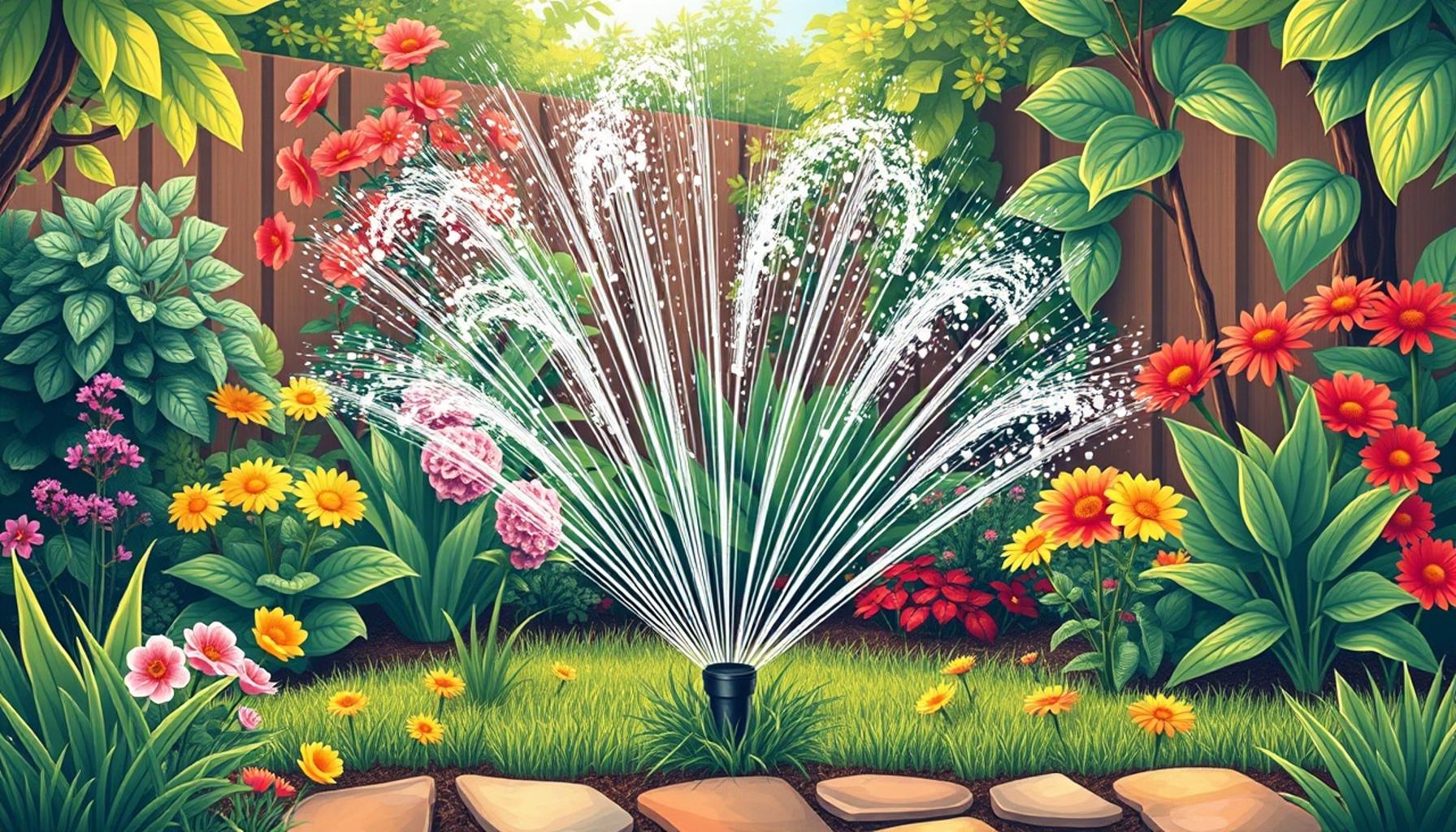
At their core, these systems function through a well-designed network of pipes, valves, and, most importantly, sprinkler heads that deliver water uniformly across the garden. This consistent distribution minimizes water wastage and promotes healthy plant growth, allowing you to enjoy the fruits of your labor. The efficiency of sprinkler systems largely hinges on several key features:
- Adjustable Sprinkler Heads: This feature allows you to modify the range and direction of water flow, catering to the specific needs of various plants. For example, if you have a mix of sunflowers and shade-loving ferns, adjustable heads can ensure that each plant receives an appropriate amount of moisture.
- Timers: Timers enable you to set specific watering schedules regardless of your availability. This automatic approach not only conserves water but also frees up your time while ensuring that your plants receive consistent watering, which is vital during hot summer months.
- Pressure Regulators: Maintaining optimal water flow and pressure is essential to prevent over-watering or under-watering. By using pressure regulators, you ensure that the system operates efficiently, allowing each sprinkler head to function as intended.
Sprinkler irrigation systems are particularly advantageous in a variety of scenarios:
- Drought-prone regions: In many parts of the United States, especially in the Southwest, water scarcity is a significant concern. Sprinkler systems assist in reducing waste, ensuring that every drop counts.
- Gardens with diverse plant species: A garden often showcases a variety of plants with differing watering needs. A sprinkler system can be tailored to deliver the right amount of water based on the requirements of each species, promoting healthy growth and reducing disease risk.
- Large garden areas: Watering expansive gardens manually can be labor-intensive and impractical. Sprinkler systems efficiently cover large distances, saving you time and effort.
To dive deeper into the world of sprinkler irrigation, consider exploring fundamental installation techniques and ongoing maintenance practices. By selecting the right type of sprinkler system tailored to your garden’s unique needs and learning how to optimize its usage, you can cultivate a flourishing garden that exemplifies environmental awareness and sustainability.
As you investigate further, you may discover state-specific considerations that can influence your irrigation approach, such as local water regulations and available technology. Engaging in this knowledge will empower you to make informed choices to enhance your outdoor spaces while responsibly managing our precious water resources.
DISCOVER MORE: Click here to learn about choosing the right plants
Understanding the Mechanism of Sprinkler Irrigation Systems
A sprinkler irrigation system operates on a simple yet effective principle—distributing water into small droplets across a specified area to mimic natural rainfall. By employing a network of pipes, sprinkler heads, and appropriate technology, these systems deliver moisture where it’s needed most, ensuring your garden thrives. Understanding how this system works is essential for homeowners looking to maximize water efficiency and achieve robust plant growth.
The primary components of a sprinkler irrigation system can be broken down into three essential parts:
- Water Source: Every sprinkler system starts with a reliable water source, which can be municipal water, well water, or even water collected from rain barrels. A consistent water supply is vital for maintaining healthy plant life.
- Pumping System: The water is then transported through a series of pipes, often assisted by a pump that maintains adequate pressure to ensure efficient delivery to the sprinkler heads. A well-designed pressure system helps to prevent wastage and supports uniform distribution.
- Sprinkler Heads: At the end of the system are the sprinkler heads, responsible for dispersing the water over the garden. They come in various styles—such as fixed, rotating, or oscillating—allowing you to customize output based on your garden’s specific needs.
When it comes to setting up your sprinkler irrigation system, several factors should be considered:
- Garden Size: The size of your garden will influence the type of system you choose. For larger areas, a more extensive system with multiple zones may be necessary, while smaller gardens can benefit from simpler setups that cover less ground.
- Plant Types: Different plants have varying water requirements. Grouping plants with similar needs can help in configuring your system more effectively. For instance, succulents and drought-resistant plants might need a different watering frequency compared to leafy greens.
- Climate Considerations: In regions with varying climates, adaptability becomes key. In areas with high heat, a sprinkler system can accommodate increased watering schedules to prevent drought stress, while in cooler climates, adjustments may be needed to avoid overwatering.
In addition to understanding these fundamental components, it is crucial to remain aware of local regulations and water conservation policies. Many states in the U.S. have specific guidelines that dictate irrigation practices, especially in regions with limited water resources. Engaging with local agricultural offices or gardening clubs can provide insight into best practices that align with state regulations, ensuring that your sprinkler irrigation system operates legally and sustainably.
By educating yourself on how sprinkler irrigation systems work and their specific requirements, you can make informed decisions about setup, maintenance, and potential upgrades in the future. Up next, we will explore when exactly to implement these systems in your home garden to optimize water use and plant health.
| Advantages of Sprinkler Systems | Key Characteristics |
|---|---|
| Efficient Water Use | Sprinkler systems deliver water directly to the roots, reducing evaporation and runoff. |
| Even Water Distribution | They ensure uniform coverage across various garden areas, promoting healthier plant growth. |
| Time-Saving | Automation features allow for scheduled watering, freeing up your time for other gardening tasks. |
| Versatile Applications | They are suitable for various garden types, from small flower beds to extensive lawn areas. |
In your home garden, understanding when to use a sprinkler irrigation system is crucial for maximizing its benefits. This system is particularly effective during dry seasons when water scarcity becomes a concern. It is also ideal for newly planted seedlings that require consistent moisture to establish strong roots. Moreover, consider the sprinkler layout; a well-planned system can cater evenly to different plants’ water needs, minimizing excess watering in one area while ensuring others receive enough hydration. As you explore more about sprinkler systems, keep in mind they can be combined with rain sensors and timers for optimal efficiency, thus leading to water conservation in your garden. Knowing how to integrate these systems with your garden layout can enhance productivity, saving both time and resources while promoting robust plant health.
LEARN MORE: Click here for essential tips
When to Implement Sprinkler Irrigation in Your Home Garden
Knowing when to use a sprinkler irrigation system is as crucial as understanding how it works. Timing your watering effectively can lead to healthier plants, better water conservation, and a more vibrant garden overall. Several key factors influence when to engage your sprinkler system:
1. Seasonal Changes:
<pThroughout the year, your garden's water requirements will change based on seasonal shifts. For example, spring often brings rain, making it the perfect time for less frequent watering. Conversely, the summer months, especially in states like California or Arizona, can lead to high evaporation rates requiring you to ramp up your irrigation efforts. Aligning your sprinkler schedule with the seasons ensures your plants receive water when they need it most.
2. Time of Day:
While it might be tempting to run the sprinkler during the heat of the day, this can waste water due to evaporation. The best times to irrigate your garden are early in the morning or late in the afternoon when temperatures are cooler. This not only maximizes efficiency but also minimizes fungal diseases that can develop if plants stay wet overnight.
3. Soil Moisture Levels:
Understanding the moisture content of your soil is paramount for effective sprinkler use. Conducting a simple soil moisture test can help determine if it’s time to activate the system. Signs of dry soil—like cracked surfaces or wilting plants—indicate that your garden may need the boost of a sprinkler system. This targeted irrigation can help prevent overwatering, which can be detrimental in retaining healthy root systems.
4. Plant Growth Stage:
Different stages of plant growth require different watering schedules. For instance, seedlings and young plants often demand more frequent watering to establish robust root systems, while mature plants may require less water. Furthermore, specific plants have unique needs; for ornamental flowers or vegetables, staying attuned to their growth stages can help tailor your sprinkling strategy. Knowing when to apply more or less water is essential to optimizing your garden’s health.
5. Special Conditions:
Certain exceptional weather conditions, like droughts or heatwaves, warrant immediate attention. Many state and local governments impose water use restrictions during these times, emphasizing the need for efficient watering practices. Advanced systems, such as those integrated with weather sensors, can automatically adjust watering times based on current or forecasted conditions, providing a sustainable approach to irrigation.
6. Specific Water Needs:
Utilizing a sprinkler irrigation system can also depend on the specific water needs of your plants. For instance, fruit-bearing plants may need more moisture during their flowering stage, while succulent plants may thrive in dryer conditions. A customizable or zoned sprinkler system can allow for different watering schedules based on the unique requirements of various garden sections.
Incorporating a sprinkler irrigation system effectively can lead to a thriving home garden, but understanding when to activate it is crucial. By considering seasonal changes, time of day, soil moisture levels, plant growth stages, weather conditions, and specific plant water needs, gardeners can optimize water use, promote healthy plant growth, and foster a beautiful landscape year-round.
LEARN MORE: Click here to discover the essentials of soil preparation
Conclusion
In conclusion, a sprinkler irrigation system serves as an invaluable tool for home gardeners, providing a controlled and efficient way to deliver moisture to your plants. Understanding how it works and knowing when to implement it can significantly enhance the health and aesthetics of your garden. By tailoring your irrigation strategies to seasonal changes, optimizing watering times to reduce evaporation, and considering soil moisture and plant growth stages, you can ensure that your garden receives the proper hydration it needs to thrive.
Moreover, awareness of special conditions—such as droughts or local watering regulations—is crucial in cultivating a sustainable garden that respects water conservation efforts. Using advanced sprinkler systems equipped with weather sensors can further streamline and automate your irrigation practices, allowing you to take the guesswork out of watering.
With the right approach, your home garden can flourish, producing lush landscapes and bountiful yields. As you delve deeper into the world of sprinkler irrigation, you will discover that each plant type and unique garden environment will present its own hydration needs. Harnessing this knowledge empowers you to develop a customized watering regimen that promotes not only the beauty of your garden but also its ecological integrity. So, step into the garden equipped with insights and confidence, and let your sprinkler irrigation system work its magic!