How to Identify the Water Needs of Plants: Practical Tips for Beginners
Identifying Plant Water Needs
Every gardener knows that proper watering is essential for thriving plants. However, identifying the precise water needs of different species can be a challenging task, especially for beginners. This guide will unveil practical tips that will help you master the art of watering effectively.
Understanding how to water plants correctly hinges on several critical factors. Recognizing these elements can transform your gardening experience from trial and error to informed success.
Key Factors Affecting Water Needs
It’s crucial to recognize that various factors influence how much water plants require, including:
- Plant Type: Different species, such as succulents—which thrive in arid conditions—and ferns—which prefer moist, shaded environments—have distinct demands. For example, a cactus might only require watering once every two weeks, while a peace lily may need watering every 5-7 days.
- Season: Plants may require significantly more water during the hot summer months than in cooler seasons. In specific regions of the United States, like the Southwest, high temperatures in July can lead to rapid moisture loss in the soil, necessitating more frequent watering.
- Soil Type: Soil composition plays a vital role in water retention. Well-draining sandy soils retain less moisture compared to clay-rich soils, which can hold water for extended periods. For example, if you’re gardening in Florida’s sandy soils, you might find that daily watering is necessary during peak summer to keep plants hydrated.
Recognizing Signs of Watering Needs
Being attuned to your plants’ needs is not only beneficial for their health but can also save water and reduce waste. Here are some critical indicators to look for:
- Wilting Leaves: A common sign that your plants need immediate attention. Leaves may droop and lose their firmness, indicating it’s time to step in with some water.
- Dry Soil: If the top inch of soil feels dry to the touch, it’s typically time to water. This is especially important for pot-bound plants where soil dries out more quickly.
- Yellowing Leaves: Overwatering can lead to root rot, causing leaves to yellow. This often indicates that the roots are overly saturated and oxygen is being blocked, leading to diminished plant health.
Taking a closer look at these factors will enrich your understanding of plant care. Gardener forums and local extension services can provide specific watering recommendations based on your location, plant type, and environmental considerations. With the right approach, you’ll soon develop a keen sense of when and how much to water your beloved greenery, making your gardening journey not only successful but immensely satisfying.
DON’T MISS OUT: Click here for eco-friendly pest control tips
Understanding Watering Techniques
Once you’re familiar with the signs indicating your plants’ water needs, the next step is mastering effective watering techniques. Different methods can drastically impact the moisture level in your soil and, consequently, the health of your plants. Here are some common techniques to consider:
- Bottom Watering: This method involves placing the plant pot in a shallow tray of water, allowing the soil to absorb moisture from the bottom up. This is especially beneficial for plants that prefer consistent moisture, such as calatheas or ferns. It also avoids wetting the leaves, which can encourage fungal diseases.
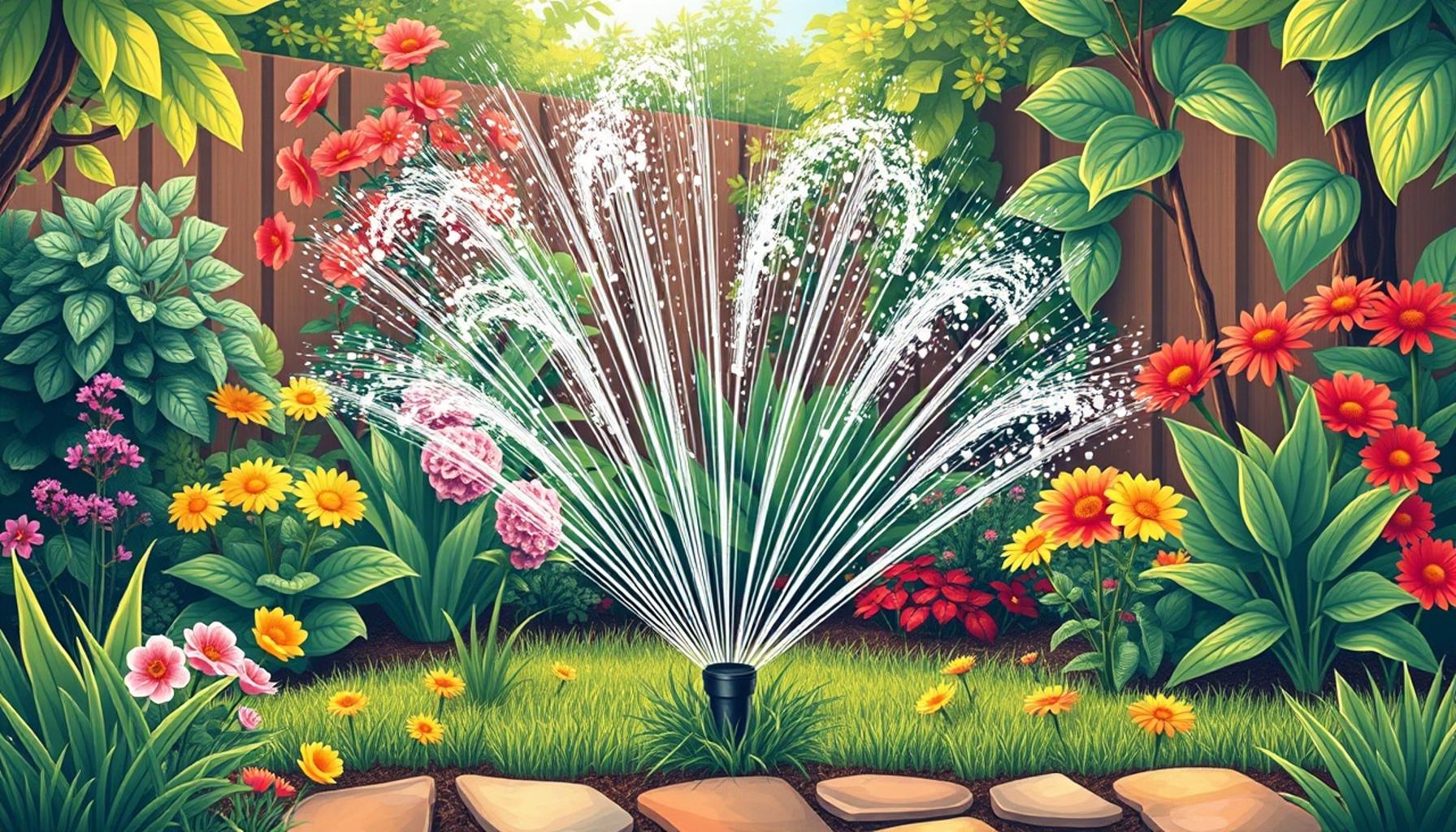
- Drip Irrigation: A highly efficient technique that delivers water directly to the roots through a network of tubes and emitters. Especially popular in larger gardens or greenhouses, this method minimizes water waste while ensuring your plants receive the precise amount of water they need.
- Using a Moisture Meter: A moisture meter is an excellent tool for beginners, allowing you to gauge the soil moisture level accurately. Simply insert the probe into the soil, and the meter will provide a reading that helps determine if it’s time to water.
Experimenting with these techniques will give you a better understanding of how your specific plants respond to different watering methods. When trying a new technique, it is important to observe the plants closely at first; adjustments may be needed based on their individual preferences.
Timing Your Watering
Timing is another crucial component when it comes to watering plants. The best time to water is typically early in the morning or late in the afternoon when temperatures are cooler. Watering during the hottest part of the day can lead to rapid evaporation, meaning less water reaches the roots. Moreover, watering in the evening can increase humidity and may encourage diseases due to excess moisture lingering overnight.
Additionally, paying attention to local weather patterns can inform your watering schedule. For instance, a sudden rain in the forecast might mean you can skip a day of watering. Conversely, during periods of drought or extreme heat, it may be necessary to adjust your routine for more frequent watering sessions. Engaging with your local gardening community—whether through social media groups or home improvement stores—can provide local insights and tips tailored to your area.
By understanding various watering techniques and timing your watering effectively, you will be better equipped to meet the varying needs of your plants. Ultimately, cultivating a keen awareness of your plants’ specific water requirements can pave the way for a flourishing garden, turning your passion into a rewarding hobby.
Understanding Plant Watering Needs
Identifying the water needs of plants is essential for ensuring their growth and vitality. Different plants have varying requirements, influenced by factors such as species, size, and environmental conditions. For beginners, it is crucial to understand the general principles that govern plant watering.
Soil Moisture Monitoring
One effective way to assess your plants’ hydration levels is through soil moisture monitoring. You can check the moisture content by sticking your finger about an inch deep into the soil. If it feels dry, it’s time to water. For more precise results, investing in a moisture meter can provide accurate readings, indicating when to irrigate your plants.
Observing Plant Signals
Plants can communicate their water needs through physical signs. For instance, drooping leaves or a change in leaf color can indicate a shortage of water, while yellowing leaves might suggest overwatering. Being observant of these signals will aid you considerably in maintaining adequate moisture levels.
Environmental Factors
Additionally, take environmental factors into account. The humidity, temperature, and light conditions significantly influence how much water your plants need. For example, plants in direct sunlight may require more frequent watering compared to those in shaded areas. In warm weather, the soil dries out quickly; hence, regular checks are necessary.
Table of Water Needs Characteristics
| Category | Characteristics |
|---|---|
| Soil Type | Clay retains moisture; sandy drains quickly. |
| Plant Type | Succulents require less, tropical plants more. |
By incorporating these basic guidelines into your gardening practices, you will be well on your way to mastering the art of plant care. The journey to understanding the water needs of your plants not only enhances their health but also offers a rewarding experience that cultivates your passion for gardening. Keep observing, and don’t hesitate to adjust your watering routine as needed!
DISCOVER MORE: Click here for natural pest control tips
Assessing Soil and Climate Conditions
Understanding your plants’ water needs goes beyond just observing their behavior; it requires an appreciation of the soil and climate conditions they’re growing in. Soil composition plays a significant role in water retention and drainage. Different types of soil—such as sandy, loamy, or clay—have varying capacities to hold moisture, impacting how frequently you’ll need to water.
Sandy soils drain quickly and may require more frequent watering. Plants like succulents and cacti are well-suited for sandy conditions but still need careful monitoring. Conversely, clay soils hold moisture longer but can lead to waterlogged roots if overwatered. This makes them suited to moisture-loving species such as willows and rice, while drought-tolerant plants like lavender might struggle. Loamy soils, often considered ideal, balance moisture retention and drainage, making it easier to gauge watering schedules.
To determine the soil type in your garden, conduct a simple test: take a handful of moist soil and squeeze it. If it holds its shape and crumbles when touched, you’re likely looking at loamy soil. If it falls apart easily, it’s sandy; if it remains mucky and sticks to your fingers, it’s clay.
Climate Considerations
The climate in your location greatly affects your plants’ watering needs. Maps like the USDA Plant Hardiness Zone can provide insight into the types of weather patterns typical for your region. For example, if you live in a warm climate, consider establishing a watering routine that accounts for hotter temperatures, particularly during peak summer months when evaporation rates are higher.
On the other hand, if you live in cooler or humid climates, plants may require less frequent watering due to increased moisture in the air and cooler soil temperatures. Local rainfall patterns can also influence your watering schedule, so keeping a home rain gauge can help track precipitation and adjust your watering accordingly.
Seasonal Adjustments
As the seasons change, so do the water needs of your plants. During spring and summer, active growth cycles often signal a need for more water as plants are in their prime photosynthetic phase. Conversely, in the fall and winter, many plants enter dormancy and will require significantly less water.
While it may seem simpler to water on a fixed schedule, it’s important to adapt your approach based on seasonal changes. For example, consider reducing watering frequency during the cooler months, and keep a tab on indoor plant spaces, which might retain moisture longer due to centralized heating systems.
Finally, don’t underestimate the impact of wind on moisture loss. Wind can increase evaporation rates, particularly for garden beds or orchids placed in exposed areas. Monitor windy days closely, as they may require a temporary increase in watering.
By assessing soil composition and understanding local climate conditions, you can better gauge your plants’ watering requirements, ultimately leading to healthier and more flourishing landscapes. The combination of effective techniques and this knowledge builds a foundation for successfully navigating the essentials of plant care.
DISCOVER MORE: Click here for DIY recipes and tips
Conclusion: Mastering Plant Hydration
Understanding and addressing the water needs of plants is a crucial skill for anyone seeking to cultivate a thriving garden or indoor plant collection. By paying attention to soil type, climate conditions, and seasonal changes, beginners can develop a comprehensive approach to meet their plants’ hydration requirements. Remember, it’s not just about a standard watering schedule; it’s about tailoring care to the specific needs of each plant species.
Just as a gardener takes time to learn about different plants and their unique characteristics, familiarizing ourselves with our local environment can significantly enhance our gardening success. As water availability fluctuates with seasonal shifts and climate variances, monitoring your plants’ responses will help sharpen your intuition in plant caregiving. This experiential learning, combined with understanding the principles of soil moisture retention and evaporation rates, will empower you to recognize and adapt to the ever-changing demands of your plant companions.
Moreover, leveraging tools such as moisture meters or rain gauges can also aid in making informed decisions about when to water. By practicing these techniques, novice gardeners can cultivate not just plants, but confidence in their gardening journey.
In summary, embracing the complexities of plant hydration—not just seeing it as a chore, but as an exploration—can transform your gardening experience. By honing these skills, you not only ensure the health and vitality of your plants but foster a deeper appreciation for the beautiful relationship we have with nature. So roll up your sleeves, get your hands in the soil, and embark on this exciting journey of discovery!