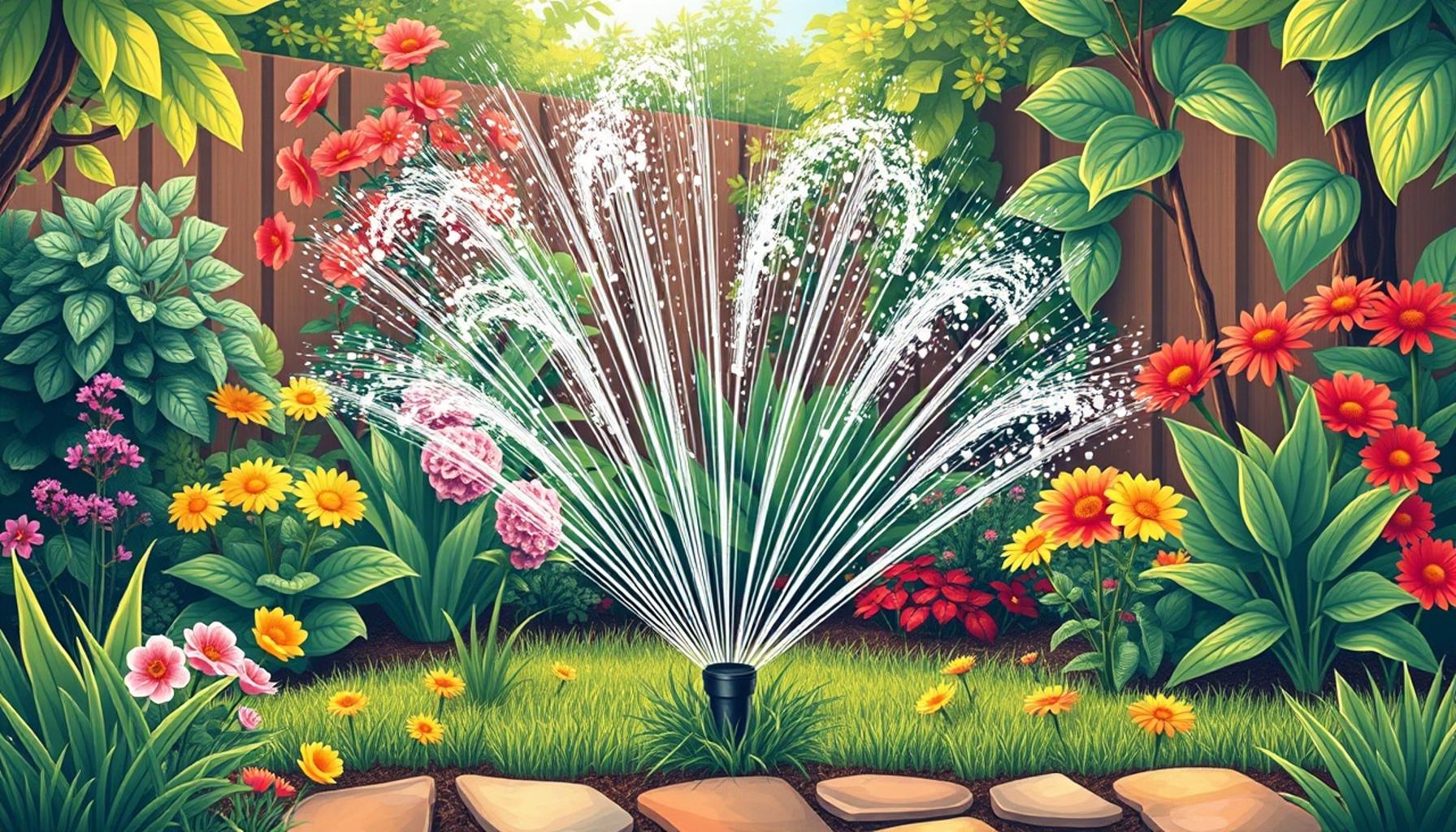
The Importance of Proper Irrigation: How to Avoid Excess and Lack of Water in Your Garden
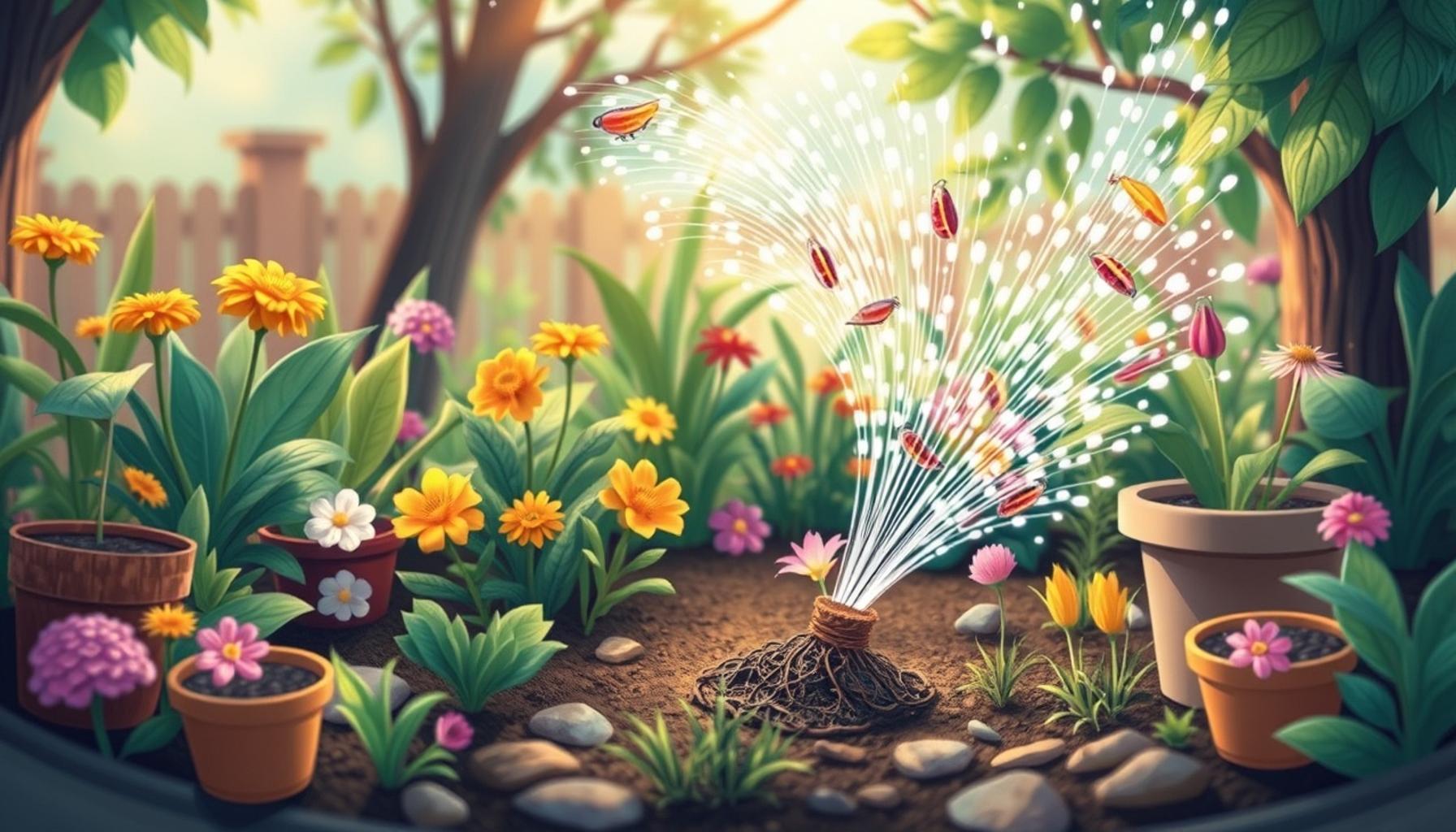
The Importance of Proper Irrigation
Water is not just a necessity; it is the lifeblood of every garden. From vibrant flowers to hearty vegetables, adequate water levels are crucial in ensuring that your plants not only survive but thrive. Proper irrigation practices help maintain this delicate balance, ultimately determining the health and vitality of your garden ecosystem. Whether you are a novice gardener or a seasoned horticulturist, understanding the irrigation needs of your plants can save you from the common pitfalls of both overwatering and underwatering.
Consequences of Improper Watering
The nuances of irrigation are often overlooked, yet both overwatering and underwatering can spell disaster for gardens of all types. Each poses its unique set of challenges that can lead to detrimental consequences for plant health:
- Overwatering: This may seem counterintuitive, as water is essential for life, but excessive watering can suffocate roots, leading to root rot. This condition not only kills the roots necessary for nutrient absorption but also creates an environment where fungal diseases can flourish. For example, in regions with heavy clay soils that retain moisture, overwatering is a prevalent concern that can devastate plant roots.
- Underwatering: On the flip side, a lack of water can lead to wilting and stunted growth. Many gardeners may notice their plants drooping, signaling desperate thirst, which compromises their overall vigor. Furthermore, drought-stressed plants are often more susceptible to pests and diseases, as their defenses are weakened. In arid regions, such as parts of the Southwestern United States, underwatering is a common issue that can lead to crop failure in both home gardens and larger agricultural operations.
- Water Quality: It’s not solely the quantity of water that matters; the quality is equally important. If you’re using municipal water treated with chlorine or water from a polluted source, it could adversely affect your plants, leading to nutrient deficiencies and phyto-toxicity. Treating or testing your water source can be a worthwhile investment for your garden’s health.
By taking the time to assess and understand your garden’s specific irrigation requirements, you can cultivate healthier plants that yield bountiful results. This knowledge empowers you to implement effective watering strategies that not only promote growth but also conserve water, contributing to sustainable gardening practices.
A Call to Action
Are you intrigued by the intricate world of irrigation? Take a step forward and dive deeper into effective watering strategies tailored to your specific garden needs. Research the irrigation systems available, such as drip irrigation or soaker hoses, which can help you deliver water efficiently while reducing waste. With the right knowledge and tools, you can transform your garden into a flourishing haven, free from the common pitfalls of poor irrigation.
DISCOVER MORE: Click here to learn about pest control timing
Strategies for Achieving Balanced Irrigation
Understanding the intricacies of irrigation is essential for maintaining a thriving garden. To avoid the pitfalls of both excess and lack of water, gardeners must adopt strategic approaches tailored to their specific needs. Having a long-term vision for your garden can help shape the decisions you make regarding irrigation. Here are some effective strategies to consider:
- Soil Assessment: Before you even think about watering, knowing your soil type is crucial. Sandy soils tend to drain quickly and require more frequent watering, whereas clay soils retain moisture and can lead to overwatering if not managed carefully. Conducting a simple soil test can provide insight into your soil’s retention capabilities, informing how much water your plants need.
- Irrigation Scheduling: Timing your irrigation can make a world of difference. Early morning is often the best time to water, allowing plants to absorb moisture without the heat of the sun causing evaporation. Creating a schedule based on weather patterns can also help—if rain is forecasted, reevaluate your watering plans to prevent wasting water.
- Mulching: Applying a layer of organic mulch around your plants can significantly conserve soil moisture. Mulch acts as a barrier, reducing evaporation and helping regulate soil temperature. It also suppresses weeds that can compete for water and nutrients. Materials such as straw, wood chips, or grass clippings can serve as effective mulches and improve soil structure over time.
- Watering Techniques: Adopting efficient watering techniques is another way to regulate moisture levels. Drip irrigation systems are particularly effective as they deliver water directly to the root zone, minimizing evaporation and runoff. Soaker hoses can also be beneficial, especially in vegetable gardens where during peak growing seasons, plants may require more water. Exploring these options is essential for sustainable and responsible gardening.
- Monitoring Tools: Investing in monitoring tools, such as soil moisture sensors or irrigation timers, helps track your garden’s hydration needs. These tools offer real-time data, allowing you to adapt your watering strategy accordingly, which is especially useful in regions where weather conditions fluctuate frequently.
By employing these strategies, gardeners can navigate the complexities of irrigation, ensuring their plants receive the ideal amount of water. This proactive approach not only improves plant health but contributes to conserving precious water resources. As you delve into the world of irrigation, the knowledge you gain will empower you to create a lush, vibrant garden that thrives throughout the seasons.
Understanding the delicate balance of irrigation is crucial for any garden enthusiast. The mechanisms of water distribution not only foster healthy plant growth but also conserve precious resources. Proper irrigation techniques help to avoid the dire consequences of both overwatering and underwatering, which can be detrimental to your garden’s overall health.
The Consequences of Improper Irrigation
Overwatering can lead to several problems, such as root rot, fungal diseases, and a decline in soil nutrients. When plants are submerged in water, their roots cannot breathe, leading to a lack of oxygen. This imbalance creates a breeding ground for pests and diseases that could ruin your garden.
On the flip side, insufficient watering deprives plants of essential moisture, stunting their growth and diminishing fruit and flower outputs. Plants will exhibit signs of stress, such as wilting leaves and dry soil, which could result in permanent damage or death.
Techniques for Efficient Irrigation
To achieve an effective irrigation strategy, consider implementing drip irrigation systems, which deliver water directly to the roots, reducing waste and ensuring that your plants receive the moisture they need. Rainwater harvesting is another sustainable method that minimizes runoff and captures natural precipitation for future use in your garden.
Utilizing soil moisture sensors can also provide valuable insights into when to water. These sensors detect the moisture levels in the soil, which helps you avoid both excess and lack of water. By monitoring these levels, you can create a tailored irrigation schedule that meets your garden’s unique needs.
| Advantages | Benefits |
|---|---|
| Water Conservation | Reduces waste while ensuring that plants thrive with minimal water. |
| Plant Health | Enhances growth and boosts resistance to diseases and pests. |
By adopting these efficient irrigation techniques, you can maintain a flourishing garden that not only looks good but also respects environmental sustainability. Embrace proper irrigation practices to safeguard your garden’s future while nurturing it to its fullest potential.
DISCOVER MORE: Click here for essential garden tools
Enhancing Your Garden’s Drainage and Water Conservation
While understanding how to provide the right amount of water is vital, managing both drainage and water conservation is equally important in creating an optimal garden environment. Proper drainage prevents water from accumulating around plant roots, while efficient water conservation strategies ensure that every drop counts. Here are some key aspects to consider:
- Creating Contours and Berms: Designing your garden with contours and berms can significantly influence how water flows and drains within your landscape. By shaping the soil into gentle slopes, gardeners can channel water toward plants that need it most while keeping excess water away from those that require better drainage. This method not only fosters healthy root systems but also minimizes erosion and run-off, crucial in maintaining soil quality.
- Amending Soil: Enhancing soil structure is a proactive approach to improve both water drainage and retention. Adding organic matter such as compost or peat moss can lead to better aeration and drainage, especially in clay soils that tend to retain excess moisture. Regular amendments not only improve soil health but also create a nutrient-rich environment that encourages deeper root growth, allowing plants to access water more effectively.
- Rainwater Harvesting: Utilizing rain barrels to collect rainwater is an innovative way to conserve water while providing a sustainable source for irrigation. Many regions experience significant rainfall throughout the year, and capturing even a small amount can reduce reliance on municipal water sources. This practice not only saves money but also contributes to environmental sustainability by reducing runoff and erosion while nourishing your garden with natural, untreated water.
- Climate-Adapted Plants: Selecting the right plants for your climate is a fundamental way to maintain irrigation balance. Native plants and drought-tolerant species are often more resilient to local weather patterns, requiring less water and reducing maintenance needs. These plants have evolved to thrive in specific conditions, making them durable choices for low-water gardens. Research local plant species that flourish in your area to create a robust habitat that harmonizes with your environment.
- Seasonal Adjustments: Adapting your irrigation strategy in response to seasonal changes is key to achieving optimal water balance. During hotter months, increase your watering frequency, but decrease it during cooler seasons or rainfall periods. Understanding how your garden responds to these fluctuations can be enhanced by observing plant behavior—crisp leaves may signal the need for more water, while drooping foliage may indicate overwatering.
By addressing drainage issues and employing water conservation strategies, gardeners can create a balanced ecosystem that supports healthy plant growth. As you explore various methods suited to your garden’s unique conditions, consider the importance of engaging with both natural systems and modern techniques. This dual approach not only bolsters traditional gardening practices but also fosters resilience amid changing climate conditions, ultimately leading to a flourishing garden that’s both beautiful and sustainable.
DON’T MISS: Click here to discover expert pruning techniques
Conclusion: Achieving the Perfect Balance in Your Garden
In the intricate dance of gardening, proper irrigation plays a pivotal role in nurturing vibrant plant life while avoiding the pitfalls of both excess and lack of water. Emphasizing the essential techniques discussed—from improving drainage to embracing water conservation strategies—can significantly transform your garden into a thriving ecosystem. Each method, whether it’s incorporating organic amendments or leveraging the power of rainwater harvesting, contributes not only to the health of your plants but also to the sustainability of your gardening practices.
Moreover, understanding the importance of selecting climate-adapted plants cannot be overstated. By aligning your plant choices with local climatic conditions, you can minimize water demands while promoting biodiversity. Seasonal adjustments to your irrigation methods will further ensure that your garden adapts effectively to changing weather patterns, fostering resilience against challenges such as droughts or heavy rainfall.
As we continue to face shifting climate conditions and a growing emphasis on environmental responsibility, the implementation of well-balanced irrigation practices has never been more critical. By committing to a thoughtful and informed approach, you are not only investing in the future of your garden but also contributing to broader ecological wellness. So, take your time, observe the nuances of your garden, and discover how proper irrigation can lead to a flourishing landscape rich in life, beauty, and sustainability.