Creating a Succulent Paradise: Tips for Choosing the Right Succulents for Beginners
Discover the Beauty of Succulents
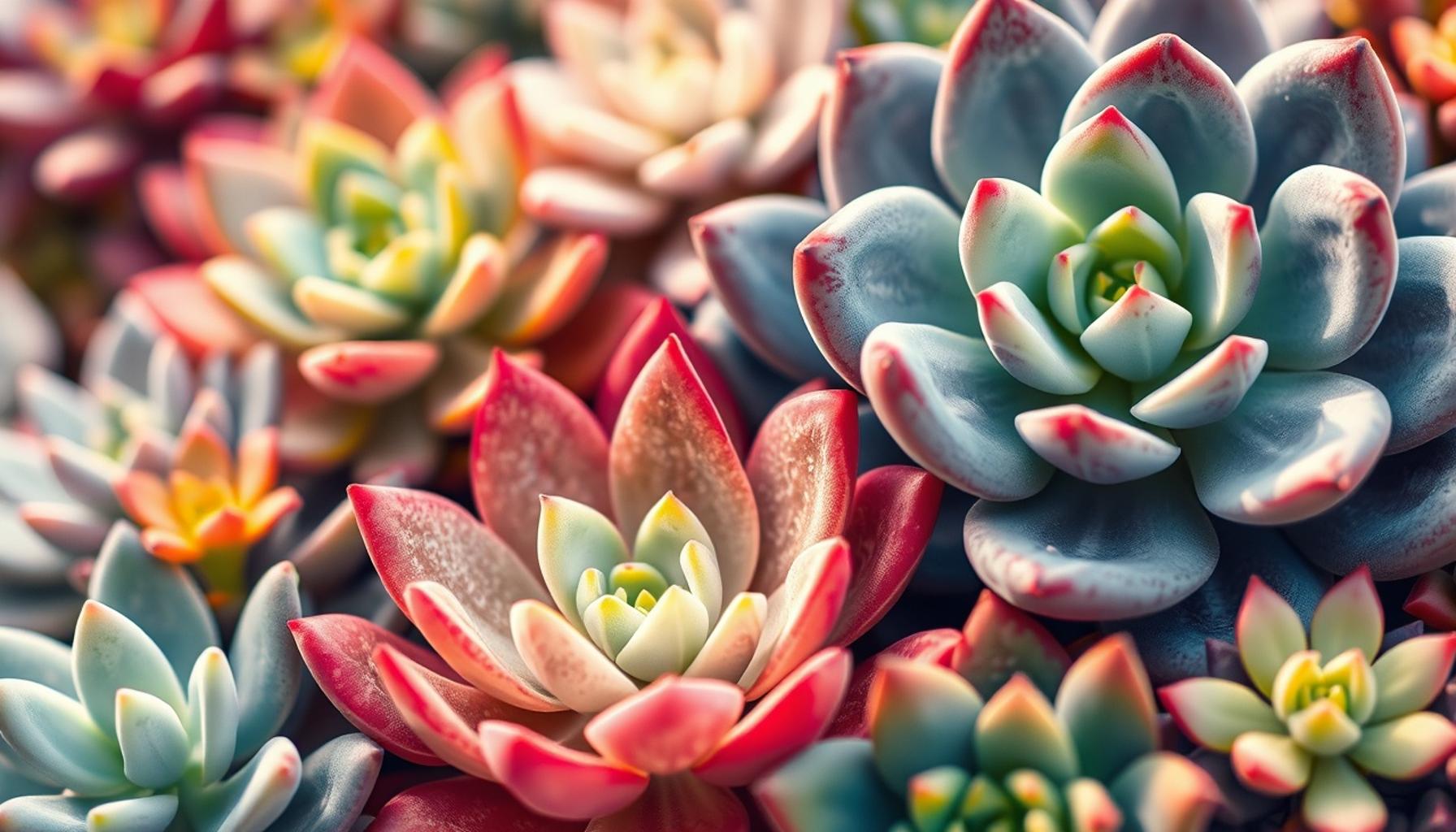
Succulents have taken the gardening world by storm, and for good reason. These resilient plants are not only beautiful but also incredibly easy to care for. Whether you’re a novice or an expert, creating your own succulent paradise can be a rewarding and fulfilling experience. From vibrant colors to unique textures, succulents can liven up any space, making them an excellent choice for both indoor and outdoor gardens.
Why Choose Succulents?
Succulents are perfect for those who might not have a green thumb. Here’s why:
- Low Maintenance: One of the biggest appeals of succulents is their minimal care requirements. These hardy plants thrive with infrequent watering—typically every two to three weeks—which makes them ideal for busy individuals or those new to gardening.
- Diverse Selection: With thousands of varieties available, there’s a succulent for every taste. Popular options like Echeveria, Aloe Vera, and Hens and Chicks showcase a range of colors and forms, from the rosette shape of Echeverias to the spiky leaves of Aloe. This diversity allows for endless creativity in your garden design.
- Space Savers: Many succulents thrive in small spaces, making them ideal for apartments or homes with limited outdoor areas. For example, Haworthia can comfortably grow in small pots on a windowsill, bringing a touch of green to compact living spaces.
Getting Started
Choosing the right succulents can set the foundation for your thriving garden. Consider the following:
- Climate: Understanding your local climate is crucial to selecting hardy varieties. For instance, in hotter regions like Arizona, succulents such as Agave and Yucca flourish, while in milder climates, you might explore Jade Plants or String of Pearls.
- Light Requirements: Not all succulents require the same amount of light. While some, like Lithops, prefer bright, indirect sunlight, others, like Zebra Plants, can tolerate lower light conditions. Assessing your home’s sun exposure will help you make informed decisions.
- Size and Growth: Be aware of how large your chosen succulents might grow. For example, while Orostachys are compact and small, others like Golden Barrel Cactus can grow significantly larger and may need repotting after a few years.
As you embark on this green journey, exploring the characteristics of specific succulents will enhance your experience. Dive into the world of propagation by taking cuttings from your favorite plants, or experiment with different soil mixtures to find what works best for you. Ready to transform your space? Let’s explore how to choose the right succulents for your garden paradise! The process can be as engaging as the end result, leading to a thriving indoor or outdoor sanctuary that showcases the beauty of nature in its many forms.
LEARN MORE: Click here for essential watering tips
Essential Factors for Selecting Succulents
Embarking on the journey to create your own succulent paradise involves more than just appreciating their beauty; understanding their individual needs is equally important. Each succulent variety comes with its own requirements for light, temperature, and watering, making the selection process both exciting and crucial. Here are some essential factors to consider when choosing succulents, especially for those who are just starting out.
Understanding Soil Needs
The right soil is foundational to the health of succulents. These plants thrive in well-draining soil that prevents water from lingering at their roots. Consider using a commercially available cactus mix or creating your own blend by combining regular potting soil with sand or perlite. This combination not only supports healthy growth but also reduces the risk of root rot, a common issue among succulent novices. Ensure that any pots you choose have drainage holes to facilitate proper water flow.
Exploring Popular Succulent Varieties
With such an abundance of succulent species to choose from, beginners might feel overwhelmed. To simplify your selection, consider starting with these popular varieties that are both forgiving and beautiful:
- Echeveria: Known for their stunning rosette shapes, Echeverias are available in a range of colors from green to pink to lavender, making them a favorite among succulent enthusiasts.
- Jade Plant (Crassula ovata): This iconic succulent is not only visually appealing but also symbolizes good luck and prosperity, making it a perfect choice for indoor gardens.
- Button Plant (Crassula perforata): Resembling layered buttons, this compact succulent thrives in bright light and adds a unique texture to any arrangement.
- Hens and Chicks (Sempervivum): This charming variety produces a cluster of rosettes, providing an energetic display in rock gardens or containers.
- Aloe Vera: Valued for its medicinal properties, Aloe Vera is as practical as it is gorgeous, requiring minimal care while offering soothing benefits in return.
These plants not only enhance the aesthetic of your home but also serve as ideal companions for novice gardeners, setting the stage for a fulfilling gardening experience. As you begin selecting your favorite species, consider the diverse attributes that each offers, and don’t hesitate to mix and match for a vibrant display.
Recognizing Pest and Disease Issues
Even though succulents are generally hardy, they are not entirely immune to pests or diseases. Familiarizing yourself with common threats such as mealybugs or aphids can help you promptly address issues before they become serious! Regularly inspecting your plants and ensuring proper watering practices can reduce the chances of infestation.
By focusing on these essential factors—soil, popular varieties, and pest awareness—you can confidently embark on your succulent gardening journey. As you delve into the diverse and enchanting world of succulents, remember to have fun experimenting and learning, paving the way to create your mesmerizing sanctuary filled with thriving greenery.
| Succulent Variety | Characteristics |
|---|---|
| Haworthia | Drought-tolerant with unique leaf shapes, perfect for low light. |
| Jade Plant | Symbol of good luck, easy to root and propagate, with thick leaves. |
| Agave | Large rosettes, ideal for outdoor gardens, requires full sun. |
| String of Pearls | Trailing plant with round leaves, great for hanging displays. |
When starting your succulent garden, it’s crucial to select varieties that are not only beautiful but also suitable for your growing conditions. Each plant offers unique benefits tailored to various environments and preferences. For instance, the Haworthia thrives in low-light conditions, making it an exceptional choice for indoor spaces. Meanwhile, the iconic Jade plant symbolizes prosperity and has the added advantage of being easy to propagate, ensuring that your garden can expand effortlessly. Consider incorporating Agave for outdoor settings, as it fares well in full sun and adds a striking design element to landscapes. For a decorative touch, the String of Pearls with its trailing tendrils is perfect for hanging pots and window sills, bringing a sense of whimsy to your succulent paradise. Selecting the right succulents not only enhances the aesthetic appeal of your space but also helps create a thriving ecosystem for these resilient plants.
DISCOVER MORE: Click here to learn essential pest control strategies
Creating the Perfect Environment for Your Succulents
While selecting the right succulents is a crucial step, creating an environment that mimics their native habitats will ensure your plants thrive. With a few adjustments and considerations, you can cultivate an ideal atmosphere that promotes growth and wellness. Here are some tips for beginners on curating a succulent-friendly space.
Light Requirements
Succulents are solar-powered plants that require abundant sunlight to flourish. Most varieties prefer full sun, which typically means around 6 to 8 hours of bright, indirect light daily. If you are growing succulents indoors, placing them near a south or west-facing window will yield the best results. However, be mindful of extremes; too much direct sunlight can scorch the leaves. If you notice discoloration or leaf burn, consider adjusting their location or using sheer curtains to diffuse the intense light.
For those with limited natural light, investing in grow lights can be beneficial. These specialized lights are designed to mimic the sun’s spectrum, allowing your succulents to thrive indoors, even in less than ideal conditions.
Temperature and Humidity
Most succulents prefer warmer temperatures, ideally between 65°F and 80°F during the day, while nighttime temperatures can drop closer to 40°F. It’s crucial to keep them away from cold drafts and sudden temperature changes, as these can stress the plants and stunt their growth.
In terms of humidity, succulents favor arid conditions. High humidity levels can lead to issues such as mold and root rot. If your region has high humidity, consider using a dehumidifier or ensuring good air circulation around your plants. Additionally, avoid placing them in areas where moisture tends to accumulate, such as bathrooms or basements.
Watering Techniques
One of the most pivotal aspects of succulent care revolves around watering practices. Beginners often face challenges with overwatering. The key principle for succulents is to allow their soil to dry out completely between watering sessions. A good rule of thumb is to check the soil moisture with your finger; if it feels dry about an inch down, it’s time to water. When you do water, make sure to soak the soil thoroughly until water drains from the bottom of the pot.
During the growing season (spring and summer), you may need to water your succulents more frequently, while in the dormant winter months, reduce watering to allow the plants to conserve energy. This adaptability makes succulents especially appealing to beginners, who may find it easier to care for plants that can withstand minor oversights.
Experimenting with Arrangement and Design
Creating a visually stunning display of your succulents can elevate any space. Consider using varying heights and textures by mixing different species in a single pot or garden bed. Succulents pair beautifully with decorative stones, driftwood, or even terrariums for an eye-catching arrangement. This creative approach makes gardening a fun and engaging journey, allowing you to express your personal style through nature.
As you explore the enchanting world of succulents, remember to observe and learn from your plants. Each variety has unique preferences, and with time, you’ll develop an intuitive understanding of their needs, enhancing your experience as a succulent gardener.
DISCOVER MORE: Click here to enhance your soil quality
Conclusion
Embarking on the journey of creating a succulent paradise is both rewarding and enjoyable, especially for beginners who might feel daunted by the myriad of options available. The combination of choosing the right varieties tailored to your environment, coupled with a keen understanding of their care requirements, lays the foundation for a vibrant and flourishing collection. Remember, the beauty of succulents lies not only in their stunning diversity but also in their resilience.
As highlighted throughout this article, light, temperature, humidity, and watering techniques are essential elements that directly impact your succulents’ health. Regular observation and adjustments to their environment will enable you to cultivate a deeper connection with your plants as you learn their preferences over time. With each new addition, you’ll discover unique beauties and characteristics, enriching your gardening experience.
Moreover, don’t shy away from getting creative with arrangement and design; using varied textures and heights can turn a simple pot into a mesmerizing focal point. Share your succulent adventures with friends and loved ones, encouraging a communal appreciation for these resilient plants. Whether you’re growing them in terrariums, pots, or outdoor gardens, making informed choices about your succulents and caring for them with love will undoubtedly lead to a flourishing, thriving environment.
As you continue your succulent gardening journey, remember that patience and experimentation are key. With time, you will not only become adept at caring for these lovely plants but will also foster an enduring and beautiful connection with nature. Happy gardening!