Companion Planting: Enhancing Garden Health Through Strategic Plant Selection

Understanding the Benefits of Companion Planting
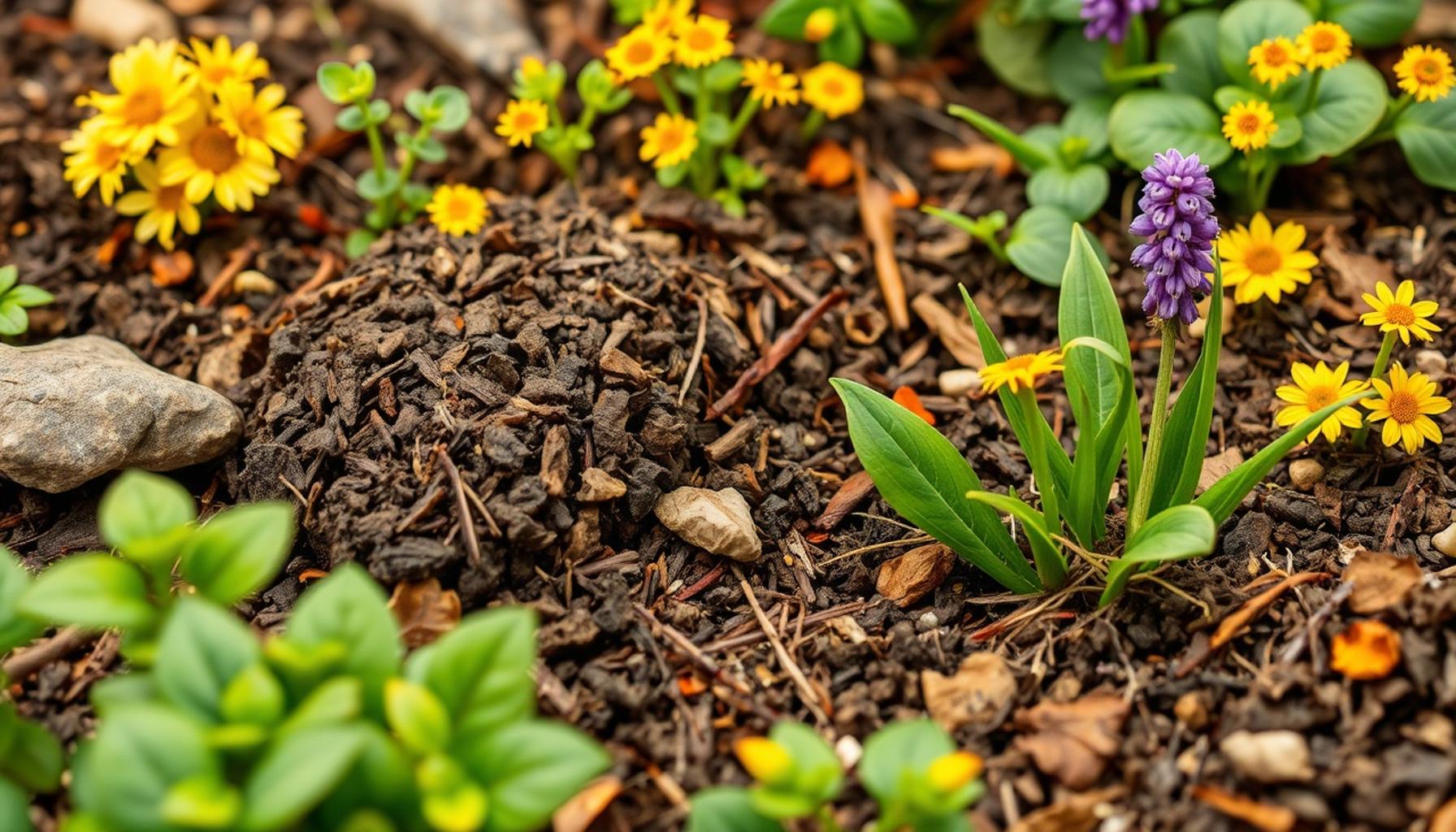
Companion planting is not just a gardening trend; it is a method steeped in historical agricultural practices that leverages the natural relationships between different plant species. This technique transforms gardening from a singular focus on each plant to an interconnected strategy that sees the garden as a vibrant ecosystem. By pairing plants that support each other in various ways, gardeners can create a more efficient and harmonious growing environment.
Advantages of Companion Planting
The benefits of companion planting are manifold, enhancing both the quality and quantity of produce. One of the most notable advantages is pest control. For example, planting garlic near roses can help repel aphids and other common pests, while nasturtiums can distract pests from more valuable crops like cucumbers. These natural repellents often reduce the need for chemical pest control methods, making gardens healthier for both plants and surrounding wildlife.
Another significant benefit is pollinator attraction. Flowers such as borage and calendula do more than beautify a garden; they serve as a beacon for bees and butterflies. Pollinator-friendly plants not only support plant reproduction but also help increase yields of surrounding vegetables and fruits by ensuring that pollination occurs more effectively.
In terms of nutrient enhancement, certain plants, like legumes (peas and beans), have the unique ability to fix nitrogen in the soil. When planted alongside heavy feeders such as corn or tomatoes, they can significantly enrich the soil, reducing the need for synthetic fertilizers. For instance, a common practice is to plant corn with beans, where the beans climb the cornstalks for support while providing nitrogen in the soil, benefiting both plants.
Examples of Effective Plant Pairings
Some classic examples include pairing tomatoes with basil, which is known to improve the overall health and flavor of both plants while deterring pests like aphids and whiteflies. Similarly, planting marigolds amongst vegetables not only beautifies the garden but its scent is believed to discourage nematodes and other damaging insects. Other effective combinations include:
- Carrots and onions: The strong scent of onions helps repel carrot flies.
- Cabbage and dill: Dill attracts beneficial insects that prey on cabbage worms.
- Radishes and squash: Radishes can deter squash bugs and provide shade for young seedlings.
As you dive deeper into the intriguing world of companion planting, you’ll find that such partnerships are not only based on shared growing needs but also on a rich tapestry of ecological interactions. This technique fosters enhanced biodiversity and a more sustainable approach to gardening. Stay with us as we continue to explore the multitude of plant pairings and practical tips for maximally utilizing companion planting to create flourishing gardens across the United States.
DIVE DEEPER: Click here to discover eco-friendly pest control tips
Delving Into the Science of Companion Planting
Companion planting goes beyond mere aesthetics; it is a science that highlights the intricate relationships that exist between various plants. By understanding the natural behaviors of plants, gardeners can enhance their overall gardening experience. Plants, much like people, thrive best under supportive conditions, and the wisdom of strategically selecting plant partners can lead to a more productive garden while fostering a healthier ecosystem.
The Role of Allelopathy in Companion Planting
One of the captivating concepts in companion planting is allelopathy, which refers to the chemical interactions between plants. Some plants, like black walnut trees, emit chemicals that can suppress the growth of neighboring plants. Conversely, certain herbs such as sage and rosemary release compounds that can help control pests and boost the health of neighboring crops without the need for synthetic pesticides. Understanding allelopathic relationships helps gardeners strategically position plants to either support or ward off unwanted growth.
Creating Habitats for Beneficial Insects
Companion planting also focuses on attracting beneficial insects, such as ladybugs and lacewings, which play a crucial role in controlling pest populations. By including plants that produce nectar and pollen, such as yarrow, fennel, and sweet alyssum, gardeners can create habitats that invite these natural predators into their gardens. This enhances pest management in a way that is safe for plants, humans, and wildlife alike.
Maximizing Space Utilization
Another compelling advantage of companion planting is the optimization of space within the garden. By intercropping and using vertical growing methods, gardeners can maximize yield in limited areas. For instance, leafy greens can be successfully grown alongside carrots, as their differing root structures enable them to occupy the soil without competition. Additionally, combining sprawling plants like squash with compact crops such as radiant red lettuce can effectively use vertical space while promoting mutual benefits.
- Beans and corn: Beans help to fix nitrogen in the soil, benefiting corn and thriving while they climb its stalks.
- Basil and tomatoes: This pairing not only enhances flavor but also helps in repelling harmful pests.
- Beets and onions: Onions deter pests that typically affect beets, creating a protective alliance in the garden bed.
As you can see, the dynamics of companion planting unfold a rich tapestry of interactions, revealing how thoughtful selections can lead to prosperous gardening. By strategically choosing plant pairs that thrive together, gardeners not only foster plant health but also contribute to a balanced ecosystem. In the following sections, we will explore even more plant combinations and practical strategies to further harness the benefits of companion planting for your garden.
Understanding Companion Planting
Companion planting is more than a gardening trend; it’s an ancient technique that can significantly enhance garden health. By selecting plants that support each other’s growth, gardeners can create a more productive and resilient ecosystem. This practice not only optimizes space but also encourages biodiversity, effectively reducing pests and diseases.
Through strategic plant selection, gardeners can take advantage of natural synergies. For instance, planting tomatoes alongside basil not only improves flavor but also helps repel harmful insects. Similarly, marigolds are often included in vegetable gardens due to their proven ability to deter nematodes and other garden nuisances.
Additionally, certain plants can enhance soil fertility. Legumes such as peas and beans, for example, fix nitrogen in the soil, providing vital nutrients for neighboring crops. This natural fertilization reduces the need for chemical fertilizers and promotes a healthier garden environment.
Benefits of Companion Planting
Engaging in companion planting can lead to a variety of benefits that resonate with both novice and seasoned gardeners alike:
| Advantage | Description |
|---|---|
| Natural Pest Control | Planting certain plants together can naturally repel pests and minimize infestations. |
| Soil Improvement | Certain companion plants can enhance soil nutrients, fostering healthier growth. |
By leveraging the connections between different plant species, gardeners can establish a thriving garden ecosystem. This holistic approach to gardening encourages not only aesthetic diversity but also significantly improves crop yields. Utilizing companion planting effectively transforms ordinary gardens into vibrant, productive spaces filled with life.
DISCOVER MORE: Click here to learn the best watering techniques
Partnering Plants for Enhanced Growth
Building on the fascinating dynamics of companion planting, gardeners can further explore how specific plant partnerships can result in more vigorous growth and bountiful harvests. Certain plants possess unique properties that allow them to enhance the growth of their neighbors, making careful selection essential for achieving optimum garden performance.
Enhancing Nutrient Uptake
One of the most notable benefits of companion planting is the ability of certain plants to enhance the availability and uptake of nutrients in the soil. For example, clover is a nitrogen-fixing legume that can enrich soil quality when planted alongside crops like corn and cucumbers. As clover thrives, it takes atmospheric nitrogen and converts it into a form that can be easily absorbed by its neighboring plants. This natural process not only supports healthier crop growth but also reduces the need for synthetic fertilizers, making it an eco-friendly choice for the garden.
Utilizing Aromatic Plants for Pest Control
Aromatic plants have long been revered for their dual role in flavoring dishes and warding off pests. For instance, planting marigolds near tomatoes can significantly deter nematodes and various garden pests. These vibrant flowers release compounds that repel harmful insects while also attracting beneficial pollinators. Likewise, incorporating garlic into a mixed vegetable garden can provide a barrier against destructive insects and fungal disease, resulting in healthier yields.
Companion Pairings That Flourish
It is essential for gardeners to recognize the synergies that emerge from creating specific plant pairings within their garden beds. Here are a few noteworthy companion partnerships:
- Carrots and onions: Together, these two vegetable staples provide mutual pest protection; the strong aroma of onions discourages carrot flies, while carrots can help disrupt onion maggots.
- Radishes and cucumbers: Radishes act as a natural trap crop, drawing the cucumber beetles away from their prized host while also breaking up the soil with their deep roots.
- Peas and cabbage: Peas improve soil fertility with nitrogen, while their climbing habit provides structural support for sprawling cabbage plants.
These pairings exemplify the ways in which plants can share their strengths, leading to a more diverse and resilient garden ecosystem. While it’s essential for gardeners to consider the local climate and soil type, the principles of companion planting remain relevant regardless of geographical location in the United States.
Incorporating Biodiversity for Soil Health
The practice of companion planting naturally promotes biodiversity, which is beneficial for soil health. By integrating a variety of plants into a compact area, gardeners can create a robust ecosystem that thrives on nutrient cycles and interactions. This diversity not only attracts different pollinators and beneficial insects but also minimizes the risks of plant diseases that can thrive in monocultures. For instance, integrating cover crops such as buckwheat or vetch can further enrich the soil, support beneficial microorganisms, and suppress weeds naturally.
Ultimately, companion planting emphasizes the importance of relationships in the garden world. By harnessing the natural alliances between plants, gardeners can cultivate a thriving and harmonious environment, thus underscoring the relevance of strategic plant selection. As we continue to explore the multifaceted benefits of companion planting, new discoveries await those willing to investigate the art of pairing plants thoughtfully.
DISCOVER MORE: Click here for essential garden tools
Conclusion: Embracing the Art of Companion Planting
In summary, companion planting offers a profound opportunity for gardeners to enhance the health and productivity of their gardens through intentional plant choices. By understanding the intricate relationships between plants, gardeners can not only promote vigorous growth but also foster a sustainable ecosystem that thrives on mutual benefits. Implementing strategic pairings such as carrots and onions or peas and cabbage highlights how synergy can lead to more resilient garden environments, thereby reducing pest issues and improving nutrient uptake.
Moreover, the inclusion of biodiversity through companion planting plays a critical role in maintaining soil vitality and health. By integrating a variety of plants, gardeners can create habitats that support beneficial insects and pollinators, while simultaneously mitigating the risks associated with monoculture. This practice not only respects the natural ecosystem but also offers a viable alternative to chemical fertilizers and pesticides, aligning with a more sustainable gardening approach.
As gardeners dive deeper into the principles of companion planting, adaptation to local conditions will unlock new potentials for improved yields and healthier plants. With continuous research and exploration of plant interactions, the knowledge surrounding companion planting is ever-expanding. By embarking on this journey, both novice and seasoned gardeners can cultivate not just plants, but a thriving community of relationships that celebrate the essence of natural growth. Embrace the art of companion planting and watch as your garden transforms into a flourishing sanctuary.