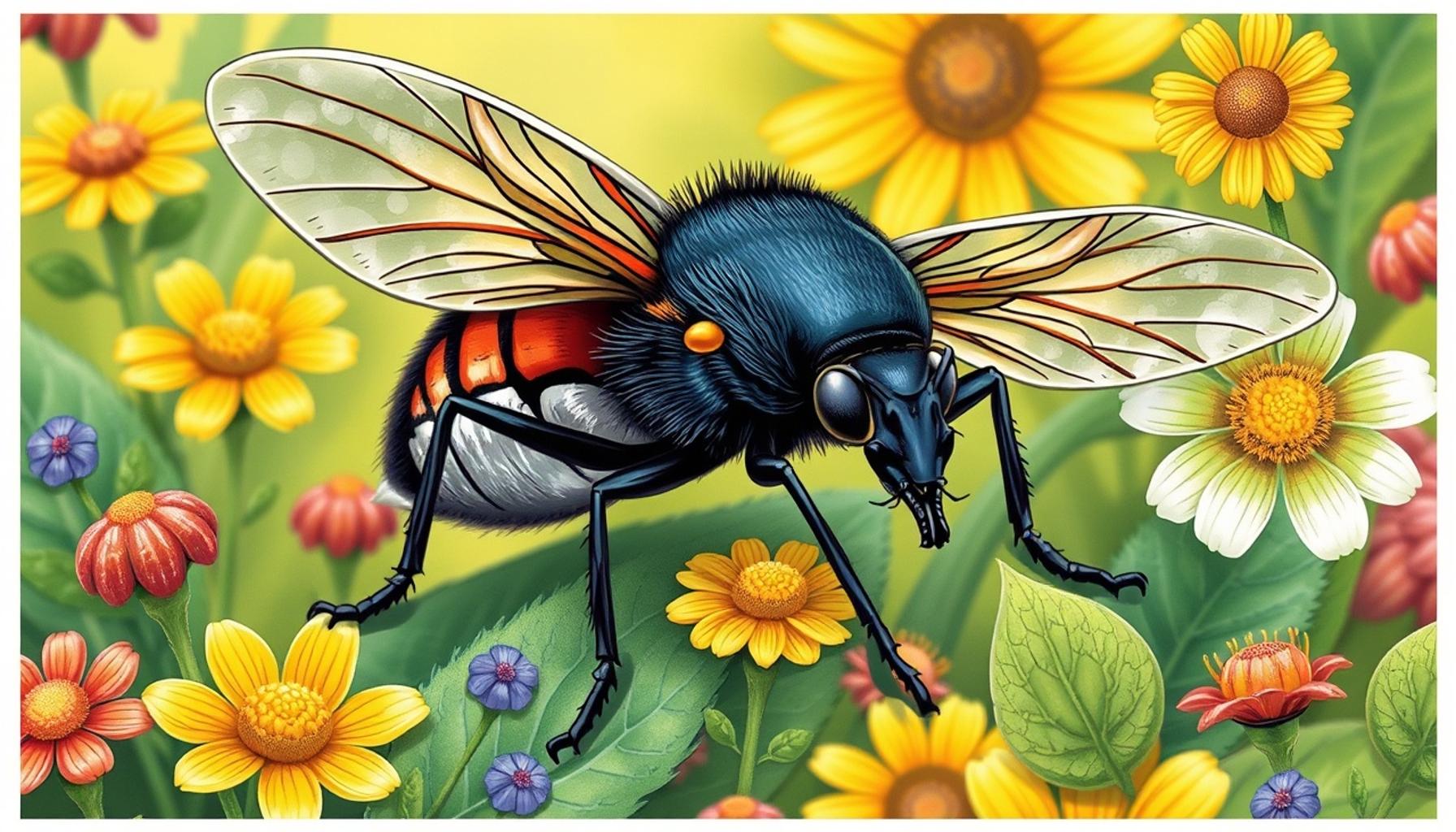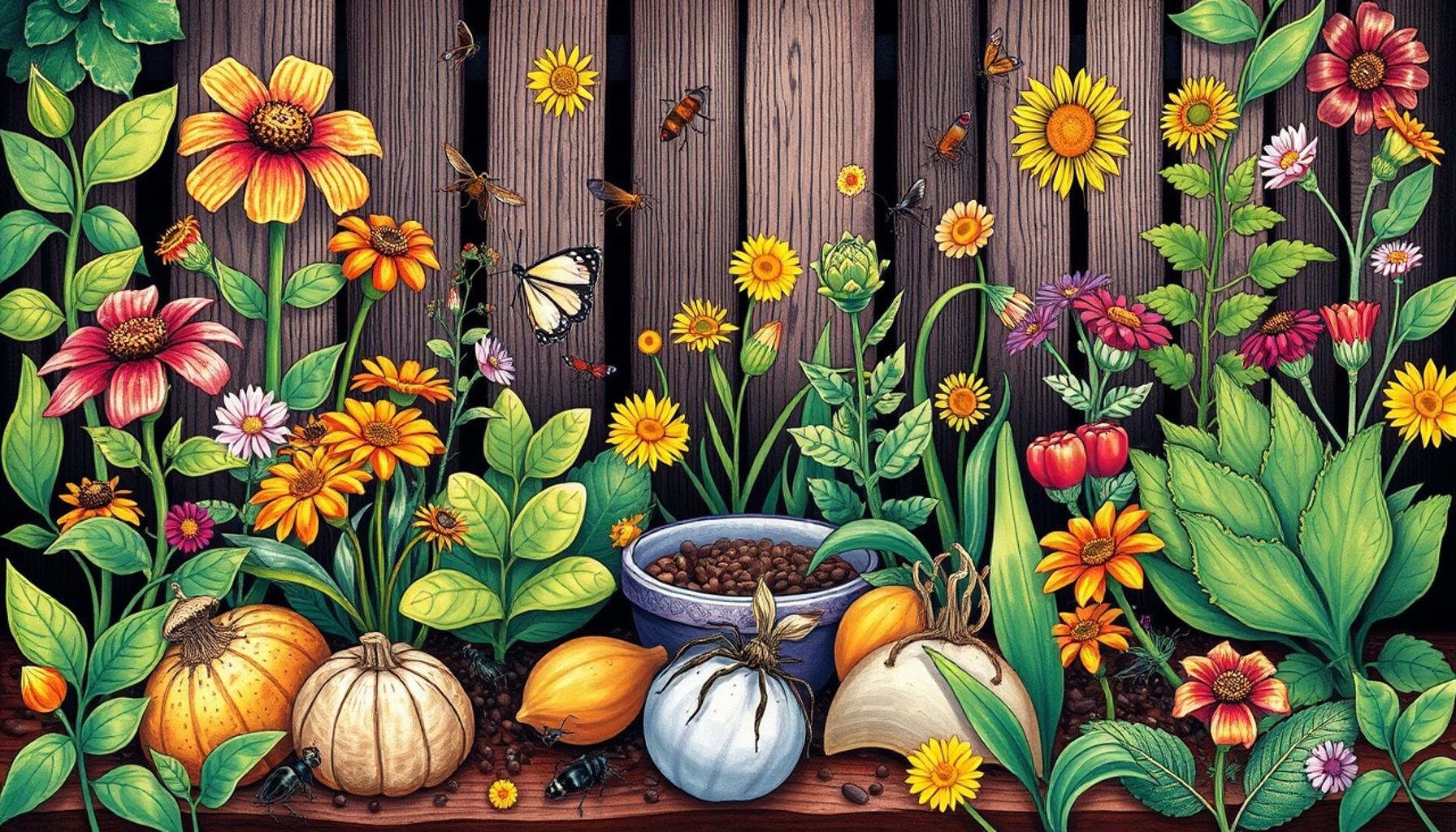
Understanding Common Garden Pests and Their Life Cycles

The Importance of Understanding Garden Pests
Every gardener faces the challenge of garden pests. Whether you’re a seasoned pro or a weekend enthusiast, understanding these creatures is crucial for maintaining a vibrant garden. Identifying common garden pests, such as aphids, slugs, and caterpillars, can be the difference between a thriving garden and a distressed one. These pests can wreak havoc if left unchecked, destroying your plants and diminishing your hard work.
To effectively manage these threats, it is essential to know about their diverse life cycles. Each pest undergoes various stages, from eggs to adults, which determine how and when you can best handle them. For example, aphids are notorious for their rapid reproduction; a single female can give birth to dozens of live young in a matter of days. If these aphids settle on your plants early in the season, their population can explode, making control much more complicated. Thus, understanding the importance of monitoring for aphid eggs in spring is crucial in preventing a future infestation.
Specific Garden Pests to Keep an Eye On
Familiarizing yourself with specific pests is fundamental to any gardener’s toolkit. Here are a few of the most prevalent culprits:
- Aphids: Small, slender insects that often cluster on the tender shoots and undersides of leaves. They suck sap and can compromise plant health, leading to stunted growth.
- Slugs: These soft-bodied gastropods emerge primarily after rain and are particularly fond of tender leaves, often leaving a telltale trail of slime. They can decimate seedlings overnight.
- Caterpillars: The larval stage of moths and butterflies are known for their voracious appetite. Not only do they consume leaves, but they can also damage fruit and flowers, significantly impacting yield.
Implementing timely interventions based on pest life cycles can significantly enhance your garden’s health. For example, targeting aphid eggs before they hatch can considerably diminish their numbers before they cause extensive damage. Additionally, recognizing when pests are most vulnerable allows you to use organic or chemical measures in a safe and effective manner, minimizing the risk to beneficial insects and the overall ecosystem.
Empowering Your Gardening Efforts
In this article, we’ll delve deeper into the fascinating world of garden pests and explore the intricacies of their life cycles. With knowledge as your tool, you can cultivate a healthy garden while safeguarding your beloved plants from unwelcome intruders. Gardening becomes more than a hobby; it transforms into an engaging challenge that allows you to learn and grow alongside your plants. Join us as we unravel how knowledge can empower your gardening efforts and protect your cherished green spaces.
DISCOVER MORE: Click here
Exploring the Life Cycles of Common Garden Pests
To effectively combat garden pests, it is essential to delve deeper into their life cycles. Knowing how pests grow and develop allows you to predict their behavior, times of vulnerability, and the best strategies for control. Most common garden pests undergo distinct stages, including egg, larva, pupa, and adult phases, each presenting unique challenges and opportunities for intervention.
Take aphids, for example. As one of the most common pests in gardens, these tiny insects reproduce at an astonishing rate. Female aphids can give birth to live young without mating, rapidly increasing their population under favorable conditions. They can lay their eggs as soon as they settle on a plant, making early detection vital. The nymphal stage follows, where young aphids gradually grow into adults in just a few days. Strategies such as introducing natural predators like ladybugs during this initial phase can significantly reduce their numbers.
The Life Cycle of Other Common Pests
Understanding the unique life cycles of various pests can prepare you for effective management. Here are a few additional notorious garden pests and their life cycles:
- Slugs: Slugs lay their eggs in moist soil, and once hatched, the juveniles thrive in damp conditions. Adult slugs are most active during cool and wet weather, making them particularly destructive in spring and early summer. Recognizing their preferred conditions allows you to implement barriers or traps effectively.
- Caterpillars: The larval stage of moths and butterflies can be quite destructive. After hatching from eggs, caterpillars actively feed and grow, often shedding their skin multiple times. This voracious appetitive phase can last several weeks, followed by a pupation stage where they transform into adult moths or butterflies, possibly laying even more eggs in your garden.
- Spider Mites: These minuscule arachnids reproduce rapidly under warm and dry conditions. A single female spider mite can produce hundreds of eggs in just a week. As adults, they are skilled at hiding on the undersides of leaves, making early detection challenging. Monitoring for their webbing in dry periods can help you address infestations quickly.
Adopting a proactive approach based on pest lifecycles not only bolsters your garden’s defense but can also improve overall plant health. By accurately timing your interventions – whether through organic methods or chemical treatments – you can disrupt the breeding patterns of these pests and significantly reduce their populations before they can cause irreparable damage.
Understanding these fundamental aspects of pest behavior not only aids in effective gardening but enriches your experience as a gardener. As you familiarize yourself with their life cycles, you will find new opportunities to intervene and protect your garden from unwelcome visitors. Embracing this knowledge will allow you to cultivate a thriving garden that rewards your efforts.
| Category | Key Characteristics |
|---|---|
| Aphids | These tiny, soft-bodied insects suck sap from plants, leading to wilting and yellowing leaves. |
| Life Cycle | Understanding their lifecycle is essential as they reproduce quickly, creating a high population in short time. |
| Spider Mites | These microscopic pests create fine webs and can cause serious damage by feeding on plant leaves. |
| Detection | Recognizing the early signs aids in controlling their infestation before significant damage occurs. |
| Whiteflies | These insects produce a sticky residue on leaves, attracting mold and further complicating plant health. |
| Impact | Understanding their impact enables gardeners to implement effective control strategies to protect their plants. |
Understanding these common garden pests and their life cycles is crucial for any gardener keen on maintaining a healthy garden. By recognizing these pests and their behaviors, you can better prepare and protect your plants, ensuring they thrive despite potential threats. For instance, awareness of the aphid population explosion can lead to timely interventions before the garden suffers extensive damage. Similarly, being vigilant about spider mites and whiteflies enables the use of organic or chemical treatments that can safeguard your garden ecosystem. Discover more strategies and insights into effective pest management as you delve deeper into the lifecycle intricacies of these common garden adversaries.
DISCOVER MORE: Click here to learn about beneficial insects
Identifying and Understanding Additional Garden Pests
Beyond aphids, slugs, caterpillars, and spider mites, numerous other pests can wreak havoc in your garden. Grasping their life cycles is key to thwarting their invasion. Let’s take a closer look at some other common garden pests, their life stages, and effective management techniques that can be employed.
Common Garden Pests and Their Challenges
- Whiteflies: These tiny, white-winged insects reproduce rapidly, laying eggs on the undersides of leaves. Nymphs hatch and feed on plant sap, creating a sticky residue known as honeydew, which can attract other pests like ants. Late spring is when their presence typically peaks, making regular monitoring essential. Introducing predatory insects such as parasitic wasps can help naturally manage whitefly populations during their vulnerable nymph stage.
- Japanese Beetles: The adult beetles often emerge in late spring to early summer. They feed on a variety of plants, causing skeletonization of the leaves. Females lay eggs in the soil, which turn into grubs that feed on grassroots. Grubs are particularly problematic in lawns, leading to patchy growth. Applying nematodes to the soil can help tackle these grubs before they can develop into harmful adults.
- Thrips: These minuscule, elongated insects are notorious for their feeding habits. They tenderly suck the juices from plants, causing stippling and discoloration. The life cycle of thrips consists of eggs, larvae, prepupae, and adults, with several generations often occurring within a single growing season. Gardeners should inspect plants regularly and use yellow sticky traps to catch adult thrips early, potentially keeping the infestations at bay.
- Leafcutter Ants: These remarkable yet destructive pests often establish colonies in or around gardens. Adult leafcutter ants cut and transport leaves back to their nests to cultivate fungi, their primary food source. Understanding that they are most active during warmer months allows gardeners to monitor for ant trails, which signals the need for immediate action, such as applying bait specifically designed to exterminate the queen and the workers.
Understanding these insects’ life cycles arms you with the knowledge to recognize early warning signs. Many pests exhibit a seasonal pattern, suggesting a window of opportunity to implement preventive measures. Timing your interventions appropriately ensures higher success rates. Natural methods, including creating insectary plantings that support beneficial insects, can enhance the natural balance in your garden. For example, marigolds repel nematodes and other pests, while attracting pollinators and predatory bugs, thereby fostering a healthier ecosystem.
Incorporating pest-resistant plant varieties into your garden design can also prove beneficial. Breeds such as disease-resistant tomatoes and pest-repellent herbs like basil can deter common pests while ensuring a bountiful harvest. The more you learn about these pests and their life cycles, the more equipped you become to create strategies that will allow your garden to flourish, despite the presence of these unwelcome visitors.
DISCOVER MORE: Click here for essential tips
Conclusion: Protecting Your Garden with Knowledge
In summary, understanding common garden pests and their life cycles is crucial for any gardener seeking to protect their plants and promote a healthy ecosystem. By identifying various pests, such as whiteflies, Japanese beetles, thrips, and leafcutter ants, gardeners can develop a strategic approach to pest management that utilizes both natural and chemical controls.
Recognizing the seasonal patterns and stages of these pests allows for timely interventions, which can significantly reduce their impact on your garden. Implementing preventive measures, such as introducing beneficial insects or employing pest-resistant plant varieties, enhances overall resilience against future infestations. Furthermore, cultivating an environment that supports beneficial insects can create a balanced ecosystem where your plants can thrive in harmony with nature.
The art of gardening is complicated by the presence of unwanted pests, yet it can be mastered through knowledge and observation. By continually educating yourself about garden pest life cycles and effective management techniques, you empower yourself to fend off these invaders and ensure a bountiful harvest. As you delve deeper into this subject, don’t hesitate to seek out resources, expert advice, and community forums where fellow gardeners share insights and strategies. With every discovery, you enhance your ability to create and maintain a flourishing garden, making it a true sanctuary for both plants and wildlife.