
The Role of Beneficial Insects in Pest Control for Home Gardens
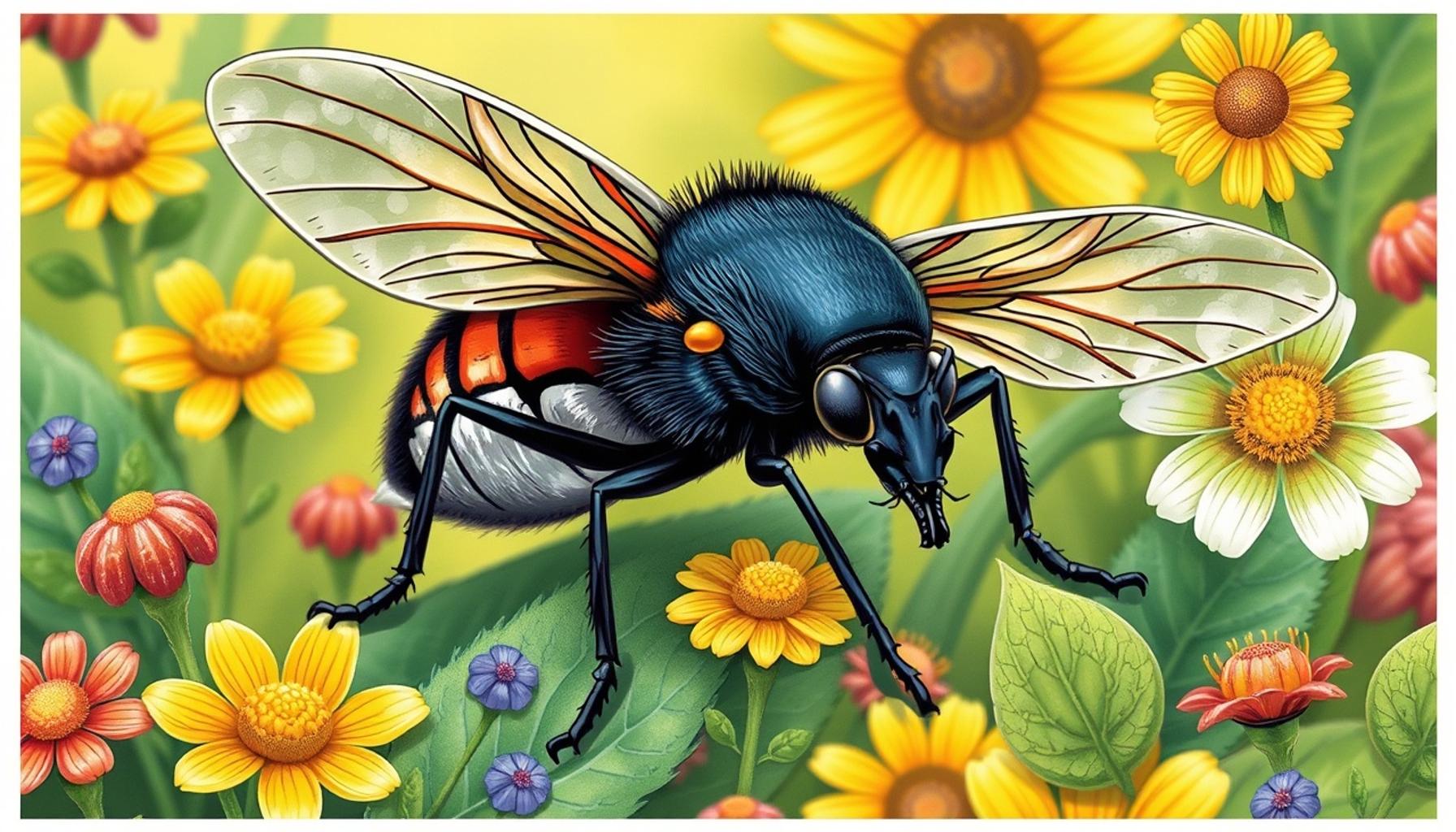
The Role of Beneficial Insects in Sustaining Garden Health
Gardeners often face a common challenge: pesky insects threatening their cherished plants. But what if the solution lies within nature itself? Beneficial insects, such as ladybugs and lacewings, can play a critical role in keeping these pests at bay, becoming invaluable allies in many gardeners’ efforts to create healthy and sustainable ecosystems. These beneficial insects are not merely allies; they are essential to maintaining the natural balance that our gardens need to thrive.
Key Benefits of Beneficial Insects
Beneficial insects offer numerous advantages for home gardens, and understanding these can help gardeners enhance plant health and productivity without resorting to harsh chemicals.
- Natural Pest Control: Beneficial insects significantly help in controlling pest populations. For instance, ladybugs are voracious consumers of aphids, which are notorious for damaging a variety of plants. Lacewings, whose larvae are often referred to as “aphid lions,” target pests like thrips and spider mites as well. By preying on these harmful insects, beneficial insects act as a natural form of pest management, reducing the need for chemical pesticides and fostering a more organic gardening approach.
- Pollination: Many beneficial insects, particularly bees and certain types of butterflies, play an essential role in pollinating flowering plants. According to the U.S. Department of Agriculture, pollinators contribute to the production of approximately one-third of the food that we consume. Encouraging beneficial insects in your garden can improve yields in fruits, vegetables, and other flowering plants, creating a more bountiful harvest.
- Soil Health: Certain beneficial insects, such as ground beetles, contribute positively to soil health. These beetles feed on pests and their decomposing bodies enrich the soil, improving its structure and fertility. Healthy soil leads to stronger plants, capable of resisting diseases and pests more effectively.
Utilizing these natural allies is not just eco-friendly; it promotes a balanced ecosystem in your backyard. Recognizing which insects are beneficial can empower gardeners to create a thriving environment that is conducive to plant health and biodiversity.
Examples of Beneficial Insects
Some common beneficial insects that gardeners can attract include:
- Ladybugs: Effective in controlling aphid populations. One ladybug can consume around 5,000 aphids during its lifetime, making them a truly efficient ally in pest control.
- Lacewings: Known for their voracious appetite for pests. Adult lacewings are attracted to nectar and pollen, which makes them an excellent addition to any garden as they also help with pollination.
- Parasitic Wasps: These small wasps target specific pests, such as caterpillars and aphids, laying their eggs inside them. When the eggs hatch, the larvae consume the host pest from the inside, thus providing a natural method for pest control.
By embracing beneficial insects, home gardeners not only safeguard their plants but also support the environment. Their presence fosters a natural balance that helps sustain healthy gardens. In subsequent sections, we’ll delve deeper into effective strategies for attracting and maintaining these valuable allies in your garden, ensuring that both the plants and the insects can coexist harmoniously.
DISCOVER MORE: Click here to find essential tools for your garden
Understanding the Impact of Beneficial Insects on Pest Dynamics
To appreciate the role of beneficial insects in pest control for home gardens, it’s crucial to recognize how these tiny creatures contribute to the larger ecosystem. Unlike their harmful counterparts, beneficial insects not only mitigate pest populations but also help sustain an inviting environment for plants. Their impact is multifaceted, encompassing direct pest control, enhancement of biodiversity, and even fostering a healthy soil ecosystem.
One of the most compelling reasons to cultivate beneficial insects in home gardens lies in their natural pest management abilities. For example, when ladybugs and lacewings take residence in a garden, they immediately set about seeking out their favorite prey: aphids, scale insects, and caterpillars. This predation naturally limits pest outbreaks, thus protecting crops from significant damage without the application of synthetic pesticides. According to the University of California Agriculture and Natural Resources, a single ladybug can consume anywhere between 5,000 to 10,000 aphids in its lifetime, showcasing a remarkable efficiency in controlling these pests before they escalate into a more significant problem.
- Hoverflies: Think of hoverflies as the unsung heroes of the garden. Their larvae eat aphids and other soft-bodied pests, while adult hoverflies help with pollination, further enhancing garden productivity.
- Predatory Mites: These tiny mites are excellent at managing spider mite populations—those pesky insects known for wreaking havoc on various plants, particularly in warm weather.
- Ground Beetles: Not just soil dwellers, ground beetles actively hunt down slugs, caterpillars, and even beetle larvae, making them essential guardians against soil-dwelling pests.
Moreover, beneficial insects serve another significant function: they promote biodiversity. A garden teeming with various species can withstand pest pressures much better than a homogenous planting. Different insects fill niche roles, creating a well-rounded insect community. For instance, while ladybugs manage soft-bodied insect populations, predatory wasps might focus on larger caterpillar pests. This division of labor allows for more efficient control and less reliance on any single method of pest management.
In addition to pest control and biodiversity enhancement, beneficial insects are essential for maintaining soil health. The encouragement of insect activity in the soil—thanks indirectly to predators managing pest populations—can lead to improved nutrient cycling and soil structure. For example, ground beetles reduce pest populations, leaving behind organic matter that enriches the soil as it decomposes. This nutrient diffusion supports the growth of resilient plants, creating a self-sustaining cycle of health and vitality.
Recognizing the myriad benefits of these insects is the first step toward fostering a thriving, pest-resistant garden. By inviting beneficial insects into their outdoor spaces, gardeners can reap rewards that far surpass traditional methods of pest control. Future sections will explore effective strategies for attracting these invaluable allies, creating a gardening experience that harmonizes with nature.
When it comes to gardening, the general perception often leans toward eradication of all insects; however, this view neglects the vital role that beneficial insects play in maintaining a healthy ecosystem within our home gardens. Understanding these insects can not only enhance the beauty of our gardens but also ensure a more significant yield of crops with minimal chemical intervention.
One of the most crucial benefits of attracting beneficial insects to your garden is their natural pest control abilities. For instance, ladybugs and lacewings are renowned for preying on aphids, a common nuisance for many plants. By fostering a habitat that attracts these predators, you create an organic balance that allows plants to thrive without the need for pesticides, which can be harmful to the environment.
Moreover, beneficial insects like bees and butterflies are essential for pollination, aiding in the reproduction of flowering plants and thereby enhancing garden productivity. Instead of relying solely on chemical means to combat pests, gardeners should focus on building an inviting environment that encourages these beneficial creatures to visit and remain.
Incorporating practices like planting native species, providing water sources, and minimizing the use of harmful pesticides can greatly increase the diversity of beneficial insects. By understanding the connection between these insects and pest control, home gardeners can cultivate a thriving, sustainable garden that works in harmony with nature.
| Category 1 | Category 2 |
|---|---|
| Natural Pest Control Agents | Beneficial insects like ladybugs effectively reduce aphid populations and other harmful pests. |
| Pollinators | Insects like bees and butterflies play a critical role in pollinating flowers, ensuring fruit and seed production. |
Understanding the dynamics of beneficial insects is crucial for any gardener looking to embrace a sustainable and productive gardening lifestyle. Investing in strategies that support these friendly insects can transform your garden into a picturesque and fruitful oasis.
DISCOVER MORE: Click here to learn about essential garden tools
Encouraging Beneficial Insects: Practical Strategies for Gardeners
Understanding the importance of beneficial insects in maintaining a healthy garden is just the beginning. To truly harness their potential, home gardeners must adopt strategies aimed at attracting and retaining these vital allies. The methodologies employed can create an ecosystem where beneficial insects thrive, ensuring their natural pest control mechanisms remain active and effective.
One of the most effective approaches to attract beneficial insects is by implementing diverse plant selections. Cultivating a variety of flowering plants not only offers nectar and pollen sources necessary for many beneficial insects but also extends the blooming period throughout the growing season. For instance, planting a mix of native wildflowers, such as coneflowers, black-eyed Susans, and milkweed, can provide essential food sources for pollinators and predatory insects alike. Additionally, herbs like dill, fennel, and cilantro can attract hoverflies and predatory wasps, both of which contribute significantly to pest control in home gardens.
- Providing Shelter: It’s essential to create habitats that offer refuge for beneficial insects. Small shrubs, ground cover plants, and even simple features like insect hotels or brush piles can provide shelter from predators and harsh weather conditions.
- Minimized Pesticide Use: A critical consideration in fostering a healthy insect population is reducing or completely avoiding the use of synthetic pesticides. These chemicals can inadvertently harm beneficial insect species, disrupting their vital role in pest management. Instead, consider utilizing organic alternatives or targeted treatments that focus on problem areas without endangering beneficial populations.
- Encouraging Biodiversity: Beyond plant diversity, maintaining a well-rounded ecosystem with various insects can thwart pest outbreaks. This involves planting certain companion crops that naturally aid each other, thereby attracting the right mix of beneficial insects. For example, interspersing marigolds among vegetable crops can deter nematodes and attract beneficial predatory insects.
Further aiding the cause, the establishment of a water source such as a small birdbath or shallow dish can significantly enhance the attractiveness of the garden to beneficial insects. Many necessitate water for survival, particularly during the hot summer months, and even a small supply can draw more predatory insects, which in turn controls pest populations.
Monitoring and managing plant health play crucial roles as well. Keeping a keen eye on garden conditions and promptly addressing signs of pest infestations can help ensure that the beneficial insects will remain undeterred while maintaining their effectiveness. It is essential to strike a balance; if pest thresholds are exceeded, it may be time to introduce additional beneficial insects or take organic pest management measures to restore equilibrium.
Engaging in these practices not only fosters a thriving community of beneficial insects but also aligns the gardening efforts with sustainable and environmentally friendly principles. As gardeners become more attentive to their role in creating hospitable habitats, they will likely witness the empowering synergy between plants, beneficial insects, and their gardens. The pursuit of balance within this dynamic ecosystem is not merely a trendy gardening tactic; it represents a necessary shift toward a more holistic and nature-respecting approach to home gardening, where beneficial insects become valued partners in the ongoing endeavor of pest management.
DISCOVER MORE: Click here for essential tips
Conclusion: The Crucial Partnership of Beneficial Insects in Home Gardening
As we dive into the multifaceted world of gardening, it’s clear that beneficial insects serve as an indispensable ally in the quest for effective pest control. By being mindful of the ecological balance that surrounds us, home gardeners can encourage these vital species, promoting a healthier environment while simultaneously enhancing their garden’s productivity. The strategies outlined, from diverse plant selections to reducing pesticide use, demonstrate that simple actions can lead to profound impacts.
The role of beneficial insects transcends mere pest management; it’s about fostering a biodiversity that enriches the garden ecosystem. By providing shelter, food sources, and water, and by practicing thoughtful gardening techniques, we can create inviting habitats where beneficial insects flourish. This not only bolsters their populations but also encourages a self-sustaining pest control system that negates the need for harmful chemicals.
Moreover, this partnership with nature invites us to rethink conventional gardening paradigms. As we cultivate a symbiotic relationship with these tiny creatures, we become stewards of the environment, paving the way for future generations to inherit a more sustainable agricultural landscape. Embracing organic gardening practices and advocating for biodiversity is no longer just an option—it is a necessity in our evolving world. In closing, the journey to a thriving home garden is enhanced by recognizing and nurturing the invaluable contributions of beneficial insects, positioning them as vital partners in our pursuit of a flourishing and resilient green space.