Top Indoor Plants for Beginners The Ultimate Guide to Growing Indoors
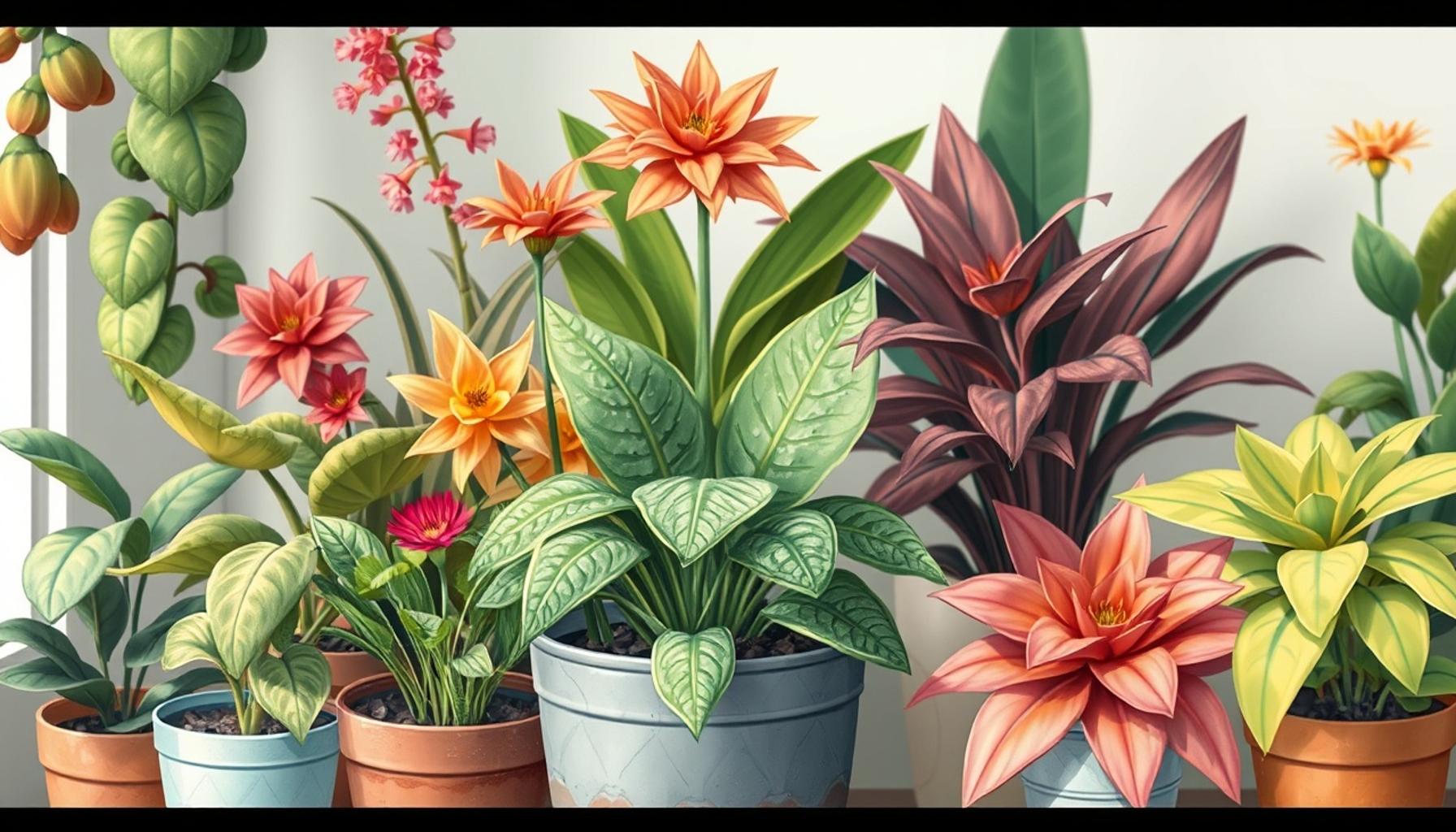
Indoor gardening offers a fantastic way to bring a touch of nature into your home while enjoying the benefits of nurturing plants. For beginners, understanding the best types of plants to cultivate is essential for fostering a successful indoor garden. As we delve into the world of indoor plants, you’ll discover options that are easy to care for, resilient, and perfect for any living space.
Why Choose Indoor Plants?
- Improves air quality: Many indoor plants naturally filter toxins from the air.
- Enhances mood: Studies show that caring for plants can reduce stress and boost overall happiness.
- Space efficiency: Indoor plants require minimal space and can thrive in various conditions.
Whether you have a bright window or very little natural light, there is a plant suited to your environment. This article will provide a comprehensive guide, highlighting the Top 5 indoor plants that every beginner should consider. Get ready to transform your living space into a green oasis!
DISCOVER MORE: Click here to find out how to choose the best low-maintenance plants
Top 5 Best Indoor Plants for Beginners: A Complete Guide
If you’re venturing into the rewarding world of indoor gardening for the first time, selecting the right plants can be a game-changer. Not only do these plants require minimal fuss, but they also transform your living space into a serene haven while contributing to improved air quality. Below, we delve into the top five best indoor plants that seamlessly fit into the lifestyle of a novice gardener. These selections, ranked from fifth to first, are famed for their simple care requirements and robust nature in various indoor environments.
5. Snake Plant (Sansevieria)
The Snake Plant, also known by names like Sansevieria or Mother-in-Law’s Tongue, is lauded for its robust ability to thrive in conditions that would challenge most other houseplants. This tenacious plant is adaptable to lighting conditions ranging from low light to bright, indirect light.
What makes the Snake Plant particularly appealing is its significant contribution to air purification. By filtering airborne toxins such as formaldehyde and benzene, it makes your living space healthier to inhabit. Furthermore, these plants are highly tolerant of neglect, needing water only every two to three weeks. This means more time for you to stand back and admire its architectural form, with tall, sword-like leaves that bring a bold aesthetic to any room.
- Light Requirements: Low to bright indirect light.
- Watering Frequency: Every 2-3 weeks; allow soil to dry between watering.
- Special Features: Known for air-purifying qualities and resilience.
4. Pothos (Epipremnum aureum)
Pothos, often nicknamed the ‘devil’s ivy’, is cherished by beginner and seasoned indoor gardeners alike. This is largely due to its ability to withstand a significant variety of environments and its forgiving nature. Pothos makes a striking addition to hanging planters or can cascade elegantly from a shelf, turning everyday spaces into lush, green oases.
The plant is resilient, showing signs of thirst with subtle leaf drooping, which quickly corrects upon watering. Allowing the top inch of its soil to dry out between waterings keeps the plant happy and healthy. Ideal in moderate to indirect light, its trailing branches adorned with glossy, heart-shaped leaves can create vibrant green curtains that brighten and energize any indoor space.
- Light Requirements: Thrives in moderate or indirect light sources.
- Watering Frequency: Water once the soil feels dry to the touch.
- Special Features: Low-maintenance, visually stunning with versatile placement options.
3. ZZ Plant (Zamioculcas zamiifolia)
The ZZ Plant stands out with its sleek, glossy leaves and astonishing ability to thrive in adversity. Ideal for both home and office settings, it remains lush and beautiful even in low-light areas and can manage extended periods without water—traits that draw gardeners with busy lifestyles.
Remarkably resistant to pests, ZZ Plants also perform well in suboptimal soil conditions. This makes them almost unyielding to common beginner pitfalls. Positioning this plant in an underlit corner can transform your area into a luminous spot of green without demanding much attention or care.
- Light Requirements: Perfectly content in low to moderate light environments.
- Watering Frequency: Water once every 2-3 weeks; ensure soil has dried out.
- Special Features: Pest resistance and striking visual appeal.
2. Spider Plant (Chlorophytum comosum)
Spider Plants bring joy to beginner horticulturists through both ease of care and interactive growth patterns. Known for generating “pups” or baby plants that dangle from long stems, they offer the excitement of propagation without complexity, making them ideal for sharing with plant-loving friends.
Spider Plants thrive when basked in bright, indirect sunlight and are known for their air-filtering prowess, effectively removing pollutants like carbon monoxide from indoor air. While they enjoy regular watering, they forgive the occasional oversight. Their playful appearance and characteristic striped leaves capture the light, effectively adding a cheerful touch to any room.
- Light Requirements: Prefers bright, indirect light but adaptable to lower light.
- Watering Frequency: Weekly or when the soil feels dry.
- Special Features: Easy propagation and robust nature.
1. Peace Lily (Spathiphyllum)
The Peace Lily reigns supreme among beginner-friendly indoor plants. This graceful plant not only flourishes in low-light conditions but sporadically gifts its caretakers stunning, white blooms. These are more than just decorative; they signify its overall health and care regime.
Peace Lilies bring numerous benefits as they excel in purifying indoor air by removing toxins, adding not just aesthetic but also health benefits to your home atmosphere. Regular watering keeps it in optimum condition, but it remains tolerant if occasional lapses occur. Cultivating a Peace Lily introduces elegance, manifesting tranquility and sophistication however positioned.
Incorporating these durable, vibrant plants into your home not only beautifies your interior space but also creates an inviting and health-conscious environment. Explore the wide varieties available, each uniquely offering personal benefits, from enhancing oxygen levels to instilling a sense of calm, proving once more that nurturing indoor plants is a fulfilling and accessible hobby for anyone.
- Light Requirements: Adapts well to low light settings.
- Watering Frequency: Regular; prefers moist soil without waterlogging.
- Special Features: Blossoms periodically with striking blooms; exceptional air purifier.
| Category | Description |
|---|---|
| Low Light Plants | Plants such as pothos and snake plants can thrive in low light, making them ideal for rooms with limited natural sunlight. |
| Air Purifying Plants | Plants like spider plants and peace lilies can improve indoor air quality by removing toxins and releasing oxygen, promoting a healthier environment. |
| Herbs for Cooking | Growing herbs like basil and mint indoors not only enhances culinary experiences but also offers easy access to fresh ingredients right from your kitchen. |
| Easy Maintenance Plants | Succulents and cacti are perfect for beginners as they require minimal watering and care, making them hassle-free options for indoor gardening. |
DISCOVER MORE: Click here for essential tips
Frequently Asked Questions About Indoor Plant Cultivation for Beginners
What are the easiest plants to grow indoors?
For beginners, some of the easiest plants to grow indoors include the snake plant, spider plant, and pothos. These plants are renowned for their low maintenance and ability to thrive in various light conditions. For example, the snake plant can tolerate low light and irregular watering, making it an ideal choice for those new to indoor gardening.
How much sunlight do indoor plants need?
The amount of sunlight needed depends on the plant species. Most indoor plants prefer indirect sunlight, which means they should be placed near a window but not directly in the sun’s rays. A pothos plant, for instance, thrives in low to medium indirect light, whereas a succulent might require a bit more light. Always research specific light needs for each plant to ensure they receive the correct amount.
How often should I water my indoor plants?
Watering frequency can vary greatly depending on the plant type, pot size, and indoor climate. A general rule is to water when the top inch of soil feels dry to the touch. Overwatering is a common mistake that can lead to root rot, so be cautious! Plants like succulents need less frequent watering, while ferns might need more regular attention.
What are some tips for fertilizing indoor plants?
Indoor plants typically need to be fertilized every 4-6 weeks during the growing season, which is usually spring and summer. Use a balanced, water-soluble fertilizer and carefully follow the instructions on the label. Remember, more is not always better; over-fertilizing can damage your plants. It’s best to fertilize when the soil is already moist to avoid burning the plant roots.
Can indoor plants improve air quality?
Yes, many indoor plants can help improve air quality by filtering toxins and releasing oxygen. Plants like the peace lily, bamboo palm, and English ivy are effective at purifying indoor air. Introducing a variety of plants into your space not only adds aesthetic value but could also contribute to a healthier indoor environment.
DISCOVER MORE: Click here to dive deeper
Conclusion: A Green Introduction to Indoor Gardening for Beginners
Embarking on the journey of indoor gardening can be a rewarding experience for beginners, transforming your living space into a vibrant and lush sanctuary. Throughout this guide, we’ve explored some of the best plants for indoor cultivation, each offering unique benefits that contribute to a healthier and more aesthetically pleasing environment.
To recap, the top five plants for beginners include the resilient Pothos, which thrives in low light and minimal care, and the elegant Snake Plant, known for its ability to purify air and tolerate neglect. The versatile Spider Plant adds charm with its cascading leaves, while the Peace Lily introduces a touch of elegance and humidity to any room. Lastly, the Aloe Vera not only serves as an easy-to-care-for plant but also possesses medicinal properties that can be handy in every household.
The importance of selecting the right plants cannot be understated, especially for those new to gardening. Choosing hardy and low-maintenance species ensures a positive start, building confidence and a sense of achievement. This initial success sets the stage for aspiring gardeners to explore a wider variety of plants over time.
In conclusion, cultivating indoor plants is more than just a hobby; it’s a way to enhance your home environment, improve air quality, and foster a sense of calm and well-being. With dedication, a little patience, and the right choices, anyone can enjoy the benefits of bringing nature indoors. Remember, the key to successful indoor gardening is starting small, learning from each plant, and gradually expanding your green haven. Embrace the journey, and soon, you’ll find that your indoor garden becomes a delightful escape from the hustle and bustle of everyday life.