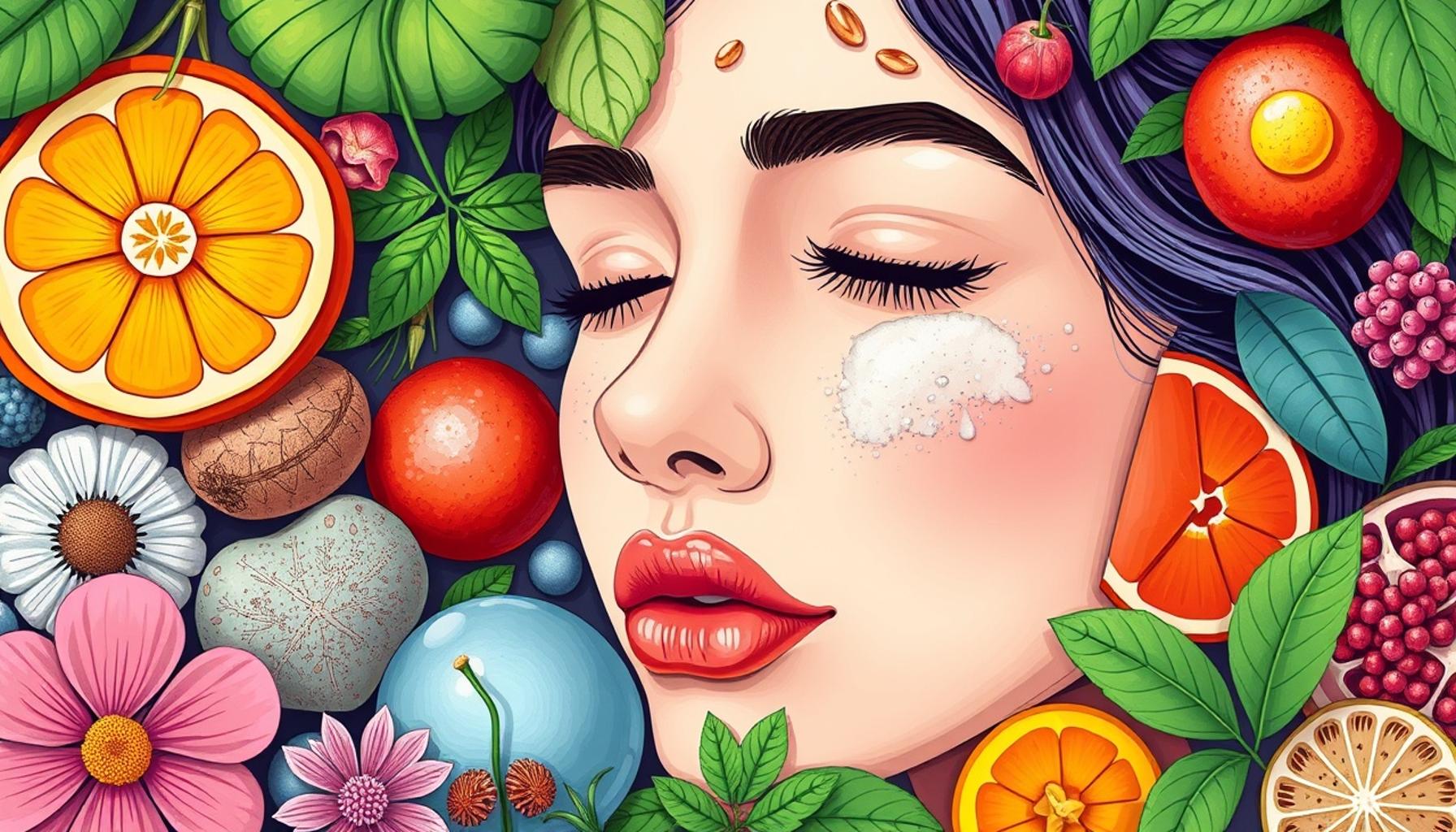
The Impact of Diet on Skin Health and Acne

Understanding the Connection Between Diet and Skin Health
What we put on our plates can have a profound effect on our skin. While many factors contribute to skin health, nutrition plays a pivotal role in determining our complexion and overall skin condition. It’s fascinating to consider how daily dietary choices, often taken for granted, can have both immediate and long-term effects on our skin’s appearance. From the foods we love to the snacks we indulge in, let’s explore how these choices can lead to vibrant skin or problematic acne.
Key Diet Factors Influencing Skin
- Processed Sugars: High sugar intake may trigger inflammation, exacerbating acne. Research has shown that diets high in refined carbohydrates and sugars can increase the risk of acne by promoting inflammation and affecting hormone levels. For instance, a study published in the Journal of Clinical and Aesthetic Dermatology identified a clear association between high-glycemic-index diets and the development of acne.
- Dairy Products: Some studies suggest a link between dairy consumption and skin breakouts. The hormones present in milk, particularly in skim and low-fat products, are believed to play a role in increasing breakouts. Thus, individuals experiencing persistent acne may benefit from monitoring their dairy intake.
- Omega-3 Fatty Acids: Found in fish such as salmon, walnuts, and flaxseeds, these essential fatty acids help maintain skin elasticity and hydration. One study indicated that increasing omega-3 intake could lead to improved moisture retention in the skin, reducing dry patches and promoting a healthy glow.
- Fruits and Vegetables: Rich in antioxidants, these foods fight oxidative stress and promote healing. Colorful fruits and vegetables are particularly high in vitamins C and E, which are essential for collagen production and skin repair. For example, grapefruits and sweet potatoes not only brighten your plate but also nurture your skin from within.
In the United States, the modern diet is often rich in processed foods, which can increase the likelihood of skin issues. Moreover, the Western diet’s emphasis on carbohydrates can prompt insulin spikes, potentially leading to increased oil production in the skin. This means choices like white bread, sugary snacks, and sugary beverages could be contributing to problematic skin, particularly for those predisposed to acne.
Uncovering New Insights
As we delve deeper into this subject, it becomes clear that adopting a balanced diet is not only beneficial for our health but also essential for maintaining radiant skin. The relationship between nutrition and skin health is complex and ongoing, with newer research continuously emerging to reveal more about how dietary habits affect our largest organ.
Understanding the intricate relationship between what we eat and how our skin responds encourages us to make informed choices. It’s crucial to recognize that while diet plays a significant role, it’s just one part of a larger picture that includes hydration, skincare routines, and even stress management.
Join us as we unravel the science behind diet and skin health, and discover practical tips for enhancing your skincare routine through mindful eating. Identifying which foods support your skin can lead to a more informed approach to nutrition, allowing you to embrace a lifestyle that promotes both your inner health and outer beauty.
DISCOVER MORE: Click here to learn about the benefits of tinted sunscreens
The Role of Specific Nutrients on Skin Health
When considering the impact of diet on skin health and acne, it is vital to look closely at the specific nutrients that can either contribute to beautiful skin or lead to breakouts. Understanding the role of individual dietary components helps illuminate the path to clearer, healthier skin. This section delves deeper into the nutritional elements that can influence skin conditions, particularly focusing on essential vitamins, minerals, and macronutrients.
Antioxidants and Their Protective Powers
Antioxidants are a crucial component in the fight against skin aging and inflammation. By scavenging free radicals, they prevent oxidative stress that can damage skin cells. Foods rich in antioxidants, such as berries, dark chocolate, and green leafy vegetables, are effective in protecting skin integrity. Research in the Journal of Investigative Dermatology highlights that antioxidant-rich diets are associated with lower incidences of acne and other skin disorders, emphasizing their protective role against environmental aggressors.
The Importance of Hydration
Not only does hydration impact our internal health, but it directly affects the appearance and vitality of our skin. Adequate water intake ensures that skin maintains its elasticity, keeps it plump, and assists in detoxification. A well-hydrated body can drastically reduce the likelihood of dryness and flakiness, which often aggravates skin conditions. The common guideline of eight 8-ounce glasses of water daily, however, may need personalized adjustments based on individual needs, climate, and activity level. Remember, hydration can also come from fruits and vegetables, such as cucumbers and strawberries, which provide not just water but a plethora of vitamins and minerals.
Vitamin A: The Skin’s Best Friend
Vitamin A is another powerhouse nutrient linked to skin health. This vitamin is vital for skin cell production and turnover, and it can significantly reduce the appearance of acne. Sources abundant in Vitamin A include carrots, sweet potatoes, and spinach. Topical retinoids, derivatives of Vitamin A, are frequently recommended by dermatologists for treating acne due to their ability to unclog pores and reduce inflammation. Therefore, incorporating Vitamin A into one’s diet can offer beneficial effects alongside topical treatments.
Fibers and Their Role in Skin Clarity
A diet high in fiber, particularly from whole grains, fruits, and vegetables, not only supports digestive health but may also contribute to clearer skin. Fiber helps regulate blood sugar levels and reduces insulin spikes, which can lead to excess oil production and acne flare-ups. Additionally, high fiber foods often come packed with vitamins and minerals that nourish the skin, creating a synergistic effect for optimal skin health.
As we explore these vital nutrients, it becomes increasingly clear that making informed dietary choices can lead to improved skin health and less acne. By recognizing the direct influence of individual foods and nutrients, individuals can take proactive measures toward achieving their skincare goals. This awareness opens up opportunities for better dietary habits, leading to healthier skin from the inside out.
The relationship between diet and skin health has become a focal point of interest in both the dermatological and nutritional communities. A well-balanced diet can significantly influence the condition of your skin, with specific foods possessing properties that may help reduce acne flare-ups and improve overall skin vitality. Understanding which types of food contribute to healthy skin versus those that could exacerbate acne is essential for anyone looking to enhance their skincare routine.
One of the key areas of focus is the role of glycemic index (GI) in your diet. Foods that are high on the glycemic index, such as white bread and sugary snacks, can provoke an insulin spike which may lead to increased oil production and inflammation in the skin, both of which are major contributors to acne. On the other hand, low-glycemic foods such as whole grains, legumes, and most fruits and vegetables can help maintain balanced insulin levels, promoting clearer skin.
Moreover, an increase in antioxidant-rich foods can greatly benefit skin health. Ingredients rich in vitamins A, C, and E, such as tomatoes, blueberries, and nuts, help counteract oxidative stress that can damage skin cells and trigger acne. Foods high in omega-3 fatty acids, like salmon and flaxseeds, are also known to lower inflammation, which is another significant factor in acne development.
Hydration is another critical component of skin health. Drinking adequate water can help maintain skin moisture and elasticity, further reducing the likelihood of breakouts. Eliminating or minimizing processed foods and dairy, which have been linked to increased acne severity in some individuals, may also contribute positively to the skin’s appearance.
By integrating these dietary adjustments, individuals may not only see an improvement in their acne but can also promote a healthier, more radiant complexion overall. The journey towards effective acne management through diet offers valuable insights and possibilities, encouraging ongoing exploration into the foods that best support skin health.
| Nutrition Aspect | Effect on Skin Health |
|---|---|
| Low-Glycemic Foods | Help regulate insulin levels and reduce acne outbreaks. |
| Antioxidant-Rich Foods | Combat oxidative stress and improve skin cell health. |
| Omega-3 Fatty Acids | Reduce inflammation and promote clearer skin. |
| Hydration | Enhances skin moisture and elasticity, reducing breakouts. |
This detailed exploration encourages readers to understand the intricate connections between dietary choices and skin health. By making informed dietary adjustments, individuals can see significant improvements in their skin’s vitality and clarity, thriving on the journey toward optimal skin health.
DISCOVER MORE: Click here to learn about the impact of sleep on your skin
The Connection Between Blood Sugar and Skin Breakouts
The influence of blood sugar levels on skin health is a topic that has gained significant traction in recent years. High glycemic index foods—such as white bread, sugary snacks, and sodas—can cause rapid spikes in blood sugar, leading to increased insulin production. This surge in insulin can subsequently trigger the overproduction of sebum, a natural oil produced by the skin. The result? Clogged pores and a higher likelihood of acne breakouts. A study published in the American Journal of Clinical Nutrition found that those who followed a low-glycemic index diet experienced fewer acne lesions, underscoring the vital role that carbohydrate choices can play in skin health.
Omega-3 Fatty Acids: Anti-inflammatory Allies
Another essential dietary component linked to skin health is omega-3 fatty acids. These polyunsaturated fats are known for their anti-inflammatory properties, making them a natural ally against skin conditions like acne and psoriasis. Found in fatty fish such as salmon, sardines, and plant-based sources like chia seeds and walnuts, omega-3s can help reduce inflammation and irritation of the skin. Research in the Journal of Lipid Research indicates that omega-3 fatty acids contribute to the health of cell membranes and enhance skin barrier function, making the skin more resilient against environmental stressors.
The Gut-Skin Connection
Recent studies have increasingly illustrated the gut-skin connection, emphasizing how gut health directly influences skin conditions. A balanced gut microbiome can promote skin clarity and overall health, while dysbiosis, or an imbalance of gut flora, can exacerbate skin issues, including acne. Probiotics and prebiotics—found in foods like yogurt, fermented vegetables, and whole grains—can support a healthy gut and may lead to visible improvements in skin appearance. A 2021 study published in the Journal of Dermatological Science indicated that participants supplementing with probiotics saw reductions in acne lesions, reinforcing the role of digestive health in skincare.
The Role of Dairy and Its Controversial Effects
Another area of interest in the diet-acne relationship is the impact of dairy products. While research is ongoing, some studies suggest a potential correlation between dairy consumption and an increase in acne prevalence, particularly in adolescents. Hormones present in milk, particularly in skim and low-fat variants, may stimulate sebaceous gland activity, consequently increasing sebum production. A meta-analysis published in the Journal of the American Academy of Dermatology indicated that adolescents who consumed dairy were more likely to experience persistent acne. As a result, individuals might consider moderating their dairy intake to assess its effects on their skin.
Mindfulness in Eating: The Psychological Aspect
Lastly, it is crucial not to overlook the psychological relationship between diet and skin health. Stress and anxiety can lead to unhealthy eating patterns, often driving individuals towards processed comfort foods that can trigger breakouts. Adopting mindful eating practices, focusing on whole, nutrient-dense foods, can not only improve dietary choices but also empower individuals to take control of their skin health. Incorporating stress-reducing techniques, such as yoga or meditation, alongside a balanced diet may yield further benefits for both mental well-being and skin clarity.
In summary, the link between diet and skin health is multifaceted. By making informed dietary choices and paying attention to the health of the gut and relationship between food and skin reactions, individuals can empower themselves in the quest for clearer skin.
DON’T MISS OUT: Click here for essential sunscreen application tips
Conclusion: A Holistic Approach to Diet and Skin Health
In exploring the impact of diet on skin health and acne, it is clear that our food choices can significantly influence the appearance and condition of our skin. From the relationship between blood sugar levels and acne breakouts to the benefits of omega-3 fatty acids and the gut-skin connection, the evidence suggests that what we eat plays a crucial role in skin vitality.
Moreover, understanding the potential effects of dairy consumption on acne prevalence and adopting mindful eating habits provides additional avenues for achieving clearer skin. With ongoing research revealing the complexities of skin health, individuals may find that a personalized approach to their diet, which accommodates unique reactions and preferences, offers the best results.
Embracing a holistic perspective—where dietary choices are complemented by lifestyle factors such as stress management and hydration—can empower individuals in their quest for optimal skin health. Thus, while the journey may vary for each person, the synergy of a balanced diet rich in whole foods and mindfulness practices can lead to remarkable improvements. As we continue to unravel the intricate relationship between diet and skin, it invites readers to become curious researchers of their own skin health. The pathway to radiant skin might just lie within the meals we choose each day.