
The Relationship between Stress and the Onset of Acne: Management Strategies
Understanding Stress and Its Impact on Acne
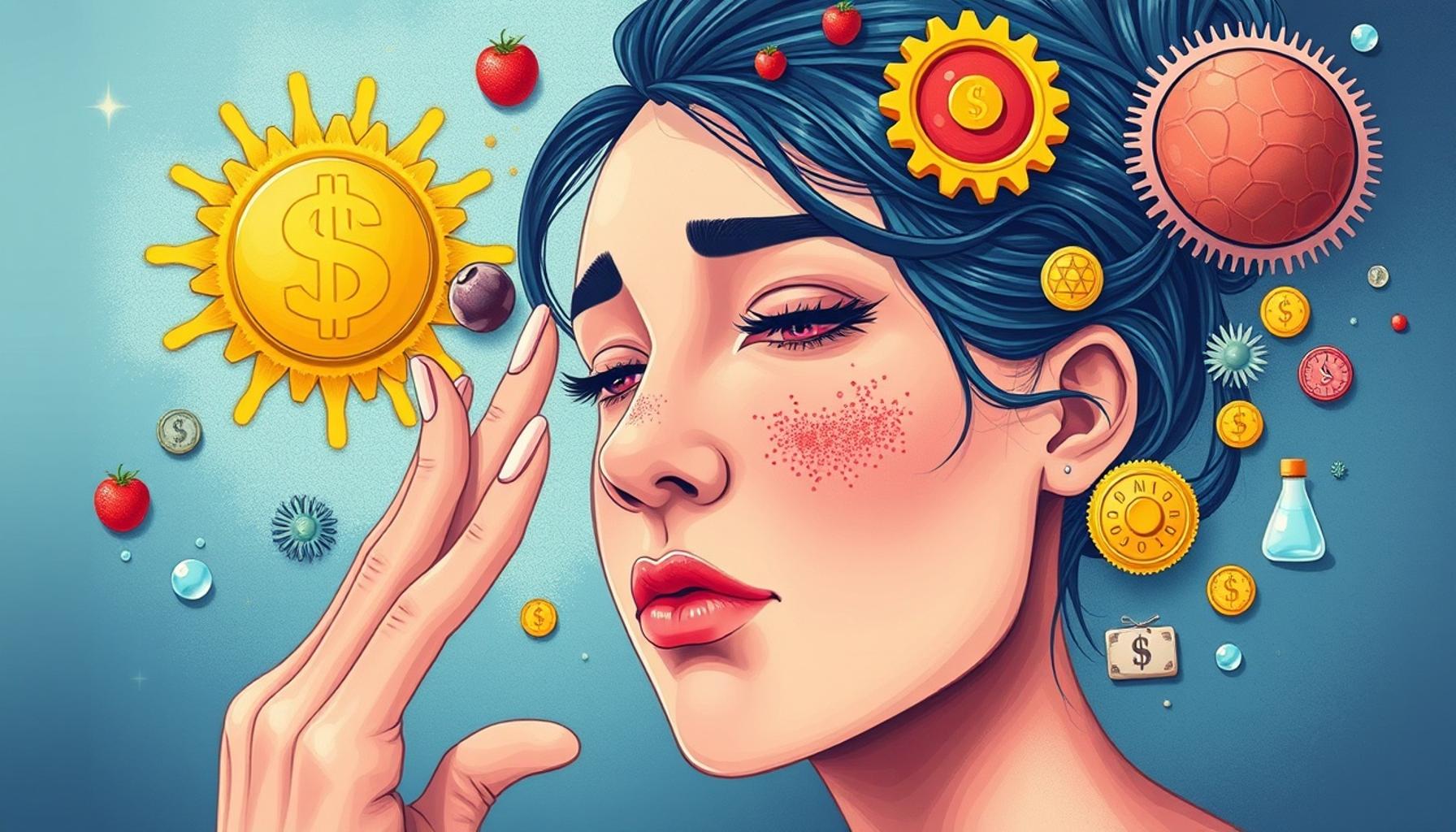
Stress is a pervasive issue that influences the daily lives of millions of Americans. While the effects of stress are frequently discussed in terms of mental health, such as anxiety and depression, its influence on physical health, particularly the development of acne, is often overlooked. This connection is significant, as recognizing how stress can impact skin health may guide individuals toward more effective management techniques to combat breakouts.
The Biological Connection
When faced with stress, the human body becomes activated, triggering the release of various hormones, primarily cortisol. As cortisol levels rise, several physiological changes occur that can directly affect skin health, particularly in those prone to acne:
- Increased oil production: Stress can stimulate the sebaceous glands to produce more oil, or sebum. Excessive sebum can clog pores, leading to the formation of acne.
- Persistent inflammation: Elevated cortisol levels can contribute to inflammation, aggravating pre-existing skin conditions and rendering the skin more susceptible to breakouts.
- Altered skin microbiome: Stress may also disrupt the balance of bacteria on the skin’s surface, leading to an increase in acne-causing bacteria such as Cutibacterium acnes.
It is essential to be aware of the signs indicating that stress may be triggering acne. Common indicators include:
- Appearance of new or worsening blemishes on the jawline and forehead, which are more sensitive areas during stress.
- Breakouts coinciding with stressful events, such as exams, job interviews, or family disputes, providing a timeline linking stress to acne.
- Changes in skin texture, including increased roughness or persistent redness that can exacerbate self-consciousness.
Exploring Management Strategies
Understanding the link between stress and acne empowers individuals to take proactive steps toward managing their symptoms. A variety of effective strategies can be employed:
- Mindfulness and meditation: These practices have been shown to significantly reduce stress levels. They encourage a state of relaxation that can lead to lower cortisol production, ultimately benefiting skin health.
- Regular exercise: Engaging in physical activity promotes the release of endorphins, the body’s natural mood lifters. Exercise improves circulation and may help to keep stress levels in check, which in turn can benefit the skin.
- Effective skincare routines: Tailoring skincare to focus on oily and acne-prone skin can help manage breakouts. Products containing salicylic acid or benzoyl peroxide can be particularly useful in controlling oil and preventing clogged pores.
As we move forward, we’ll dive deeper into the relationship between stress and acne, highlighting more advanced management techniques and expert advice. By addressing the root causes of stress and understanding its effects on the skin, individuals can take meaningful steps toward achieving both better skin and improved mental well-being.
DISCOVER MORE: Click here for personalized skincare tips
Identifying Stress-Related Acne Triggers
Recognizing the specific triggers that correlate stress with the development of acne is crucial for effective management. Stress manifests in various forms, and each individual’s response can differ significantly. Increased awareness of personal stressors allows individuals to develop customized strategies to mitigate their impact on skin health. The following common stressors are often linked to acne flare-ups:
- Work-related stress: High-pressure work environments and looming deadlines can elevate cortisol levels, resulting in increased sebum production and subsequent acne outbreaks.
- Personal relationships: Arguments or unhealthy dynamics with friends, family, or romantic partners can lead to emotional distress, which may trigger skin problems, particularly in sensitive areas.
- Lifestyle factors: Lack of sleep, poor nutrition, and insufficient physical activity all contribute to overall stress and can negatively affect skin health. The American Academy of Dermatology emphasizes the importance of a balanced lifestyle in minimizing acne.
- Environmental stressors: Pollution, harsh weather conditions, and other environmental factors can also compound the impact of stress, further aggravating skin conditions.
Understanding these stress triggers can empower individuals to make informed decisions about their health and skincare. Beyond identifying stressors, it’s vital to focus on proactive steps that can lead to an improved quality of life and skin health. The psychological aspect of managing stress is just as essential, particularly considering that self-esteem issues often arise from acne, creating a cycle that further exacerbates stress levels.
Implementing Holistic Approaches
Embracing a holistic approach to skincare means acknowledging the mind-body connection. Effective strategies are not solely skin-deep but require integrating lifestyle changes that address both mental health and skin health:
- Nutrition and diet: A balanced diet rich in fruits, vegetables, and whole grains can help regulate mood and reduce stress. Foods high in antioxidants can also combat inflammation, while proper hydration helps maintain skin elasticity and overall health.
- Sleep hygiene: Prioritizing sleep is essential for overall well-being. Lack of rest can elevate stress levels and disrupt hormonal balance, potentially leading to acne. Aim for 7-9 hours of quality sleep per night.
- Professional guidance: Consulting with dermatologists or mental health professionals can provide tailored advice that combines skin care with stress management techniques.
As individuals embark on managing stress-related acne, combining behavioral strategies with effective skincare can pave the way toward clearer skin and renewed confidence. Whether through mindfulness practices, lifestyle adjustments, or professional support, each step taken toward managing stress will contribute to better skin health and, ultimately, overall well-being.
Stress plays a significant role in exacerbating acne, a common skin condition affecting millions worldwide. When the body is under stress, the adrenal glands produce greater amounts of cortisol, which can lead to an increase in oil production in the skin. This excess oil can clog pores and result in breakouts. Furthermore, stress can also lead to a weakened immune system, making it more difficult for the body to combat the bacteria that contribute to acne development. Understanding this relationship can pave the way for effective management strategies.
Incorporating stress-reduction techniques can significantly impact acne management. Some effective strategies include:
- Meditation: Regular meditation can improve mental clarity and significantly lower stress levels, potentially reducing the severity of acne outbreaks.
- Exercise: Physical activity is known to release endorphins, which can enhance mood and help combat stress.
- Balanced Diet: A nutritious diet can support hormonal balance and reduce inflammation, which may also alleviate acne.
- Skincare Routine: Adapting a consistent and gentle skincare regime can help minimize acne flare-ups triggered by stress.
Furthermore, consulting a dermatologist to tailor treatments specific to individual skin types and acne triggers is essential. Techniques such as therapy, acupuncture, or even yoga may help in addressing the psychological aspects of stress while improving skin health. Exploring these multifaceted approaches not only contributes to clearer skin but also promotes overall well-being.
| Management Strategies | Benefits |
|---|---|
| Mindfulness Practices | Reduce anxiety and improve emotional regulation which can minimize acne triggers. |
| Regular Physical Activity | Enhances mood through endorphin release and decreases stress-induced acne. |
As research continues to explore the connection between stress and acne, it is becoming increasingly clear that effective management requires a holistic approach. Recognizing how emotional health impacts skin conditions is a vital step in developing successful treatment regimens.
DIVE DEEPER: Click here to uncover the truths about sunscreens
Exploring Effective Stress Management Techniques
Managing stress effectively is both an art and a science, especially when it comes to mitigating its effects on acne. While it’s essential to recognize stressors, implementing practical strategies to reduce stress can make a significant difference in skin health. Here are several techniques supported by research and expert opinion that can help individuals control stress and, in turn, manage acne:
- Mindfulness and meditation: Engaging in mindfulness practices such as meditation and deep-breathing exercises has been shown to lower stress hormones like cortisol. Regularly taking just 10-15 minutes a day to focus on breathing or guided imagery can substantially improve emotional well-being and reduce the likelihood of stress-induced acne.
- Regular physical activity: Exercise is a powerful stress reliever. Activities such as jogging, yoga, or dance release endorphins and help to improve mood. The American Psychological Association notes that physical activity can also enhance sleep quality, which further aids in stress reduction and benefits skin health.
- Social support: Building and maintaining relationships with friends, family, and community can buffer against stress. Studies indicate that social interactions not only contribute to emotional resilience but also significantly impact overall mental health. Joining support groups focused on acne management can provide both social interaction and advice on managing related stress.
- Aromatherapy: The use of essential oils like lavender, chamomile, and bergamot can alleviate stress and anxiety. Incorporating aromatherapy through diffusers or topical applications may not only soothe the mind but also provide healing properties for the skin.
Incorporating these strategies into daily life can help create a comprehensive plan for managing stress, thus benefiting both mental well-being and skin health. It remains crucial, however, to tailor these techniques to the individual’s preferences and lifestyle to enhance adherence and effectiveness.
Comprehensive Skincare Regimens
While addressing stress is key, integrating a thorough skincare routine can further bolster efforts against acne. A consistent regimen helps to ensure skin is properly cared for, which may reduce flare-ups even in times of stress:
- Cleanser selection: Using gentle, non-comedogenic cleansers helps to remove excess oil and dirt without irritating the skin. The pH balance of cleansers is also important, with products that are pH-balanced being ideal for maintaining skin health.
- Topical treatments: Topical agents containing ingredients such as salicylic acid or benzoyl peroxide can help manage and treat existing acne. Consulting with a dermatologist can help in selecting the right products tailored to specific skin types and concerns.
- Sun protection: Protecting the skin from UV radiation is essential, especially since some acne medications can increase photosensitivity. Using a broad-spectrum sunscreen daily can prevent further irritation and potential scarring.
- Regular follow-ups: Establishing a routine of consulting with a dermatologist can provide ongoing support and adjustments to skincare regimens according to changing skin and stress patterns. This professional guidance can reinforce positive outcomes.
By emphasizing both mental health and skincare, individuals can create a resilient approach to managing stress-related acne. This dual focus not only addresses the root causes but also promotes a proactive mindset towards skin health, paving the way for sustainable improvements and enhanced self-confidence. Each step taken to manage stress and skin care becomes a building block for overall well-being, encouraging individuals to take control of their skin health journey.
DIVE DEEPER: Click here to discover the trends
Conclusion: Navigating the Intersection of Stress and Acne
In conclusion, the intricate relationship between stress and the onset of acne highlights the importance of a holistic approach to skin health. Understanding that stress can exacerbate acne creates an opportunity for individuals to take proactive measures in managing both their mental and physical well-being. Implementing effective stress management techniques, such as mindfulness practices, regular exercise, and building robust social networks, can significantly mitigate stress levels and in turn, reduce acne flare-ups.
Furthermore, integrating a comprehensive skincare regimen tailored to individual needs is essential in addressing the physiological aspects of acne. By focusing on gentle cleansing, targeted treatments, and safeguarding against environmental aggressors, individuals can fortify their skin against the effects of stress. It is also vital to seek professional guidance from dermatologists to ensure that the chosen skincare products and routines align with specific skin types and concerns.
Ultimately, the journey toward healthier skin involves not just a focus on surface-level treatments but an understanding of how emotional and psychological health impact physical appearance. As awareness grows around the connection between stress and acne, individuals are encouraged to approach their skin health holistically. Embracing both mental and physical well-being will empower individuals to take control of their acne management, enhancing their self-confidence and quality of life. With resilience and the right strategies, the path to achieving clearer skin can become a reality amidst life’s inevitable stressors.