Natural Sun Protection: Ecological and Sustainable Ingredients in Beauty Products
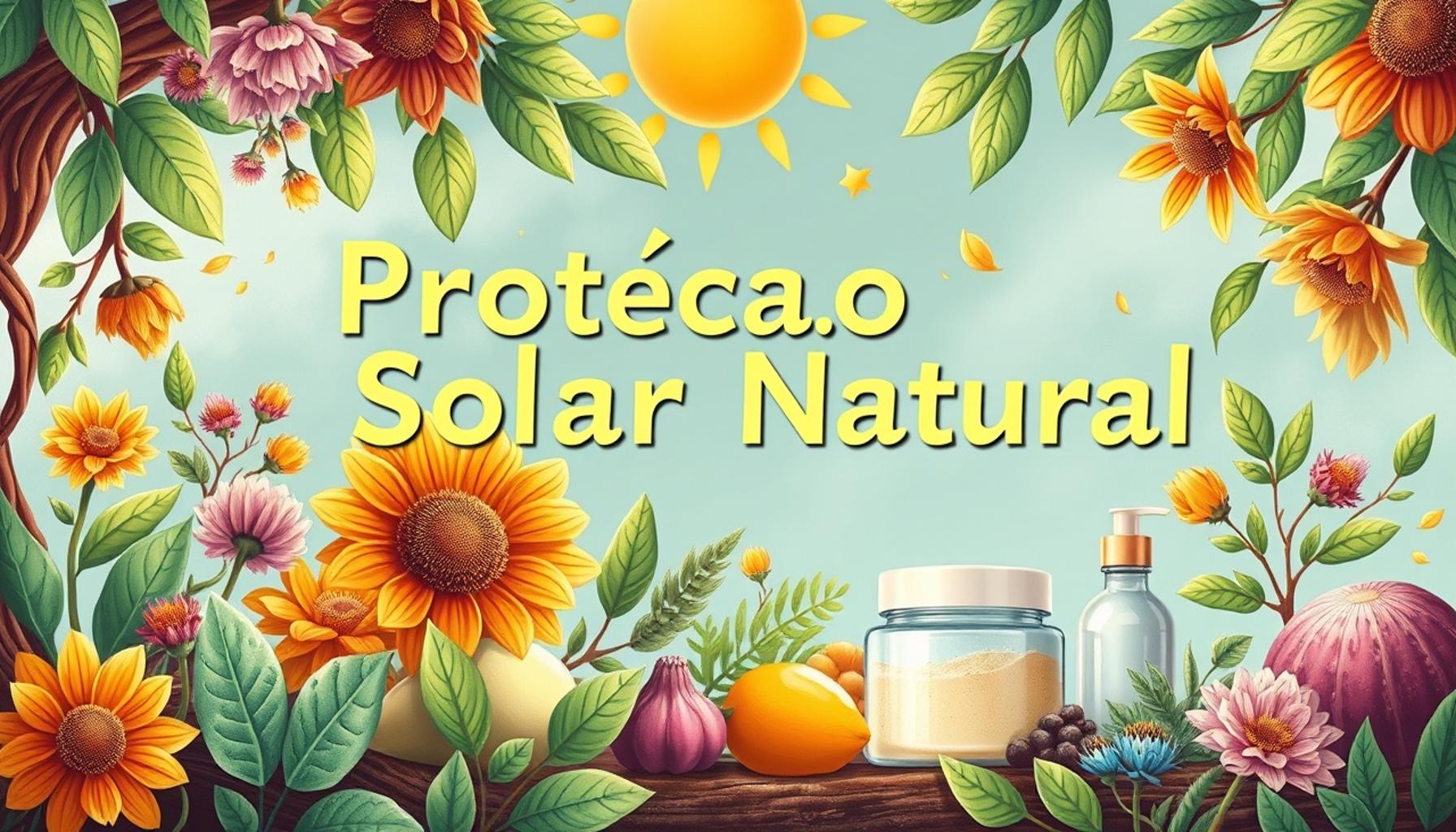
The Shift Towards Eco-Conscious Sunscreens
In recent years, a notable transformation has taken place within the beauty and skincare industry, particularly in the realm of sun protection. As consumers become increasingly aware of the effects of harmful chemicals and environmental degradation, there is a growing demand for natural sun protection alternatives. This shift is prompting brands to innovate formulations that deliver effective sun defense while being kind to both our skin and the planet.
One of the most compelling trends is the incorporation of natural active ingredients. Ingredients like aloe vera not only soothe the skin but also offer hydration. Green tea, rich in antioxidants, helps combat free radical damage from UV exposure. Similarly, raspberry seed oil is emerging as a promising contender due to its ability to provide a natural SPF, further illustrating that nature harbors a wealth of resources that can safeguard our skin.
The Rise of Mineral Sunscreens
Another crucial component of this burgeoning category is the advent of mineral sunscreens. Unlike traditional chemical sunscreens, which can sometimes cause irritation and may contain harmful substances, mineral options utilize earth-derived ingredients like zinc oxide and titanium dioxide. These compounds form a physical barrier on the skin, effectively reflecting harmful UVA and UVB rays. Not only are they safer for sensitive skin types, but they are also often reef-safe, addressing concerns about marine life and pollution, especially important to coastal regions in the United States.
Sustainable Packaging Solutions
Equally transformative is the push for biodegradable packaging. The beauty industry has faced scrutiny for its significant contribution to plastic waste, prompting brands to re-evaluate their packaging practices. Many are now opting for materials that can decompose, such as compostable bioplastics or recyclable glass, reducing their environmental footprint. Brands like Ethique and Lush are pioneering this movement by offering solid products that require little to no packaging, inviting consumers to rethink their purchasing habits.
The intersection of beauty and responsibility is where the magic happens in the realm of natural sun protection. These products not only address skin health concerns but also cater to the eco-conscious consumer. However, navigating this marketplace requires vigilance, as some brands may capitalize on the trend without substantively committing to sustainability. Consumers are encouraged to examine ingredient lists carefully and research companies’ practices when selecting their sun protection.
As the journey towards sustainable beauty continues to unfold, it offers an invitation for all of us to consciously engage with the products we use. By aligning our skincare choices with our values, we can contribute to a healthier planet. With the knowledge of effective natural ingredients, the benefits of mineral sunscreens, and the importance of sustainable practices, consumers are empowered to make informed decisions and to explore the wealth of options in this exciting and evolving landscape.
Nurturing Your Skin with Nature’s Bounty
The surge in demand for natural sun protection signifies not just a momentary trend but a deeper movement towards greener skincare. Consumers are increasingly opting for beauty products that are not only effective but also embody ethical values and environmental stewardship. One significant avenue for this commitment lies in the exploration of plant-based ingredients that have been utilized for centuries in traditional remedies.
Natural ingredients like sheer butter, coconut oil, and jojoba oil not only provide nourishment but can also help maintain the skin’s moisture barrier, especially during sun exposure. By replenishing the skin, these substances reduce the potential for damage caused by ultraviolet rays. Aloe vera, renowned for its soothing properties, not only hydrates but can also assist in alleviating sunburn, making it a potent ally in sun care formulations.
Key Ingredients for Natural Solar Defense
Delving deeper, certain natural active ingredients stand out as effective sun protectors. Below is a list of some notable contenders:
- Raspberry Seed Oil: High in omega-3 and omega-6 fatty acids, it’s often touted for its natural SPF of 28 to 50.
- Carrot Seed Oil: Rich in antioxidants, it has been recognized for its ability to enhance skin’s resilience against UV rays.
- Red Algae: This ingredient not only provides hydration but also protects against UV radiation, making it a double-duty agent in the fight against sun damage.
- Titanium Dioxide: A mineral that reflects UV radiation, it’s a staple in many mineral-based sunscreens, offering safe protection without the harsh chemicals.
In the quest for reliable natural sun protection, consumers must also be cautious about the sources of these ingredients. Many brands are responding to this call by promoting transparency about their sourcing practices. Ethical harvesting of ingredients not only maximizes the benefits for our skin but also supports sustainable farming practices that are beneficial for the environment. Brands that provide certifications and information about their ingredient provenance resonate more with consumers seeking to make mindful choices.
However, as with any burgeoning trend, challenges persist. The efficacy of these natural alternatives can vary, necessitating thorough testing and verification. Furthermore, understanding broad-spectrum coverage, which protects against both UVA and UVB rays, is crucial when assessing the effectiveness of any sunscreen. Thus, ongoing education and research into ingredient benefits and their interactions remain vital as we navigate the landscape of natural sunscreens.
Ultimately, recognizing the value of ecological and sustainable ingredients not only transforms our skincare rituals but also fosters a symbiotic relationship with our planet. As consumers arm themselves with knowledge, they play a pivotal role in advancing this green beauty movement, making conscious selections that promote both personal health and environmental well-being.
| Advantages | Details |
|---|---|
| Natural Ingredients | Products made with ecological materials are less likely to irritate the skin, making them suitable for sensitive skin types. |
| Sustainable Practices | The use of sustainable ingredients, like mineral-based sunscreens, reduces environmental impact and supports eco-friendly farming practices. |
| Health Benefits | Natural sun protection products often contain antioxidants that protect against UV damage and promote healthier skin. |
| Transparency | Many brands focusing on eco-friendly solutions provide transparent ingredient lists, allowing consumers to make informed choices. |
The increasing demand for natural sun protection signals a shift in consumer awareness towards ecological sustainability in beauty products. With a focus on health and the environment, these innovative solutions not only offer effective sun protection but also contribute to a broader understanding of sustainability in beauty care. The incorporation of plant-based ingredients and biodegradable formulations exemplifies a commitment to both personal and planetary health. By choosing products rich in ecological and sustainable ingredients, consumers can participate in a movement that values both their well-being and the fragile ecosystems that sustain us all. Exploring these options can lead to a more informed skincare regimen that aligns with both personal and environmental values.
Innovative Developments in Green Sun Care
The landscape of natural sun protection is rapidly evolving, spurred by advances in science and consumer awareness of skincare sustainability. As environmental concerns gain traction, brands are not only focusing on effective formulations but are also innovating methods to encapsulate and enhance the properties of natural ingredients. For example, the combination of zinc oxide with botanical extracts is becoming popular, marrying mineral UV protection with the nourishing qualities of nature.
Products enriched with blueberry extract are making waves, as these berries are known for their high content of antioxidants, which combat free radicals generated by UV exposure. This synergy helps create a well-rounded product that not only protects against the sun but also revitalizes the skin. Additionally, brands are harnessing the power of the ocean, with sea buckthorn oil gaining attention for its high vitamin C content, which is essential for skin regeneration and may offer protective benefits against sun damage.
Cultural Influences on Natural Sun Protection
The influence of cultural practices on sun protection is also noteworthy. In many Indigenous cultures, plants such as tamanu oil have historically been used for their healing properties. This oil is derived from the nut of the tamanu tree and is known for its ability to assist skin repair and regeneration, making it a valuable ingredient in natural sunscreens. The revival of these traditional methods highlights the importance of respecting and utilizing indigenous knowledge in modern formulations.
Furthermore, the adaptation of Ayurvedic practices has introduced valuable ingredients such as Neem oil and Turmeric into sun protection products. Neem oil, with its anti-inflammatory properties, offers additional care for sun-damaged skin, while turmeric, known for its antioxidant properties, may help to soothe and protect the skin from UV-induced stress.
Challenges in Regulation and Ingredient Safety
Despite the vast potential for ecological and sustainable ingredients in beauty products, there are challenges relating to their regulation and safety. In the United States, the Food and Drug Administration (FDA) sets stringent guidelines for sunscreen formulations. While many natural ingredients show promising UV-blocking capabilities, their approval for use in sunscreen requires rigorous testing to ensure consumer safety and effectiveness. This sometimes leads to delays in the available options for consumers seeking natural alternatives.
Moreover, not all natural sunscreens are created equal; the efficacy of ingredients like coconut oil, which offers minimal UV protection (around SPF 4), may lead to misconceptions about sun safety. Educating consumers about the importance of selecting products with appropriate SPF ratings and broad-spectrum protection is crucial. Understanding the distinction between UVB and UVA rays reinforces that comprehensive sun care is essential for skin health.
The intersection of technology and traditional wisdom is propelling the natural sun care community forward. With continuous research leading to discoveries that enhance product efficacy, skincare companies are embracing the potential of integrating natural substances with scientifically backed formulations. This progressive approach ensures that consumers are equipped with both ethical choices and effective sun protection.
Conclusion
As we delve deeper into the realm of natural sun protection, it becomes increasingly clear that ecological and sustainable ingredients not only represent a responsible choice for skincare but also pack a powerful punch against the harmful effects of UV rays. The integration of traditional wisdom with modern scientific advancements has given rise to innovative formulations that harness the protective benefits of nature. From zinc oxide partnered with antioxidant-rich extracts to time-honored ingredients like tamanu oil and Neem oil, consumers have a wealth of options designed to shield and nourish the skin simultaneously.
However, ongoing challenges regarding regulatory standards and ingredient efficacy highlight the importance of consumer education. Understanding the differences between natural and synthetic formulations, and recognizing the limitations and strengths of various ingredients, is essential for making informed decisions. With every purchase, consumers can advocate for sustainability and support brands committed to ethical practices.
In this rapidly evolving market, we stand at the brink of transformation. As companies strive to meet the growing demand for safe, effective, and environmentally conscious products, it’s crucial for consumers to remain engaged and informed. The push for better sun protection through ecological means offers not only a path toward individual well-being but also a more sustainable future for the planet. By embracing natural sun protection, we take a significant step towards protecting our skin and our environment alike.