Mulching Techniques to Retain Moisture and Control Weeds in Your Garden
Importance of Mulching Techniques
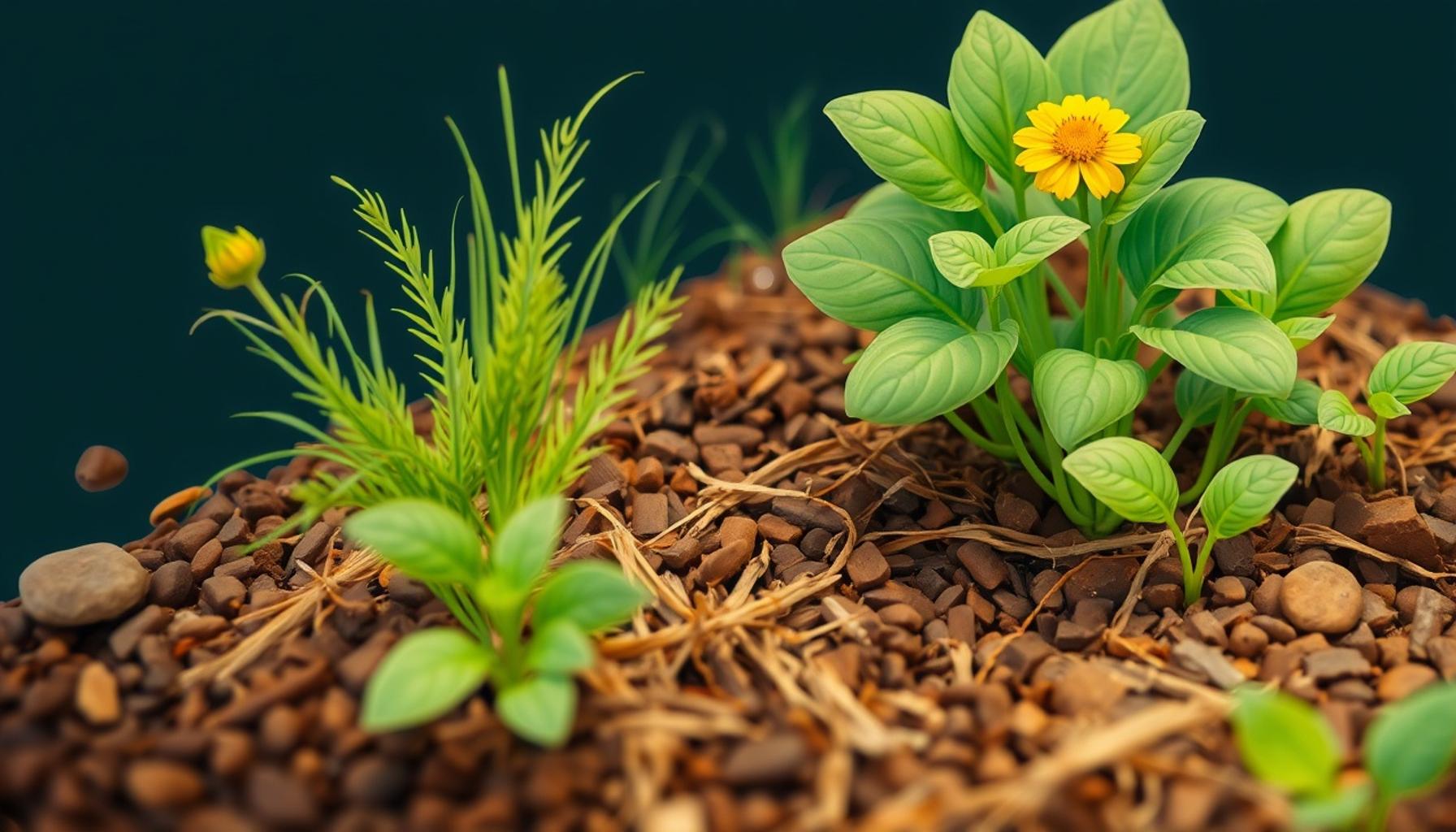
In the quest for a lush and thriving garden, mulching techniques play a critical role. Not only do they help in retaining moisture, but they also serve as a formidable ally against the perennial problem of weeds. Mastering these strategies can transform your gardening experience, making it more enjoyable and productive.
Consider these essential benefits of mulching:
- Moisture retention: Mulch acts as a barrier, reducing evaporation and helping the soil stay hydrated. For instance, during hot summer months, a layer of composted leaves can keep the root systems of your plants sufficiently moist, ensuring they thrive despite the heat.
- Weed control: A good layer of mulch suppresses weed growth by blocking sunlight and smothering seeds. This not only saves you time and effort but also reduces the need for chemical weed control, promoting an organic gardening approach.
- Soil temperature regulation: Mulch keeps the soil warm in winter and cool during summer, promoting healthy root growth. For example, in regions with harsh winters, applying straw or wood chips can protect tender roots from frost, while in summer, it can prevent overheating.
Various materials can be used for mulching, each with its unique benefits:
- Bark chips: Great for aesthetic appeal and durability, bark chips can last several years, making them a wise investment for perennial flower beds. They also add organic matter to the soil as they decompose.
- Straw: An economical option perfect for vegetable gardens, straw not only acts as a mulch but also suppresses weeds effectively. It is particularly beneficial for crops such as tomatoes and peppers, which thrive when their roots remain cool.
- Grass clippings: These can enrich the soil as they decompose but should be used sparingly to avoid forming a dense mat that can block moisture. Grass clippings are a free resource for homeowners looking to conserve waste and enhance soil fertility.
Understanding the different mulching techniques will empower you to make informed choices about what materials to use and when. Researching which types of mulch work best for the plants you are growing can lead you to create a more vibrant and successful garden. Whether you are a novice gardener or an experienced horticulturist, discovering the right method tailored to your specific gardening needs will significantly enhance your garden’s health and productivity.
Furthermore, local climate conditions and soil type in various parts of the United States play a pivotal role in determining which mulching technique will be the most beneficial. For example, gardeners in the arid Southwest might opt for different materials compared to those in the humid Southeast. Exploring these variations can deepen your appreciation for the art of gardening and lead to even more fruitful harvests.
DISCOVER MORE: Click here to learn about the impact of soil pH on plant growth
Understanding Different Mulching Techniques
Delving into mulching techniques requires an appreciation for the various materials available and the strategies associated with their application. Each type not only serves its purpose but also enhances the long-term health of your garden. Below are some prevalent methods and materials that can shape your gardening journey:
- Organic Mulch: Organic materials such as shredded leaves, grass clippings, or straw are perennial favorites among gardeners. As these materials decompose, they enrich the soil with vital nutrients, improving its structure and fertility. Additionally, organic mulches are biodegradable, ensuring that your garden remains eco-friendly.
- Inorganic Mulch: Considered a more permanent solution, materials like landscape fabric, pebbles, or plastic serve effectively to control weeds. While they do not enrich the soil, they are excellent at retaining moisture and controlling temperature fluctuations. Growers who seek a long-lasting option might find this approach appealing, particularly in areas where organic mulches decompose quickly.
- Straw Mulch: This lightweight, easy-to-apply option is a top choice for vegetable gardens. Straw not only suppresses weeds but also helps maintain cooler soil temperatures, a crucial factor for vegetables such as carrots and squash. However, it’s vital to keep in mind that straw should be applied in sufficient thickness (around 2-4 inches) to be most effective.
- Wood Chips or Bark: Ideal for flower beds and landscaping, wood chips provide a visually pleasing finish while serving as effective mulchers. They last significantly longer than lighter materials, making them a smart investment for areas that require minimal maintenance.
Timing is equally important when implementing mulching techniques. Applying mulch too early in the spring can trap cold moisture, while late-season application may not provide adequate frost protection as temperatures drop. Generally, it is advisable to mulch your garden after the soil has warmed up but before annuals are well established. This balance ensures that your plants can enjoy the benefits of moisture retention without the worry of root rot or stunted growth.
Moreover, the thickness of the mulch layer matters greatly. A depth of 2-4 inches is typically recommended for most materials, as this will effectively suppress weeds while retaining moisture. It’s essential to avoid piling mulch directly against plant stems or trunks, as this can lead to rot and other issues.
As you contemplate which mulching techniques best suit your garden, remember to consider the unique aspects of your environment. Factors such as local climate, soil type, and plant variety will play a pivotal role in your success. For instance, gardeners in the Pacific Northwest may find that organic mulches decompose too rapidly due to frequent rain, whereas those in drier zones may appreciate the water-retaining capabilities of granite gravel or stones.
In conclusion, exploring the multifaceted world of mulching can empower you to cultivate a thriving garden that not only retains moisture but also minimizes weed competition. By carefully selecting the right materials and techniques suited to your environment, you are poised to create a flourishing green space that reflects your gardening aspirations.
Exploring Effective Mulching Techniques
Mulching is a time-honored gardening method that provides multiple benefits, particularly concerning moisture retention and weed control. By covering the soil with organic or inorganic materials, gardeners can create an environment that promotes healthy plant growth while significantly reducing the need for manual weeding. Here, we highlight effective mulching techniques and their myriad advantages.
- Organic Mulch: Incorporating materials such as wood chips, straw, or grass clippings helps retain soil moisture while gradually enriching the soil as the materials decompose. This organic matter provides essential nutrients, enhancing plant health.
- Inorganic Mulch: Options like plastic or rubber can be valuable for weed suppression. They create a barrier that prevents sunlight from reaching weed seeds, thereby limiting their growth without the breakdown associated with organic materials.
- Thickness Matters: Applying a layer of mulch between 2 to 4 inches is generally recommended. This thickness strikes a balance, effectively retaining moisture and obstructing weeds while allowing for water and nutrients to permeate to the soil below.
- Application Timing: Timing your mulching applications can be crucial. Applying mulch in early spring or late fall can help conserve moisture throughout dry months and insulate roots from harsh winter temperatures.
Moreover, using black mulch during warmer seasons can increase soil temperatures, which benefits certain plants that thrive in warmer conditions. On the other hand, lighter-colored mulches reflect sunlight, keeping the soil cooler and preserving moisture. This diversity in color and material allows for a tailored approach, enhancing not just garden aesthetics but also plant performance.
Overall, the implementation of well-planned mulching techniques can lead to profound improvements in garden health, making it an essential practice for both novice and seasoned gardeners.
| Mulch Category | Advantages |
|---|---|
| Organic Mulch | Improves soil quality and retains moisture while suppressing weeds. |
| Inorganic Mulch | Extremely effective for long-term weed control and minimal maintenance. |
The insights provided above serve to enhance your understanding of essential mulching techniques for your garden. Happy gardening!
DIVE DEEPER: Click here to learn how to enrich your soil
Choosing the Right Mulching Technique for Your Garden
When it comes to mulching techniques, selecting the right method for your garden relies heavily on understanding how each option interacts with specific plant types, as well as your local environmental conditions. Let’s explore additional materials and their characteristics that can enhance your gardening experience:
- Compost Mulch: Utilizing compost is an excellent way to provide both moisture retention and nutrients to your plants. By applying a 1-2 inch layer of mature compost around the base of your plants, you not only keep the soil moist but also support beneficial microbial activity. As compost breaks down over time, it adds organic matter back into the soil, fostering healthier root systems. This technique is particularly advantageous in vegetable or flower gardens where nutrient needs are prioritized.
- Rubber Mulch: For those looking for a long-term solution, rubber mulch offers unique advantages. Sourced from recycled tires, this environmental choice significantly reduces weed growth and helps maintain soil moisture. Although it does not improve soil quality, it lasts indefinitely and is particularly effective in play areas or paths, providing both practicality and aesthetic appeal.
- Living Mulch: A clever technique for controlling weeds involves growing plants that serve as living ground cover. Options like clover or creeping thyme not only suppress weeds effectively but also enhance soil moisture by preventing erosion. Living mulches are well-suited for permaculture designs and can thrive alongside established crops, adding ecological diversity to your garden.
- Newspapers or Cardboard: For gardeners looking for a budget-friendly option, using layers of newspapers or cardboard can act as a biodegradable mulch. By breaking down over time, these materials enrich the soil while effectively smothering weeds. To increase durability, cover them with a layer of wood chips or straw which will also help maintain moisture.
As you navigate the various mulching techniques, being mindful of your local climate becomes essential. For instance, in regions prone to heavy rainfall, organic mulches might decompose faster than anticipated, so opting for thicker layers or a combination of inorganic materials could offer better moisture control. Conversely, areas suffering from drought can greatly benefit from mulch types that retain moisture more effectively, like rubber or stone.
Another noteworthy consideration pertains to the lifecycle of the mulch. Wood-based mulches break down over time and may need replacement or replenishing annually, while some inorganic options can last several years with minimal maintenance. Gardeners should be aware of these dynamics to avoid unexpected gaps in weed control and moisture retention.
Furthermore, research suggests that regularly monitoring the mulched areas can yield significant insights into the ecosystem of your garden. Paying attention to moisture levels and the overall health of your plants can inform adjustments to your mulching strategy, thus optimizing growth and vitality. For example, if you notice that your organic mulch is decomposing too quickly, integrating a layer of synthetic mulch can bridge the gap until a more sustainable solution is found.
Ultimately, the effectiveness of your chosen mulching techniques will harmonize with a deep understanding of your garden’s unique needs. By experimenting with various materials and methods, and taking the time to observe their impact, you are not only enhancing your green space but also engaging in a rewarding cycle of learning and growth.
DISCOVER MORE: Click here to learn about pest life cycles for effective management
Final Thoughts on Mulching Techniques for Your Garden
In conclusion, mastering mulching techniques is essential for any gardener aiming to create a thriving, sustainable garden. The benefits of mulching extend beyond mere aesthetics; they provide optimal moisture retention and effectively suppress weeds, thereby facilitating healthier plant growth. By experimenting with various mulch materials such as compost, rubber, living cover plants, or even budget-friendly newspapers, you can tailor your approach to suit the specific needs of your garden while considering local environmental factors.
It’s crucial to remain vigilant and flexible in your mulching strategy. As you observe how different materials interact with your soil and plants, you gain invaluable insights that can guide you in adjusting your methods. For instance, adapting your mulching thickness based on seasonal conditions or combining organic and inorganic options can help you address specific challenges, whether dealing with excess rain or drought. The key is to understand that mulching is not a one-size-fits-all solution but rather an evolving practice that aligns with the dynamic nature of your garden.
Furthermore, integrating techniques like regular monitoring and maintenance ensures that your chosen mulch continues to provide adequate moisture and weed control. In a world where sustainability is increasingly paramount, your garden can become a personal sanctuary that reflects ecological mindfulness. By embracing mulching, you are not only enhancing the health and aesthetics of your garden but also participating in a broader effort to protect our planet, one planting at a time. Explore the world of mulching—your plants will thank you!