Manual Watering Techniques: Tools and Methods for Beginner Gardeners
Discovering Manual Watering Techniques
For many beginner gardeners, manual watering presents an opportunity to nurture their plants with care and precision. While it may seem simple, choosing the right tools and methods can significantly impact plant health and growth. Understanding these techniques can help create a flourishing garden that thrives under your watchful eye, ultimately enhancing the satisfaction of your gardening experience.
In the diverse world of gardening, various tools are available to assist you with manual watering, each designed to meet specific gardening needs. Here are some essential tools to consider that can enhance your watering approach:
- Watering Cans – These are perfect for small to medium gardens and allow for targeted watering. A watering can with a long spout enables you to reach plants nestled within tight spaces, ensuring precise delivery of water to the roots without saturating surrounding areas. For indoor plants, a watering can with a decorative design can also blend seamlessly with your home décor.
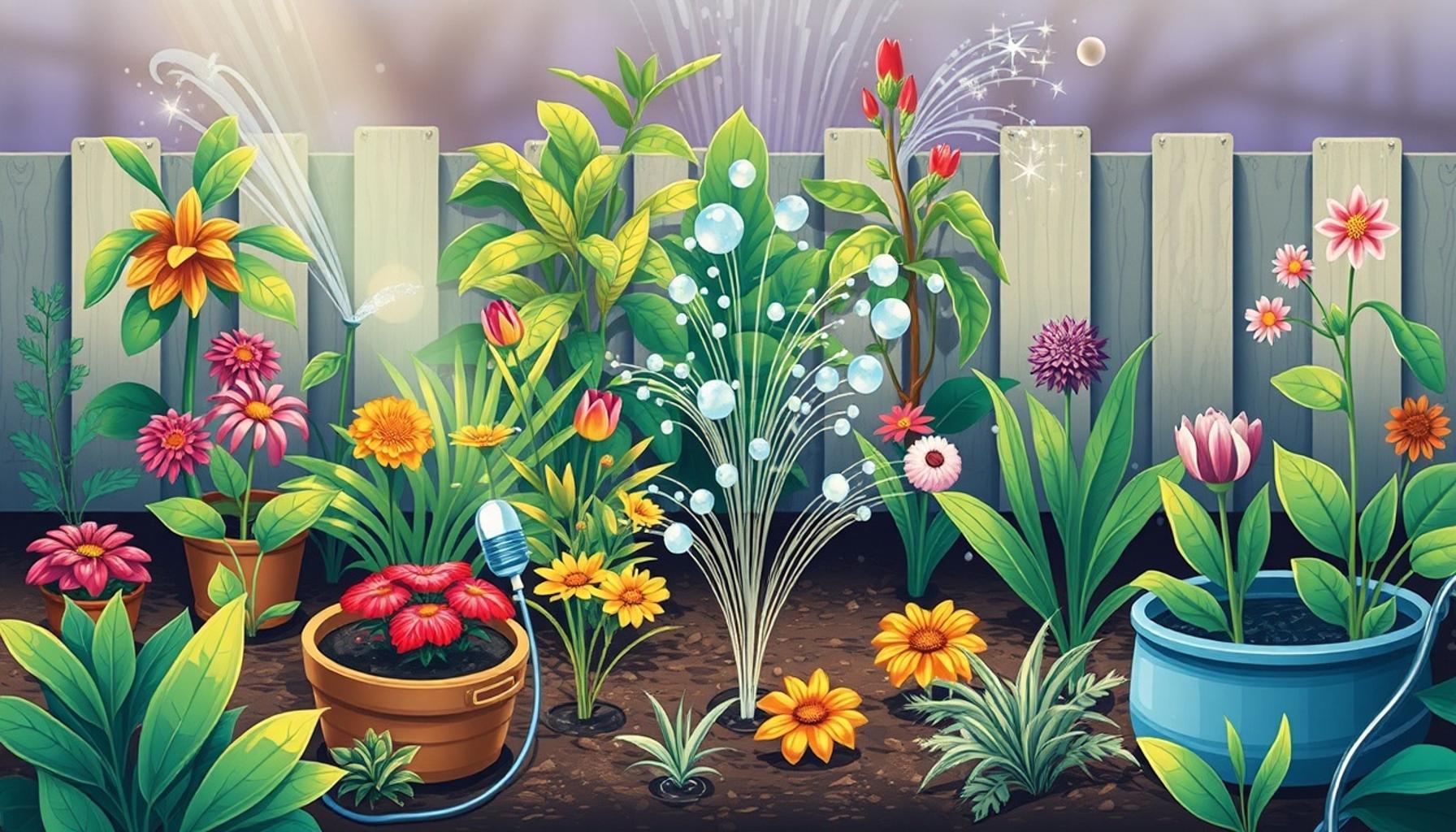
- Hoses with Attachments – For larger areas, flexible garden hoses are invaluable. By using sprinkler attachments, you can achieve broad coverage for your lawn or flower beds, saving time and energy. Consider options like adjustable nozzles that allow you to change the spray pattern from a gentle mist to a focused stream, accommodating various types of plants.
- Soaker Hoses – Ideal for deep watering, soaker hoses are designed to be placed directly on the soil surface and slowly release water, minimizing runoff. This method not only conserves water but also encourages moisture retention in the soil, making it a favored option among eco-conscious gardeners.
In addition to your choice of tools, the methods you adopt play a crucial role in how effectively your plants receive moisture. Key techniques to incorporate into your manual watering regimen include:
- Drip Irrigation – This method is particularly effective, as it delivers water directly to the roots of plants, minimizing evaporation and ensuring that moisture penetrates deeply into the soil. Drip systems can be a little more involved to set up but are incredibly efficient, especially for vegetable gardens or flower beds.
- Deep Watering – This technique encourages plants to root deeply into the soil, promoting resilience against drought conditions. Aim to water deeply and less frequently to train your plants to develop a robust root system, which can be beneficial during hot summer months.
- Time of Day – The timing of watering can significantly affect water absorption. Watering early in the morning or late afternoon helps reduce water loss due to evaporation, giving plants ample time to soak up moisture without stress from midday heat.
By mastering these manual watering techniques, new gardeners can ensure their plants not only survive but thrive in their growing environments. Armed with the right tools and methods, the journey of cultivating a garden can be both rewarding and educational. As you delve into the world of gardening, remember that nurturing your plants with precision and care can unlock a deeper connection to nature and enhance the beauty of your surroundings. Explore these techniques further and witness the transformational power of water in your botanical endeavors!
DISCOVER MORE: Click here for easy plant options
Essential Tools for Manual Watering
When it comes to manual watering, the right tools can make all the difference in the health and appearance of your garden. Each tool serves a unique function and can ease the process of watering while ensuring that your plants receive the right amount of moisture. Understanding these tools will help you develop a more effective watering routine that suits your garden size and plant types.
- Watering Cans – An essential tool for any beginner gardener, watering cans come in various sizes and designs. For smaller gardens or potted plants, a 1- or 2-gallon watering can is ideal. Look for ones with a detachable spout that offers a fine spray for delicate plants, allowing you to control the water flow and minimize waste. This tool can also double as a decorative piece, enhancing your gardening experience.
- Hoses with Attachments – Expanding your gardening space often requires more extensive watering solutions. A good quality garden hose, equipped with various attachments, is invaluable for both watering and maintaining larger areas. Invest in adjustable nozzles that allow you to switch between different spray patterns, ensuring you can accommodate everything from seedling beds to established bushes. Consider options with kink-resistant features to facilitate effortless watering.
- Soaker Hoses – Perfect for long rows of vegetables or flower beds, soaker hoses allow water to seep slowly into the soil, keeping it consistently moist. They are a time-saving solution because once laid down, they can be left in place for a prolonged period. Although a bit more of an investment upfront, these hoses prove not only efficient in water usage but also help to reduce weed growth by keeping the surrounding soil dry.
In addition to having suitable tools, exploring various watering methods is essential for new gardeners. Here are some techniques that can enhance your watering approach and improve plant health:
- Drip Irrigation – Though often perceived as a more complex system, drip irrigation is more straightforward than it sounds and can be particularly beneficial for beginner gardeners, especially those with vegetable gardens. This method allows for precise watering at the root level, reducing waste and promoting deep root growth.
- Deep Watering – This method focuses on watering thoroughly but infrequently. It encourages plants to send their roots deeper into the soil, making them more resilient during dry spells. Aim to water until the top 6-12 inches of soil is thoroughly soaked, which helps retain moisture and promotes robust root development.
- Optimal Timing – Consider when to water your plants as much as how much to water them. Early morning and late afternoon are the best times, as they help minimize evaporation and allow time for plants to absorb moisture without the stress of heat build-up during the day. By observing these times, you will foster a more efficient watering cycle.
By understanding and incorporating these fundamental tools and methods into your manual watering routine, you can create the right environment for your plants to flourish. Gardening is not just about planting; it’s also about nurturing, and effective watering plays a vital role in that journey.
| Technique | Advantages |
|---|---|
| Soaking Hoses | Efficient moisture distribution allows for deep watering while saving time and effort, making it ideal for beginner gardeners. |
| Watering Cans | Versatile and portable, these cans offer precise control over water delivery, which is essential for managing different plant needs. |
| Handheld Sprayers | Easy application of water with adjustable spray patterns, perfect for delicate seedlings and mature plants alike. |
| Drip Irrigation | Conserves water while targeting roots directly, providing efficiency and promoting healthy growth in your garden. |
Understanding the various manual watering techniques available to beginner gardeners fosters a better connection to their plants. Each method, whether it be soaking hoses or handheld sprayers, has unique advantages that not only simplify the gardening process but also ensure the plants thrive. With the correct tools and approaches, new gardeners can develop their skills confidently. For those interested in expanding their gardening knowledge, researching each technique further unveils a world of benefits tailored to diverse plant species and environmental conditions.
LEARN MORE: Click here for expert mulching tips
Effective Watering Techniques for Optimal Plant Health
With the right tools in hand, it’s essential for beginner gardeners to understand effective watering techniques that promote growth and health in various plant species. Simple adjustments in your approach can yield significant benefits, optimizing water usage while nurturing your plants. Here are some techniques to consider:
- Watering Zones – Different plants have varying water needs based on their species and growth stage. Establishing watering zones in your garden can help ensure that each plant receives the appropriate moisture. For example, cacti and succulents prefer dry conditions, while tropical plants thrive in more humidity. Grouping plants with similar water requirements can make your manual watering routine more effective and save you time.
- Mulching – Adding a layer of organic mulch around your plants can significantly reduce the amount of water needed for your garden. Mulch helps retain moisture in the soil, regulates temperature, and suppresses weed growth. Materials like straw, wood chips, or shredded leaves can work well, not only enhancing your garden’s aesthetic but also ensuring your plants have consistent access to moisture.
- Checking Soil Moisture – Before reaching for your watering can or hose, it’s essential to assess the soil’s moisture levels. Conducting a simple finger test—sticking your finger into the soil up to 2 inches—can indicate whether your plants need water. If the soil feels dry at that depth, it’s time to water; if it’s still moist, hold off to avoid overwatering, which can lead to root rot.
- Watering Techniques – Variations in watering methods can make a significant difference. Using a slow and steady approach is crucial; aim to water at the base of the plant rather than from above, minimizing leaf wetness which can lead to fungal diseases. Additionally, allow water to soak into the soil gradually rather than flooding the area. This encourages roots to grow deeper in search of moisture, resulting in stronger, healthier plants.
- Using a Moisture Meter – For those who want a more precise approach in determining soil moisture levels, a moisture meter can be a valuable tool. This device measures the moisture content in the soil, allowing you to accurately determine when and how much to water. Moisture meters vary in price and sophistication, but an affordable option can provide invaluable insights, especially for beginners.
As you incorporate these effective watering techniques into your gardening practice, you will notice a profound impact on your plants’ health and vitality. Knowledge is key in manual watering, and understanding both your tools and techniques will empower you to cultivate a lush and vibrant garden.
By observing how these methods interact with different plant types over time, you will develop a keen intuition about your garden’s watering needs. Experimenting with various practices can also broaden your competencies as a gardener and lead you to discover what works best in your unique growing environment.
DISCOVER MORE: Click here for eco-friendly pest control tips
Conclusion: Nurturing Your Garden with Knowledge and Care
In conclusion, mastering manual watering techniques is an essential step for beginner gardeners aiming to cultivate healthy and thriving plants. With a blend of the right tools and informed methods, you can transform your watering routine into an effective watering strategy that not only conserves water but also enhances plant vitality. By creating watering zones, utilizing mulch, and regularly checking soil moisture, you establish a foundational understanding of your garden’s unique needs.
As you experiment with different watering methods and adjust your practices based on plant responses, you’ll develop an intuitive sense for your garden’s requirements. Remember, the key is consistency—watching how your plants thrive over time can provide you with invaluable insights into their watering habits. Advanced tools such as moisture meters can further aid you in achieving a precise watering regimen, ensuring that you give each plant the optimal amount of moisture it craves.
Ultimately, nurturing a vibrant garden is an art that blends science and intuition. As you embark on this journey, don’t hesitate to seek out additional resources, join gardening communities, or engage with local experts who can offer support and insight. Embrace the exploration of manual watering techniques as a rewarding endeavor that not only beautifies your surroundings but also enriches your experience as a gardener. Happy planting!