DIY Pest Traps: Simple Solutions for Beginner Gardeners
Understanding the Challenge of Garden Pests
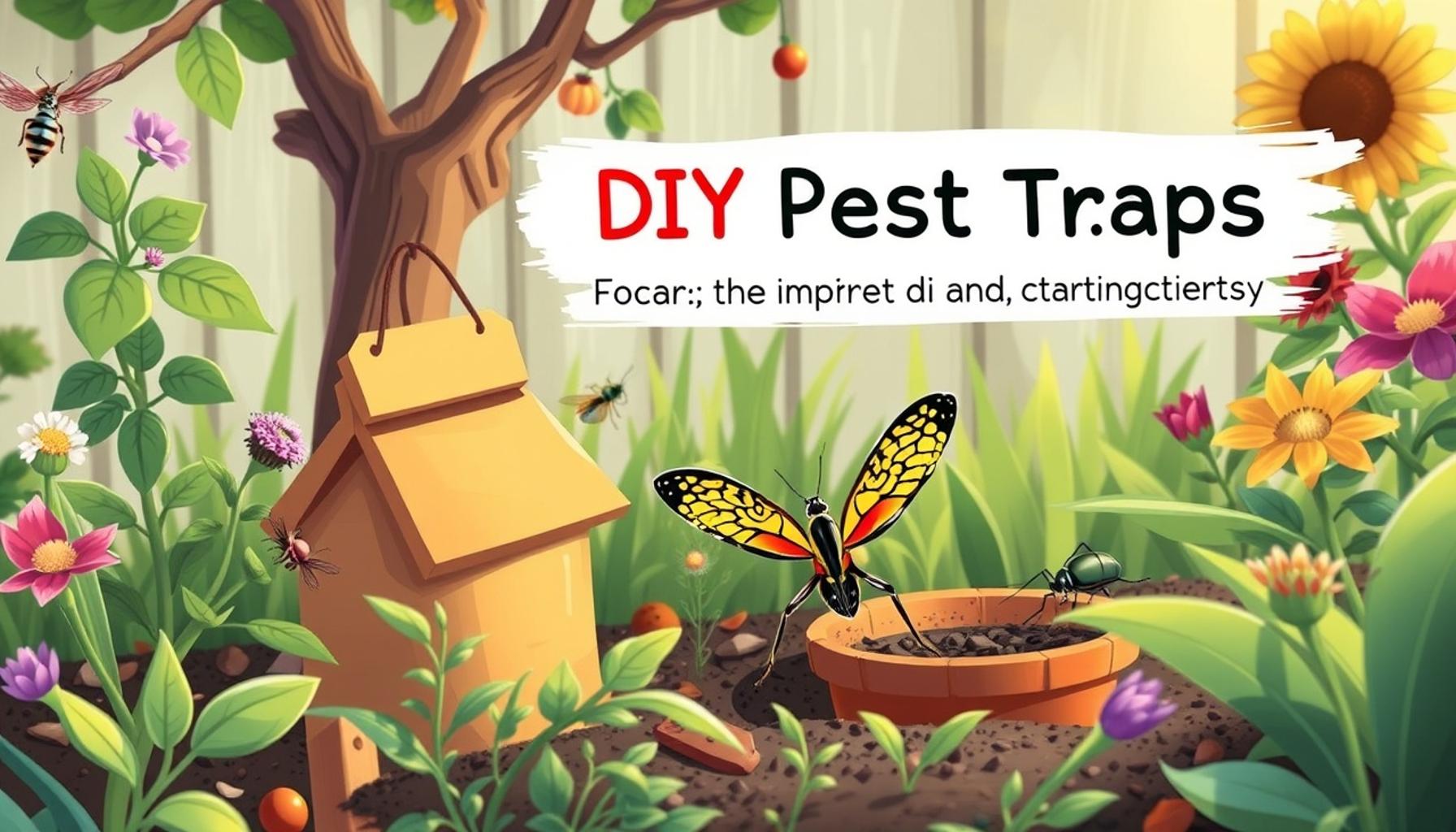
Every gardener knows the joy of nurturing green shoots break through the soil, only to experience dismay when they discover pests feasting on their hard work. It’s a common scenario, especially for beginners, who might feel overwhelmed by the seemingly endless array of creepy crawlies threatening to derail their gardening dreams. However, with a little creativity and resourcefulness, you can become an effective pest control advocate right in your backyard using DIY pest traps.
Why Choose DIY Pest Traps?
Incorporating homemade pest traps into your gardening toolkit serves multiple practical purposes. Firstly, such solutions are cost-effective. Many of the materials required can be easily sourced from items you already have at home, such as plastic bottles, jars, or dish soap. This not only saves money but recycles materials that might otherwise contribute to waste.
Secondly, DIY traps are customizable. Consider the individual pests that invade your garden: you can tailor traps to specifically target these nuisances, whether you’re facing a siege from aphids, a swarm of fruit flies, or an invasion of slugs and snails. This adaptability ensures greater effectiveness in managing pest populations.
Moreover, using DIY methods promotes a safe environment. Gardeners are increasingly turning to natural solutions, thereby minimizing their reliance on chemical pesticides that can be harmful to beneficial insects, pets, and, ultimately, human health.
Exploring Pest Solutions
As you embark on this pest control journey, consider crafting traps designed for the specific pests plaguing your garden. Here are some suggested traps you can make right at home:
- Aphid traps: Mix a solution of water, dish soap, and vegetable oil in a spray bottle. Spray directly onto affected plants to suffocate aphids.
- Fruit fly traps: Fill a small bowl with apple cider vinegar and cover it with plastic wrap, poking tiny holes for the flies to enter. They’re drawn to the scent but can’t escape once inside.
- Slug and snail traps: Bury a dish or jar level with the ground and fill it with beer. Slugs are attracted to the fermentation and will drown in the liquid.
Concluding Thoughts
With the right knowledge and tools, you can reclaim your garden from unwanted pests. Experimenting with various DIY trap designs will not only enhance your gardening experience but also deepen your understanding of pest management. By using homemade solutions, you protect not only your plants but also the delicate ecosystem surrounding them. As you navigate this exciting path of gardening, keep your creativity flowing and heart open, knowing you are making a difference, one pest trap at a time!
DIVE DEEPER: Click here to discover the benefits of mulching
Creating Effective Homemade Traps
For any novice gardener, understanding the nuances of pest control can feel daunting, yet creating effective homemade traps is simpler than you might think. Each type of pest presents unique challenges that can be addressed with inventive solutions from your own kitchen or garage. Let’s explore how you can harness everyday items to combat your garden adversaries.
When crafting DIY pest traps, keeping the specific behaviors and habitats of your pests in mind can greatly enhance your success. Different insects are attracted to particular smells, colors, or even textures, making it essential to customize traps based on these preferences. For instance, many flying insects, like the notorious whitefly or fruit flies, are easily enticed by sweet aromas, while ground-dwelling pests are attracted to distinct baits. To that end, consider the following innovative traps that can be assembled with minimal effort:
- Sticky Traps: A simple yet effective solution for flying pests. All you need is some yellow card or paper and a mix of corn syrup with water. Paint the mixture onto the card, and hang or place it in an affected area. The bright color attracts flying pests, and they become ensnared in the syrup.
- Soap and Water Spray: Ideal for soft-bodied insects like aphids and spider mites. Combine a few tablespoons of liquid soap with water in a spray bottle and mist affected plants directly. This not only suffocates the pests but is also safe for the plants.
- Cucumber & Coffee Grounds: Surprising but effective, slugs and snails dislike the scent of cucumber and are repelled by coffee grounds. Place cucumber peels in areas where these pests frequent or sprinkle used coffee grounds around your plants to deter their invasion.
Utilizing Natural Attractants
Utilizing natural attractants effectively increases the odds of incidentally trapping unwanted garden pests. For example, when making traps for fruit flies, it’s beneficial to use items like overripe fruits or even a few drops of dish soap mixed with vinegar. These elements not only draw in the pests but the soap breaks the surface tension of the liquid, ensuring the flies cannot escape once they land.
Understanding pest behavior is crucial to maximizing the effectiveness of your traps. Simple observations can yield insights regarding when and where pests are most active, ensuring that your traps are strategically placed. Also, consider regularly checking and replacing traps to maintain their efficacy—an empty, stale trap is less attractant than a freshly baited one!
Benefits Beyond Pest Control
Engaging in DIY pest trapping does not merely lend a hand in the plight against pests; it fosters a deeper connection with your garden. As you monitor your traps, you will become attuned to the natural rhythms and cycles of garden life. This holistic approach paves the way for a more sustainable method of gardening, encouraging a balance between plants, pests, and beneficial insects. Furthermore, each triumph in pest control adds to your gardening confidence, transforming challenges into learning opportunities.
By embracing simple DIY pest traps, you can fortify your garden while simultaneously nurturing a mindful gardening practice. As you explore and experiment, you will inevitably uncover unique strategies that resonate with your gardening style, embracing the adventure of growing amidst the challenges nature presents.
| Advantages | Description |
|---|---|
| Cost-Effective | DIY pest traps utilize everyday household items, saving both time and money by avoiding expensive store-bought solutions. |
| Eco-Friendly | Constructing traps with natural ingredients supports sustainable gardening practices, minimizing harm to beneficial insects and promoting a healthier ecosystem. |
As beginner gardeners embark on their journey into the world of plant care, innovation can often lead them towards unconventional solutions. One of the most engaging aspects of gardening lies in the ability to tackle pest problems using home-crafted tools. For instance, a common solution for trapping snails and slugs involves using a simple beer trap, which not only lures these pests but ensures chemical-free gardening.Additionally, understanding the dynamics of pest control can enhance the overall garden health. The DIY pest traps encourage experimentation and creativity, allowing novice gardeners to design traps that specifically target their most persistent enemies. Whether employing sticky traps for flying insects or simple bucket traps for larger pests, the results can be both surprising and informative.Gardening is not just about nurturing plants but also about fostering a deeper connection to the environment. Crafting your own pest traps can transform gardening into a fulfilling hobby that combines both learning and sustainability. Through hands-on experiences, beginner gardeners can gain invaluable insights into pest behaviors, promoting a much-needed harmony within their green spaces. This practical knowledge serves to empower them, guiding them towards becoming more proficient gardeners.
DISCOVER MORE: Click here to learn about the best vegetables for your garden</p
Exploring Creative Trap Designs
As you delve deeper into the realm of DIY pest traps, it’s important to realize that the creativity of your designs can be just as crucial as the materials you use. Simple household items can be repurposed into traps that not only catch pests but can also be fun projects to enhance your gardening experience. From soda bottles to dish bowls, here are a few innovative designs you can try:
- Soda Bottle Trap: Transform an empty soda bottle into an effective insect trap. Cut the top off the bottle and invert it into the bottom half, creating a funnel effect. Fill the base with a sugary liquid like soda, juice, or vinegar to attract pests. This trap works wonders for aphids and fruit flies, as they fly in but struggle to find their way out.
- Jar Traps for Snails and Slugs: Snails and slugs are drawn to moisture and food, making jars filled with beer a highly effective trap. Bury a jar in the soil so the rim is level with the ground, and fill it with beer. The slugs will crawl in for a drink and won’t be able to escape. Alternatively, you can use a mixture of water and yeast for a less aromatic option.
- Potato Trap for Wireworms: If you’re dealing with wireworms, a sliced potato can serve as a bait. Place a few half-potatoes in the soil, checking back after a couple of days. The wireworms will be lured to the soft flesh of the potato, making removal straightforward.
Harnessing Companion Planting as a Trap
Companion planting is a method where specific plants are grown together to naturally repel pests. Incorporating this strategy alongside traps can CREATE an integrated approach to pest management. For example, planting marigolds around your vegetable garden acts as a natural pesticide because their scent deters nematodes and aphids. Additionally, interplanting herbs like basil and mint can confuse or repel insect pests while attracting beneficial pollinators at the same time.
Choosing plants that repel pests based on their chemical properties further enhances your garden’s defenses. For instance, rosemary is well known for its ability to ward off various insects that might harm cabbage or broccoli. By incorporating these plants with your homemade traps, you’re essentially building a multi-layered strategy to thwart any potential invaders.
Timely Monitoring and Data Collection
To maximize your efforts, create a simple monitoring system to track the effectiveness of your traps. Keeping a garden journal can help you document what pests you catch, the types of traps used, and the dates when the traps were effective. Notably, the data may reveal patterns in pest activity that can assist you in determining the best times to deploy traps.
Transforming pest control from a task into a science project can be beneficial for novice gardeners. Such information not only shapes your pest trapping strategies but also empowers you as a gardener overall. Conducting experiments with various homemade traps can take your gardening journey to another level as you actively contribute to sustainable practices in your own garden.
Ultimately, the world of DIY pest traps is filled with creativity, innovative designs, and the potential for a rewarding gardening experience. Each trap you create adds a layer of ingenuity to your garden’s defense and offers an interactive way of learning that pushes you to discover even more creative solutions to common gardening dilemmas.
DISCOVER MORE: Click here to learn about essential tools for soil preparation
Final Thoughts on DIY Pest Traps
In conclusion, the journey into the world of DIY pest traps offers both a practical and enlightening experience for beginner gardeners. Not only do these traps provide effective solutions for managing pests, but they also incorporate creativity and resourcefulness into everyday gardening practices. By utilizing simple household items and innovative designs, such as soda bottle traps or jar traps, you can tackle pest issues without relying heavily on commercial pesticides that may harm beneficial insects or the environment.
Moreover, combining these traps with techniques like companion planting further enhances your garden’s resilience against pests while promoting biodiversity. From marigolds that repel nematodes to rosemary that keeps pesky insects at bay, integrating these plants into your garden creates a holistic approach to pest management. With thoughtful monitoring through garden journals, you can also gain valuable insights into your pest control efforts, helping you refine your strategies over time.
Ultimately, the rewards of experimenting with DIY pest traps extend beyond mere pest control; they build a deeper connection with your garden and contribute to sustainable gardening practices. The time invested in creating and optimizing these homemade traps will offer not only a sense of accomplishment but also enhance your overall gardening journey. So, roll up your sleeves and embark on this exciting exploration of DIY pest control — your garden will thank you!