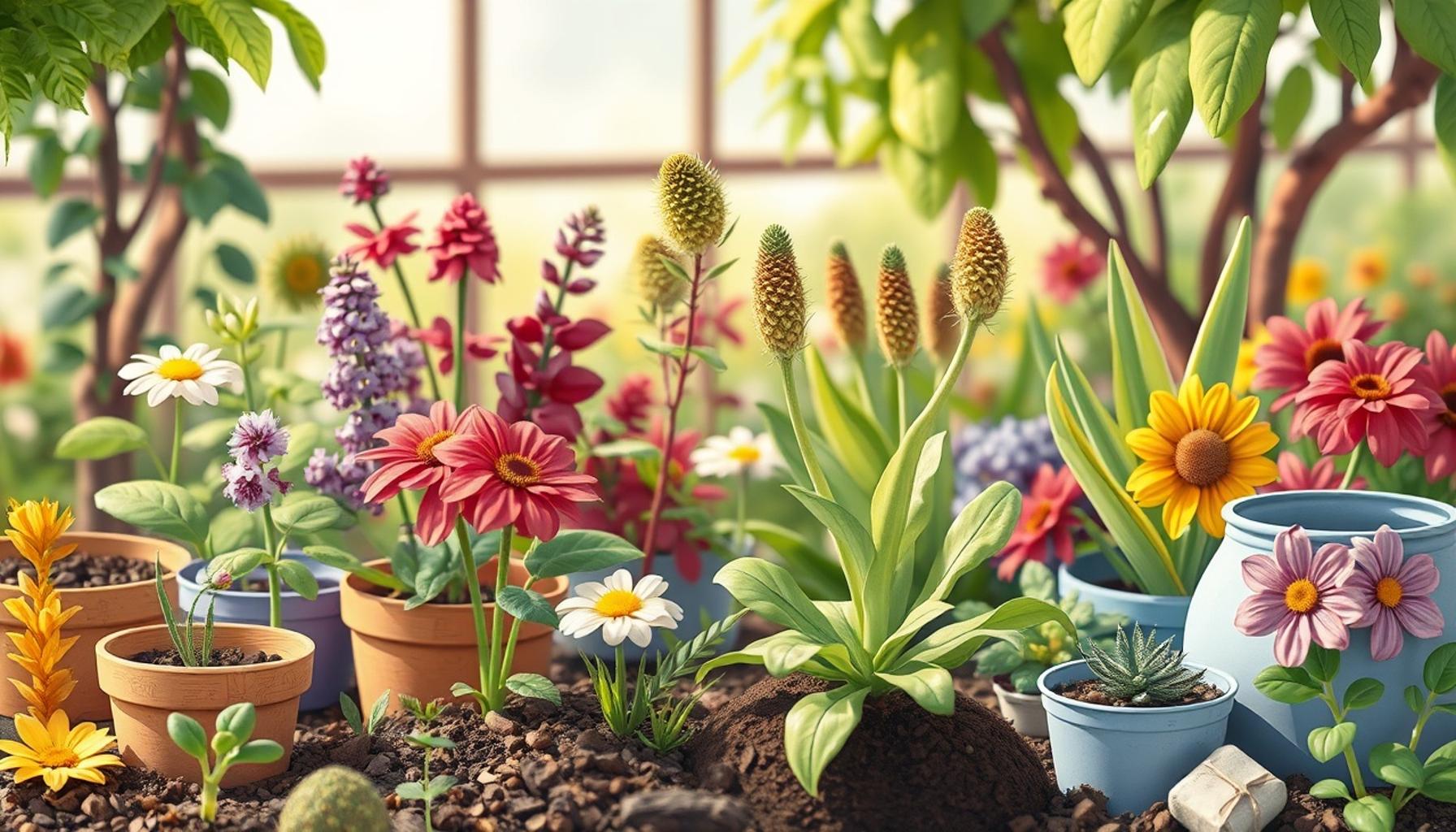
Soil Preparation Techniques: How to Improve the Quality of Your Soil at Home

The Foundation of a Thriving Garden
At the heart of any successful garden lies an often-overlooked element: the soil. Understanding soil preparation techniques is crucial for homeowners aiming to create a vibrant garden or landscaped area. Quality soil is not merely a growing medium; it is a living ecosystem that plays a vital role in nurturing healthy plants, boosting crop yields, and promoting environmental sustainability.
But what makes soil preparation so vital? Let’s delve deeper into some of its critical aspects:
- Nutrient Balance: Healthy soil is rich in essential nutrients like nitrogen, phosphorus, and potassium, which are crucial for plant growth. For instance, nitrogen is vital for leafy green plants, while phosphorus supports root development and flowering. Regular soil testing can help you determine nutrient deficiencies and guide your fertilization plans accordingly.
- Water Retention: Preparing your soil through practices like mulching and incorporating organic matter can significantly improve its ability to retain moisture. This trait is particularly essential in regions that experience fluctuating rainfall patterns, allowing you to reduce the frequency of watering and conserving valuable water resources.
- Soil Structure: The texture and composition of your soil can heavily influence plant health. Looser, well-aerated soil promotes healthy root development and efficient drainage, minimizing the risk of root rot. Techniques such as tilling or adding compost can drastically enhance soil structure, transforming compacted earth into a more hospitable environment for plant roots.
Many American gardeners face challenges unique to the country, such as soil erosion due to heavy rains or agricultural runoff, as well as contamination from pesticides used in nearby fields. Implementing effective soil preparation strategies can help mitigate these issues, turning your garden into a sanctuary of productivity and biodiversity. For example, using cover crops can prevent erosion while also enriching the soil with organic matter when tilled under.
This article will explore a variety of proven techniques designed to improve your soil health. From understanding soil pH levels—ideal ranges vary between 6 and 7 for most plants—to incorporating organic amendments like well-rotted manure and compost, there are numerous methods you can explore. Moreover, practicing crop rotation not only helps in maintaining nutrient balance but also reduces pest build-up.
Whether you are an experienced gardener or just starting, there are always new insights to uncover about nurturing the soil beneath your feet. With the right soil preparation techniques, you will be empowered to transform your gardening experience and foster a thriving ecosystem in your backyard.
DIVE DEEPER: Click here for expert watering tips
Understanding Your Soil: The First Step in Preparation
Before diving into specific soil preparation techniques, it is essential to understand what kind of soil you have in your garden. Soil can vary dramatically even within the same region, influenced by factors such as climate, geography, and vegetation. Therefore, taking the time to assess your soil’s type, texture, and nutrient content is crucial for successful gardening.
The first step in this journey is conducting a soil test. This simple analysis reveals a wealth of information, including the soil’s pH level, nutrient availability, and organic matter content. Home test kits are readily available at garden centers or online. Most tests measure basic parameters such as:
- pH Levels: Soil pH is critical because it influences nutrient accessibility for plants. A pH between 6 and 7 is generally ideal for most vegetables and flowers, allowing optimal nutrient uptake.
- Nutrient Content: Tests often provide a breakdown of macronutrients, such as nitrogen (N), phosphorus (P), and potassium (K), as well as trace minerals needed for plant health.
- Organic Matter Percentage: This reflects how much compost, mulch, or other organic materials you have mixed into your soil. Higher organic matter improves soil structure and moisture retention.
Once you obtain your soil analysis results, you can make informed decisions on how to improve its quality. Additions of organic matter are perhaps the most effective method to enhance soil health. Incorporating well-rotted manure, compost, or even leaf mulch can infuse your soil with important nutrients while also improving its structure. These organic amendments not only nourish plants but also foster a diverse range of microorganisms, which are essential for a thriving soil ecosystem.
Soil Aeration: The Key to Healthy Roots
Another critical technique in soil preparation is soil aeration. Many homeowners underestimate the compaction of soil, which can severely impede root growth and water infiltration. Compacted soil restricts air pockets necessary for root respiration and limits the movement of water and nutrients. Aeration can be accomplished through various methods, such as:
- Mechanical Aeration: This involves using tools like a core aerator, which removes small plugs of soil, creating channels for air and water to penetrate deeper into the ground.
- Spiking: Using a garden fork or specialized spiking tool can also relieve compacted soil by creating holes. However, this method doesn’t remove soil, so it may not be as effective as core aeration.
- Continuous Tilling: Light tilling once or twice a year can maintain soil structure, especially in garden beds. However, it is essential to do this judiciously, as excessive tilling can harm soil life.
By understanding your soil composition and integrating various preparation techniques like improving organic matter and enhancing aeration, you set the stage for a flourishing garden. With thoughtful soil preparation, your plants will thrive, providing you with the bountiful harvests and lush greenery that every gardener dreams of.
Soil Preparation Techniques That Make a Difference
When it comes to improving the quality of your soil at home, understanding various soil preparation techniques is crucial. Implementing these practices can lead to healthier plants, more productive gardens, and an overall better growing environment. Below are some key techniques that can transform your soil into a rich, productive medium for your plants.
1. Soil Testing
Before making any amendments, it’s vital to understand your soil’s current health. Conducting a soil test can provide valuable information about pH, nutrient levels, and organic matter content. Many local agricultural extensions offer affordable soil testing kits, and the results can help guide your soil improvement strategies. For instance, if your test reveals low nitrogen levels, you may need to add organic matter or specific fertilizers tailored to enhance nutrient availability.
2. Amending Soil
Once you have the test results, consider amending your soil with organic materials. Incorporating compost, aged manure, or leaf mold can significantly boost the organic matter in your soil, promoting better drainage and nutrient retention. Applying these amendments not only enriches the soil but also encourages microbial activity, which is essential for the breakdown of nutrients and overall soil health.
| Category | Benefits |
|---|---|
| Soil Testing | Identifies deficiencies and helps tailor amendments |
| Organic Amendments | Enhances nutrient content and soil structure |
3. Tilling and Aeration
Proper tilling and aeration of soil can relieve compaction, allowing for better root penetration and facilitating water infiltration. However, the method and extent of tilling should be carefully considered. Over-tilling can lead to soil degradation, so use this method sparingly. Instead, consider adding air by using a garden fork or aerating machine to create pockets that allow for air exchange and enhance microbial activity.
4. Cover Crops
Planting cover crops, such as clover or rye, during the off-season can dramatically improve soil health by preventing erosion, suppressing weeds, and fixing nitrogen in the soil. These crops not only protect the soil but also add organic matter when tilled back into the soil, further enriching it with nutrients that promote robust plant growth.By integrating these soil preparation techniques into your gardening routine, you can significantly improve the quality of your soil at home, fostering a flourishing garden year after year. The journey toward a healthier garden starts with understanding and nurturing the very foundation upon which your plants grow.
DISCOVER MORE: Click here for essential tips
Enhancing Soil Quality Through Nutrient Management
Once you have assessed your soil’s condition and aerated it, the next crucial step in preparing your soil is optimizing its nutrient content. Depending on your soil test results, you may need to amend the soil with various nutrients that facilitate plant growth. Understanding which nutrients your plants require can significantly impact their development and yield.
The primary nutrients that plants need are nitrogen (N), phosphorus (P), and potassium (K), commonly known as N-P-K. The appropriate balance of these nutrients is essential for vigorous plant growth. For instance, nitrogen promotes lush leaf growth, phosphorus supports root and flower development, and potassium is vital for overall plant health and fruit quality. Based on the results from your soil test, you can choose appropriate fertilizers, which come in both organic and synthetic forms.
- Organic Fertilizers: These include compost, well-rotted manure, fish emulsion, and bone meal, providing a slow-release source of nutrients while improving overall soil structure.
- Synthetic Fertilizers: Fast-acting and concentrated, these fertilizers can quickly address nutrient deficiencies but must be used carefully to avoid nutrient leaching and ground water contamination.
Additionally, micro-nutrients such as iron, manganese, zinc, and copper play an indispensable role in your plants’ health. These nutrients are often present in small quantities but are just as vital. Adding organic matter can help supply these trace minerals, making your soil more balanced and productive.
Soil Mulching: A Protective Layer
An effective but sometimes overlooked technique in soil preparation is the application of mulch. Mulching helps in multiple ways: it conserves moisture, regulates soil temperature, suppresses weeds, and adds organic matter as it decomposes. Various materials can serve as mulch:
- Wood Chips: Ideal for ornamental gardens, they break down slowly and contribute to soil health over time.
- Straw or Hay: Great for vegetable beds, straw prevents weeds while providing a nutrient-rich environment.
- Grass Clippings: A readily available option, grass clippings provide nitrogen and break down rapidly; however, they should be used in thin layers to avoid compacting.
When applying mulch, ensure that it is at least 2-3 inches thick and keeps clear of plant stems to prevent rot. This protective layer will benefit your garden immensely, especially during hot summer months when soil moisture can evaporate quickly.
Companion Planting: Nature’s Fertilizer
Another engaging approach to enrich your soil without heavy reliance on conventional fertilization techniques is companion planting. This practice involves planting different crops in proximity for mutual benefit. Certain plants help each other grow by providing necessary nutrients or repelling pests. For example, planting legumes (like beans) can help fix nitrogen in the soil, which can boost the growth of nearby plants such as corn.
Some popular companion combinations include:
- Tomatoes and basil: Basil enhances tomato growth and flavor.
- Carrots and onions: Both help deter pests that would harm either plant.
- Beans and corn: Beans provide nitrogen, while tall corn offers support for climbing bean plants.
By diversifying your planting strategy, you not only encourage nutrient cycling but also foster an environment rich in biodiversity, leading to healthier soil and plants.
Employing these varied techniques will empower you to transform your home garden’s soil into a thriving ecosystem, setting the stage for fruitful harvests and healthy plants. Whether through nutrient management, mulching, or innovative planting strategies, each step you take enhances the quality of the soil and, ultimately, your gardening success.
DIVE DEEPER: Click here to learn about efficient drip irrigation techniques
Final Thoughts on Soil Preparation Techniques
In conclusion, improving the quality of your soil at home is not only beneficial for your plants but also essential for sustainable gardening practices. With a combination of meticulous nutrient management, effective mulching, and engaging techniques like companion planting, you can create a vibrant and healthy soil ecosystem that supports robust plant growth. By understanding the specific needs of your soil and implementing targeted strategies, you are laying the groundwork for a flourishing garden.
Remember, soil preparation is an ongoing process that requires regular assessment and adaptation to ensure continued health and productivity. Regular soil testing can help you gauge nutrient levels and pH balance, allowing for informed decisions on amendments and organic matter incorporation. Taking advantage of local resources, such as community gardens or gardening workshops, can also enhance your soil management skills.
Ultimately, the techniques shared in this article empower you to take control of your gardening journey. As you delve deeper into the world of soil science, you’ll discover new and innovative methods to enrich your home garden, resulting in not only increased yields but also a deeper connection to the natural world. So, roll up your sleeves, get your hands dirty, and embark on the fulfilling adventure of cultivating high-quality soil that will reward you with healthy plants and bountiful harvests for seasons to come.