Tips for Soil Aeration: How to Improve Soil Structure for Beginner Plants

Understanding Soil Aeration
Soil aeration plays a pivotal role in establishing a thriving garden, especially for beginner gardeners eager to nurture healthy plants. This essential process involves creating spaces within the soil that allow air, water, and nutrients to penetrate deep into the ground, fostering a robust environment vital for root development. When soil becomes compacted, usually due to heavy foot traffic, overwatering, or a lack of organic matter, it can significantly hinder the growth of plants. Without adequate aeration, plants may suffer from stunted growth, yellowing leaves, and overall poor health.
To enhance soil aeration effectively, consider these effective methods:
- Poking Holes: Utilizing a garden fork or aerator tool can be an easy and effective way to create small holes or channels in the soil. This allows air to circulate and improves water infiltration. For compacted areas, a core aerator, which removes small plugs of soil, is particularly beneficial, promoting better drainage.
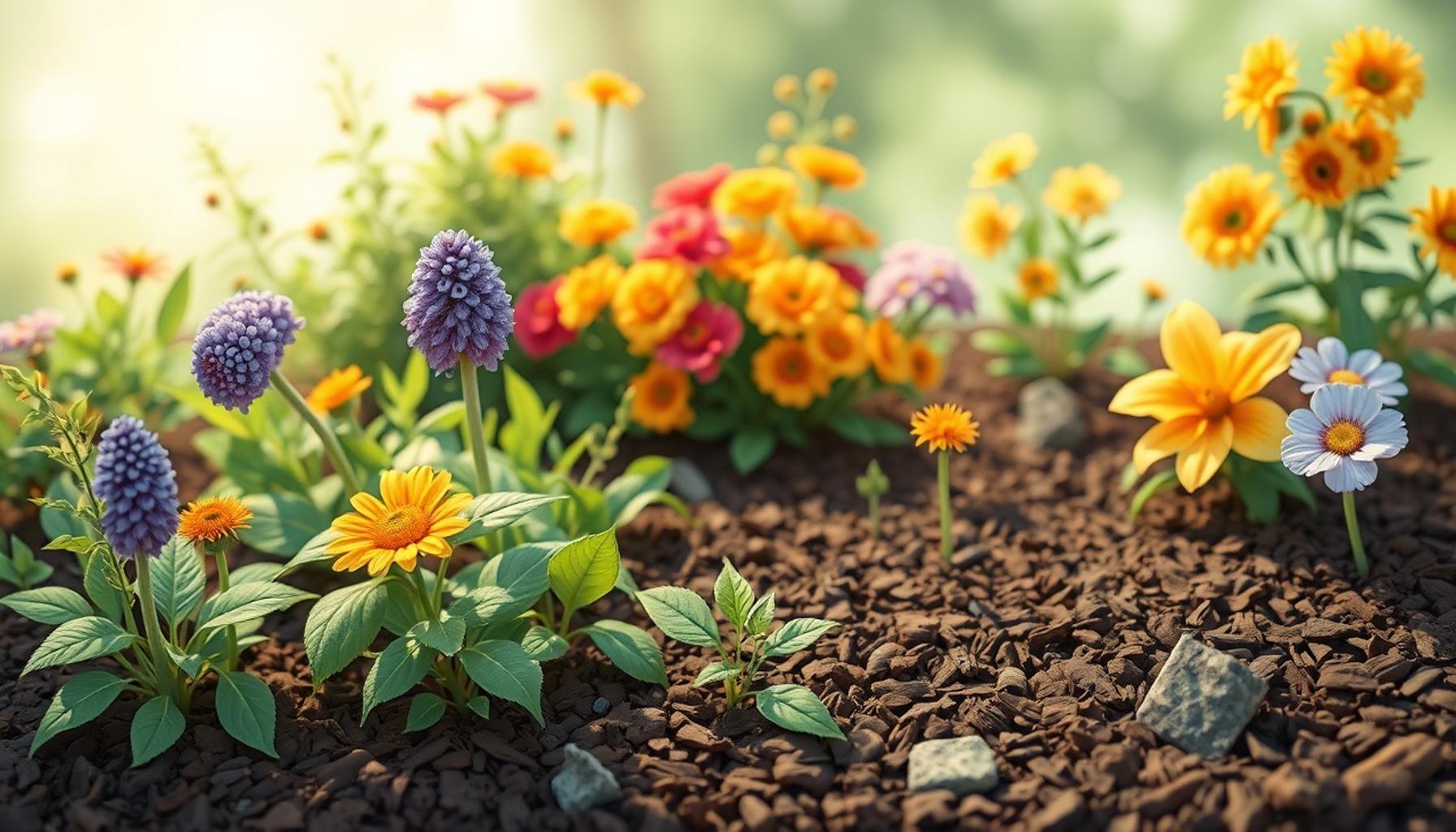
- Mulching: By applying a layer of organic material like wood chips, straw, or grass clippings on the soil surface, you not only conserve moisture but also enhance soil structure as the mulch decomposes over time. This organic matter improves microbial activity in the soil, further aiding aeration.
- Cover Crops: Growing plants such as clover or rye during the off-season can significantly boost soil health. These cover crops prevent soil erosion and help develop a network of roots that improves soil structure, making it less compacted and more conducive to aeration.
An understanding of soil composition is essential for effective aeration. For instance, sandy soils, while naturally loose, may drain too quickly, necessitating different management techniques compared to clayey soils, which are dense and prone to compaction. In regions across the U.S. where clay soils are common, implementing aeration practices can markedly improve soil quality and the health of your plants.
The timing of aeration is also crucial for optimum results. Early spring and fall are generally regarded as the ideal times for aeration. This timing aligns with natural growing cycles, enabling plants to efficiently absorb the nutrients made available through aeration as they prepare for active growth. Adopting the right strategies to boost soil aeration can lay a solid foundation for flourishing gardens in any American backyard.
Let’s explore some practical tips to help you get started!
Before getting started, assess the condition of your soil. The use of soil testing kits can provide insights into pH levels and nutrient content, helping you tailor your aeration methods accordingly. Additionally, consider the long-term benefits of maintaining a healthy, well-aerated garden through regular maintenance, such as incorporating organic matter into your gardening routine. As you delve deeper into the world of gardening, you will discover that understanding soil aeration is not just a one-time task but an ongoing journey towards creating a vibrant and sustainable ecosystem in your garden.
LEARN MORE: Click here for sustainable irrigation tips
Essential Techniques for Soil Aeration
With the significance of soil aeration now apparent, it’s time to delve into practical strategies that can elevate your gardening experience. Implementing effective soil aeration techniques not only enhances drainage but also improves nutrient availability, ensuring that your beginner plants thrive. Here are some key methods you can incorporate into your gardening routine:
- Aerating Tools: Investing in tools specifically designed for aeration can make the process much easier. Consider a manual hand aerator for small gardens or a power aerator for larger lawns. These tools create necessary holes in the soil without compacting it further, allowing crucial air and moisture to reach the roots.
- Regular Watering Practices: Overwatering can lead to soil compaction, depriving it of air. Establish a consistent watering schedule that promotes deep watering while allowing the topsoil to dry out between sessions. This balance encourages root growth and helps maintain soil structure.
- Composting: Incorporating your own compost into the soil not only enriches it with vital nutrients but also improves its texture and aeration. As compost breaks down, it creates a crumbly structure, enhancing both moisture retention and airflow in the soil. Consider starting a compost pile to gradually enrich your garden with this organic matter.
- Rotating Crops: Practice crop rotation to change the soil dynamics. By varying the types of plants grown in specific areas each season, you reduce soil compaction from plants with deep roots and improve the overall structure. This technique introduces diversity and helps break cycles related to pests and diseases.
- Earthworms and Soil Life: Focus on living organisms such as earthworms that naturally aerate soil as they move through it. Encourage earthworm activity by adding organic matter and minimizing chemical fertilizers, which can be detrimental to soil life. The presence of these creatures signifies a healthy ecosystem that supports aeration.
Understanding your local environmental conditions is essential for tailoring these techniques. For instance, sandy soils prevalent in coastal areas might require different aeration practices than the clay soils found in the Midwest. Local gardens may also benefit from specific aeration strategies based on seasonal weather patterns.
Moreover, monitoring signs of soil compaction is vital. Look out for lush areas of plant growth versus spots that struggle, as these discrepancies often indicate varying soil porosity. Regularly assessing the soil condition not only informs your aeration practices but also fortifies your overall gardening strategy, helping you to cultivate a vibrant garden full of healthy plants.
Adapting Aeration Techniques
Once you’ve established your preferred aeration methods, remember that gardening is often about adaptation and learning. Factors such as soil type, plant species, and local climate all play a significant role in how effective your aeration strategy will be. Therefore, don’t hesitate to experiment with different techniques, keeping an eye on plant health and soil quality. As a beginner gardener, patience and observation will be your best allies in this rewarding gardening journey.
Understanding Soil Aeration
Soil aeration is a vital practice for promoting healthy plant growth, especially for beginner gardeners. This process involves creating air pockets in the soil, allowing essential gases to penetrate the root zone of the plants. Proper soil structure is crucial, as it affects water retention, nutrient availability, and root health. By enhancing soil aeration, you can significantly improve the conditions for your plants.
Methods to Aerate Your Soil
There are several effective methods for aerating soil, and understanding these can help beginners make informed decisions:
- Mechanical Aeration: This involves using tools like a core aerator that removes plugs of soil from the ground. This process helps alleviate compaction and fosters better air circulation.
- Poking Holes: For quick results, using a garden fork or a spading fork to poke holes in the soil around plants encourages airflow while also aiding in moisture absorption.
- Soil Amendments: Adding organic matter such as compost can improve soil structure. This not only enhances aeration but also increases microbial life and nutrient availability.
- Cover Crops: Planting cover crops during the off-season can naturally aerate the soil with their root systems, breaking up compaction and improving soil tilth.
Timing Your Aeration
The timing of soil aeration is critical for maximizing its benefits. Ideally, aerate your soil in the spring or fall, when your plants are not actively growing. This allows the soil to recover post-aeration during active growth periods.
Benefits of Proper Soil Aeration
Implementing soil aeration techniques provides a multitude of benefits. It enhances water infiltration, reduces soil compaction, and promotes root growth. This leads to healthier plants that can access more nutrients and moisture, ultimately resulting in a more vibrant garden.
| Category | Advantages |
|---|---|
| Soil Health | Improves nutrient uptake and microbial activity. |
| Root Development | Encourages deep and healthy root systems for stronger plants. |
By implementing these soil aeration tips, beginners can foster an environment conducive to plant health, making every gardening experience richer and more rewarding.
LEARN MORE: Click here for in-depth insights
Advanced Techniques for Optimizing Soil Aeration
Having explored essential soil aeration techniques, let’s now delve deeper into advanced practices that can further enhance your soil structure and cater to the needs of beginner plants. These methods may take a bit more time and effort but can yield exceptional results, nurturing both your garden and your gardening skills.
- Deep Tillage: For compacted soils, especially those with clay or heavy textures, deep tillage can be beneficial. Using a tiller or spading fork to break up the compacted layers of soil allows for better air penetration and root expansion. However, exercise caution with deep tilling, as it can disrupt the soil ecosystem, so it should be used sparingly and never during soil wetness.
- Mulching: Adding a layer of organic mulch, such as straw, wood chips, or shredded leaves on top of your soil can help regulate moisture, prevent evaporation, and reduce soil compaction from rainfall. Mulched areas also promote microbial life and earthworm activity, both of which enhance soil structure over time.
- Biochar: Incorporating biochar into your soil can significantly improve aeration by creating microscopic channels that facilitate air and water flow. Biochar also sequesters carbon and enhances nutrient retention, making it a sustainable amendment to consider as you create a thriving garden environment.
- Use of Cover Crops: Planting cover crops during the off-season helps prevent erosion and compaction while improving soil structure. Varieties such as clover or radishes can break up compacted soil layers with their root systems, enhancing aeration and enriching the soil as they decompose.
- Soil Amendments: Adding gypsum (calcium sulfate) is particularly useful for clay soils, as it can aid in breaking up compaction and improving drainage. It enhances aeration by encouraging better soil aggregation, allowing roots to penetrate more easily. Always conduct a soil test first to understand what amendments might be best suited for your specific soil type.
Monitoring your soil’s moisture content is equally important; using a soil moisture meter can provide valuable insights into when aeration might be necessary. If your soil stays soggy for extended periods, you’re likely dealing with compaction. Regularly check for areas that are persistently damp, as they indicate insufficient aeration. Optimal moisture levels support root development while reducing the likelihood of diseases caused by overly saturated soils.
Additionally, consider the impact of your watering habits. Implementing drip irrigation systems can target the root zones, reducing water pooling and disruption of the soil structure. This method conserves water while also allowing for consistent soil aeration, enabling plants to thrive even during dry periods.
The Role of Microbial Life in Soil Aeration
Another pivotal aspect of soil aeration that cannot be overlooked is the vibrant microbial ecosystem within your soil. Beneficial bacteria, fungi, and other microorganisms play an instrumental role in breaking down organic matter, thereby increasing pore space in the soil. Their activities help create aggregates, which are clumps of soil that improve its structure and aeration. To foster this microbial life, avoid the excessive use of chemical pesticides and fertilizers, opting instead for organic solutions that encourage a healthy living soil.
In summary, as you implement these advanced aeration techniques, remember to maintain a curious and adventurous spirit in your gardening journey. Pay close attention to the interactions between these methods and the unique characteristics of your garden. The art of aeration combines science and intuition, allowing for a rewarding experience as your beginner plants flourish in well-aerated and healthy soil.
DISCOVER MORE: Click here to uncover your perfect plants
Conclusion: Cultivating Success Through Soil Aeration
In wrapping up our exploration of soil aeration techniques for beginner plants, it is clear that understanding and improving soil structure is paramount for nurturing successful growth. From basic practices like aerating and mulching to advanced strategies such as deep tillage and the incorporation of biochar, each method offers distinct benefits that contribute to a vibrant garden ecosystem. The emphasis on fostering microbial life cannot be overstated, as healthy soil organisms are essential for enhancing aeration and nutrient availability, ultimately leading to robust plant development.
As you embark on your gardening journey, remember that every garden is unique. Regular monitoring of moisture levels, soil tests, and adjustments based on specific conditions will enhance your ability to create a thriving environment. Utilizing practices such as the implementation of drip irrigation systems and strategically planting cover crops further optimizes aeration and promotes sustainable gardening.
Ultimately, investing time and effort into tailored soil aeration practices will not only elevate your garden’s health but also provide you with a deeper connection to the earth. It cultivates a sense of achievement as you witness your beginner plants flourish in well-aerated soil. Continue to learn, experiment, and adapt these techniques, as doing so will enable you to master the art of gardening and develop a lush oasis that reflects your dedication and growing skills.