
Laser Treatments and Advanced Technologies in the Fight Against Acne
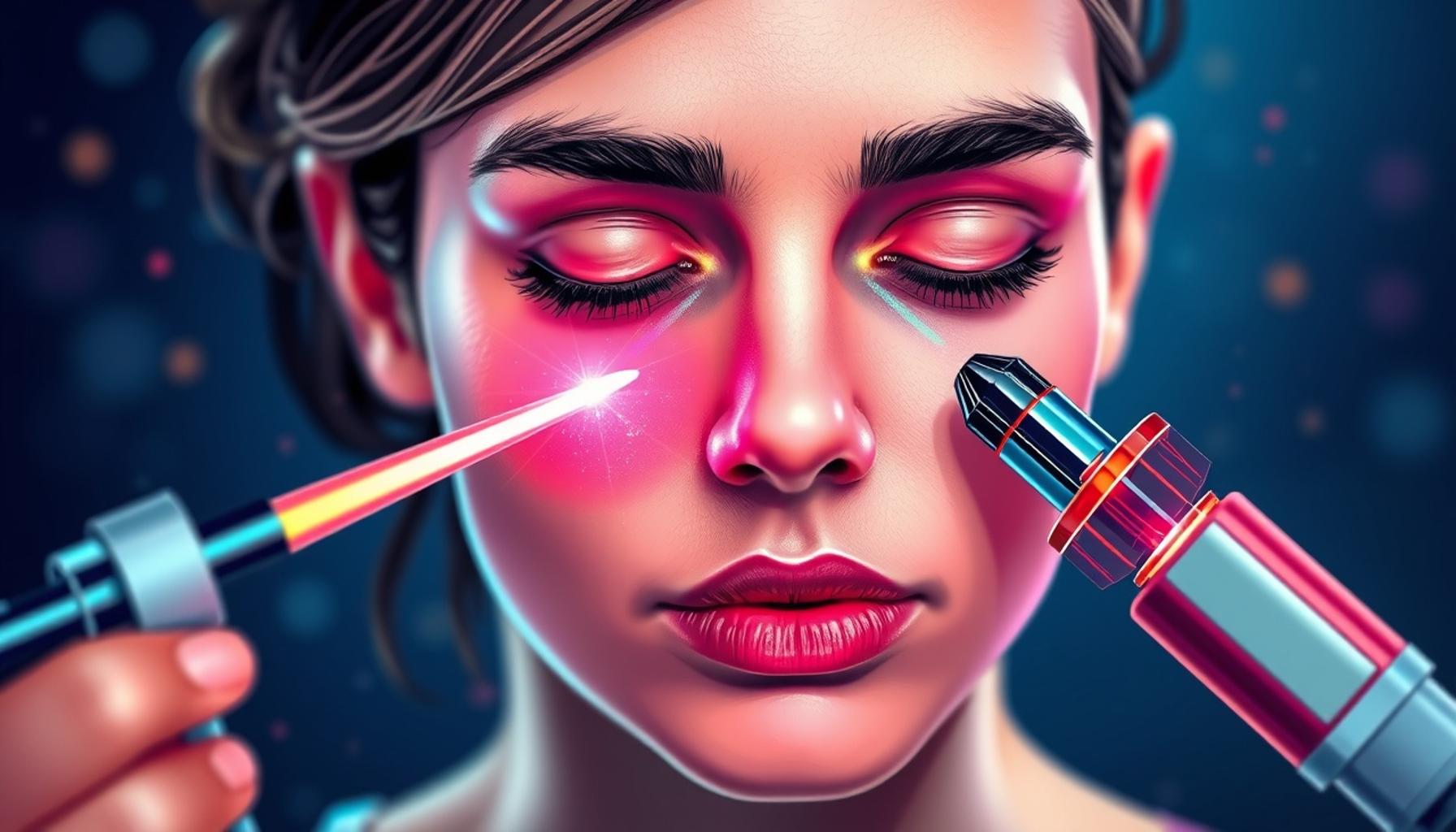
Innovative Solutions for Acne Management
Acne remains a common yet challenging condition affecting millions of individuals across the United States. With approximately 50 million Americans experiencing some form of acne each year, it is clear that effective treatment options are in high demand. Traditional treatments, such as topical creams and oral medications, sometimes fall short, leading many patients to search for alternatives. Thankfully, advancements in dermatological science have ushered in innovative treatment modalities that offer hope to those struggling with acne.
New technologies and treatments can significantly improve skin texture, reduce inflammation, and target the root causes of acne more effectively than ever before. Among these innovative solutions are laser therapy, photodynamic therapy, and radiofrequency microneedling. Each of these therapies comes with unique benefits tailored to address different aspects of acne.
Laser Therapy
Laser therapy involves the use of various wavelengths of light to address active acne while also promoting healing in existing scars. For example, blue light lasers specifically target acne-causing bacteria on the skin, while red light lasers can help in reducing inflammation and redness. Additionally, laser treatments often yield lasting results, making them an appealing option for those who prefer long-term solutions over daily skincare routines.
Photodynamic Therapy
Photodynamic therapy represents another innovative approach to acne management. This method combines light energy and a photosensitizing agent, which is applied topically to the skin. When the light activates this agent, it effectively destroys acne-causing bacteria and reduces oil production. This treatment can be especially beneficial for individuals with severe cystic acne who have experienced limited success with conventional therapies. Clinical studies have demonstrated its effectiveness in reducing acne lesions significantly.
Radiofrequency Microneedling
Another exciting advancement is radiofrequency microneedling, a technique that simultaneously stimulates collagen production and targets the sebaceous glands responsible for producing excess oil. By delivering radiofrequency energy deep into the skin while creating micro-injuries with needles, this method promotes healing and new tissue formation. Patients often report improvements in skin texture and a reduction in acne frequency after just a few sessions, making it an attractive option for those looking to improve their skin’s overall health.
Exploring these technologies not only emphasizes the importance of individualized treatment plans but also highlights a transformative approach to skincare. As research continues to unveil new insights into acne management, understanding the nuances of these innovative options is crucial for anyone seeking effective solutions. Consulting with a qualified dermatologist can provide personalized recommendations and help in navigating the best path for clearer skin.
DISCOVER MORE: Click here to learn the secrets to youthful skin
Understanding the Mechanisms Behind Laser Treatments and Advanced Technologies
As the quest for clear skin continues, laser treatments and advanced technologies have emerged as front-runners in acne management. These innovative modalities are designed not only to address visible symptoms but also to target underlying causes, allowing for a deeper, more comprehensive approach to treatment. Understanding how these technologies work can empower individuals suffering from acne to make informed decisions about their skincare regimen.
Targeting Acne at Its Source
One of the primary benefits of laser therapies is their ability to target the root causes of acne directly. Traditional treatments often focus on surface-level symptoms, whereas laser technologies delve below the skin’s surface to combat issues like excess oil production and bacterial growth. Here’s a closer look at how different laser therapies function:
- Blue Light Laser: This treatment specifically targets *Propionibacterium acnes*, the bacteria responsible for acne formation. By effectively destroying these bacteria, blue light lasers can significantly reduce the frequency and severity of breakouts.
- Red Light Laser: Known for its anti-inflammatory properties, red light laser therapy is particularly effective in calming the skin, reducing redness, and promoting healing for existing acne lesions.
- Fractional Laser Therapy: Aimed at improving skin texture, this procedure creates micro-injuries in the skin, stimulating the body’s natural healing process. In turn, this boosts collagen production, which can help reduce the appearance of acne scars.
Long-Lasting Results and Minimal Downtime
Many individuals are drawn to laser treatments because they often yield long-lasting results with relatively minimal downtime compared to traditional acne treatments. Patients usually report a faster recovery time and experience fewer side effects such as irritation or dryness. For those who lead busy lives, this aspect of laser therapy is particularly enticing, allowing them to seamlessly integrate treatment into their daily routines.
Choosing the Right Treatment
While the options available may seem overwhelming, it is important for patients to undertake a comprehensive consultation with a qualified dermatologist to determine the most suitable treatment plan tailored to their specific needs. Factors such as skin type, acne severity, and individual lifestyle should be considered when making this decision. In most cases, a combination of therapies may be recommended to achieve optimal results, highlighting the need for personalized skincare strategies.
Furthermore, as technological advancements in laser therapy continue to evolve, staying informed about the latest innovations can be advantageous for anyone seeking effective acne treatments. Emerging research continues to shed light on novel applications and techniques that may further enhance the effectiveness of laser treatment modalities.
In conclusion, embracing cutting-edge technologies in the fight against acne not only underscores the importance of targeted treatment strategies but also opens new avenues for achieving clearer skin. As patients become more adept at navigating these advanced therapies, they can experience remarkable transformations in their skin health and overall confidence.
Exploring Laser Treatments and Technologies
One of the most revolutionary advancements in the fight against acne is the application of laser treatments. These procedures leverage focused light energy to target the bacteria that cause acne, reduce inflammation, and stimulate collagen production. As a result, patients have reported a marked decrease in active breakouts and enhanced skin texture. A variety of laser technologies are currently available, such as fractional laser therapy which penetrates deep into the skin and aids in the healing process, or pulsed dye lasers that precisely target blood vessels for effective reduction of redness associated with acne. These procedures are minimally invasive and often lead to quick recovery times, allowing individuals to resume their normal activities shortly after treatment.In addition to lasers, advanced technologies such as light-emitting diode (LED) therapy and high-frequency treatments offer further options for those suffering from acne. LED therapy employs different wavelengths of light to reduce acne-causing bacteria, while high-frequency treatments can help to dry out active pimples and prevent new breakouts. As these technologies continue to evolve, providing innovative solutions for acne management, patients are encouraged to consult with dermatologists to find the most suitable treatment plan tailored to their unique skin conditions.
| Treatment Type | Advantages |
|---|---|
| Laser Therapy | Targets bacteria, reduces inflammation, improved skin texture. |
| LED Therapy | Reduces acne bacteria, promotes healing, non-invasive. |
Both laser treatments and newer technologies provide compelling options for individuals seeking to manage acne, emphasizing the importance of personalized treatment plans. Understanding the specific advantages each option presents can lead to better outcomes and improved skin health.
DISCOVER MORE: Click here to learn about the crucial role of a cleaning routine in acne prevention
Exploring Alternative and Complementary Technologies
While laser treatments have garnered significant attention for their effectiveness in acne management, other advanced technologies have also emerged as viable alternatives or complements to these therapies. Understanding these options can provide a broader perspective on how individuals can best tackle their acne issues.
Michelle’s Story: How Combining Technologies Changed Her Life
Taking a cue from cutting-edge practices, Michelle, a 24-year-old skincare enthusiast from San Diego, turned to a combination of laser therapy and radiofrequency (RF) treatments after struggling with persistent acne for years. Initially hesitant, she discovered that RF technology could complement her laser sessions by enhancing collagen production and further tightening her skin, leading to improved texture and reduced scarring.
This story is not unique. Many clinics across the United States now offer combinations such as laser treatments with microneedling, a procedure that creates tiny channels in the skin to allow for better absorption of topical treatments. This dual approach not only targets active acne but also helps in minimizing scars.
The Role of Chemical Peels
Alongside laser treatments, chemical peels have established their place in advanced acne therapy. These peels involve the application of different substances to the skin’s surface to exfoliate dead skin cells and clear clogged pores. Salicylic acid peels, in particular, are praised for their deep penetration into the skin, making them especially effective for treating acne-prone skin while also prepping it for subsequent laser therapies.
Patients often experience less severe breakouts and a noticeable improvement in skin texture shortly after sessions. Many dermatologists recommend a synergy of peels prior to laser treatments to enhance their efficacy, ensuring patients are primed for optimal results. This combination enhances the effectiveness of laser sessions, resulting in clearer skin over time.
LED Therapy: A Non-Invasive Option
A burgeoning option in the acne treatment arsenal is LED therapy. Unlike traditional laser treatments, LED devices use colored light emissions, primarily blue and red, to target acne and promote healing. Blue light reduces the bacteria responsible for breakouts, while red light is known to accelerate healing and reduce inflammation.
With its non-invasive nature, LED therapy can be done at home with portable devices or in a clinical setting. Its accessibility allows patients to incorporate it into their daily skincare routine, with studies suggesting cumulative benefits over time. This method is particularly appealing to those who may not be ready to engage in more aggressive laser therapies.
Understanding Costs and Treatment Plans
For patients considering these advanced treatments, it’s essential to discuss costs and treatment plans during the initial consultation. While laser therapies often require multiple sessions, similarly, complementary treatments such as chemical peels and LED therapy can incur additional costs. However, many clinics offer package deals that can help alleviate financial stress while ensuring comprehensive treatment.
Moreover, understanding insurance coverage for certain procedures can also alleviate concerns regarding budgets. It is advisable for patients to speak openly with their dermatologists about their financial situation, as many practitioners can suggest strategies or alternate therapies based on each individual’s circumstances.
By exploring these diverse avenues, acne sufferers are better equipped to navigate their treatment options, tailoring a personalized approach that could yield remarkable improvements in their skin health and self-esteem.
DIVE DEEPER: Click here to discover more
Conclusion: A New Era in Acne Treatment
As the quest for effective acne management continues, the combination of laser treatments and advanced technologies represents a hopeful perspective for individuals grappling with this persistent skin condition. From innovative solutions like radiofrequency therapy to the gentle efficacy of LED therapy, patients now have a range of options that cater to their unique skin needs and preferences. This multifaceted approach is not only about eradicating active breakouts but also focuses on promoting healing and reducing the appearance of scars, thus enhancing overall skin texture.
Moreover, the wisdom gained from combining treatments, such as incorporating chemical peels with laser sessions, underscores the importance of personalizing acne treatment plans. By working closely with dermatologists, patients can explore tailored regimens that address their specific concerns, ensuring a more promising outcome. Understanding the costs involved and potential insurance coverage further empowers patients to make informed decisions, leading them on a path toward clearer skin without financial strain.
In conclusion, the combination of laser treatments and cutting-edge technologies not only holds the promise of clearer skin but is indicative of a broader movement towards individualized skincare. As advancements continue to unfold, staying informed about emerging treatments and their benefits remains crucial. For those facing the challenges of acne, the future looks brighter, revealing a spectrum of possibilities that can transform both skin health and self-esteem.