The Role of Natural Ingredients in Preventing Skin Aging

The Power of Nature in Youthful Skin Rituals
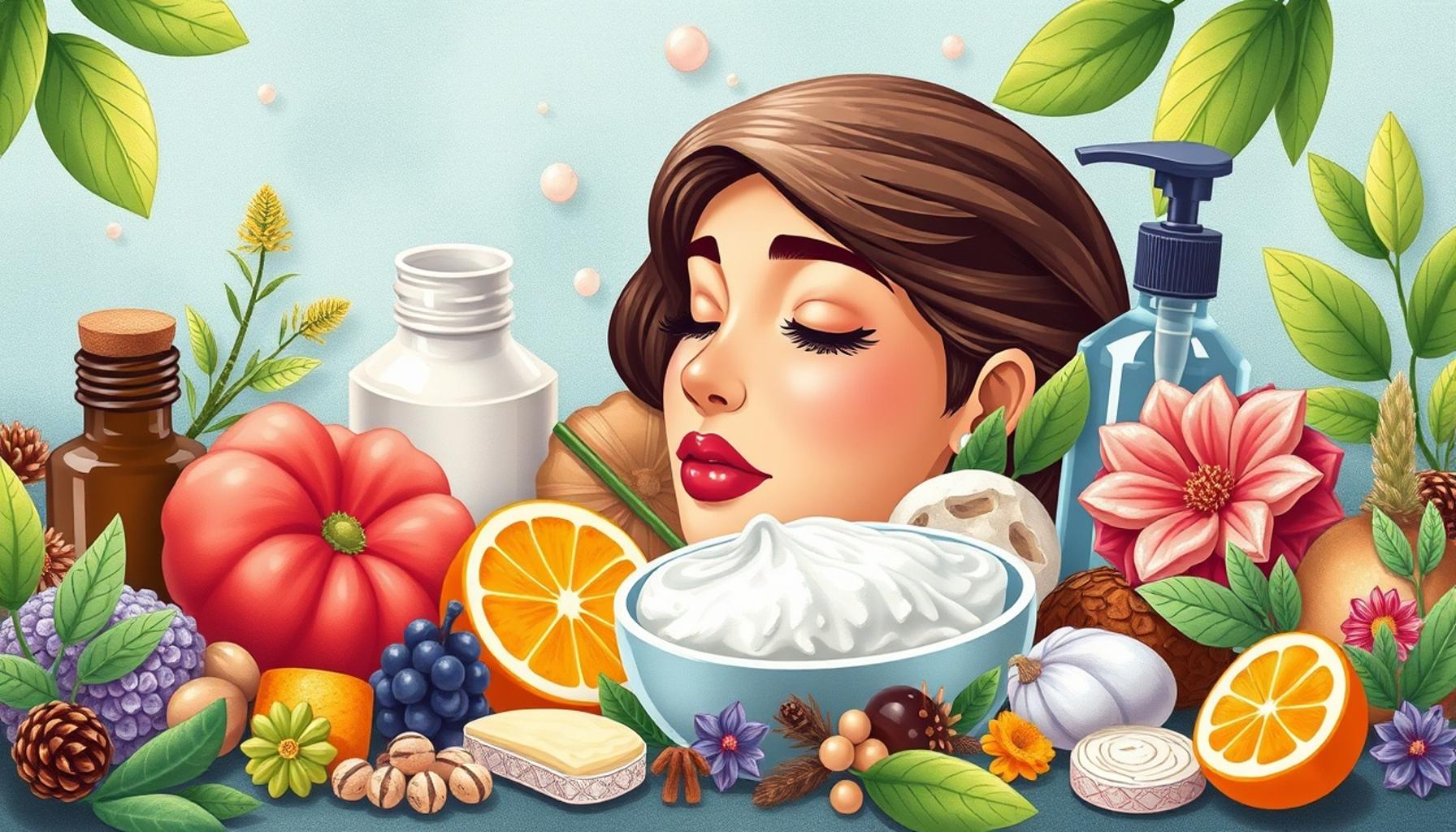
As we journey through life, our skin, much like a canvas, begins to show signs of time—fine lines, wrinkles, and uneven texture. These changes can be disheartening, prompting many to seek out solutions that not only rejuvenate but also nourish the skin from within. The growing trend of turning to natural ingredients stands out as a transformative approach in the skincare industry. These botanical allies offer a variety of benefits that traditional synthetic products may lack.
Understanding the science behind these natural ingredients sheds light on their effectiveness. For instance, antioxidants play a crucial role in skin health by combating oxidative stress caused by free radicals, which can accelerate aging. Ingredients rich in antioxidants—such as green tea, berries, and dark chocolate—help protect the skin from environmental pollutants and sun damage, making them essential in any anti-aging regimen.
Furthermore, moisturizers are vital for maintaining skin hydration and elasticity, both of which wane over time. Natural moisturizers like shea butter and jojoba oil not only hydrate but also reinforce the skin’s barrier, ensuring a plump and youthful appearance. These ingredients are widely recognized for their ability to retain moisture without clogging pores, making them suitable for various skin types.
Vitamins also hold a place of importance in skin care, particularly Vitamin C and E. These vitamins support skin repair and regeneration, crucial for maintaining that coveted glow. Vitamin C, for instance, is renowned for its ability to brighten the complexion and reduce dark spots, while Vitamin E acts as a powerful antioxidant that helps to soothe and repair damaged skin.
Some standout natural ingredients that are making waves in the skincare community include:
- Retinol from Carrots: This form of Vitamin A derived from carrots is a potent ingredient that encourages cellular turnover, leading to fresher and smoother skin.
- Aloe Vera: A staple in many households, aloe vera is celebrated for its soothing and hydrating properties. It’s especially beneficial for calming irritated skin or sunburns.
- Coconut Oil: Beyond cooking, coconut oil serves as a powerhouse in skin care. Its deeply nourishing properties help lock in moisture, making it an excellent choice for dry skin.
What makes these natural alternatives particularly appealing is their diverse applications and minimal risk of side effects when compared to synthetic options. As consumers in the United States increasingly prioritize holistic health and wellness, the shift toward natural skincare solutions is expected to continue growing.
In conclusion, exploring natural ingredients not only aligns with a more eco-conscious lifestyle but can also promote healthier and more youthful-looking skin. By incorporating these powerful, plant-based components into daily routines, individuals can foster a rejuvenated complexion that reflects their inner vitality. This article invites you to consider the vast array of natural solutions available, each presenting an opportunity to enhance your skincare journey with nature’s finest offerings.
Nature’s Anti-Aging Toolbox
As the quest for youthful skin continues, understanding the role of natural ingredients becomes essential. From Ancient Egypt to modern-day skincare routines, the use of plants and botanical extracts has transcended generations, proving their historical significance in promoting youthful complexions. Today, scientists have begun to unveil the secrets of these natural wonders, revealing their potent properties that can mitigate signs of aging.
Central to the efficacy of these ingredients is their ability to deliver nutrients that nourish the skin while also fostering its repair mechanisms. For instance, polysaccharides, abundant in ingredients like aloe vera and green tea, can help restore the skin’s moisture levels while protecting it from environmental stressors. These compounds create a shield that not only hydrates the skin but also bolsters its defenses against free radicals—elements that contribute to premature aging.
Moreover, the incorporation of essential fatty acids, found in oils such as argan and rosehip, can effectively support the skin’s lipid barrier, enhancing its elasticity and firmness. This is particularly relevant when considering that our skin gradually loses its natural fatty content as we age, leading to sagging and wrinkles. By opting for products infused with these natural oils, users can significantly replenish lost moisture and maintain a more youthful appearance.
Aside from hydration, certain botanical extracts offer anti-inflammatory properties essential for soothing irritated skin. Ingredients like chamomile and turmeric have long been revered for their calming effects. These extracts not only help to diminish redness and irritation but also play a significant role in preventing chronic inflammation—a key factor that accelerates skin aging. By integrating such ingredients into skincare routines, individuals can combat the detrimental effects of stress on the skin.
Natural ingredients also often contain a wealth of vitamins and minerals crucial for maintaining skin health. Below are some notable examples:
- Vitamin C from Citrus Fruits: This powerful vitamin is not only an antioxidant but also promotes collagen synthesis, which is vital for skin firmness and elasticity.
- Alpha Hydroxy Acids (AHAs) from Fruits: Derived from sources like sugar cane and milk, AHAs gently exfoliate the skin, promoting a brighter and smoother surface.
- Vitamin E from Nuts and Seeds: This essential vitamin works synergistically with Vitamin C to protect the skin from oxidative damage while also promoting repair.
The affordance of these natural skincare remedies aligns with the principles of holistic health, catering to the body and mind’s well-being. With a growing emphasis on sustainability and eco-friendly practices, consumers are more inclined to opt for natural products over synthetic alternatives. As beauty enthusiasts in the United States become more discerning, the demand for transparency in ingredient sourcing and formulation is on the rise, paving the way for a more conscious approach to skincare.
By harnessing the power of nature, individuals not only can embrace a skincare regimen that enhances their appearance but also fosters an overall sense of well-being—reflecting the timeless adage that beauty begins within.
The Benefits of Natural Ingredients for Skin Aging
As we seek ways to maintain youthful skin, natural ingredients continue to garner attention for their potent effects. These elements, often derived from plants or minerals, provide a holistic approach to skincare that conventional products may not offer. Remarkably, natural ingredients are intertwined with our skin’s health, acting as powerful agents to combat the signs of aging. One of the prominent benefits of natural ingredients is their ability to provide antioxidants, which combat oxidative stress—a significant contributor to skin aging. Ingredients like green tea extract and vitamin C neutralize free radicals, promoting a healthier appearance while improving skin elasticity. Moreover, natural oils such as argan oil and jojoba oil moisturize deeply, creating a barrier that locks in hydration and enhances skin’s suppleness.In addition to hydration, certain natural ingredients have properties that encourage cell regeneration. Aloe vera and rosehip oil not only heal the skin but also stimulate the production of collagen, essential for maintaining skin’s firmness and reducing the appearance of fine lines. These ingredients work harmoniously with the skin, minimizing irritation that often accompanies synthetic alternatives.Furthermore, the use of natural exfoliants, such as aha-rich fruit extracts, gently removes dead skin cells, revealing a brighter, more youthful complexion underneath. This process not only renews the skin but also enhances the absorption of other beneficial ingredients in your skincare routine.Incorporating natural ingredients signifies a transformation in skincare priorities—shifting focus to wellness and sustainability. As consumers become increasingly aware of the ingredients in their products, the demand for transparent, natural formulations continues to grow. The incorporation of plant-based elements makes skincare effective and conscious, aligning with modern wellness trends that embrace organic living.For anyone looking to explore the potential of nature in their skincare regimen, investigating products infused with these powerful, age-defying natural ingredients may yield rewarding results. By understanding the benefits they offer, individuals can actively engage in preserving their youthful radiance while supporting a more sustainable beauty industry.
The Science Behind Natural Ingredients
The resurgence of natural ingredients in skincare formulations is not merely a trend; it is anchored in scientific research that underscores their efficacy in combating skin aging. For example, Coenzyme Q10, a naturally occurring antioxidant found in small amounts in various plants, has gained recognition for its ability to reduce the appearance of fine lines and wrinkles. Studies suggest that topical applications of Coenzyme Q10 can enhance skin cellular energy production, promoting repair and turnover—crucial processes for maintaining youthful skin.
Another natural powerhouse is sea buckthorn oil, revered for its high concentration of vitamins A, C, and E as well as essential fatty acids. It is particularly effective in preventing photoaging, a significant contributor to premature skin aging due to sun exposure. Research has shown that the antioxidants present in sea buckthorn oil can neutralize free radicals, helping to impede oxidative stress that accelerates the skin aging process.
Furthermore, the use of fermented natural ingredients is gaining traction in the fight against skin aging. Fermentation increases the bioavailability of nutrients, thereby amplifying their effectiveness. For instance, fermented rice water is packed with inositol, which has demonstrated a capacity to enhance skin elasticity, minimize pigmentation and restore the skin’s natural barrier. This aligns with the cultural practices of several Asian countries, where fermented products have historically been used for beauty regimens.
In addition to these remarkable ingredients, the concept of the microbiome has emerged in recent skincare discussions. The skin is home to a plethora of microorganisms that play a vital role in maintaining its health and resilience. Incorporating natural prebiotics and probiotics into skincare routines can support skin microbiota balance, leading to enhanced skin immunity. This balance can mitigate inflammatory reactions, thus reducing the visible signs of aging.
Another noteworthy natural element is hyaluronic acid, derived from plant sources. Though often associated with synthetic formulations, naturally sourced hyaluronic acid can be exceptionally beneficial. It is well-regarded for its ability to retain moisture—up to 1,000 times its weight in water—helping to plump and hydrate the skin. Regular use can markedly reduce the appearance of wrinkles by promoting a smoother and more supple texture.
The sustainability aspect of choosing natural ingredients also cannot be overstated. Many brands are now embracing ethical sourcing and sustainable practices that not only benefit the consumer’s skin but also the planet. The rise of organic farming not only ensures that harmful pesticides are kept away but also enriches the soil, promoting biodiversity and environmental health.
As consumers resonate with brands that espouse transparency and responsibility, the shift towards natural ingredients is more than a fleeting fancy—it is a movement rooted in passion for wellness and care for the environment. Skin aging can be seen through a broader lens, recognizing that what you put on your skin is as important as the nutrients you consume.
Evaluating these innovative natural options leaves one curious about the myriad ways the beauty industry is evolving, inviting you to explore your skincare choices as a personal journey towards maintaining a vibrant, youthful complexion.
Conclusion
In summary, the powerful role of natural ingredients in preventing skin aging is becoming increasingly evident as science continues to validate these ancient solutions. With an emphasis on innovation and sustainability, ingredients such as Coenzyme Q10, sea buckthorn oil, and fermented natural products are paving the way for more effective and environmentally responsible skincare routines. These elements not only combat the oxidative stress that accelerates aging but also enhance skin health by supporting its natural functions and microbiome balance.
Moreover, the growing consumer demand for transparency and ethical sourcing dictates a new narrative in the beauty industry—one where natural skincare is not just a trendy choice but a conscious lifestyle decision. This shift invites each consumer to harness the soothing, rejuvenating benefits of nature while honoring the environment. Consumers are encouraged to explore diverse natural formulations that resonate with their skincare goals, creating a personalized path toward achieving youthful and vibrant skin.
As you embark on your journey through the realm of skincare, remember that investing in natural ingredients offers not just a chance for beauty, but a commitment to wellness that can reverberate through your entire lifestyle. The answers to maintaining youthful skin may just lie within nature, waiting to be discovered.