The Relationship Between Skin Hydration and Aging: What You Need to Know

Understanding Skin Hydration and Aging
Your skin is your body’s largest organ, and as it ages, maintaining optimal hydration becomes essential. Skin hydration has a profound impact on its appearance, elasticity, and overall health. With age, many people notice changes that can often be attributed to decreased hydration levels. The skin, which serves as a barrier to protect our internal organs, gradually loses its ability to retain moisture as we get older.
Several factors contribute to skin hydration and aging, including:
- Environmental influences: Factors such as sun exposure can significantly diminish skin hydration. The UV rays from the sun can damage the skin’s natural barrier, leading to moisture loss. Additionally, urban pollution contains harmful free radicals that can accelerate skin aging by breaking down collagen and elastin. A study published in the American Journal of Public Health identified a clear link between pollution levels and premature skin aging.
- Physiological changes: As we age, our bodies naturally reduce the production of important oils and proteins. This is particularly evident in women during and after menopause due to hormonal changes, leading to a noticeable lack of moisture and increased dryness and flakiness. Collagen production decreases, with studies showing a reduction by around 1% each year after the age of 20, leading to a less flexible and more brittle skin.
- Lifestyle choices: Our daily habits profoundly influence skin hydration. A balanced diet rich in antioxidants, vitamins, and fats can help support healthy skin from the inside out. Foods such as avocados, nuts, and berries nourish the skin, helping it to stay supple. Moreover, maintaining adequate hydration by drinking enough water and using suitable skincare products plays a crucial role in keeping the skin’s moisture levels intact.
Understanding the relationship between skin hydration and the aging process is vital for anyone looking to preserve their skin’s youthful appearance. The effects of inadequate hydration can manifest as:
- Increased fine lines and wrinkles, particularly around the eyes and mouth where the skin is thinner.
- Loss of firmness and elasticity, leading to sagging skin. Studies highlight that skin loses approximately 30% of its elasticity by the time a person reaches their 60s.
- Dullness and uneven skin tone, which can result from a lack of moisture that affects cell turnover, causing dead skin cells to accumulate.
In this article, we’ll delve deeper into how to effectively hydrate your skin and explore practical steps to combat the aging process. Discovering effective skincare ingredients, such as hyaluronic acid and glycerin, can lead to better moisture retention. Whether through topical treatments or lifestyle adjustments, integrating these powerful strategies into your daily routine can empower you to achieve healthier, more youthful skin.
It’s never too late to start prioritizing skin hydration—consider it an investment in your long-term health and vitality, paving the way for radiant skin that reflects both youth and well-being.
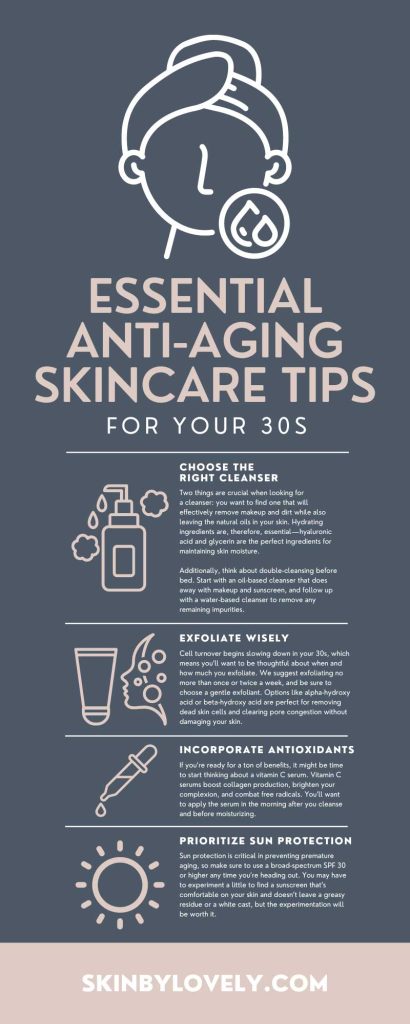
LEARN MORE: Click here to discover the connection
The Importance of Skin Hydration in the Aging Process
Aging is an inevitable part of life, and as time passes, our skin undergoes various changes. One of the primary factors that can either accelerate or mitigate these changes is skin hydration. Maintaining adequate moisture levels plays a significant role in how our skin looks and feels as we age.
The human body is composed of around 60% water, and it’s vital that this hydration extends to our skin. When skin cells are adequately hydrated, they maintain their shape and structure, leading to a youthful appearance. However, as we grow older, the natural moisture retention capabilities of our skin diminish. This decline can result in various signs of aging:
- Increased visibility of fine lines: As hydration levels drop, the skin becomes less plump. This loss of volume leads to the exacerbation of fine lines and wrinkles, especially around areas that are more expressive, such as the eyes and mouth.
- Texture irregularities: Drier skin can lead to a rough texture, as lack of moisture prevents proper cell turnover. This can result in a lack of radiance and a dull complexion, which further highlights the appearance of aging skin.
- Decreased elasticity: Studies indicate that with each passing decade, the skin’s elasticity decreases by a whopping 30%. This results in sagging and a less defined jawline or cheekbone structure, making hydration a critical component in maintaining youthful skin.
In addition to these physical effects, inadequate hydration can also foster emotional and psychological impacts. Research shows that people with dry, dehydrated skin can sometimes experience lower self-esteem as visible aging signs cause distress. This connection between hydration, appearance, and mental well-being underscores the importance of proactive skincare practices.
Crucial Ingredients for Hydration
When it comes to hydrating the skin, not all products are created equal. Certain ingredients can significantly enhance hydration levels, making them valuable allies in the fight against aging. Among them:
- Hyaluronic Acid: Known for its incredible moisture-retaining properties, hyaluronic acid can hold up to 1,000 times its weight in water. This powerful ingredient not only boosts hydration but also helps to plump the skin and reduce the appearance of wrinkles.
- Glycerin: A natural humectant, glycerin draws moisture from the environment and onto the skin’s surface, ensuring it remains supple and soft.
- Ceramides: These lipid molecules help repair and reinforce the skin’s natural barrier. By preventing water loss, ceramides are essential for maintaining overall skin hydration, especially in aging individuals.
Integrating products with these key hydrating ingredients into your skincare routine can help combat the effects of aging. When properly hydrated, skin looks more vibrant, feels smoother, and retains a youthful bounce. Understanding the critical relationship between skin hydration and aging equips individuals with the knowledge to preserve their skin’s health and vitality.
| Category | Description |
|---|---|
| Skin Hydration | Maintaining moisture levels, which is essential for skin elasticity, softness, and appearance. |
| Aging Effects | As skin hydrates decrease, it leads to fine lines, wrinkles, and sagging, making hydration crucial for a youthful look. |
Elucidating further on the intersection of skin hydration and aging unveils a striking reality. Adequate skin hydration not only keeps the skin looking vibrant but also plays a significant role in its overall health. The natural aging process inevitably causes the skin’s moisture content to diminish. Therefore, without sufficient hydration, the skin’s barrier can weaken, resulting in increased dryness and susceptibility to environmental damage.Recent studies illustrate that hydrated skin not only appears plumper but retains its youthful glow longer than dehydrated skin. Experts have identified that individuals who prioritize hydration through both topical products and increased water intake show fewer signs of aging, including deep-set wrinkles and uneven texture.Additionally, understanding the most effective ways to enhance skin hydration can amplify protective mechanisms against premature aging. Topical agents like hyaluronic acid are recognized for their efficacy in attracting and retaining moisture. Meanwhile, a diet rich in essential fatty acids promotes skin barrier integrity, limiting moisture loss. The key takeaway is that proactive measures, including both hydration-intensive skincare routines and balanced dietary strategies, are indispensable in combating the detrimental effects of aging on our skin. Staying informed on how to maintain skin hydration is vital for anyone looking to preserve their youthful appearance as they age, and upcoming sections will delve deeper into practical strategies and product recommendations.
DISCOVER MORE: Click here to learn about sunscreen and skin aging
Hydration Techniques and Lifestyle Choices
While the importance of hydration in maintaining youthful skin cannot be overstated, achieving optimal skin hydration involves a multifaceted approach that combines various techniques and lifestyle choices. It’s not just about slathering on creams or serums; it encompasses a holistic understanding of how to support your skin from the inside out.
The Role of Diet in Skin Hydration
What we consume plays a pivotal role in how our skin looks and feels. A well-balanced diet rich in antioxidants can combat oxidative stress, which is known to accelerate aging. Foods high in omega-3 fatty acids, such as salmon, walnuts, and flaxseeds, bolster the skin’s lipid barrier. This barrier is essential for preventing moisture loss, keeping skin hydrated and supple. Additionally, fruits and vegetables high in water content—like cucumbers, oranges, and watermelons—not only provide hydration but also deliver essential vitamins and minerals that contribute to skin vitality.
Moreover, consider incorporating foods rich in vitamin C and vitamin E, both of which are crucial for collagen synthesis and skin repair. Items like berries, oranges, nuts, and leafy greens can significantly enhance skin hydration and overall health.
The Importance of Water Intake
It’s no secret that drinking water is vital for overall health, but its effect on skin hydration is often underestimated. The common recommendation of consuming eight 8-ounce glasses of water daily, known as the “8×8 rule,” is a nice guideline, but individual needs can vary based on factors such as age, activity level, and climate.
Research has shown that adequate water intake can improve skin’s hydration levels and elasticity. A study conducted by the Journal of Clinical, Cosmetic and Investigational Dermatology found that participants who increased their water intake reported improved skin texture and moisture content. Therefore, integrating a habit of regular water consumption throughout the day is essential for maintaining plump and youthful skin.
Sun Protection: A Hydration Essential
Another significant but often overlooked factor in skin hydration is sun protection. Ultraviolet (UV) rays can severely dehydrate the skin, leading to premature aging. Applying a broad-spectrum sunscreen with at least SPF 30 daily can protect the skin from UV damage while maintaining its hydration levels. Remember that reapplying sunscreen every two hours, especially when outdoors, is crucial to guarding your skin’s moisture barrier.
In addition to using sunblock, wearing sunglasses and hats can offer additional protection from harsh sunlight. Minimizing sun exposure not only helps in maintaining hydration but also prevents the formation of dark spots and skin texture damage associated with aging.
Integrating Topical Hydration
To further bolster skin hydration, integrating topical products designed to lock in moisture is vital. Look for formulations that include the aforementioned hydrating ingredients like hyaluronic acid, glycerin, and ceramides. These components create a protective film on the skin, which can help to prevent transepidermal water loss, enhancing the effectiveness of other products in your skincare arsenal.
Additionally, incorporating facial mists or hydrating toners into your routine can provide an instant moisture boost throughout the day, especially in arid environments or during winter months when humidity is low.
By combining diverse hydration techniques, maintaining a balanced diet, staying adequately hydrated, and prioritizing sun protection, individuals can significantly improve their skin’s hydration levels. This approach not only supports a more youthful complexion but allows one to age gracefully and with confidence.
DIVE DEEPER: Click here to discover the link between your diet and acne
Conclusion: Essential Insights on Skin Hydration and Aging
Understanding the relationship between skin hydration and aging is crucial for anyone looking to maintain a youthful complexion. As we navigate the inevitable passage of time, adopting a comprehensive approach to skincare that emphasizes hydration is essential. The integration of a nutrient-rich diet, adequate water intake, effective sun protection, and diligent use of topical moisturizers not only combats the signs of aging but also fosters healthier skin overall.
It’s clear that hydration is much more than a surface-level concern; it serves as the foundation for skin elasticity, suppleness, and vitality. By prioritizing lifestyle choices that enhance hydration, such as consuming antioxidant-rich foods and fostering consistent water habits, individuals can significantly influence their skin’s aging process. Moreover, fortifying the skin with hyaluronic acid and similar ingredients can help lock in moisture, creating a protective barrier against environmental stressors.
Ultimately, embracing these holistic strategies will empower you to age gracefully while maintaining not just the appearance but also the health of your skin. For those interested in exploring advanced skincare techniques, consulting with dermatologists or skincare specialists can provide tailored guidance. By taking these invaluable steps, you can pave the way toward a radiant, hydrated complexion that defies the signs of aging.