
The Relationship between Minimalism and Efficiency: Creating Spaces that Inspire Action
Understanding the Power of Minimalism in Daily Life
In today’s fast-paced world, the quest for efficiency is more important than ever. The way we design our environments can greatly influence our daily productivity and overall well-being. Minimalism emerges as a powerful solution to this dilemma, advocating for the reduction of clutter while maximizing impact. By creating spaces that foster simplicity and function, minimalism not only enhances our surroundings but also leads to profound changes in how we approach tasks and challenges.
Creating a minimalist environment can transform your daily experiences significantly. Let’s explore some of the compelling advantages:
- Focus on Essentials: Minimalism encourages you to prioritize what truly matters in your life. For example, in a corporate office in Lagos, removing unnecessary paperwork and excess furniture can help employees focus better on their objectives, reducing distractions that can derail crucial meetings or project deadlines.
- Enhanced Productivity: Studies show that decluttered spaces can lead to clearer thinking and improved concentration. In Nigerian workplaces, where the hustle and bustle can sometimes lead to chaos, implementing a minimalist approach can help employees feel more organized and motivated, ultimately boosting their work output.
- Emotional Relief: A simplified environment can significantly reduce stress and create a sense of peace. In urban settings like Abuja or Port Harcourt, where noise and commotion are commonplace, a minimalist approach can be a refreshing escape, enabling individuals to unwind and regain mental clarity.
In Nigeria, where urban landscapes are often teeming with distractions, adopting minimalism can create a much-needed refuge. Picture a workspace where every item serves a specific purpose; this intentionality fosters an atmosphere conducive to creativity and efficiency. Furthermore, minimalism can extend beyond physical spaces. It encourages a lifestyle where individuals are more deliberate about their commitments, both personally and professionally.
As we delve deeper into the connection between minimalism and efficiency, it becomes clear that establishing intentional spaces can inspire significant action in various aspects of life. For instance, implementing minimalist principles in schools can cultivate an environment that allows students to concentrate better, thereby enhancing their learning experiences. Likewise, in homes, practicing minimalism can lead to more meaningful interactions between family members, as the focus shifts to quality over quantity.
Prepare to uncover surprising insights that could help redefine your approach to both work and life. This new perspective invites exploration and adaptation, offering the promise of a more streamlined, fulfilling existence in both personal and professional realms.
ADDITIONAL INSIGHTS: Expand your understanding here
Exploring Minimalism as a Catalyst for Efficiency
The interplay between minimalism and efficiency is profound, particularly as we navigate bustling urban centers and personal spaces. In Nigeria, the bustling life in cities such as Lagos and Abuja can easily lead to overwhelm, making it difficult to stay productive. Adopting minimalism allows individuals to cut through the noise of their surroundings, focusing on elements that truly propel them toward their goals. This connection is not just conceptual; it translates into practical benefits.
At its core, minimalism is about stripping away the extraneous to reveal the essential. This principle can significantly influence various environments. Consider a typical Nigerian office space. When excess furniture, unfiled documents, and unnecessary technology are removed, the workspace becomes not only cleaner but also more functional. Employees are then empowered to work without the distractions of a cluttered desk or office. Here’s how minimalism can boost efficiency:
- Clarity of Purpose: In spaces devoid of clutter, the mission and objectives become tangible. For a startup in Yaba, prioritizing essential tools and resources can enhance team alignment and focus. When every piece of equipment serves a purpose, employees are more likely to engage actively with their work.
- Streamlined Processes: Minimalism promotes efficiency by simplifying tasks and workflows. In traditional settings, complicated procedures can lead to waste and inefficiency. By adopting a minimalist approach, organizations can evaluate and refine processes, leading to quicker turnaround times and better outcomes.
- Increased Motivation: Environments that embody minimalism can foster a sense of inspiration. In the educational context, schools in Nigeria that apply minimalist principles can enhance student engagement. A straightforward and organized classroom layout encourages learners to interact and collaborate effectively.
Moreover, the implications of minimalism extend beyond tangible benefits. A simplified environment can nurture a culture of discipline and focus. When individuals learn to value what they truly need, they cultivate a mindset that prioritizes effectiveness not just in their workspace but also in their personal lives. This shift can lead to more intentional decision-making, both at work and in their private affairs.
As we continue to examine the links between minimalism and efficiency, it becomes crucial to recognize the transformative power of creating spaces tailored for action. Be it at home or in a professional setting, a clutter-free space can pave the way for improved productivity and greater satisfaction. Understanding this relationship prompts a reevaluation of how we perceive spaces and their impact on our daily lives. As such, adopting minimalism could indeed provide the key to unlocking potential in many aspects of life, leading us to discover a more harmonious way of living and working.
The Relationship between Minimalism and Efficiency: Creating Spaces that Inspire Action
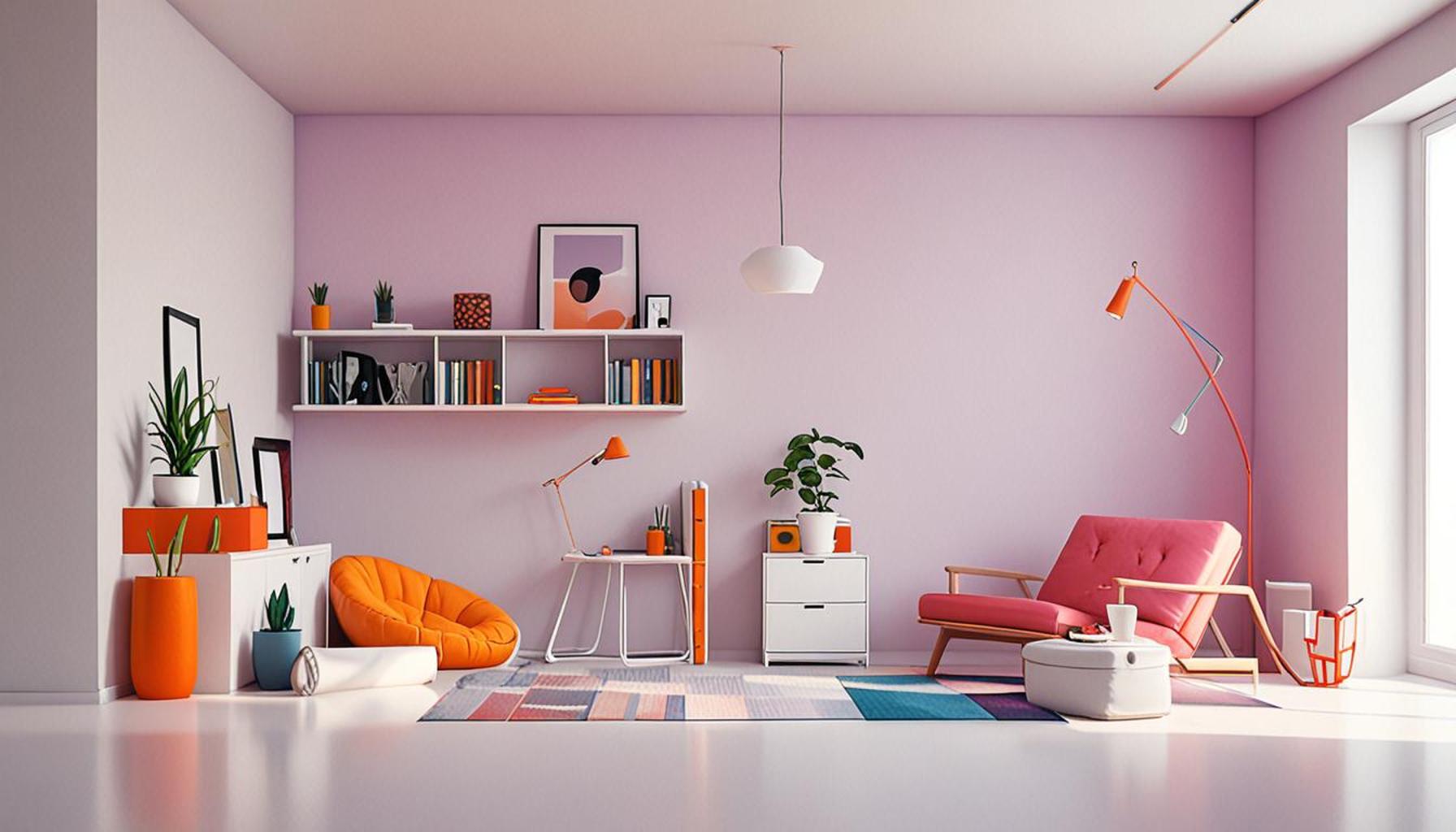
In today’s fast-paced world, where distractions are abundant, minimalism has emerged as a powerful philosophy for fostering efficiency. This concept extends beyond aesthetics; it’s about cultivating environments that truly inspire action. By stripping away the non-essential and focusing on key elements, minimalism creates a sense of clarity and purpose. This section dives deeper into the elements that create productive spaces while examining the relationship between design simplicity and pragmatic effectiveness.One of the fundamental principles of minimalism is the idea of reducing clutter. Clutter can signify chaos in our lives, leading to decreased motivation and increased stress. When spaces are designed with minimalistic principles, it allows individuals to focus on their tasks without the distractions that often accompany overflowed environments. Research shows that organized spaces can enhance cognitive function, leading to better decision-making and increased productivity.Consider the role of color in a minimalistic design. Gentle, muted tones along with ample natural light not only create a visually appealing environment but also promote mental well-being. Spaces designed with soothing colors enhance concentration and creativity, allowing individuals to engage deeply with their work. Such environments are not just designed for aesthetics but are calculably pragmatic.Furthermore, the furniture choices in minimalistic spaces play a crucial role. Selecting multifunctional pieces can drastically improve a room’s efficiency. For example, a desk that doubles as a storage space not only saves room but also maintains an organized approach to work. The minimalist design encourages thoughtful decisions regarding every item in the space, ensuring that each component serves a unique purpose.Finally, actively integrating nature into minimalistic spaces can inspire significant psychological benefits. Indoor plants have been shown to purify air and lift mood, contributing to a serene workspace. The simplicity of care for these plants allows for an environment that is both aesthetically pleasing and energizing. In summary, the relationship between minimalism and efficiency reinforces the importance of intentionally designed spaces that motivate individuals toward productivity. By embracing these principles, one can create an inspiring environment that not only looks beautiful but functions effectively.
| Category | Details |
|---|---|
| Clarity in Design | Focus on essential elements enhances productivity. |
| Color Psychology | Muted tones promote concentration and mental well-being. |
SEE ALSO: Click here to read another article
Creating Spaces that Encourage Positive Action
Delving deeper into the synergy of minimalism and efficiency reveals actionable strategies that can invigorate both personal and communal spaces. By thoughtfully removing excess from our environments, we can foster an atmosphere conducive to productivity and creativity. In a country like Nigeria, where external factors such as traffic jams and power outages can create additional stress, a minimalist approach becomes even more valuable, enabling individuals to focus on what really matters.
One effective method of applying minimalism lies in the design of functional workspaces. Nigerian tech hubs, such as those found in the innovation districts of Lagos, have embraced open, minimalist concepts that prioritize flexibility and user experience. For instance, shared workstations devoid of clutter not only maximize space but also enhance collaboration among team members, increasing overall efficiency. The principle of “less is more” rings true, as a streamlined area can help workers maintain laser focus on their projects.
- Intentional Organizational Systems: The inclusion of minimalist organizational tools, such as labeled storage boxes or digital solutions for document management, can significantly reduce time wasted searching for items. In Nigerian offices grappling with operational inefficiencies, implementing these systems can lead to significant time savings and improved morale, as employees feel less stressed in their tidy surroundings.
- Aesthetic Appeal: Minimalist environments not only prioritize functionality but also provide a sense of peace. By utilizing neutral color palettes and simple decor, spaces can become visually calming, allowing users to thrive. Research indicates that when people feel relaxed and inspired by their environment, they tend to perform better. This is particularly relevant in educational institutions, where providing a serene learning environment can positively impact student performance.
- Personalized Zones: Encouraging individuals to create personal minimalist work zones can deepen ownership of their tasks. For example, a teacher in a Nigerian classroom might curate a small corner with essential teaching materials while eliminating distractions from the rest of the room. This personalized space nurtures creativity and invites innovative thinking, leading to enhanced educational outcomes.
Emphasizing the importance of human-centered spaces also amplifies the influence of minimalism on efficiency. As urban designers in Nigeria begin to incorporate principles of minimalism into public spaces, such as parks and recreational areas, the overall quality of life can improve. Stripped-down street designs, with fewer distractions and simplified layouts, can promote healthier habits, such as walking or cycling, ultimately encouraging a more active lifestyle.
Furthermore, the linkage between minimalism and emotional wellness cannot be overlooked. Clutter has been associated with increased stress levels and decreased productivity. Adopting a minimalist mindset fosters not only a cleaner environment but also mental clarity. Individuals who actively curate their spaces report feelings of control and empowerment, which in turn energizes their endeavors. Creating dedicated zones for relaxation or reflection in busy cities like Lagos can be transformative for overall well-being, emphasizing the dual role of minimalism as both a practical and therapeutic approach.
As we uncover the intricate relationship between minimalism and efficiency, it becomes evident that fostering inspiring spaces can lead individuals to act with purpose and determination. Whether in bustling workplaces, schools, or homes, the minimalism lens offers profound insights into designing environments that inspire action, creativity, and growth in our daily lives.
RECOMMENDED: Check out this similar article
Transforming Environments for Enhanced Productivity
In conclusion, the exploration of minimalism and its relationship with efficiency highlights the profound impact that thoughtfully curated spaces can have on our productivity and overall well-being. As we navigate the challenges of contemporary life, particularly in vibrant and bustling environments like Nigeria, embracing a minimalist approach allows us to redirect our focus to essential tasks without the distractions of clutter. This blend of simplicity and functionality transforms not only personal workspaces but also communal areas, fostering a culture of collaboration and creativity.
By implementing intentional organizational systems, maintaining an aesthetic appeal, and creating personalized zones, individuals can cultivate environments that invigorate and inspire. The connection between minimalism and improved emotional health cannot be overstated; individuals who inhabit clean, orderly spaces tend to experience heightened levels of control and empowerment. As urban designers and educators in Nigeria continue to leverage these principles, we can anticipate a societal shift towards healthier habits and enhanced quality of life.
Ultimately, the drive to simplify our environments is not merely about aesthetics; it is a call to action. In a world that often feels overwhelming, minimalism presents a pathway to clarity and focus. By embracing these minimalist principles, we can create spaces that not only encourage action but also empower us to realize our potential, leading to transformative outcomes in both our personal and professional lives. The journey toward efficiency through minimalism is not just a trend; it is a lifestyle choice that invites us to invest in the quality of our surroundings and, in turn, the quality of our lives.