
The relationship between diet and acne: what you need to know

Understanding the Connection
Acne is a prevalent skin condition that impacts millions of people across various age groups, most notably during the teenage years. However, a concerning trend has emerged: adult acne is increasingly common, prompting many individuals to seek alternatives to the conventional treatments that have dominated the market for decades. Amidst this search for effective solutions, an intriguing area of research has gained traction—the relationship between diet and acne.
What’s on Your Plate May Matter
Recent studies have shown that our diets can significantly influence the onset and severity of acne outbreaks. Acknowledging this connection can pave the way for innovative treatment options and preventative strategies that may offer relief to those grappling with the condition. Here are some key dietary components to consider:
- High-Glycemic Foods: Foods that cause rapid spikes in blood sugar levels, such as sugary snacks, white bread, and certain processed cereals, may worsen acne. These foods can lead to increased insulin levels, which in turn affects oil production and inflammation in the skin. A notable example of this is a study that found teen boys who adhered to a high-glycemic diet were more prone to acne compared to their peers who consumed low-glycemic options.
- Dairy Products: Some research suggests a correlation between dairy consumption and the frequency of acne flare-ups. A hypothesis is that hormones present in milk, particularly from cows, may influence oil production. For instance, adolescents who consumed two or more servings of dairy daily were found to have a higher prevalence of acne, leading researchers to recommend moderation in dairy intake for those prone to breakouts.
- Omega-3 Fatty Acids: Conversely, incorporating omega-3 fatty acids into one’s diet, found in fish like salmon and in nuts such as walnuts, may support reduced inflammation and promote overall skin health. These fatty acids work to modulate inflammatory responses, potentially minimizing the severity of acne. People who have adopted a diet rich in omega-3s often report not just clearer skin but also improved overall health.
Why It Matters
This information is essential not only for individuals battling acne but also for anyone keen on maintaining healthy skin. By understanding how specific dietary choices affect skin conditions, individuals can make informed decisions that may lead to significant improvements in their skin health.
As we delve further into this topic, it becomes crucial to explore additional dietary factors that might influence acne, such as micronutrient intake, hydration levels, and the potential effects of food additives. For those struggling with skin issues, experimenting with dietary changes may provide a new perspective on treatment. In the quest for clearer skin, knowledge about what we eat can turn out to be just as impactful as clinical interventions.
DISCOVER MORE: Click here to learn about the benefits of natural ingredients in skin aging prevention
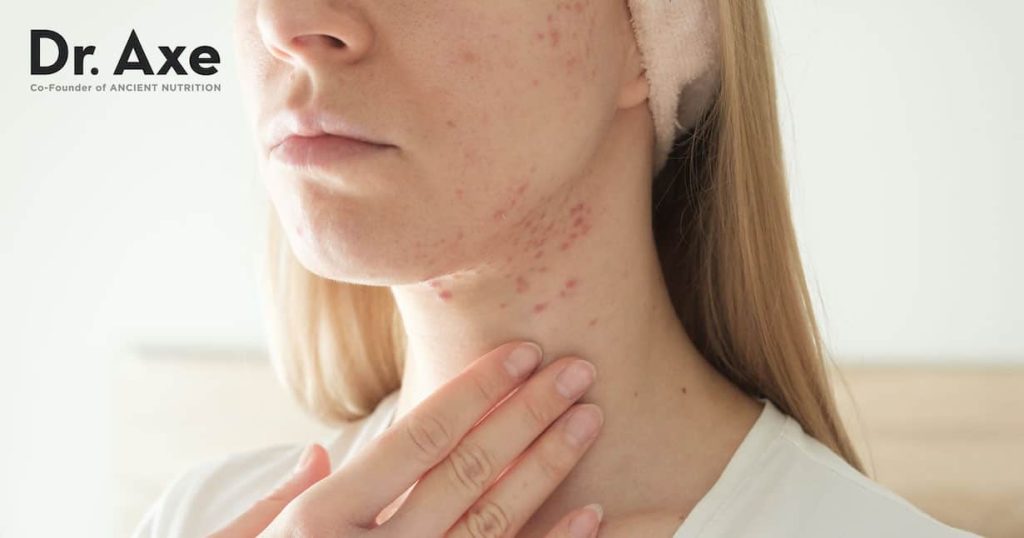
Exploring Dietary Influences on Acne
Understanding the intricacies of how specific dietary choices contribute to acne is paramount for anyone hoping to regain control over their skin health. As research continues to unravel the complex relationship between diet and acne, it’s vital to examine not only the more commonly discussed components but also the broader implications of one’s dietary habits.
Micronutrients and Their Role
Micronutrients, encompassing a variety of vitamins and minerals, play a crucial role in maintaining skin integrity and function. Deficiencies in essential nutrients can compromise your skin’s barrier and healing abilities, leading to increased susceptibility to acne. For instance, zinc—an essential mineral for skin repair and anti-inflammatory processes—has been demonstrated in numerous studies to diminish acne severity when incorporated into the diet. Foods rich in zinc, such as oysters, beef, lentils, and pumpkin seeds, can significantly contribute to enhanced skin health and may assist in reducing breakout frequency.
Moreover, the importance of vitamin A cannot be overstated. This crucial vitamin and its derivatives play a vital role in skin cell production and repair. A diet lacking adequate levels of vitamin A, typically found in sweet potatoes, carrots, spinach, and egg yolks, could leave individuals more vulnerable to acne. In fact, some dermatologists advocate for vitamin A supplementation for those with persistent acne, underscoring its fundamental role in maintaining skin health.
- Antioxidants: Antioxidants such as vitamin C, found abundantly in citrus fruits like oranges and grapefruits, as well as in bell peppers, are known for their ability to combat oxidative stress within the skin. This oxidative stress can exacerbate acne by inducing inflammation, making antioxidant-rich foods imperative for those seeking to improve their skin condition.
- B Vitamins: The B vitamins, particularly B2 (riboflavin), B3 (niacin), and B6 (pyridoxine), are also critical for maintaining healthy skin. Found in a range of foods including leafy greens, whole grains, and nuts, these vitamins help to promote cellular health and may mitigate acne by supporting overall skin function.
Hydration: A Fundamental Factor
Another often-overlooked element in the conversation surrounding diet and acne is hydration. Adequate water intake is essential for flushing out toxins and maintaining optimal skin moisture levels. In fact, a well-hydrated body can lead to improved skin elasticity as well as a decrease in the occurrence of acne. Conversely, dehydration may result in increased oil production, which can exacerbate skin issues and lead to breakouts.
Interestingly, studies have shown that even mild dehydration can have adverse effects on skin health, leading to increased dryness and irritation. Therefore, increasing water consumption by incorporating hydrating foods like cucumbers, watermelons, and oranges can also be beneficial. It’s recommended that individuals aim for at least eight 8-ounce glasses of water per day, adjusting based on activity levels and climate.
Ultimately, the relationship between diet and acne extends beyond any single nutrient or food group. By addressing the myriad dietary components that influence skin health, individuals can embark on a path to clearer skin. With the information at hand, taking a proactive and informed approach toward personal dietary choices might not only play a significant role in acne prevention but also contribute to effective management of existing skin conditions.
For those eager to explore more, keeping a food diary might help uncover personal triggers related to dietary patterns and acne flare-ups. This personalized approach can help individuals make more informed decisions that align with their unique skin health needs.
| Dietary Factors | Impact on Acne |
|---|---|
| High Glycemic Index Foods | Increased insulin levels can trigger oil production and inflammation, exacerbating acne. |
| Dairy Products | Some studies suggest a link between dairy consumption and acne flares, possibly due to hormones present in milk. |
| Omega-3 Fatty Acids | Foods rich in omega-3s may help reduce inflammation and improve skin conditions related to acne. |
| Zinc-Rich Foods | Zinc deficiency has been linked to acne; adequate intake could improve skin health. |
Understanding the connection between diet and acne is crucial for anyone experiencing this skin condition. While hormonal factors and genetics play a role, the foods we consume can significantly influence the severity and frequency of breakouts. For instance, high glycemic index foods, which cause rapid spikes in blood sugar, may lead to increased sebum production and clogged pores, thereby promoting acne formation. Additionally, dairy products have been scrutinized for their potential to trigger acne due to the hormones they contain. On the other hand, incorporating more omega-3 fatty acids through sources like fish and flaxseed can help combat inflammation associated with acne. Similarly, maintaining adequate levels of zinc can play a protective role, suggesting that a well-rounded diet may serve as a natural strategy in managing this common skin issue. Being conscious of these dietary elements can empower individuals to take a proactive approach to their skin health, potentially steering them toward a clearer complexion.
DIVE DEEPER: Click here to uncover the secrets
The Impact of High-Glycemic Foods
A critical factor in the conversation about diet and acne lies in the potential influence of high-glycemic foods. These are foods that rapidly increase blood sugar levels, leading to a spike in insulin production, which can, in turn, trigger an escalation of oil production in the skin and inflammation—two factors closely associated with acne development. Research has indicated that diets high in refined carbohydrates, such as white bread, sugary snacks, and certain cereals, are correlated with a higher incidence of acne.
For instance, a study published in the American Journal of Clinical Nutrition highlighted that individuals who consumed a low-glycemic diet experienced significantly fewer acne lesions than those who included high-glycemic foods in their meals. Foods that fall within the low-glycemic index category, such as whole grains, legumes, and most fruits and vegetables, can stabilize blood sugar, thereby reducing the risk of acne flare-ups.
Dairy Products: A Controversial Relationship
Another noteworthy aspect of dietary considerations in relation to acne is dairy consumption. Various studies have suggested a potential link between dairy products and acne, particularly skim milk. The possible reasons for this association are not entirely understood, but it is hypothesized that the hormones and bioactive molecules present in milk may play a role in acne exacerbation. Some dermatologists recommend that individuals dealing with persistent acne should consider limiting their dairy intake as a trial to assess its impact on their skin health.
However, it is essential to approach this topic with caution, as reactions to dairy vary widely among individuals. While some might experience reduced breakouts by minimizing dairy consumption, others may have no appreciable differences. Therefore, a personalized exploration of dietary habits is often crucial in understanding one’s unique relationship with dairy.
- Plant-Based Alternatives: With the rise in popularity of plant-based alternatives such as almond, soy, or oat milk, some individuals have found that switching to these options may lead to improvements in skin condition. These alternatives often contain less saturated fat and do not have the same hormonal content as cow’s milk, which could potentially translate to fewer breakouts.
- Fermented Foods: Conversely, incorporating probiotics from fermented foods like yogurt, sauerkraut, and kimchi may offer beneficial effects on skin health by supporting gut health. A balanced gut microbiome can have a direct influence on inflammation and hormonal balance in the body, which is pivotal in managing acne.
The Role of Fatty Acids
Moreover, the types of fats in one’s diet can significantly impact skin health. A diet high in omega-3 fatty acids—found in fish such as salmon, as well as flaxseeds and walnuts—holds the potential to counteract inflammation, thus playing a positive role in acne management. In contrast, diets rich in omega-6 fatty acids, commonly found in many processed oils, may aggravate inflammatory processes and worsen acne. Striking a balance between these fatty acids is essential for optimal skin health.
Additionally, the popularity of anti-inflammatory diets, such as the Mediterranean diet, underscores the importance of food variety in promoting skin health. This diet emphasizes fruits, vegetables, whole grains, healthy fats, and lean proteins, providing the nutrients necessary to maintain skin integrity while potentially reducing acne occurrence.
A practical approach would include evaluating one’s overall diet—focusing on incorporating more anti-inflammatory and nutrient-dense foods while remaining mindful of individual triggers related to high-glycemic and dairy products. Such holistic dietary adjustments can pave the way for clearer skin and improved overall health. As this connection unfolds, there remains much to learn, encouraging individuals to take an active role in how their diet may be contributing to their skin’s condition.
DIVE DEEPER: Click here to learn more
Conclusion: The Intersection of Diet and Acne
Understanding the intricate relationship between diet and acne is crucial for anyone dealing with this common skin condition. The evidence suggests that dietary choices can significantly influence acne development and severity. From the impact of high-glycemic foods that trigger insulin spikes to the potential exacerbation caused by certain dairy products, it’s clear that what we eat matters.
Furthermore, the role of healthy fats, particularly omega-3 fatty acids, can be an ally in managing skin inflammation, while the Mediterranean diet’s emphasis on whole, nutrient-rich foods supports overall skin health. Exploring plant-based alternatives and integrating fermented foods can also provide a new avenue for individuals seeking clearer skin and improved gut health.
However, it’s essential to recognize that each individual’s body responds differently to various dietary factors. This emphasizes the importance of a tailored approach; what works well for one person may not yield the same results for another. Keeping a food diary to track dietary habits alongside acne flare-ups could offer valuable insights.
In conclusion, while the connection between diet and acne is complex, a proactive approach that prioritizes whole foods, balanced fats, and personal observation can lead to better skin outcomes. As research continues to evolve, staying informed and open to adjustments in diet may just be the key to achieving not only healthier skin but also a better understanding of our bodies’ unique needs.