The Reimagining of Classic Dishes: Modernizing Traditional Recipes with a Creative Touch
Culinary Evolution: Traditional Flavors Meets Modern Innovation
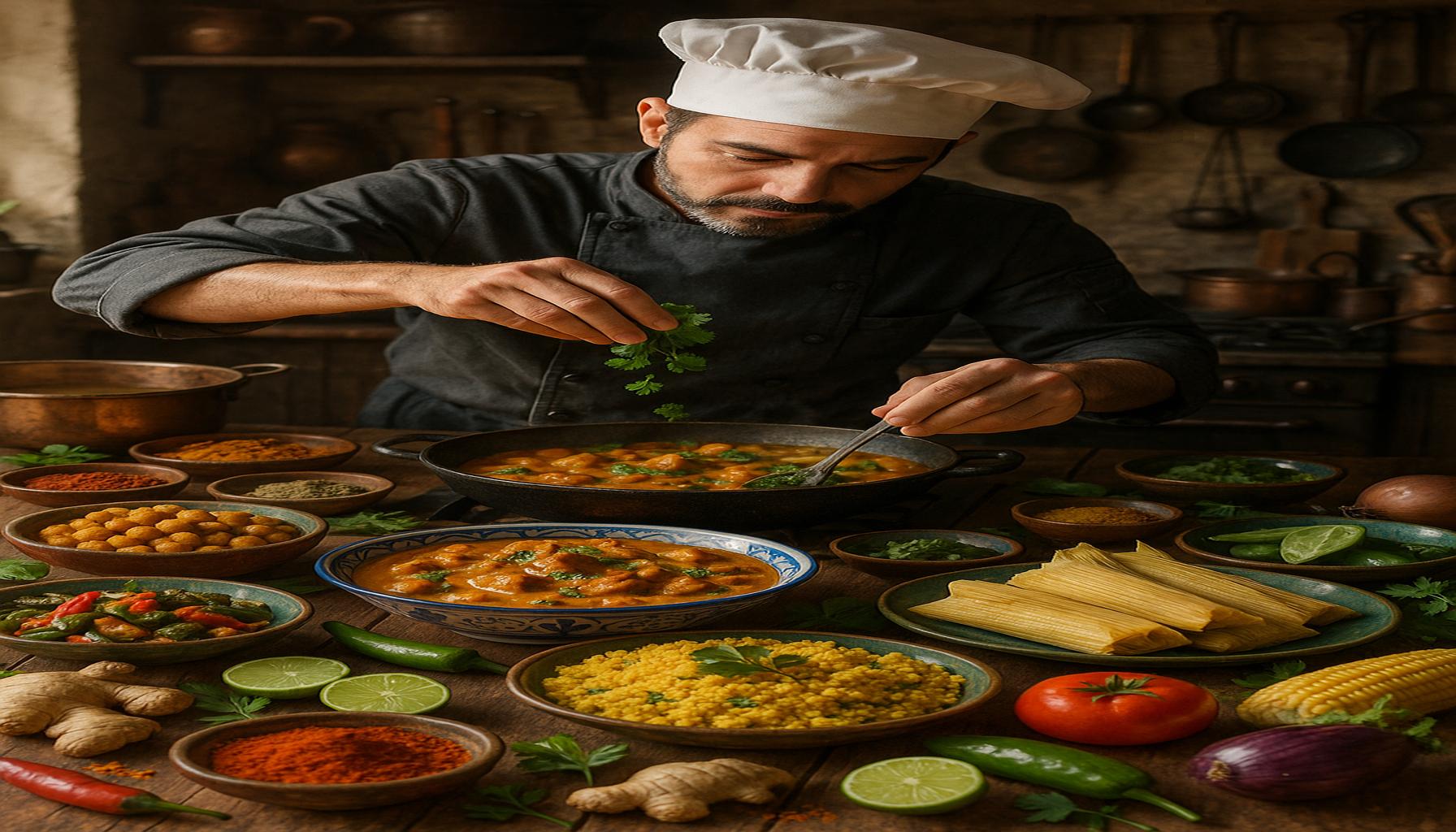
The world of gastronomy is undergoing an exciting metamorphosis as the age-old culinary traditions that have defined cultures are now being reimagined and revitalized. This trend is not merely a fleeting phase; it represents a significant cultural shift where chefs and home cooks alike are embracing the challenge of reinventing their favorite dishes. The convergence of traditional roots with contemporary techniques and tastes invites a new wave of creativity in our kitchens.
What Inspires Culinary Innovation?
The driving forces behind this culinary renaissance stem from a confluence of factors that influence how we eat and enjoy food today. One primary catalyst is global influences. With the world more interconnected than ever, culinary boundaries have become more porous, leading to innovative flavor pairings that are as diverse as the cultures from which they originate. For instance, consider how Korean flavors have made their way into traditional American BBQ, resulting in dishes like Korean barbecue tacos that meld sweet and spicy elements seamlessly.
Health consciousness is another significant aspect of this culinary evolution. Many cooks are pivoting towards healthier adaptations of beloved comfort foods, aiming to preserve the essence of classic dishes while accommodating modern nutritional standards. An excellent example is the classic meatball, which is now often prepared with lean proteins like ground turkey or quinoa, coupled with fresh herbs and spices that not only enhance taste but also provide nutritional benefits.
Seasonal ingredients also play a crucial role in cooking today. Chefs committed to sustainability are increasingly sourcing local and seasonal produce, which not only boosts freshness but also supports local economies. This practice results in dishes that are not only delicious but allow for variations in flavor based on what is currently available. For instance, a summer tomato salad can be uniquely different depending on whether it’s prepared with fresh heirloom tomatoes or the juicier varieties found in the fall.
Examples of Creative Transformations
These inspirations come together to create fascinating modern iterations of classic dishes. The beloved mac and cheese, for example, has seen a surge of creativity, with ingredients like truffle oil or succulent lobster being incorporated into the creamy mix for a touch of elegance that tantalizes the palate. Another classic, meatloaf, has adapted to modern preferences, often featuring ground turkey combined with aromatic herbs such as thyme and rosemary, resulting in a dish that is both lighter and packed with flavor.
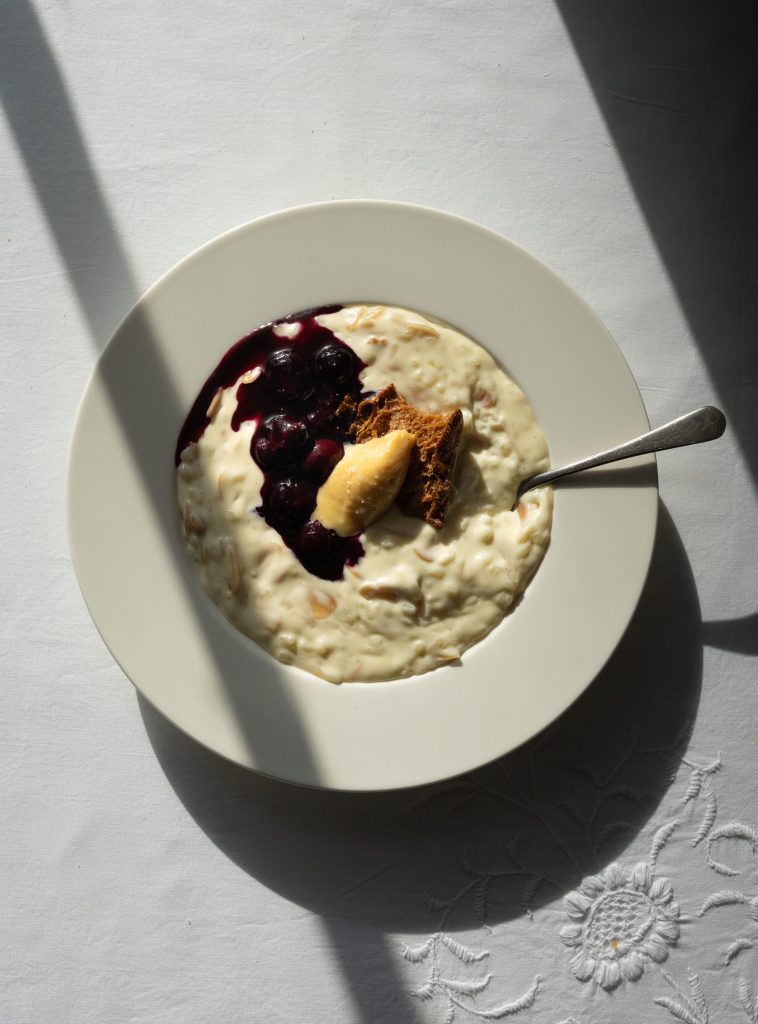
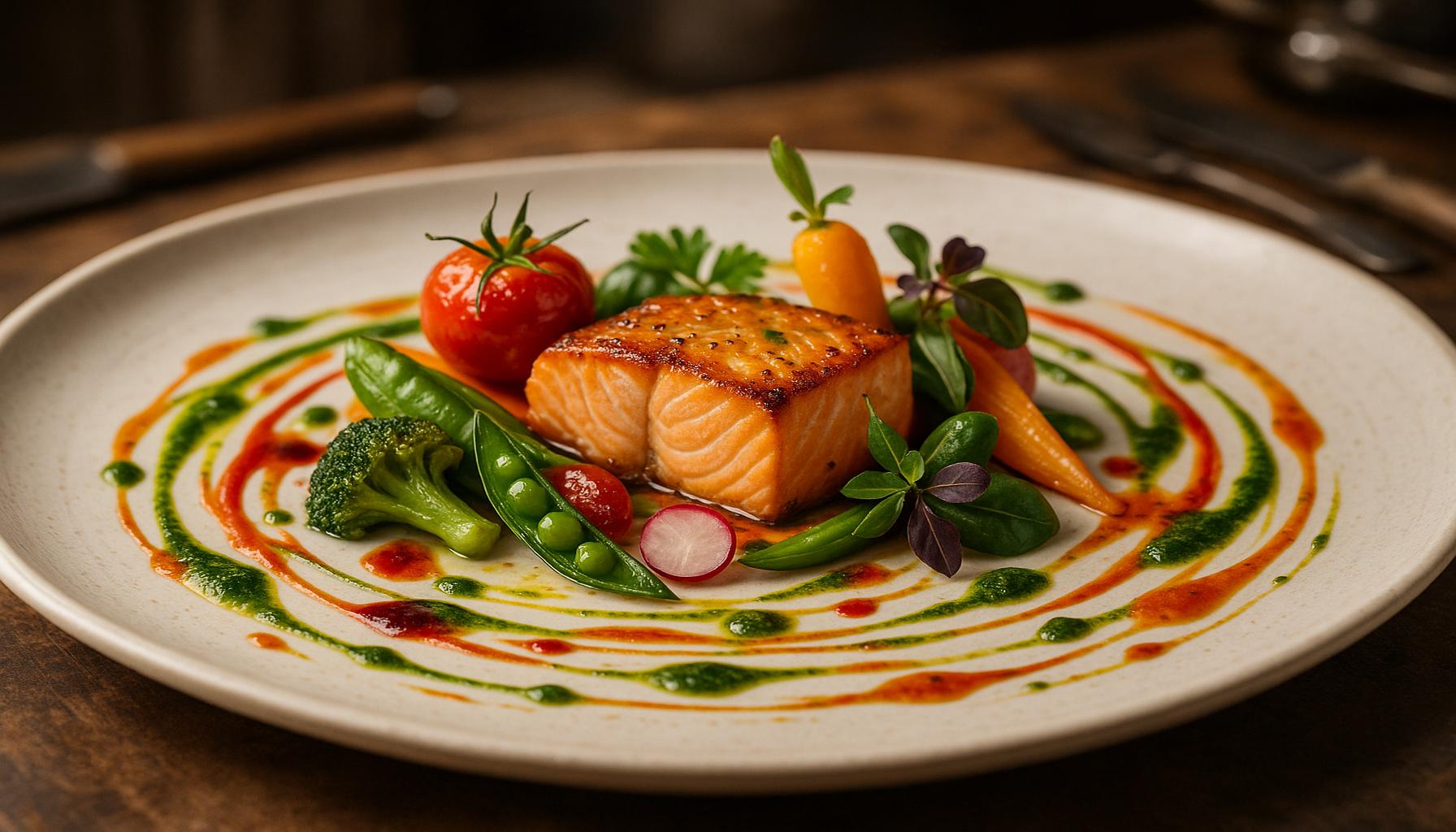
Furthermore, the simple green salad is being revitalized through the introduction of exotic grains like farro or quinoa, often topped with vibrant dressings made from fresh citrus or artisan vinegars. This not only boosts the nutritional profile but also appeals to the eye, demonstrating how presentation can elevate a dish’s appeal.
As food enthusiasts continue to embark on a journey of discovery, the appreciation for tradition coupled with a desire for innovative experiences enriches our culinary landscape. This movement not only pays homage to the classic recipes but also opens pathways for personal expression in cooking. The future of food promises to be a rich tapestry of tastes that respect tradition while boldly embracing creativity.
Culinary Creativity: Blending Tradition with New Trends
As we delve deeper into the multifaceted world of culinary innovation, one cannot ignore the allure of reimagining classic dishes. This movement encourages cooks to take cherished recipes and infuse them with modern elements, transforming the ordinary into the extraordinary. While the essence of traditional flavors remains intact, the modern twists add a layer of excitement that resonates with both nostalgic diners and adventurous food enthusiasts alike. The question then becomes: how do we maintain the soul of these beloved dishes while injecting new life into them?
The Art of Flavor Fusion
The beauty of modernizing traditional recipes lies significantly in the art of flavor fusion. With a rapidly evolving palate and a blend of cultural influences stirring our kitchens, chefs are experimenting like never before. Imagine a classic chicken pot pie that intertwines aromatic Indian spices, like garam masala, with the familiar comforts of creamy sauce and flaky crust. This bold combination not only enhances the flavor profile but also brings a global dimension to a well-known comfort food.
On the flip side, desserts have not escaped this transformative wave. The age-old tiramisu, a staple of Italian cuisine, is experiencing a reinvention where matcha powder is incorporated into the coffee-soaked layers, creating a vibrant new version that appeals to the visually conscious as well as the taste buds. Such creative adaptations invite culinary exploration while maintaining a respectful nod to the dish’s roots.
Health-Oriented Modernization
In our quest for modernized dishes, health considerations are perhaps the most pressing factor. The push for nutritious yet satisfying meals has led to pivotal changes, particularly in the realm of snacks and comfort food. Traditional snacks, often high in calories and low in nutrients, are being remodeled into healthier counterparts. For example, the classic potato chip can now take the form of baked kale chips, allowing for a satisfying crunch without the guilt.
Moreover, classic Italian lasagna has seen a makeover where zucchini or eggplant slices replace conventional pasta sheets, providing a gluten-free alternative that entices health-conscious diners without sacrificing flavor. This progressive approach invites an array of culinary options that cater to the modern eater’s demand for wholesome ingredients without abandoning the indulgence typically associated with these dishes.
A Look to the Future
The reimagining of classic dishes is not just a trend; it’s a glimpse into the future of cooking, where creativity and innovation reign supreme. As culinary artisans continue to explore and elevate traditional recipes, each new rendition tells a tale of culture, nostalgia, and the fusion of flavors that together forge a new culinary lexicon. From the humble taco to the sophisticated soufflé, the journey of modernization allows cooks to express their individuality while honoring the rich heritage behind each plate.
The Art of Modernizing Traditional Flavors
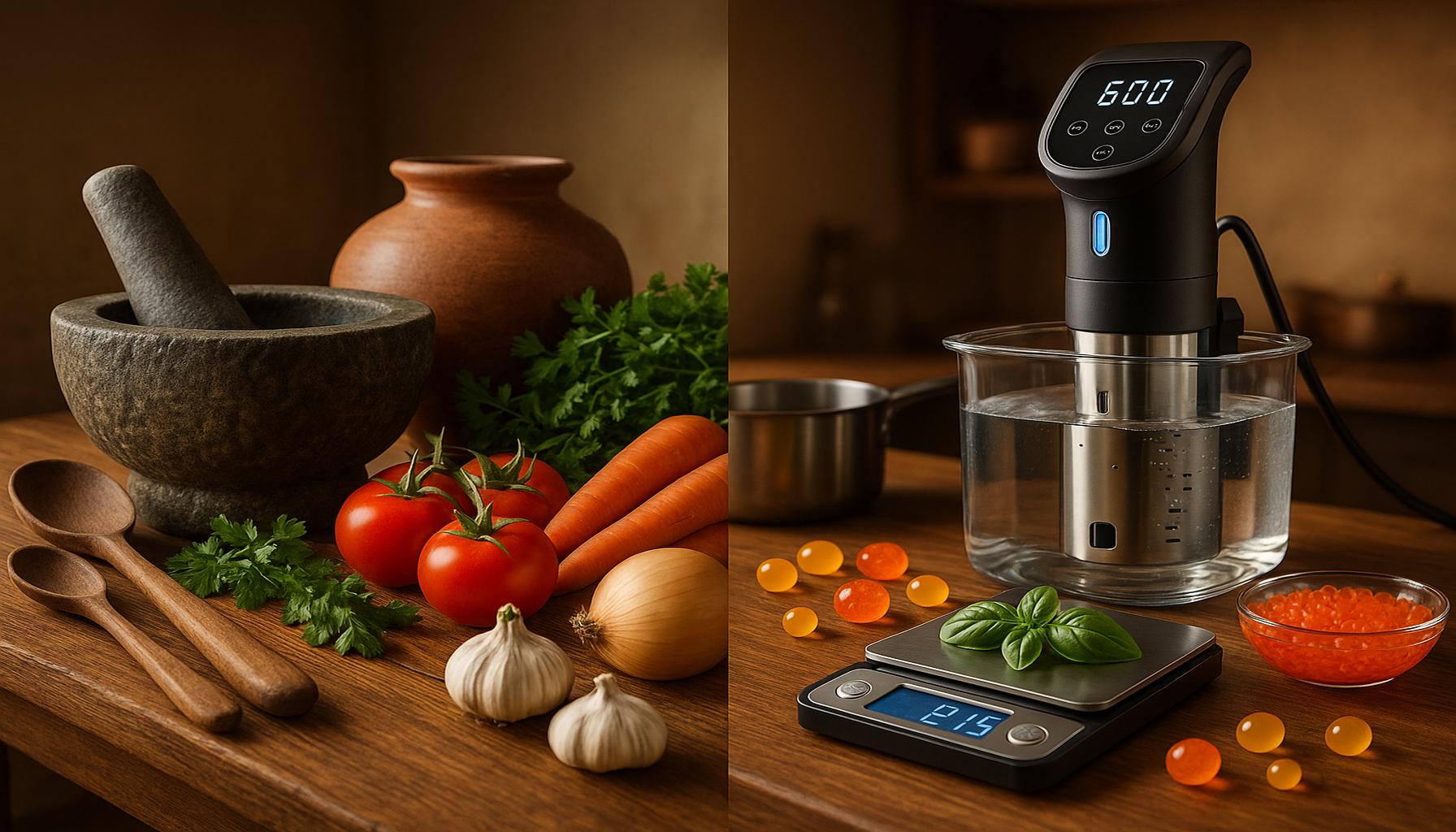
In the ever-evolving world of culinary arts, the modernization of classic dishes is not simply a trend, but rather a celebration of tradition paired with innovation. Chefs and home cooks alike are becoming increasingly adventurous by infusing creative twists into timeless recipes, invigorating the culinary landscape with fresh perspectives. One of the most compelling aspects of this movement is the incorporation of global flavors. For instance, a classic Italian lasagna might be ingeniously transformed by integrating Thai spices, creating a fusion that pays homage to both cultures. This approach not only excites the palate but also invites food enthusiasts to explore diverse gastronomic experiences without leaving their dining tables. Moreover, the use of modern cooking techniques, such as sous-vide and molecular gastronomy, has opened new avenues for chefs to reimagine textures and presentations. Imagine a deconstructed shepherd’s pie, where layers of flavor are thoughtfully arranged rather than simply stacked. This not only adds visual flair but also enhances the sensory experience, encouraging diners to engage with their food in unique ways. Inclusivity and dietary considerations are also central to this culinary renaissance. Traditional recipes are being modified to accommodate various dietary lifestyles without losing their essence. Vegan versions of classic dishes, such as creamy risottos made with cashew cream, showcase creativity while remaining accessible. This thoughtful incorporation ensures that everyone can partake in the joy of these beloved meals. As food culture continues to evolve, the dialogue surrounding classic dishes opens doors to endless possibilities. The combination of heritage and innovation is not merely about altering recipes; it’s about fostering a deeper connection to our culinary roots while embracing the present and future of food.
| Culinary Technique | Creative Innovation |
|---|---|
| Global Flavor Infusion | Combining spices from various cultures to enhance traditional recipes. |
| Modern Cooking Techniques | Using methods like sous-vide to elevate textures and presentation. |
| Dietary Adaptation | Creating vegan and gluten-free versions of beloved classics. |
This transformation of culinary classics continues to engage food lovers and challenge perceptions, inviting everyone to embrace innovation while cherishing long-standing traditions.
Techniques that Elevate Tradition
As we navigate the vibrant landscape of culinary reimagination, one of the most exciting aspects is the incorporation of modern techniques that breathe new life into cherished classics. Techniques such as sous vide cooking, fermentation, and molecular gastronomy allow chefs to creatively enhance the textures and flavors of traditional dishes, all while preserving their essential elements. This innovative approach encourages home cooks and culinary professionals alike to explore the intricate relationship between technique and flavor.
Sous Vide: Precision and Flavor
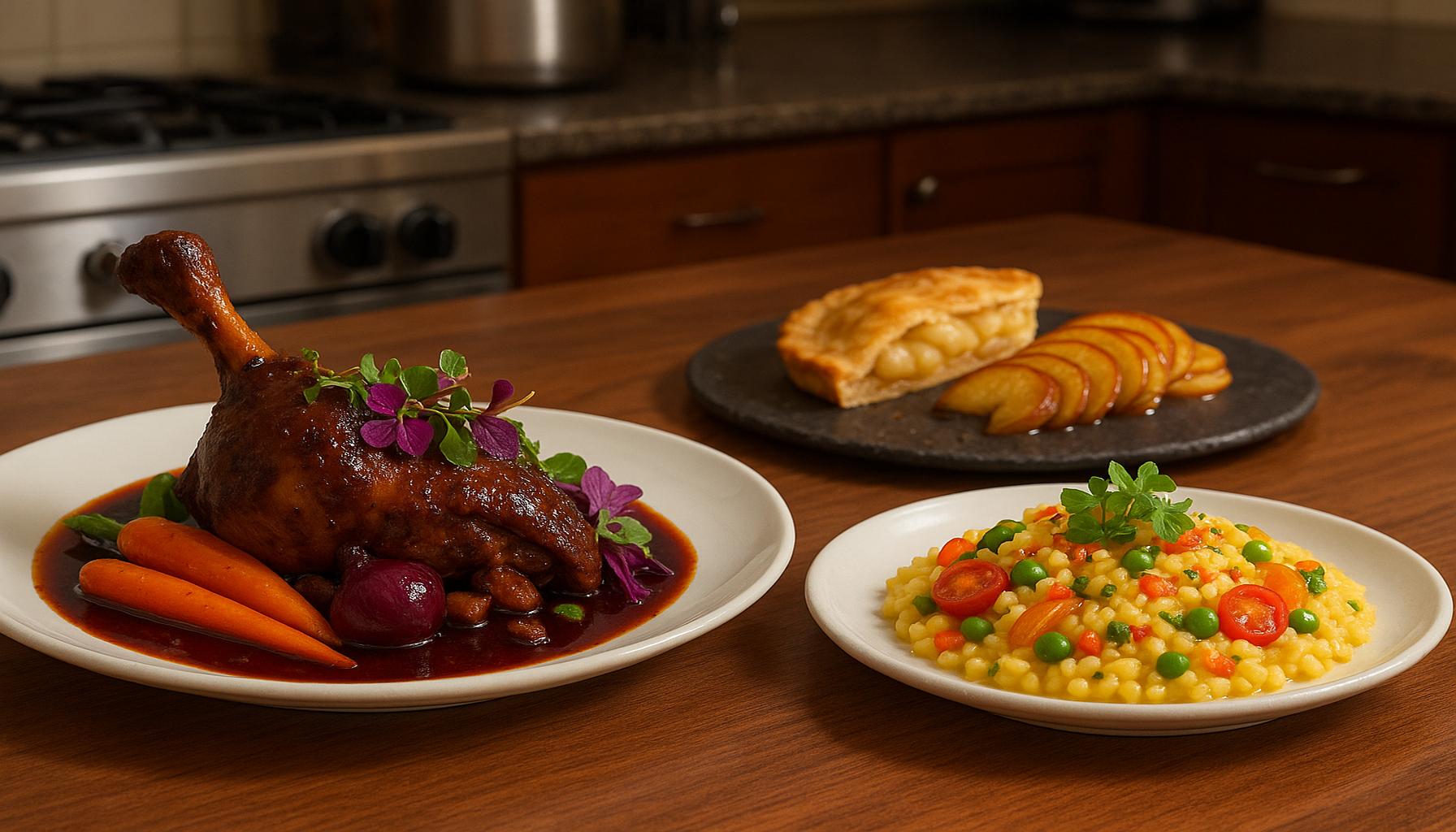
Sous vide, which translates to “under vacuum” in French, is a cooking method that involves sealing food in airtight bags and immersing it in a precisely heated water bath. This technique ensures that ingredients are cooked evenly and retain their moisture, infusing flavors deeply throughout the dish. A classic beef bourguignon, for instance, can transform dramatically when prepared sous vide. The beef is tenderized to perfection, and every bite reveals a melt-in-your-mouth quality that traditional methods struggle to achieve. This careful precision not only improves taste but also allows for enhanced presentation, as dishes can be constructed with unique layering that showcases fresh herbs or colorful vegetables.
Fermentation: Building Complexity
Fermentation is another age-old technique gaining newfound popularity in modern kitchens. With the rising trend of gut health and natural flavor enhancers, adding fermented elements can offer a refreshing twist to classic dishes. For example, consider a traditional coleslaw reimagined with fermented cabbage or kimchi instead of plain shredded vegetables. This not only adds depth but introduces probiotics, making the dish both flavorful and healthful. Additional fermented ingredients, like miso or homemade hot sauces, can further elevate familiar flavors, creating layers of complexity that leave diners with unforgettable culinary experiences.
Molecular Gastronomy: A Playful Approach
On the more avant-garde end of the culinary spectrum, molecular gastronomy offers chefs the opportunity to manipulate the physical and chemical properties of ingredients. This playful approach can turn classic dishes into multi-sensory experiences. For instance, a classic macaroni and cheese could be avant-garde with the incorporation of cheese foam, constructed using lecithin, effectively transforming the dish into a whimsical plate that continues to be comforting yet visually stunning. Diners are not just consuming a meal but are also engaging in a performance where flavors, textures, and temperatures combine in unexpected ways.
Local Ingredients: Sustaining Tradition with a Twist
Additionally, the reimagining of classic dishes inevitably intertwines with the local food movement, highlighting the significance of using fresh, seasonal ingredients that celebrate regional flavors. As chefs embrace sustainability, they creatively swap traditional components with locally sourced alternatives. For instance, a classic New England clam chowder might incorporate locally harvested corn and heirloom tomatoes, thus refreshing the recipe while still honoring its comforting, coastal roots. This not only bolsters local farmers but also promotes an ever-changing menu that mirrors the seasonal availability of ingredients.
The fusion of traditional culinary arts with modern techniques ensures that each dish wears a badge of innovation, inviting the world to savor a rich tapestry of flavors and textures. The heart of culinary reimagining lies in the continuous exploration of these methods, offering boundless opportunities for creativity within the kitchen.
Embracing Culinary Evolution: The Future of Classic Dishes
The ongoing journey of reimagining classic dishes epitomizes the dynamic nature of culinary arts, where tradition meets innovation. As we explore modern techniques such as sous vide, fermentation, and molecular gastronomy, it becomes clear that each method not only enhances flavors but also elevates the dining experience. This fusion encourages chefs and home cooks alike to experiment, fostering a rich environment of creativity that breathes new life into beloved recipes.
Moreover, the integration of local ingredients into traditional recipes highlights a commitment to sustainability and regional culture. By embracing seasonal produce and local farmers, culinary enthusiasts not only reinvent classic dishes but also champion community connections and environmental stewardship. Reimagining classics in this way ensures that culinary history continues to evolve while still celebrating its roots.
Ultimately, the reimagining of traditional recipes is a testament to the power of creativity within gastronomy. As diners, we are invited to partake in this gastronomic adventure, discovering new textures and flavors that challenge our palate while still offering a nostalgic nod to the dishes we hold dear. Whether you’re savoring a modern twist on a favorite comfort food or exploring the depths of fermented flavors, the world of culinary reimagination beckons with endless possibilities. This is just the beginning—continue to explore, experiment, and adapt as you embark on your own journey of culinary innovation.