The Natural Ingredients and the Inclusive Beauty Revolution: Products for All Skin Types
The Transformation of the Beauty Industry
The beauty industry is undergoing a remarkable transformation driven by consumers who are increasingly vocal about their preferences and values. At the forefront of this change is the emergence of natural ingredients and a steadfast commitment to inclusivity. Today’s consumers are not just satisfied with products; they demand formulations specifically designed for all skin types. This shift celebrates diversity and promotes self-acceptance, resulting in a more inclusive beauty landscape.
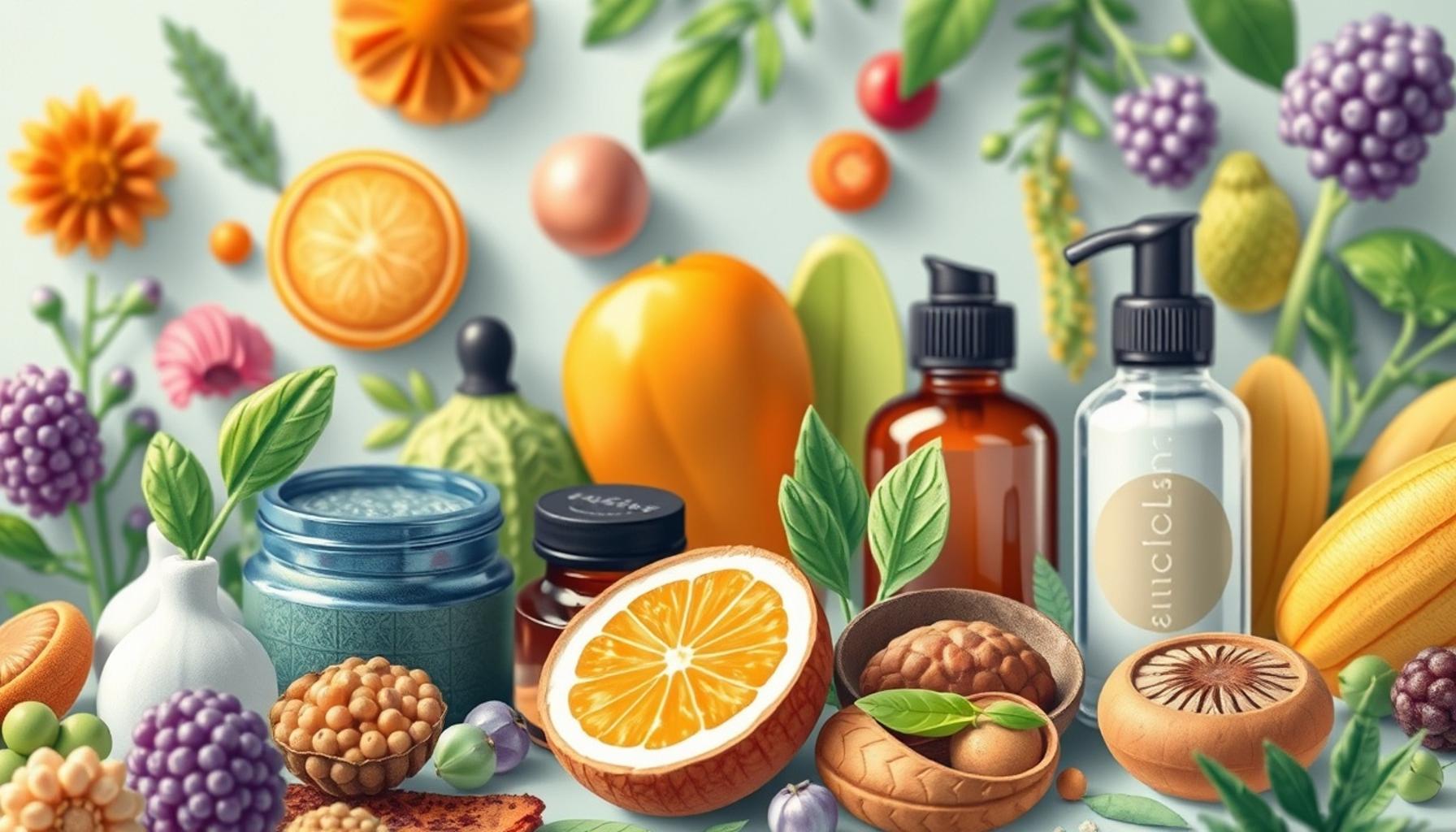
Natural ingredients play a vital role in this evolution, not only catering to a variety of skin concerns but also embodying a sustainable ethos. The trend is reflected in the soaring popularity of brands that prioritize:
- Organic and cruelty-free offerings, which attract ethically conscious consumers curious about the impact of their beauty choices.
- Eco-conscious packaging, such as biodegradable containers or refillable options, which appeal to those concerned with environmental issues.
- Transparency in ingredient sourcing, where brands openly share information about the origins of their ingredients, helping consumers make informed choices.
The movement towards inclusive beauty has gained significant prominence, reflecting the diverse demographic makeup of consumers. It encompasses a broad range of considerations, including:
- Wide shade ranges for all skin tones, responding to the inadequacies of traditional brands that often offered limited color selections.
- Formulations addressing different skin types—from oily to dry—and concerns such as sensitivity or aging, ensuring that everyone finds products that work for them.
- Gender-neutral options, which appeal to individuals regardless of their gender identity, further breaking down traditional marketing barriers in beauty.
This revolution in the beauty industry transcends mere aesthetics; it embodies a profound commitment to honoring individuality. As consumers become more informed and engaged, they navigate a marketplace filled with brands that align with their wellness and ethical values. This demand for authenticity has led to an explosion of innovative products designed to resonate deeply with users and address their unique needs.
As this evolution continues, the beauty landscape will no doubt offer a wider array of options that reflect the kaleidoscope of human experience. The embrace of diversity in beauty stands as a testament to a broader cultural shift towards recognition and appreciation of all identities, ultimately paving the way for a more inclusive future in the industry.
DISCOVER MORE: Click here to learn about the impact of urban pollution
The Power of Natural Ingredients in Inclusive Beauty
The intersection of natural ingredients and inclusive beauty has not only ushered in a new era in the cosmetics market but has also challenged outdated norms that previously governed product formulations. Consumers are increasingly gravitating towards ingredients derived from nature due to their perceived efficacy and safety. This shift reflects a growing understanding of skincare, wherein the potential benefits of natural botanicals are given precedence over synthetic compounds. Brands are responding to this demand by harnessing the power of ingredients like aloe vera, coconut oil, and green tea extract, known for their soothing, hydrating, and antioxidant properties.
Natural beauty products are often celebrated for their minimalistic approach, prioritizing fewer biological ingredients that cater to the needs of various skin types while minimizing the risk of irritation or adverse reactions. Moreover, the integration of natural ingredients is not solely a trend; it is a testament to shifting consumer priorities towards wellness and lifestyle. Recent studies indicate that 70% of consumers are more inclined to purchase products labeled as natural or organic, highlighting the importance of clean beauty choices.
In the realm of inclusivity, natural formulations can be adapted to address a diverse spectrum of skin concerns. Brands specializing in tailored products have found innovative ways to leverage the versatility of natural ingredients. For instance, they design hydrating moisturizers enriched with shea butter for dry skin types, mattifying lotions incorporating tea tree oil for oily skin, and calming serums featuring chamomile to soothe sensitive skin. This understanding allows consumers to select products that align precisely with their unique needs, underscoring the industry’s move towards personalization.
A growing model within the inclusive beauty arena is the carefully curated ingredient list, embracing biodiversity and the unique benefits of various natural components. Consumers are increasingly educated about how particular elements can enhance their skincare regimen, leading to an informed choice that respects both individual health and the planet. Moreover, through ethical sourcing and fair trade practices, brands are championing environmental and social responsibility, which resonates deeply with a demographic that values sustainability.
Popular Natural Ingredients Gaining Traction
As the conversation around natural beauty continues to evolve, several ingredients have surfaced as favorites among consumers. Here are some trending natural ingredients worth noting:
- Jojoba Oil: Renowned for its similarity to human sebum, jojoba oil is an effective moisturizer suitable for all skin types.
- Hyaluronic Acid: Naturally found in the body, it is celebrated for its hydrating properties, making it a staple in formulations targeting dry and aging skin.
- Argan Oil: Packed with antioxidants, this oil is used for its versatility in nourishing and revitalizing skin, making it ideal for various skin types.
- Niacinamide: Known for its ability to improve skin elasticity, it also helps to even out skin tone and minimize pores, appealing to a wide range of users.
In a world where beauty is not one-size-fits-all, the synergy between natural ingredients and inclusivity is undoubtedly shaping the future of skincare. Consumers no longer have to compromise; they can choose products that are as unique as their skin, thereby fostering a sense of empowerment and authenticity in their beauty routines.
| Advantages | Description |
|---|---|
| Natural Ingredients | Products harness plant-based extracts and minerals, promoting skin health without harsh chemicals. |
| Inclusive Formulations | Designed to benefit all skin types, including sensitive and diverse complexions, enhancing accessibility in beauty. |
As we delve deeper into the beauty revolution, the influence of natural ingredients cannot be overstated. The shift towards transparency in beauty products is fueled by a demand for safer, more effective options. Ingredients like aloe vera, shea butter, and botanical oils not only hydrate but also soothe the skin, ensuring users experience the healing benefits of nature. This trend speaks to an increased awareness regarding chemical additives found in traditional beauty products.Moreover, the focus on inclusivity is transforming the way beauty brands formulate their products. By considering the unique needs of all skin types, companies are crafting solutions that cater to various concerns including dryness, sensitivity, and pigmentation. The result is a more diverse beauty landscape where everyone feels represented and empowered. This natural and inclusive approach not only fosters a sense of community but also encourages self-expression by emphasizing the importance of individual beauty.
DISCOVER MORE: Click here to learn about the latest innovations
Tailoring Products for Diverse Skin Needs
As the beauty industry embraces the inclusive beauty revolution, one of the most remarkable facets is the commitment to providing solutions tailored to various skin types and concerns. This focus on personalization is becoming more pronounced, with brands creating products that cater not only to different skin types—such as oily, dry, combination, and sensitive—but also to various skin tones and cultural backgrounds. By prioritizing holistic solutions, these products capitalize on natural ingredients that address specific needs without compromising on quality or health.
For instance, brands like Fenty Beauty have gained acclaim for their dedication to offering an extensive range of foundations that suit all skin tones. This approach is mirrored in skincare, where formulations contain uniquely selected natural ingredients to enhance performance. Consider rosemary extract, which boasts anti-inflammatory properties; it is often incorporated into products targeting acne-prone skin. Brands are also using licorice root in brightening formulations, suitable for those dealing with hyperpigmentation across different complexions.
Moreover, the recognition of various skin concerns leads to innovative product launches. For example, the incorporation of probiotics into skincare lines has garnered attention due to their ability to balance and boost the skin’s microbiome. This trend underscores a deeper understanding of skin health, where maintaining equilibrium is key—especially for those experiencing conditions like eczema and rosacea. As awareness grows, many consumers are seeking out brands that utilize naturally derived probiotics, ensuring their skincare is both effective and gentle.
Inclusivity Through Sustainability
While the focus on natural ingredients in beauty products enhances inclusivity, it is also pivotal to recognize the emphasis on sustainability. Consumers, particularly younger generations like millennials and Gen Z, are increasingly driving demand for brands whose missions align with ethical sourcing and environmental consciousness. This presents an opportunity for beauty companies to showcase their commitment not just to individual skin types but to the health of the planet.
For example, brands utilizing fair trade oils like coconut oil or argan oil not only ensure that the farmers and communities involved receive fair compensation but also create a product that consumers can feel good about using. Additionally, sustainable packaging options, including biodegradable or recyclable containers, are becoming more common as they resonate with eco-conscious consumers.
The movement toward inclusivity in beauty doesn’t solely encompass the variations in skin types but also extends to diverse cultural practices. Brands are beginning to recognize how natural ingredients celebrated in different cultures—like matcha from Japan, known for its antioxidants, or amaranthe from South America, prized for its skin-nourishing qualities—can be integrated into their products, appealing to a broader audience while celebrating global traditions.
Ultimately, the inclusive beauty revolution highlights the importance of products designed for all skin types, noting that diversity in formulation is critical. As more brands adopt these principles, consumers are encouraged not only to explore natural ingredients tailored specifically for their needs but also to become advocates for sustainability and ethical practices within the beauty industry. As technology and education around natural beauty evolve, staying informed about ingredient effectiveness and source sustainability can empower consumers to make choices that are both uplifting for their skin and respectful of the planet.
DIVE DEEPER: Click here to discover how nutrition can enhance your skin’s hydration</
Conclusion: Embracing Diversity in Beauty
The discussion surrounding natural ingredients and the inclusive beauty revolution emphasizes a pivotal shift in the cosmetics landscape, one that aligns with the values of today’s informed consumers. As the industry moves towards formulas that embrace a broader spectrum of skin types and cultural backgrounds, the importance of personalization cannot be overstated. The intricate blend of science, nature, and inclusivity exemplifies how beauty can be a unifying force, rather than a source of division.
As brands increasingly prioritize sustainability and ethical practices, consumers must remain discerning, making choices that reflect their values while nurturing their skin. This evolution highlights that beauty is not one-size-fits-all; it encourages exploration and understanding of individual needs. Moreover, by integrating cultural wisdom and natural ingredients into their offerings, brands are not just selling products, but inviting consumers into a broader narrative of beauty that is rich, diverse, and ethically grounded.
Moving forward, the conversations surrounding inclusive beauty will undoubtedly evolve, propelled by ongoing innovation and consumer advocacy. The path ahead is not merely about creating deep shades or targeted skincare solutions but about building a beauty community that respects the varied experiences and identities of its members. With technology advancing and awareness growing, the inclusive beauty revolution is set to redefine standards and expectations, ensuring that products are accessible and beneficial for all. As consumers, engaging with brands that reflect these values can empower you to contribute to a more inclusive and sustainable beauty future.