The Magic of Flavors: Exploring the Alchemy Between Ingredients and Spices in the Creation of Unique Dishes
Unlocking Culinary Secrets
Every dish tells a story, woven together by the intricate alchemy of flavors. The secret lies not only in the primary ingredients but also in the spices that elevate them into masterpieces. As we embark on this flavorful journey, let’s uncover how the perfect harmony between these elements creates unique gastronomic experiences that resonate with our senses and evoke memories.
Key Factors Influencing Flavor Transformation
- Freshness of Ingredients: Fresh produce and meats bring out the vividness of flavors. For instance, ripe heirloom tomatoes possess a sweetness that can be lost if harvested too early. When it comes to meats, sourcing locally raised poultry or grass-fed beef significantly enhances the overall taste of your dish. Farmers’ markets, which are abundant throughout the U.S., offer seasonal produce that can transform a simple salad into a vibrant centerpiece.
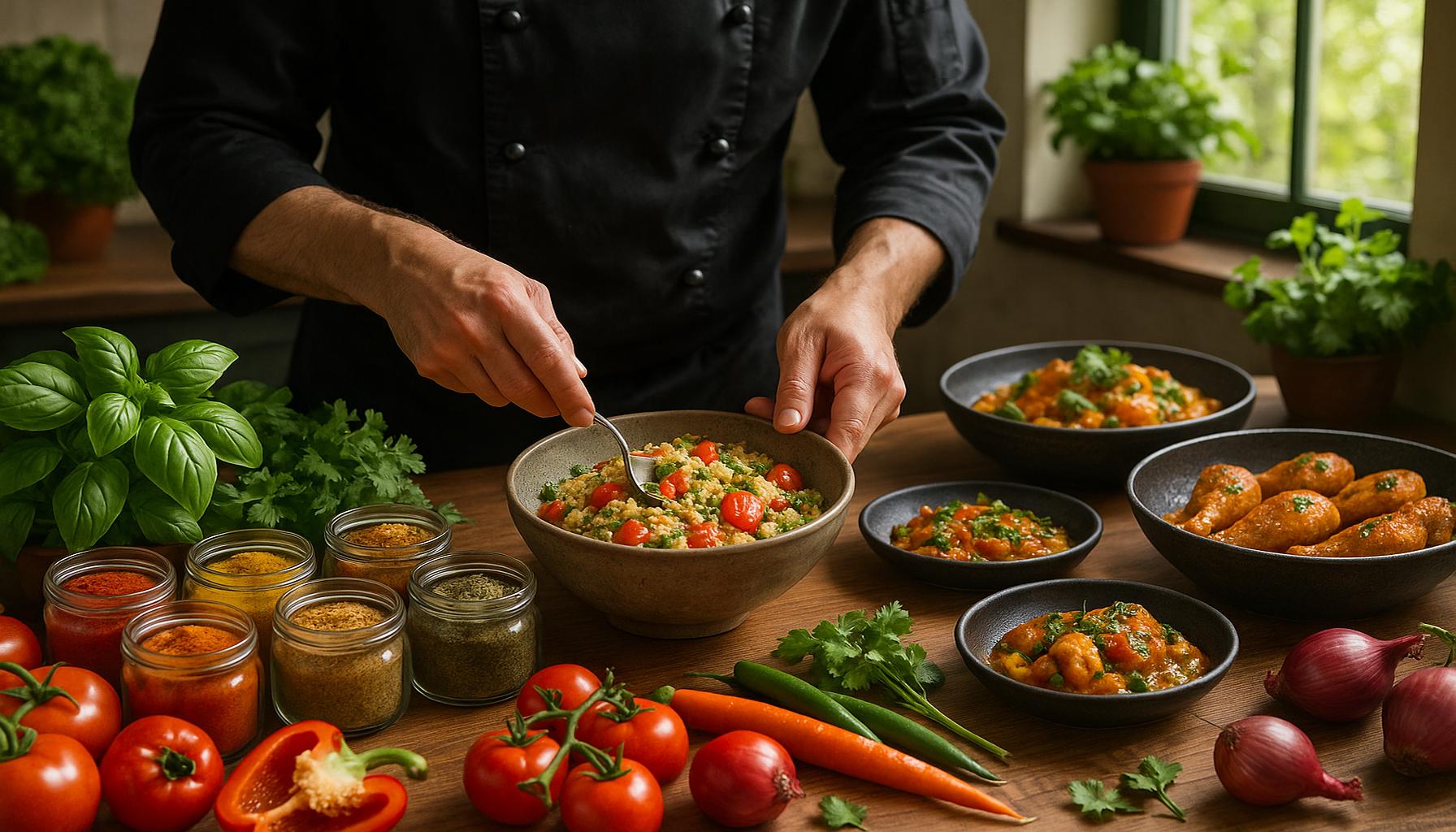
- Types of Spices: Whether it’s the warmth of cumin or the zest of citrus zest, spices can redefine dishes. Consider how the addition of smoked paprika can turn an ordinary chicken dish into a smoky sensation, or how a sprinkle of cardamom can elevate a dessert like rice pudding into an aromatic delight. The right spice can take a culturally rich dish, such as Indian curry, and give it personal flair, mixing in regional spices to create fusion that resonates with local palates.
- Cooking Methods: Techniques like roasting, grilling, or sautéing can enhance the flavor profiles significantly. For example, roasting garlic caramelizes natural sugars and enhances its nuttiness, making it a treasure in Mediterranean dishes. On the other hand, grilling vegetables can impart a smoky flavor that is quintessential in barbecue, a cherished tradition across the Southern United States.
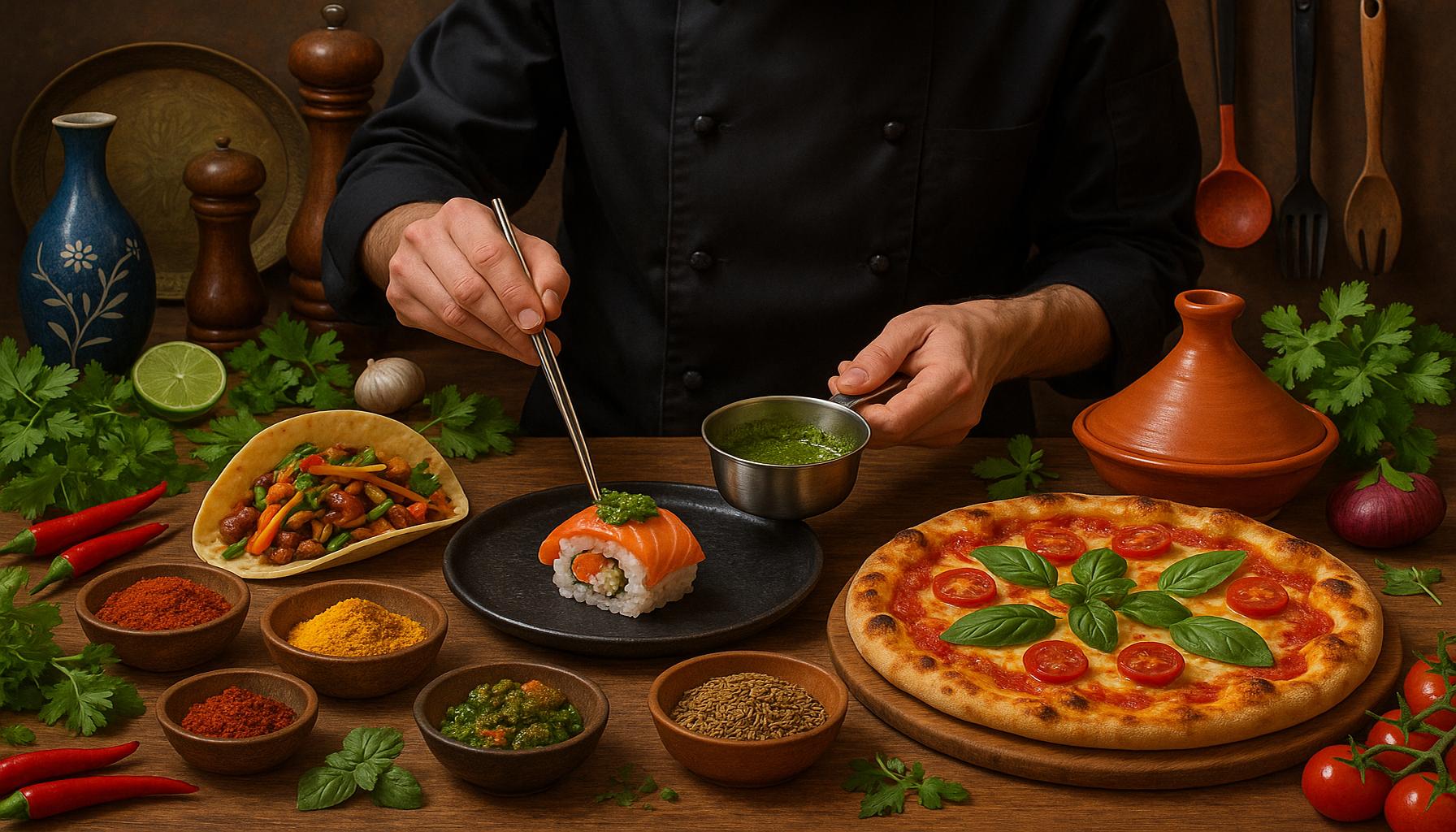
In the diverse culinary landscape of the United States, the fusion of various cultural cuisines plays a vital role in flavor exploration. Innovative chefs blend traditional ingredients with unexpected spices, resulting in creations that are both familiar and groundbreaking. A striking example is the fusion of Mexican and Asian cuisines seen in dishes like Korean tacos—where marinated meats are tucked in corn tortillas and served with spicy kimchi salsa, creating an explosion of tastes that tell a story of cultural intermingling.
Inviting Exploration and Discovery
Join us as we delve deeper into the magic of flavors. This exploration will offer insights into how simple ingredients can transform with a pinch of spice and a dash of creativity, giving rise to truly unique dishes. Small changes, such as incorporating fresh herbs like basil or cilantro, can uplift the simplest of recipes, like a classic pasta or a basic omelet. Understanding these nuances not only enhances your culinary prowess but also deepens your appreciation for food and the stories each dish brings to the table.
By embracing experimentation in the kitchen, you open doors to new flavor combinations that can surprise and delight. So gather your ingredients, be inspired by the world around you, and embark on your journey to unlock the hidden secrets of flavor that reside within every meal.
DISCOVER MORE: Click here to learn how cooking can boost creativity and teamwork
The Art of Balancing Flavors
The journey into the alchemy of flavors begins with understanding how critical it is to balance different tastes—sweet, salty, sour, bitter, and umami. Each of these elements plays a vital role in crafting a dish that is not only delicious but also memorable. The essence of flavor balancing lies in the careful adjustment of ingredients and spices, resulting in culinary creations that resonate on multiple levels. As you navigate this delicate art, consider how each ingredient contributes to a dish’s overall profile.
Understanding Taste Profiles
A profound knowledge of taste profiles is imperative for anyone looking to master the kitchen. Here are some key elements to consider when assembling flavors:
- Sweetness: Ingredients like honey, fruits, and sugar can add a layer of sweetness that can enhance savory dishes. Think of how the natural sugars in roasted vegetables can provide a stunning contrast to rich, savory meats.
- Saltiness: Salt acts as a flavor enhancer and is often the backbone of many dishes. It emphasizes the natural tastes of other ingredients, whether you are using kosher salt to season steaks or sea salt to finish a delicate dessert.
- Sourness: Acidic components, such as vinegar, citrus juices, or even a bit of yogurt, can brighten dishes and provide a refreshing counterbalance to richer tastes. A squeeze of lemon over grilled fish can elevate the dish, highlighting its freshness.
- Bitter: Ingredients like kale, dark chocolate, or certain spices can introduce an intriguing bitterness that rounds out flavor profiles. This complex taste can create depth, especially in spicy dishes where the heat is balanced by a touch of bitterness.
- Umami: Often described as the fifth taste, umami is found in foods like mushrooms, soy sauce, and aged cheeses. It adds a savory depth that can anchor a dish, making it hearty and satisfying.
Engaging your taste buds in this balancing act can be transformative. For example, when creating a Mexican mole sauce, the juxtaposition of bitter chocolate with acidic tomatoes and spicy chilies not only reflects cultural traditions but also showcases the finesse of flavor balance. Each bite carries a story, drawing upon local ingredients and historical influences that shape the dish’s character.
The Role of Intuition and Experimentation
While culinary guidelines exist, the true magic of flavor exploration often comes from intuition and experimentation in the kitchen. Chefs and home cooks alike can benefit from trusting their palate; over time, they develop an innate understanding of how flavors can work together. Experimenting with spices and ingredients allows cooks to push boundaries, discovering combinations that excite the senses and surprise the expectation of what constitutes traditional dishes.
In essence, the journey of flavor exploration is not merely an act of cooking but a creative expression of identity, culture, and nostalgia. Embracing the interplay between various ingredients and spices combines science with artistry, enabling culinary enthusiasts to create dishes that are uniquely their own. With every taste, a new discovery awaits, and the flavors of the world become an endless source of inspiration for cooks dedicated to unlocking the magic within their kitchens.
Delving deeper into the enchanting world of culinary alchemy, we encounter the art of flavor pairing, a fundamental principle that amplifies the taste experience. Understanding why certain ingredients complement each other unlocks a wealth of possibilities that can elevate any dish. For instance, the natural sweetness of caramelized onions melded with the sharpness of blue cheese creates a harmony that is both comforting and sophisticated. Similarly, balancing the spices in a dish can create layers of complexity; this is where the alchemy of spices comes into play.
The Role of Texture in Flavor Dynamics
Texture is another critical element that enriches our culinary creations. The combination of crispy and creamy elements adds not just taste but also excitement to the palate. Consider a classic dish like coconut curry soup, where smooth coconut milk embraces the crunch of toasted nuts, enhancing both visual appeal and flavor. The contrasts between ingredients not only provide balance but also a playful experience for the senses.
The Science Behind Flavor Transformation
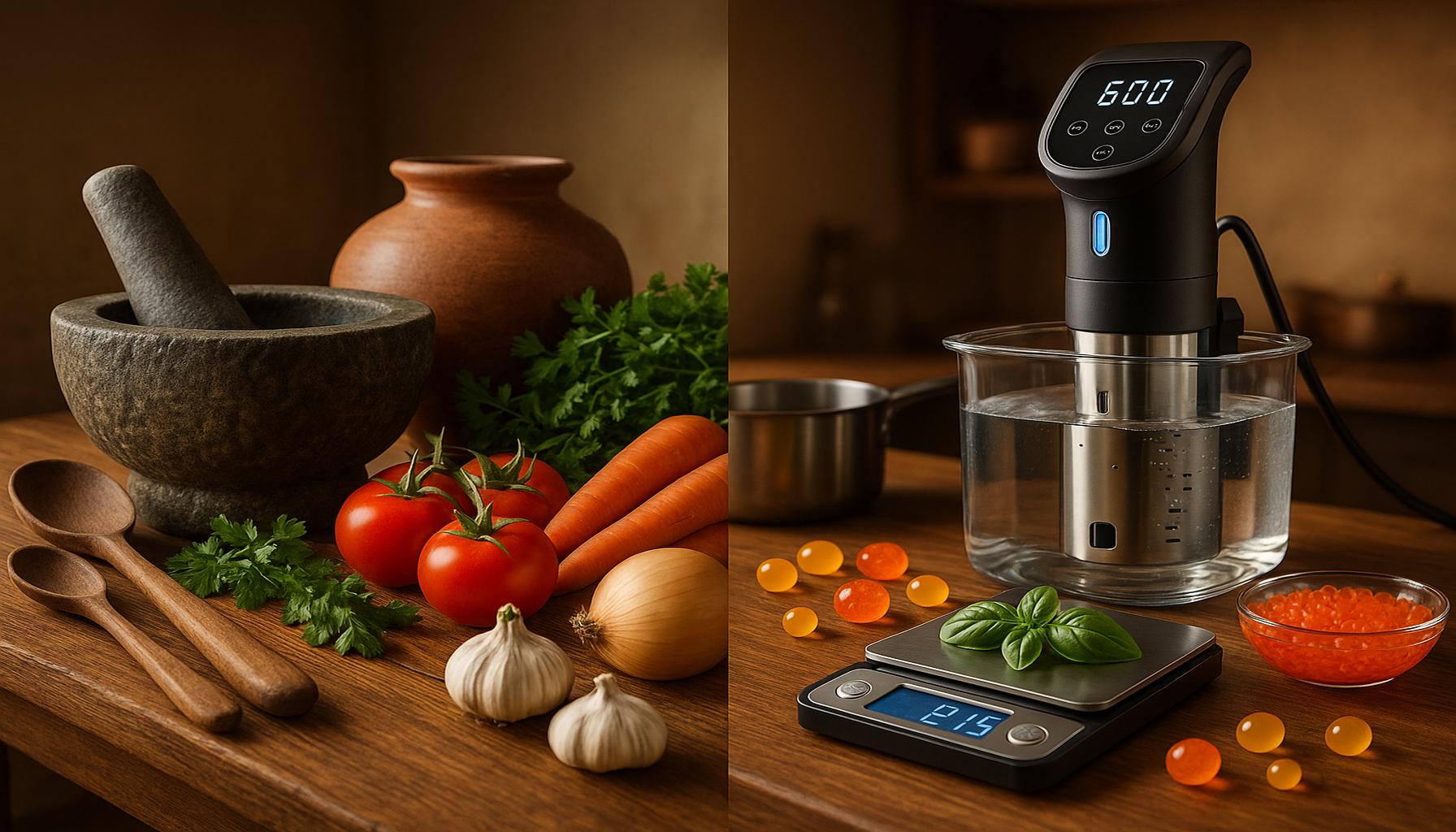
Moreover, through the process of cooking, ingredients undergo transformations that alter their flavors, often in surprising ways. For instance, the cooking methods—whether roasting, grilling, or braising—can bring out unique characteristics of spices and ingredients, leading to a depth of flavor that is tantalizing. This transformation is not merely magical; it is supported by science, as Maillard reactions and caramelization create those elusive flavors we cherish. Cooking with intention allows us to harness these interactions to create dishes that tell a story through their ingredients.
| Flavor Pairing | Key Characteristics |
|---|---|
| Sweet and Savory | Creates a balanced and complex flavor profile that intrigues the palate. |
| Crunchy and Creamy | Enhances the mouthfeel, making dishes more enjoyable and textured. |
As we explore this culinary journey, it becomes evident that understanding the science of flavors is a crucial step towards mastery in the kitchen. Each ingredient offers a gateway to not only creating unique dishes but also sharing cultural stories that celebrate the diversity of food. By using the right combinations of texture and flavor, one can begin to craft experiences that resonate well beyond the plate.
Whether experimenting with novel spices or rediscovering classic combinations, every step in this flavorful exploration holds the promise of delightful surprises waiting to be uncovered.
DIVE DEEPER: Click here to discover the art of presentation
Cultural Significance of Flavor Combinations
The alchemy of flavors transcends the kitchen; it is deeply intertwined with cultural identity. Different regions of the world have developed unique flavor profiles based on indigenous ingredients and culinary traditions. For instance, the harmonious blend of spices used in Indian cuisine, such as cumin, coriander, and turmeric, creates dishes that resonate with a rich history and complex narratives.
Regional Ingredients and their Unique Pairings
In the United States, the diversity of regional cuisines reflects an amalgamation of flavors from around the globe. The South brings forth a delightful synergy of spices and ingredients, where the use of cayenne pepper can awaken a pot of gumbo, while the interplay of sweet and savory in a traditional pecan pie showcases the beauty of flavor contrasts. Consider the smoky depth of chipotle chilies paired with the sweetness of peaches in barbecue sauces—the duality enhances both elements, creating a truly memorable experience.
Exploring Asian cuisines introduces yet another perspective on the art of flavor pairings. The balance of sweet, salty, and sour in Thai dishes demonstrates this perfectly. In a traditional pad Thai, the combination of tamarind paste, fish sauce, and sugar produces a sophisticated flavor that dances on the palate. Such dishes are not merely meals; they are representations of the landscape, climate, and history of the people.
The Science Behind Flavor Bonds
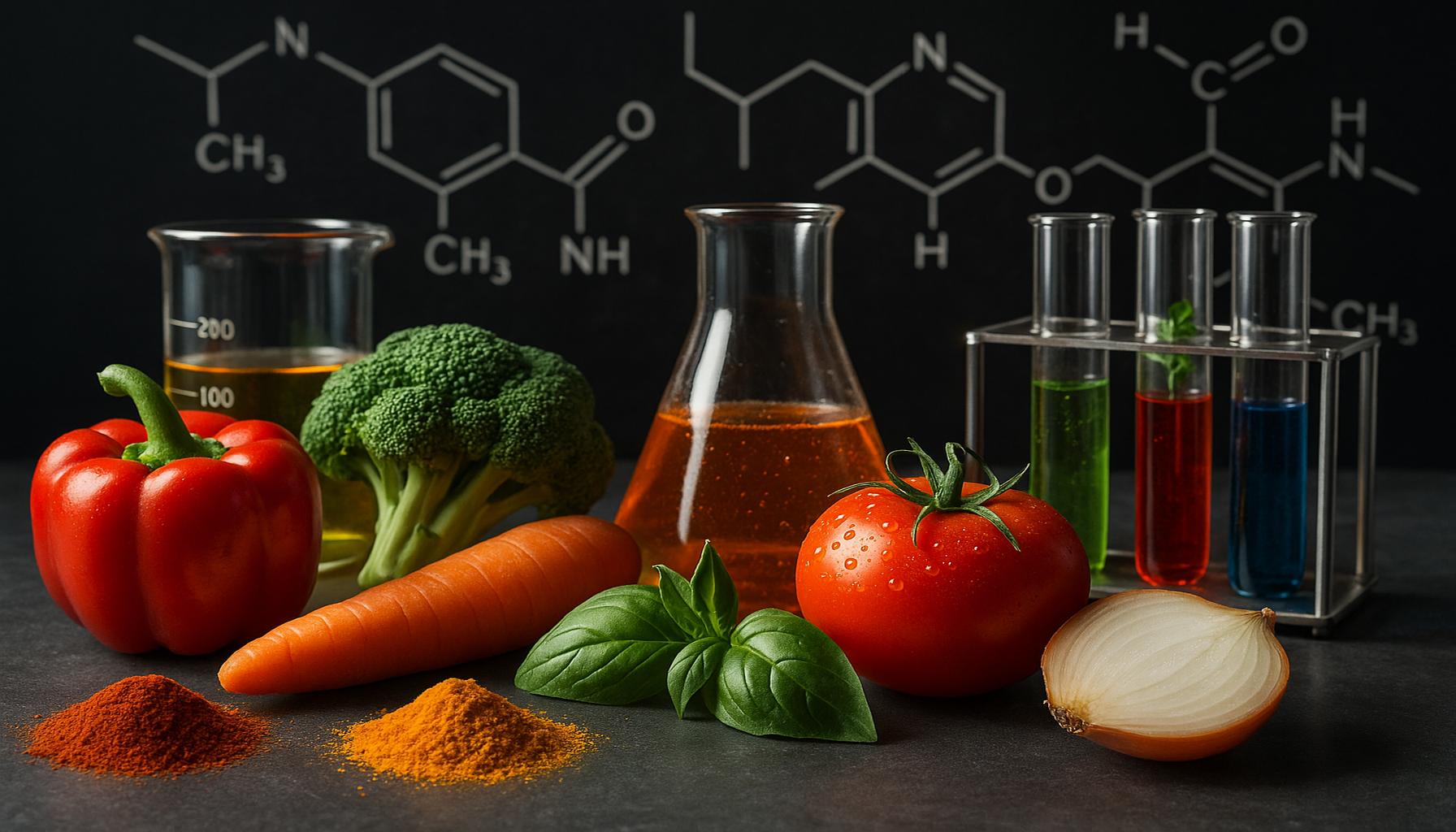
Demystifying the magic of flavors also requires an understanding of the science involved. The Maillard reaction, for example, is a chemical reaction that occurs when proteins and sugars are heated, creating rich flavors and brown colors in roasted meats and baked goods. This process not only enhances the taste but is crucial in developing depth and complexity in culinary creations.
Moreover, the concept of flavor bonding reveals that certain flavors are naturally destined to pair well together. When cooking with spices, the aromatic compounds within them interact and contribute to flavor development. For example, pairing cinnamon with apples or nutmeg with pumpkin is not just a culinary preference; it’s a union fortified by shared aromatic properties that elevate each ingredient’s profile.
Sharing the Flavor Experience
Flavor exploration goes beyond individual cooking endeavors and invites community engagement through food. Shared meals offer a platform to celebrate diverse culinary traditions and encourage dialogue about flavors. Food festivals and cultural fairs showcase regional specialties, allowing attendees to delve into the stories behind each dish. This communal aspect of dining reflects how flavors bind communities together, serving as a bridge to understand histories and experiences.
As a testament to the rich tapestry of culinary experiences, it is essential to recognize that beneath each flavor lies a story waiting to be told. Whether through family recipes passed down through generations or innovative creations that push the boundaries of gastronomy, the exploration of flavors is an ongoing, dynamic adventure that invites cooks and food lovers to savor every moment. The magic truly lies within the process of mixing and matching ingredients, as chefs and home cooks alike discover entirely new dimensions that tantalize both the palate and the spirit.
DISCOVER MORE: Click here to dive deeper
Conclusion
In the vibrant world of culinary arts, the magic of flavors captivates and inspires both chefs and food enthusiasts alike. The intricate dance between ingredients and spices crafts not merely dishes, but a tapestry of culture, history, and emotion that binds us all. As we’ve explored, regional cuisines provide a kaleidoscope of flavor profiles, showcasing the profound connection between local produce and culinary traditions. Whether it’s the fiery warmth of cayenne in Southern cooking or the sweet-sour synergy of tamarind in Thai meals, each dish tells a story enriched by its origins.
Moreover, the science behind flavor interactions deeply amplifies our understanding of how these elements come together to create unique taste experiences. The Maillard reaction and natural flavor bonds highlight the fascinating interplay that occurs as we cook, inviting experimentation and creativity in our culinary undertakings. This exploration fosters a sense of community, where shared tables become a stage for celebrating diversity and sparking conversations about the flavors that shape our identities.
Ultimately, embracing this alchemy of flavors encourages us to venture beyond everyday cooking, pushing the boundaries of what is possible in the kitchen. As we continue our culinary journeys, let us remain open to discovering new ingredient combinations, exploring global cuisines, and sharing our culinary tales with one another. The next bite could very well unlock a new world of flavor, blending memories, traditions, and innovations in an unparalleled symphony for the senses.