The Influence of Natural Ingredients in Korean Cosmetics: Trends and Practices
The Rise of Natural Ingredients in Korean Cosmetics
The beauty industry is experiencing a remarkable evolution, particularly with the emergence of natural ingredients in Korean cosmetics. Consumers are becoming increasingly aware of the benefits that these ingredients can offer, leading to a surge in demand for products that are both effective and sustainable. This shift is reshaping beauty routines around the world, notably in the United States, where the quest for clean, natural beauty is becoming the norm rather than the exception.
Korean cosmetics are renowned for their innovative formulations, and natural ingredients play a pivotal role in this trend. The integration of these elements not only elevates the quality of the products but also fosters a deeper connection between consumers and their skincare choices. Some of the key aspects driving this movement include:
- Healthy Skin Benefits: Ingredients such as ginseng, green tea, and honey are celebrated for their nourishing properties. For instance, ginseng is known for its anti-aging effects, helping to enhance circulation and promote a youthful glow. Green tea, rich in antioxidants, combats free radicals and soothes irritated skin, making it a beloved staple in many Korean skincare routines. Meanwhile, honey’s natural humectant properties draw moisture to the skin, providing essential hydration, which is especially sought after in drier climates.
- Eco-Friendly Practices: Many brands emphasize sustainability by sourcing ingredients responsibly and minimizing environmental impact. A notable example is the efforts of brands like Innisfree, which utilizes ingredients from the pristine Jeju Island. They focus not just on the product’s effectiveness but also on ethical farming methods and eco-friendly packaging, appealing to environmentally conscious consumers in the U.S. who are eager to lessen their carbon footprint.
- Trend Integration: The rise of clean beauty is complemented by traditional Korean beauty rituals that prioritize holistic skin health. This includes an emphasis on layering products for optimal results, featuring natural ingredients at each level. As a result, K-beauty routines often incorporate a combination of serums, essences, and moisturizers made from botanical ingredients, encouraging a multi-step approach that resonates well with fans in the U.S.
As consumers strive for transparency and quality in their beauty products, the influence of natural ingredients is undeniable. Recent surveys indicate that over 50% of U.S. consumers prefer skincare products made with natural ingredients, highlighting a significant shift in purchasing behaviors. The K-Beauty phenomenon is not just a trend but a fundamental shift that encourages exploration of effective, natural solutions. This powerful fusion of innovation and tradition is positioning Korean cosmetics as a formidable player in the global beauty landscape, inviting consumers to indulge in a world where enhanced beauty meets ethical responsibility.
DISCOVER MORE: Click here to learn about your best treatment option
Understanding the Appeal of Natural Ingredients
The rising trend of natural ingredients in Korean cosmetics is not merely a passing fad; it represents a profound shift in consumer values and expectations. As consumers seek healthier lifestyles, the beauty industry is responding with a compelling narrative centered around natural wellness. This growing interest is rooted in various factors that cater to both skincare efficacy and ethical considerations.
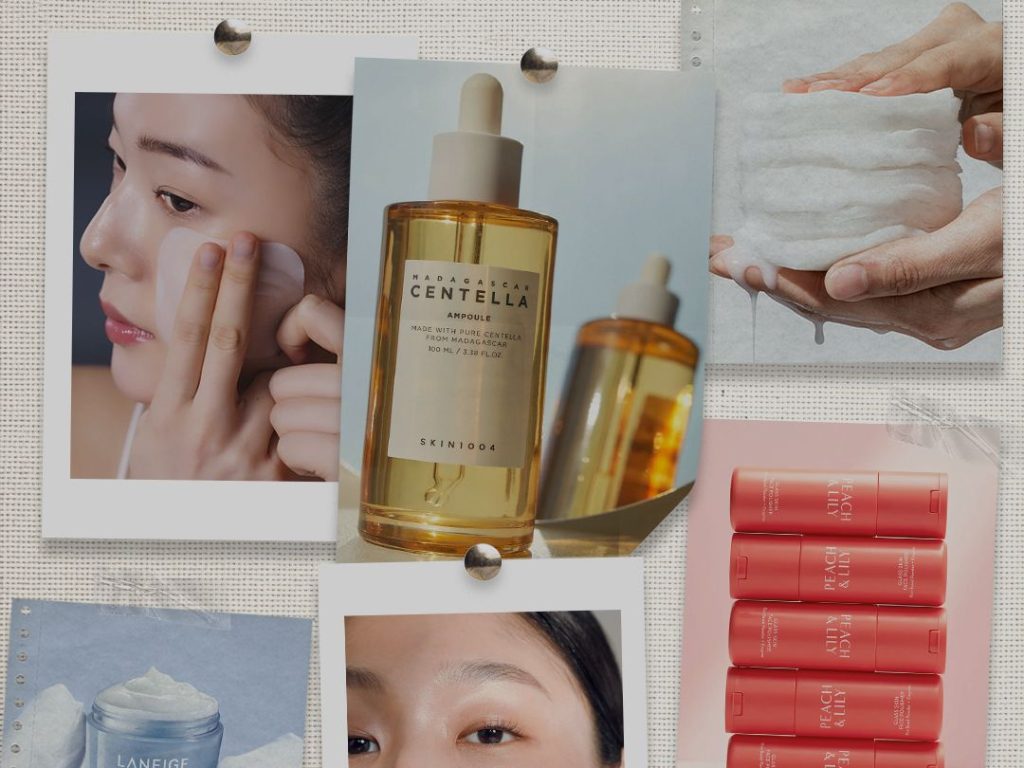
One crucial component driving this trend is the demand for transparency in product formulations. Many U.S. consumers are becoming increasingly skeptical of synthetic additives, prompting them to educate themselves on the origins and impacts of the ingredients they apply to their skin. This shift presents an opportunity for Korean cosmetic brands to showcase their commitment to using the highest quality, naturally-derived components.
The benefits of natural ingredients often highlighted by beauty experts include:
- Safety and Sensitivity: Natural ingredients are typically seen as gentler on the skin, reducing the risk of irritation or allergic reactions. For example, ingredients like aloe vera and camellia oil provide soothing properties often favored by sensitive skin types, creating a loyal consumer base.
- Holistic Skin Health: Korean skincare rituals emphasize not just surface beauty but overall skin health. Ingredients such as Licorice Root and Centella Asiatica are revered for their healing and anti-inflammatory effects, helping to address common skin concerns such as redness and hyperpigmentation, which are prevalent among consumers.
- Anti-Aging Properties: With an increasing number of consumers seeking age-defying solutions, natural ingredients like Coenzyme Q10 and snail mucin are luring users in. Both have demonstrated notable anti-aging effects, providing hydration and elasticity, crucial for maintaining youthful skin texture.
The intersection of skincare knowledge with cultural practices further enriches the allure of Korean cosmetics infused with natural ingredients. Consumers in the U.S. are not just looking for effective products; they seek a deeper narrative and ritualistic experience. Traditional methods, such as the use of fermented ingredients, are becoming popular, as they align with the desire for products that are wholesome and beneficial.
As sustainability continues to grow in importance, many Korean brands are at the forefront of the eco-conscious movement within the cosmetics sector. Brands like Blithe and SK-II are pioneering initiatives to reduce plastic waste through innovative packaging solutions and refill programs. This approach not only resonates with environmentally conscious customers but also emphasizes a long-term vision for the beauty industry, where natural ingredients go hand in hand with ethical sourcing and sustainable practices.
In essence, the fusion of natural ingredients with K-Beauty practices represents a dynamic approach to skincare—one that meets the needs of modern consumers who crave both efficacy and responsibility. As this trend continues to unfold, it encourages a deeper exploration of how holistic beauty can be both effective and conscientious, paving a promising path forward in the world of cosmetics.
The Impact of Natural Ingredients on Korean Beauty Standards
Korean cosmetics have gained international acclaim, not only for their innovative formulas but also for their reliance on natural ingredients. The shift towards green beauty is not just a trend but a reflection of the changing preferences among consumers who are increasingly becoming environmentally conscious. Ingredients such as green tea, snail mucin, ginseng, and various botanical extracts form the backbone of popular Korean skincare routines, promoting healthier skin without compromising safety.
Shifting Consumer Preferences
The modern Korean consumer places a premium on transparency and efficacy. As a result, brands are compelled to disclose the source and benefits of their ingredients. This trend coincides with a growing demand for products that are not only effective but also ethically produced. Brands that highlight their use of sustainable resources and eco-friendly practices tend to resonate more with ethical consumers. Ever-increasing awareness about chemical-free approaches has also pressed many long-standing companies to reformulate their offerings, increasing their appeal to the discerning shopper.
Global Influence and Market Expansion
The popularity of Korean cosmetics enriched with natural ingredients has sparked a global phenomenon. Western audiences are now gravitating towards the K-beauty trend, embracing products that promote a natural glow. This shift has not only expanded market reach but has also forced international cosmetic brands to incorporate similar elements in their formulations, thereby enriching the overall cosmetic industry.
Innovative Formulations and Product Extensions
In response to the demand for clean beauty, many Korean brands are innovating their formulations using cutting-edge extraction techniques to enhance the potency of their natural ingredients. Fermentation, for instance, is a noteworthy technique that has found its way into products, enhancing nutrient absorption and boosting skin vitality. Along with this, strides in packaging technology have enabled brands to minimize waste while ensuring product integrity, which complements the shift towards environmental consciousness.
| Category | Description |
|---|---|
| Natural Ingredients | Enhance skin health with plant-based components. |
| Sustainable Practices | Focus on eco-friendly production methods. |
DISCOVER MORE: Click here for an effective skincare routine
The Role of Innovative Formulation Techniques
As the demand for natural ingredients continues to flourish in Korean cosmetics, innovative formulation techniques are pivotal in enhancing their appeal and effectiveness. Industry leaders are venturing beyond traditional methods, employing cutting-edge technology to maximize the benefits of these natural components. This evolution is reshaping how consumers perceive and utilize skincare products.
One of the most significant advancements is the use of fermentation technology. This process not only preserves the vitality of natural ingredients but also enhances their efficacy. For instance, products containing fermented saccharomyces or bifida ferment lysate have gained attention for their ability to improve skin barrier function and boost hydration levels. Research indicates that fermentation can increase the bioavailability of active compounds, making them more easily absorbed by the skin, which is critical for those seeking immediate results.
Moreover, the incorporation of biocompatible delivery systems has become a hallmark of innovative K-beauty brands. Techniques such as liposomes and nanotechnology are now employed to encapsulate natural ingredients, ensuring their protection and gradual release. This advancement not only extends the shelf-life of natural products but also aids in targeting specific skin concerns more effectively. The ability to deliver potent antioxidants, vitamins, and other beneficial compounds precisely where they are needed most aligns with a trend where consumers desire targeted solutions to their unique skincare problems.
The rise of “clean beauty” also plays a vital role in the consumption of natural cosmetic products. According to a recent survey by Statista, over 60% of U.S. consumers actively seek out products labeled as free from harmful chemicals, further pushing brands to prioritize ingredient safety and integrity. In response, Korean beauty brands such as Innisfree and Amorepacific are openly disclosing their formulations and championing clean and green principles. This shift towards transparency fosters trust, which is paramount in today’s consumer landscape, where knowledge about ingredients can significantly impact purchasing decisions.
Additionally, the cultural significance of certain natural ingredients enhances their desirability. For example, extracts from ginseng, a staple in traditional Korean medicine, are celebrated not just for their skin-enhancing properties but also for their cultural heritage. This blend of ancestral knowledge and scientific validation enriches the consumer experience, as they feel connected to a narrative that stretches beyond mere vanity.
As the K-beauty industry embraces environmental sustainability, many brands are prioritizing eco-friendly cultivation practices for their ingredients. Eco-certification and adherence to organic standards are now crucial components in the marketing strategy for many companies. The commitment to sustainable sourcing resonates deeply with a growing segment of the U.S. consumer market, particularly millennials and Gen Z, who are increasingly making purchasing decisions based on ethical considerations.
The synergy of natural ingredients with innovative formulation techniques is redefining Korean cosmetics, setting a benchmark that combines efficacy with consciousness. As this trend advances, it highlights the potential for a more harmonious relationship between nature and beauty, inviting consumers to explore this evolving landscape in their quest for healthier, more effective skincare solutions.
DISCOVER MORE: Click here for essential tips
Conclusion: Embracing the Natural Trend in Korean Cosmetics
The journey of natural ingredients in Korean cosmetics reflects a dynamic interplay between tradition and modernity. As consumers increasingly gravitate towards products that offer not only effectiveness but also safety and sustainability, K-beauty brands are stepping up to meet these demands with innovative practices and transparency. The exploration of fermentation technology and biocompatible delivery systems illuminates the progressive methods employed to maximize the benefits of natural components, positioning these products at the forefront of skincare technology.
Moreover, the cultural significance of ingredients like ginseng adds a rich narrative layer that resonates deeply with consumers, particularly in markets like the United States, where the quest for authenticity is paramount. As the concept of “clean beauty” permeates the industry, brands are not only reformulating their products to exclude harmful chemicals but also embracing eco-friendly practices that reflect a commitment to environmental sustainability.
The shifting landscape suggests that the future of cosmetics may lie in a holistic approach, marrying natural efficacy with ethical considerations. For consumers, particularly those from the millennial and Gen Z cohorts, the choice of skincare products is no longer a mere routine; it is a statement of values. This trend presents an exciting opportunity for further exploration, encouraging consumers to engage with products that align with their lifestyles and beliefs.
In conclusion, the influence of natural ingredients in Korean cosmetics is more than a fleeting trend—it is a paradigm shift that invites continuous innovation, cultural appreciation, and ethical practices. As K-beauty continues to evolve, it opens new avenues for a healthier skincare future that celebrates both nature and well-being.