The Influence of Music on Education: How to Learn Through Art
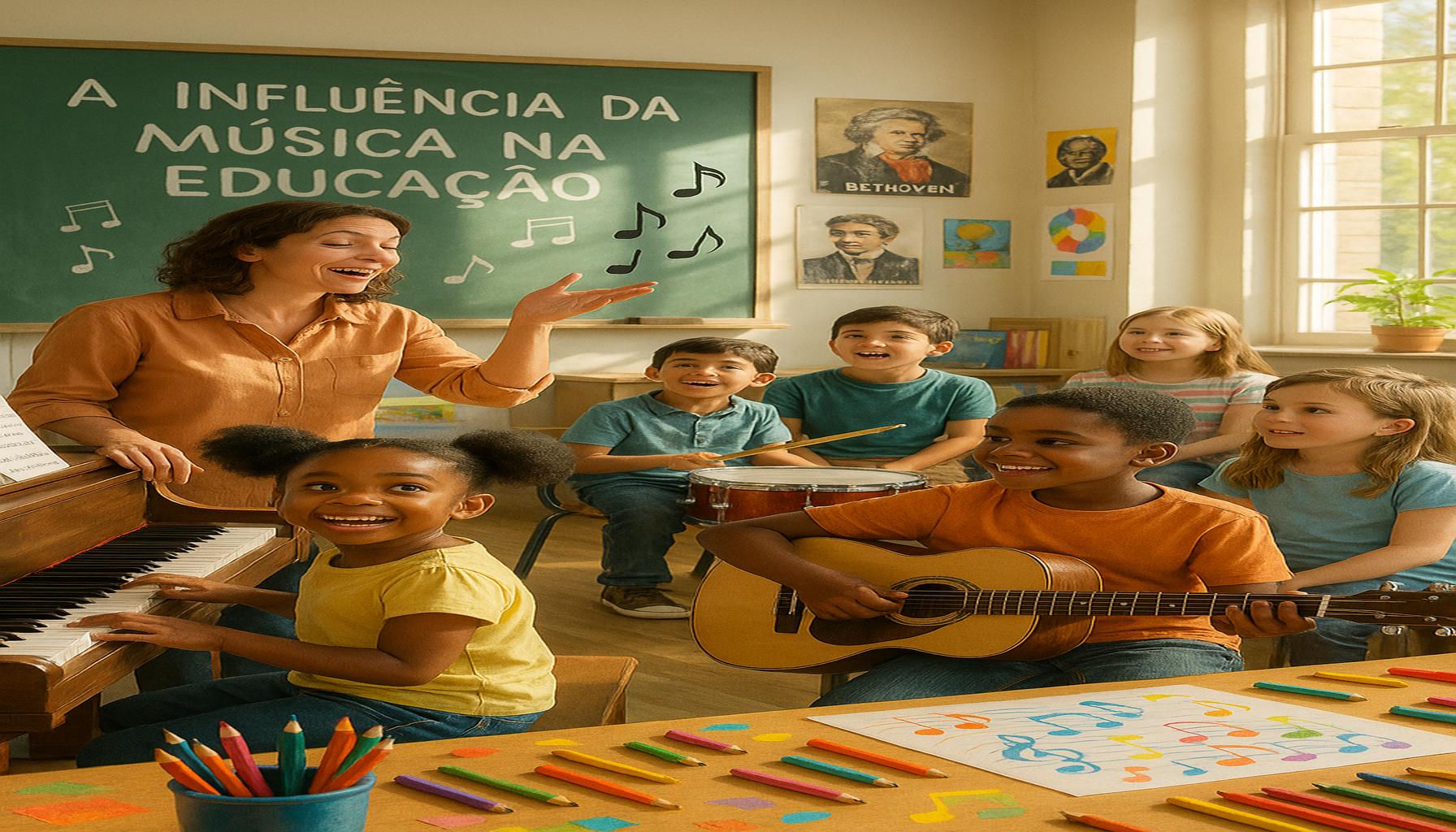
Understanding the Transformative Power of Music in Education
Music has an undeniable power that spans across cultures, ages, and various socio-economic backgrounds. Its integration into education not only enhances the learning experience but also opens up new avenues for creativity and exploration. By recognizing and harnessing this influence, educational institutions can significantly boost not only academic performance but also cognitive and emotional development in students.
Why Music Matters in Education
Embracing music in educational environments offers a myriad of benefits, creating a multifaceted approach to learning that engages students on various levels. For instance, the incorporation of musical elements in the classroom can:
- Enhance memory: Research indicates that rhythm and melody play critical roles in improving memory retention. For example, many students find it easier to learn the periodic table of elements through musical mnemonics rather than traditional memorization techniques.
- Stimulate creativity: Engaging with music encourages innovative thinking and problem-solving skills. Programs like the “El Sistema” initiative in Venezuela show how music education can foster creativity in students from low-income backgrounds, helping them express their ideas in unprecedented ways.
- Improve emotional expression: Participation in musical activities aids students in articulating their feelings, promoting emotional intelligence. For instance, various studies show that children who engage in music or arts education exhibit greater empathy and social awareness.
The advantages extend beyond the classroom, as numerous studies reveal that the incorporation of arts, particularly music, significantly contributes to a more holistic educational experience. For example, schools across the United States, such as those in New York City, have documented that:
- Students involved in music consistently perform better in math and reading: Not only do they excel in standardized testing, but many show improved critical thinking capacities.
- High participation rates in music correlate with increased graduation rates: Students who are part of music programs often have more resilience and determination to complete their education.
- Music fosters teamwork and collaboration: Group performances and ensembles require students to work together, building crucial interpersonal skills that are valuable in any professional sphere.
As educators and stakeholders explore innovative strategies to enhance student engagement and learning experiences, the role of music in education continues to be pivotal. Investing in music programs not only enriches the lives of students but also reshapes our collective approach to education, unlocking the full potential of future generations. The transformative effects of music in educational frameworks invite an ongoing dialogue about its importance and the need for robust support at all levels of education.
DISCOVER MORE: Click here for DIY projects

Exploring the Relationship Between Musical Engagement and Academic Success
As education systems continuously evolve, the need for effective teaching strategies becomes increasingly vital. A growing body of research demonstrates that music education can play an essential role in enhancing academic success. From elementary schools to universities, schools that implement music programs often see remarkable outcomes that influence students’ overall educational experiences.
How Music Education Boosts Academic Performance
Several studies have revealed that students who engage in music education demonstrate improved performance across core subjects. The National Association for Music Education has reported that students involved in music camps or school programs consistently showcase enhanced skills in both mathematics and reading. The connection between music and these subjects can be attributed to the innate structure found in music—patterns, rhythms, and intervals that parallel mathematical concepts.
Furthermore, research conducted by the University of California, Irvine showed that music training can result in heightened brain development and processing capabilities. This developmental boost manifests in various dimensions, including:
- Enhanced spatial-temporal skills: The study reveals that learning music improves students’ spatial reasoning, a skill often linked to solving mathematical problems and visualizing concepts.
- Greater linguistic abilities: Music education has been found to enrich vocabulary acquisition and reading comprehension, ultimately improving overall language skills.
- Improved attention and motivation: The act of learning an instrument or participating in musical group activities fosters a sense of discipline and commitment, traits that translate into improved focus in other academic areas.
The implications of these studies highlight a crucial aspect of modern education. Schools that foster a creative environment through the arts, particularly music, can inspire students to realize their full potential. In states like California, where arts education initiatives are prevalent, data indicates significant performance boosts in standardized tests among music-involved students when compared to their peers outside of music programs. This trend encourages educational leaders to rethink curricular structures.
Moreover, research underscores the transformative effects music can have on the social aspects of education. Engaging in musical activities cultivates essential life skills, encouraging group collaboration and fostering relationships among students. Participation in ensembles and choirs nurtures teamwork, ultimately preparing students for collaborative work settings. As such, involving students in music education can lead to not only academic success but also greater interpersonal skills that benefit future careers.
As we delve deeper into the profound influence of music on education, the evidence supporting its integration becomes increasingly compelling. By fostering an environment that embraces the arts, educators can unlock incredible possibilities within their students, paving the way for a well-rounded and enriching educational journey.
| Advantages of Music in Education | Impact on Learning |
|---|---|
| Enhanced Memory Retention | Incorporating music into learning processes significantly aids in memory retention. Research shows that students who engage with music-related educational material often retain information longer. |
| Creativity Boost | Music encourages students to think outside the box. When art is integrated into subjects, it inspires innovative thinking, leading to a deeper understanding of content. |
| Improved Emotional Intelligence | Music education cultivates emotional awareness and empathy. Students learn to express themselves and understand the emotions of others, essential skills for collaborative learning environments. |
| Cognitive Development | Studies indicate that music education can enhance cognitive abilities such as critical thinking and spatial-temporal skills, crucial for subjects like mathematics and science. |
Integrating music within educational frameworks not only enhances the learning experience but also promotes a holistic approach to education. By embracing this influence, educators can facilitate a more engaging and effective learning environment that caters to diverse learning styles.
DISCOVER: Click here to dive deeper
The Impact of Music on Cognitive Development and Emotional Well-being
In addition to its effects on academic achievement, the influence of music on cognitive development and emotional well-being is equally noteworthy. Music education encourages the development of critical thinking skills and creativity, both essential components of a well-rounded education. Engaging with music not only fosters intellectual growth but also nurtures emotional intelligence, allowing students to navigate their feelings and relationships more effectively.
Music as a Catalyst for Cognitive Skills
Research indicates that learning to play an instrument or engage with music can significantly enhance cognitive functions. According to a comprehensive study published in the Journal of Educational Psychology, children involved in music training exhibit improved executive functions, which include skills such as problem-solving, planning, and cognitive flexibility. These skills are crucial for effective learning and are particularly relevant in dynamic academic environments.
Moreover, the neurological responses triggered by music engagement stimulate areas of the brain associated with memory and attention. A notable study from Northwestern University found that students with a background in music demonstrated superior auditory processing abilities, which is critical for language acquisition and comprehension. This enhanced capacity for processing sounds also aids in the understanding of complex phonetic structures in both music and language, further bridging the gap between these two vital areas.
Emotional and Social Dynamics in Music Education
Beyond cognitive skills, music education also plays a pivotal role in emotional development. Engaging in musical activities can help students cultivate their emotional awareness and enhance their ability to express feelings. The practice of playing in a band or singing in a choir offers a unique avenue for students to manage stress, cope with anxiety, and build self-esteem. The National Federation of State High School Associations reports that students involved in music activities are often more emotionally resilient, showcasing lower levels of stress and better overall mental health.
The social dynamics of music education further contribute to the psychological benefits for students. Collaborative music-making promotes a sense of belonging and community, fostering friendships that can last a lifetime. A study from Harvard University highlighted that students who participate in structured music programs show increased social cohesion and higher self-confidence, both of which are critical elements in their personal and academic lives. This positive social interaction often translates into better performance in schools, as students are more likely to engage with their peers and work collaboratively on academic projects.
Furthermore, the emotional intelligence gained through music education extends beyond the classroom. Skills learned through musical collaboration, such as empathy, communication, and teamwork, are invaluable in today’s workforce. Employers increasingly seek individuals with these soft skills, as they contribute to a positive and productive workplace culture. By prioritizing music in educational curricula, schools are not only nurturing academically proficient individuals but also socially and emotionally well-rounded citizens prepared for future challenges.
The exploration of music as an educational tool reveals its multifaceted benefits. Understanding how music influences cognitive skills and emotional health encourages educators and policymakers to advocate for music programs as an integral part of a comprehensive educational framework. As this discourse continues, it sheds light on the potential music holds for transforming educational landscapes in the United States and beyond.
DIVE DEEPER: Click here to uncover the impact of regional cuisine
Conclusion: The Transformative Power of Music in Education
As we delve into the profound influence of music on education, it becomes increasingly clear that music acts as a powerful vehicle for learning. By integrating music into educational curricula, educators can unlock various cognitive benefits while simultaneously enhancing students’ emotional and social capacities. The neurological and psychological advantages gained from music education cannot be overstated; it fosters creativity, critical thinking, and emotional intelligence—skills that are indispensable in today’s fast-paced world.
Moreover, the collaborative nature of musical activities cultivates a sense of belonging and community among students, fostering essential interpersonal skills. In a society that values teamwork and effective communication, these attributes significantly impact academic performance and overall well-being. The evidence suggests that students engaged in music programs are not only better equipped to excel in their studies but also emerge as resilient, self-assured individuals ready to tackle the challenges that lie ahead.
In light of these findings, it is crucial for educators, parents, and policymakers to recognize and advocate for the inclusion of music as a core component of education. As we continue to explore the multiple dimensions of learning through art, it is evident that music is not just an extracurricular activity but a fundamental element that contributes to a holistic educational experience. The transformative potential of music in shaping well-rounded citizens cannot be ignored; thus, fostering music education will enrich both individuals and, in turn, the greater society.
As we move forward, let us continue to advocate for and invest in music education, ensuring that every student has the opportunity to experience its myriad benefits. By embracing the harmony of music within the educational landscape, we pave the way for a brighter and more innovative future.