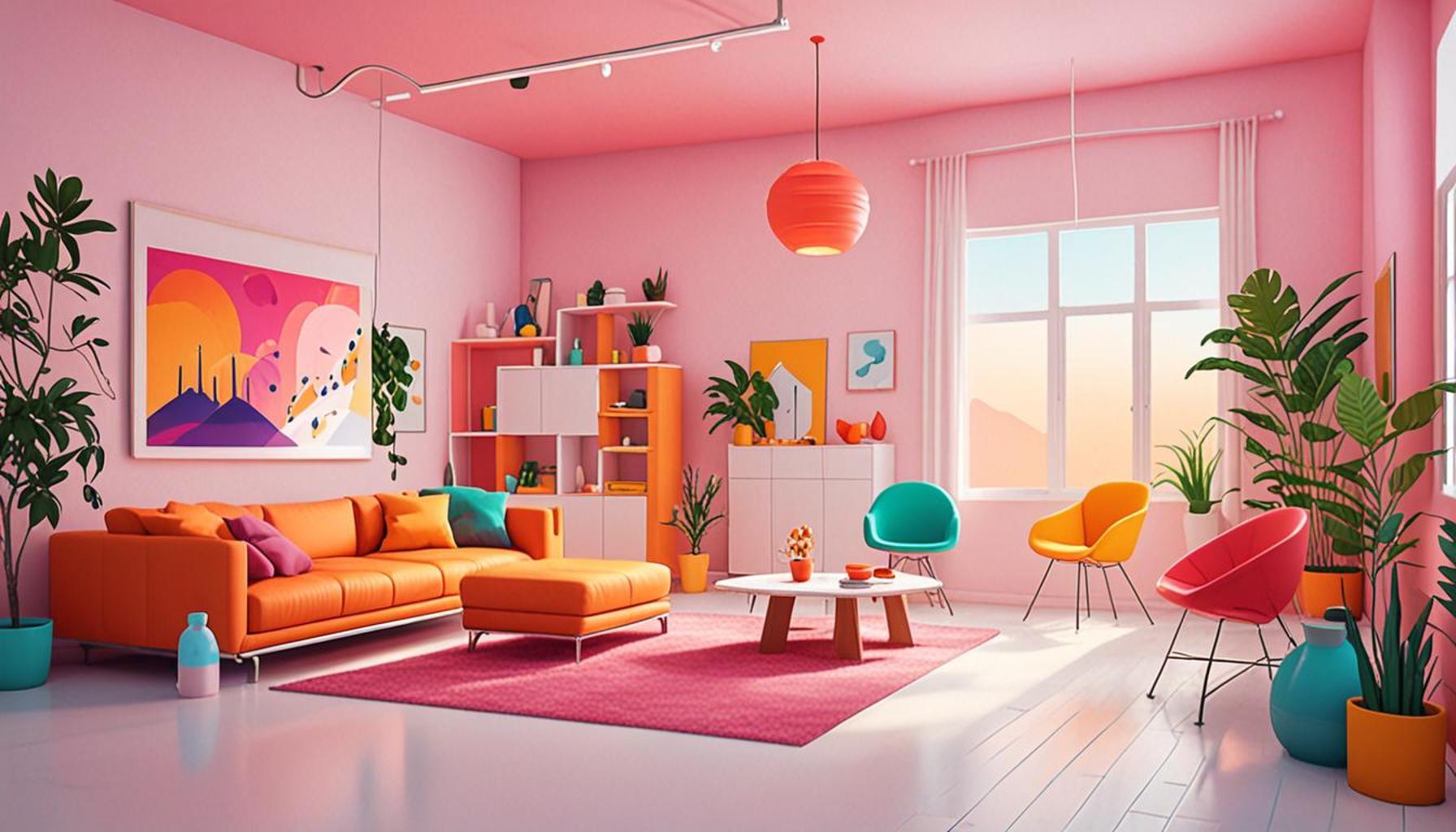
The Importance of Functionality: Space Planning for Daily Activities with Minimalist Design
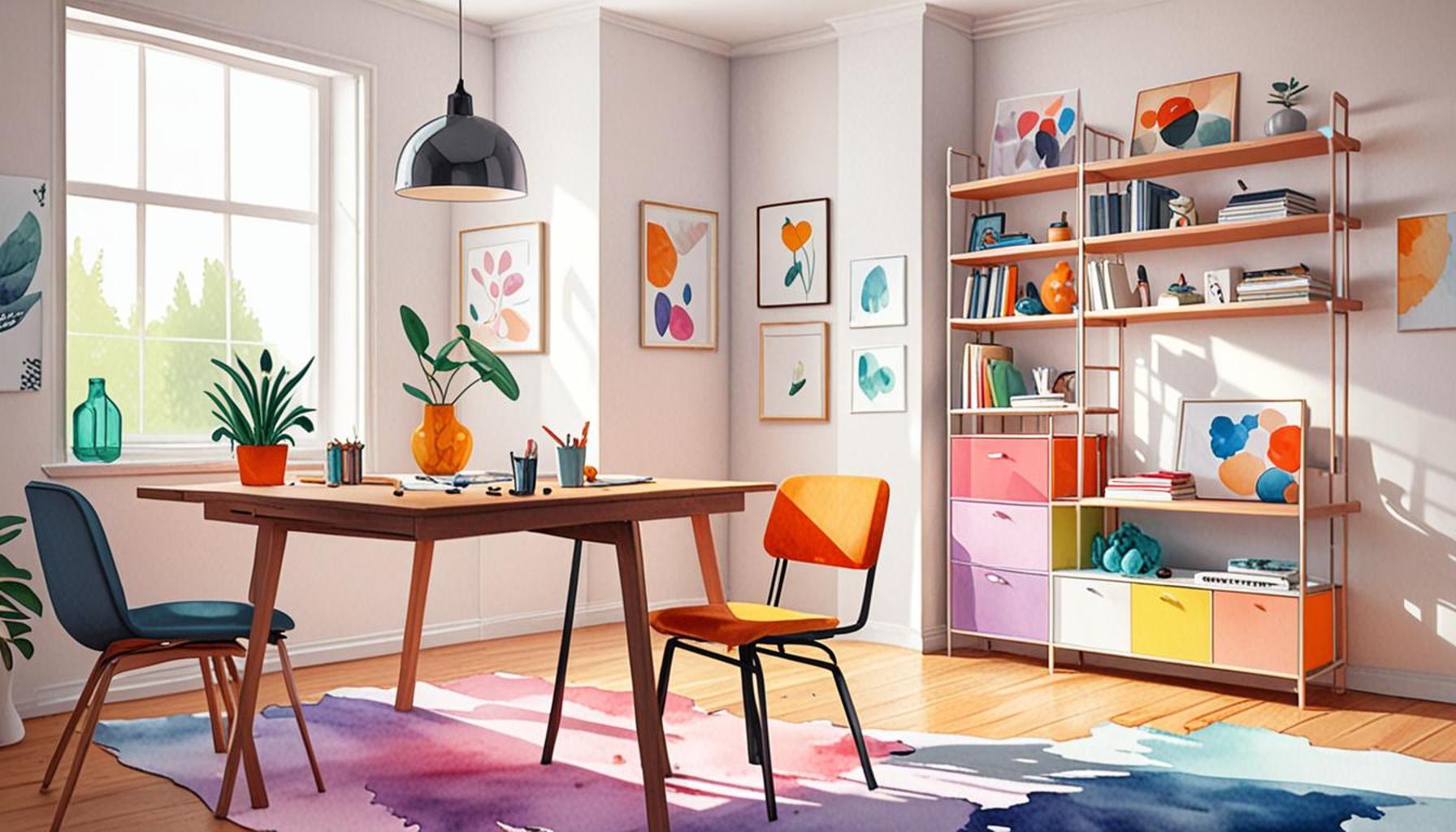
Understanding the Balance of Functionality and Aesthetics
Every space we inhabit influences our daily routines in significant ways. Poorly planned spaces can create chaos, while well-organized areas enhance productivity and comfort. In a country as vibrant as Nigeria, where homes often function as family hubs, offices, and social gatherings, effective space planning is crucial for maximizing both utility and enjoyment.
The Role of Minimalist Design
Minimalist design champions the philosophy that “less is more,” presenting a refreshing antidote to overcrowded living spaces. This approach strips away unnecessary elements to focus on:
- Clean lines that promote an uncluttered feel, creating an atmosphere of serenity. For example, in a Lagos apartment, sleek furniture with straight edges can create a calming contrast against the vibrant street life outside.
- Functional furniture that serves dual purposes, such as a sofa that converts into a bed or coffee tables with built-in storage. This flexibility is particularly useful in urban Nigerian settings, where space is often at a premium.
- Natural light to enhance mood and productivity. Large windows and open configurations not only invite sunlight, which can elevate one’s spirit but also reduce dependence on artificial lighting, an essential consideration in areas where power supply can be inconsistent.
This design philosophy not only appeals aesthetically but also prioritizes functionality, making it a perfect match for effective space planning. The minimalist approach is ideal for busy households that may need a living area to transition from family time to work time seamlessly.
Impacts on Daily Activities
How we organize our environments can dramatically affect our daily activities. Efficient space planning allows for:
- Smoother daily routines by creating designated zones within a single room. For instance, a combined living and dining space can be thoughtfully divided using rugs or furniture layouts to define cooking, dining, and lounging areas.
- Enhanced focus, especially in home offices where distractions can easily derail productivity. A minimalist desk with essential tools laid out neatly can help young professionals in Abuja maintain concentration while working remotely.
- Better use of limited resources, such as efficient storage solutions that maximize vertical space. In Nigeria, where the art of improvisation is celebrated, repurposed shelves for storing household items can contribute to an organized appearance while showcasing local craftsmanship.
In the Nigerian context, crafting spaces that are both practical and visually appealing can lead to an improved quality of life. Understanding the interplay between functionality and design opens up a world of possibilities for modern living. When well-thought-out spaces become the norm, they can contribute positively to individuals’ overall well-being, encouraging a lifestyle that resonates with comfort and efficiency.
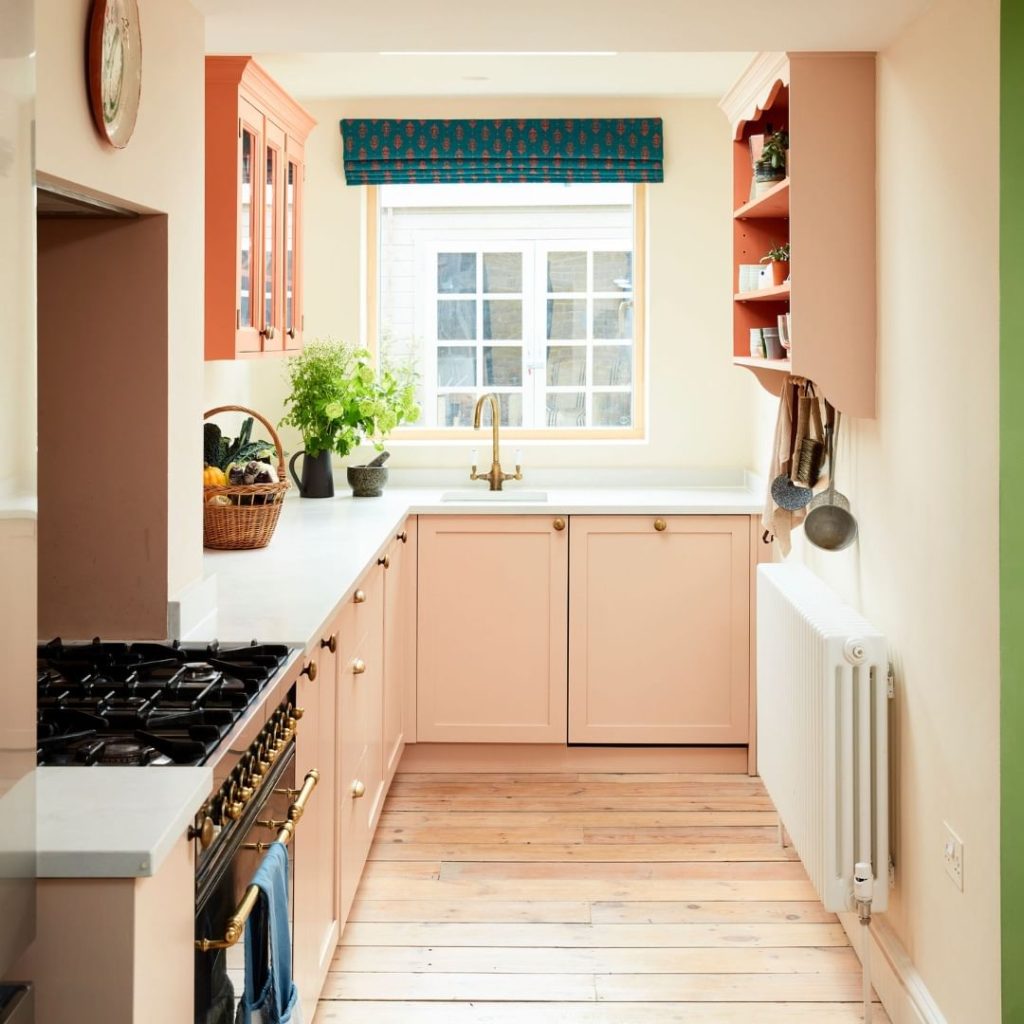
RECOMMENDED: Check out this similar article
Maximizing Space Through Strategic Planning
In a world where urbanization is rapidly transforming the landscape, particularly in Nigeria’s bustling cities, the need for effective space planning has never been more pressing. The challenge lies in creating environments that cater not just to aesthetics but functionality too, supporting the diverse needs of daily life. Space planning with a focus on minimalism enables individuals and families to embrace simplicity while maximizing utility, ultimately creating a better quality of life.
Designing for Specific Needs
Understanding the unique demands of a household or workspace is key when embarking on a minimalist design journey. In many Nigerian homes, there are multiple functions under one roof. Be it a family gathering area that doubles as a workspace or a small kitchen that needs to serve both cooking and dining purposes, thoughtful layout is essential. Strategic space planning ensures that:
- Each area is optimized for its intended use, seamlessly accommodating activities from socializing to studying. For example, zoning off sections with furniture arrangements allows a single room to serve multiple functions without compromising space or comfort.
- Flow and accessibility are prioritized, allowing for smooth movement within the home. Narrow pathways can hinder daily activities, while wide, open spaces invite ease of access. This is particularly relevant in homes within urban centers like Lagos, where space constraints are common.
- Clutter is minimized, promoting a serene ambiance. In Nigerian cultures where communal living is common, having clutter-free spaces encourages relaxation and enhances interpersonal connections.
Moreover, as the concept of remote work becomes more ingrained in Nigerian life, integrating a dedicated workspace into the home has emerged as a top priority. Minimalist design fosters an environment that encourages productivity, with an emphasis on essentials, such as a well-organized desk, good lighting, and minimal distractions. It transforms an ordinary corner into an inspiring home office.
Adapting to Changing Lifestyles
The flexibility of minimalist design aligns well with the ever-evolving demands of modern Nigerian households. Adapting spaces to function as multifunctional areas becomes crucial as families grow or shift dynamics. For example, using transforming furniture, such as collapsible dining tables or extendable sofas, brings versatility that meets the changing needs of a household. This adaptability not only conserves space but also enhances the overall functionality of a home, allowing for easy transitions between different activities throughout the day.
As Nigerians continue to embrace minimalist approaches, especially in urban settings, understanding the importance of functionality in space planning will be paramount. By prioritizing functional design in our everyday environments, we cultivate spaces that nurture creativity, connectivity, and well-being, ultimately leading to a more enriched living experience.
| Advantages | Description |
|---|---|
| Efficient Use of Space | Minimalist design encourages strategic layout that maximizes functionality while minimizing clutter. |
| Enhanced Productivity | A well-planned space allows for seamless transitions between different activities, fostering an environment where daily tasks are accomplished efficiently. |
| Improved Aesthetics | Minimalist design promotes a sleek and calming atmosphere, which can positively affect mental well-being and create a more inviting environment. |
In the context of today’s fast-paced lifestyle, the importance of functionality in space planning cannot be overstated. As urban dwellings become more compact, employing a minimalist design that embraces the concept of practical aesthetics allows individuals to navigate their daily activities with ease. This approach not only streamlines tasks but also invites a sense of peace amidst modern chaos.Furthermore, the synergy between functionality and minimalism is indicative of a growing trend where aesthetics and utility coexist harmoniously. By prioritizing essential elements and eliminating superfluous distractions, individuals are encouraged to focus on what truly matters in both their environments and their lives. As a result, adopting strategies for space planning leads to enhanced overall productivity, less frustration, and a more positive daily experience.
SEE ALSO: Click here to read another article
Embracing Sustainability in Space Planning
As the discourse around sustainability gains momentum globally, it inevitably influences the way we approach space planning in Nigeria. Minimalist design, with its inherent focus on functionality and reduction of excess, dovetails perfectly with sustainable practices. By emphasizing efficiency and waste reduction, this design philosophy not only heightens aesthetic appeal but also encourages a healthier environment.
Integrating Natural Materials and Light
One of the principal tenets of minimalist design is the integration of natural materials, which promote a sense of well-being. Utilizing local resources, such as wooden furniture crafted by Nigerian artisans or clay materials that echo the region’s heritage, can significantly enhance the home’s connection to its environment. Furthermore, the strategic use of windows, skylights, and open spaces allows for abundant natural light to flow through, reducing the reliance on artificial lighting during the day. This aligns perfectly with reducing energy expenditures, making it both an economical and eco-friendly practice.
Catering to Diverse Lifestyles
The fluidity of daily activities in Nigerian households necessitates spaces that can adapt seamlessly. For instance, a living room may need to transition between a family gathering area, a children’s play zone, or an educational space during remote learning. Flexible furniture solutions, such as modular sofas or lightweight tables, can be rearranged effortlessly to meet the current needs, ensuring that families can enjoy harmonious living without feeling restricted by their environment.
Moreover, incorporating multifunctional elements is pivotal in the space planning process. For example, kitchen islands that serve as dining spaces help maximize functionality. This approach not only enhances the social aspect of cooking and eating but also fosters a communal atmosphere, which is integral to Nigerian culture. Each meal shared becomes an opportunity to strengthen bonds while utilizing the same space.
Supporting Mental and Emotional Health
A minimalist environment that is thoughtfully designed with functionality in mind plays a vital role in supporting mental and emotional health. Overcrowded, chaotic spaces can contribute to anxiety and stress. Conversely, a thoughtfully planned space that minimizes clutter can foster a sense of peace and calm. This is essential in urban areas marked by noise and distraction, where having a serene sanctuary is indispensable.
By incorporating elements such as indoor plants, which contribute to improved air quality and a sense of relaxation, individuals can transform their homes into green sanctuaries. Additionally, creating dedicated areas for hobbies—be it reading nooks or crafting corners—offers outlets for creativity, further enhancing psychological well-being.
The Role of Technology in Functionality
In today’s digital age, technology’s role in enhancing space functionality cannot be overlooked. Smart home devices, which allow for better energy management and control of household functions, enable residents to optimize their environments. Integrating technology into minimalist design not only provides convenience but also promotes sustainability. For example, automated lighting systems can adapt to natural light levels, reducing energy consumption while supporting a minimalist lifestyle.
As the trend towards minimalism continues to shape urban living in Nigeria, the importance of functionality in space planning cannot be understated. By embracing sustainable practices, adaptability, mental health support, and technological integration, we can create spaces that exceed mere aesthetics, redefining how we live, work, and connect within our environments.
RECOMMENDED: Check out this similar article
Conclusion
In the quest for harmonious living spaces that foster well-being and productivity, the importance of functionality in space planning cannot be overstated. Minimalist design, characterized by its focus on essentials and reduction of clutter, serves as a powerful tool to achieve this goal. By prioritizing adaptability, we create environments that fluidly accommodate the diverse daily activities of Nigerian families, from lively gatherings to quiet retreats for individual reflection.
Additionally, implementing sustainable practices and integrating natural materials not only enhances aesthetic appeal but also connects our homes to the rich cultural heritage of Nigeria. Utilizing local resources and promoting energy efficiency through the employment of natural light and smart technologies enable us to maintain an eco-conscious lifestyle that aligns with global sustainability goals.
Moreover, as we become increasingly aware of the impact our environments have on mental and emotional health, it is crucial to recognize that a minimalist approach to space planning supports peace and tranquility. By cultivating serene sanctuaries filled with nature and thoughtful design, we can promote wellness in our busy urban lives.
Ultimately, reimagining our spaces with functionality at the core invites us to redefine not just our homes, but our approach to living. As we embrace the principles of minimalist design, we can transform our environments into effective, efficient spaces that nurture our daily lives, fostering deeper connections with ourselves, our loved ones, and our cultural roots. With each design choice made, we pave the way for a more sustainable, harmonious future.