The Impact of Social Media on the Promotion of New Artistic Talents and the Democratization of Art
The Role of Social Media in Modern Art Promotion
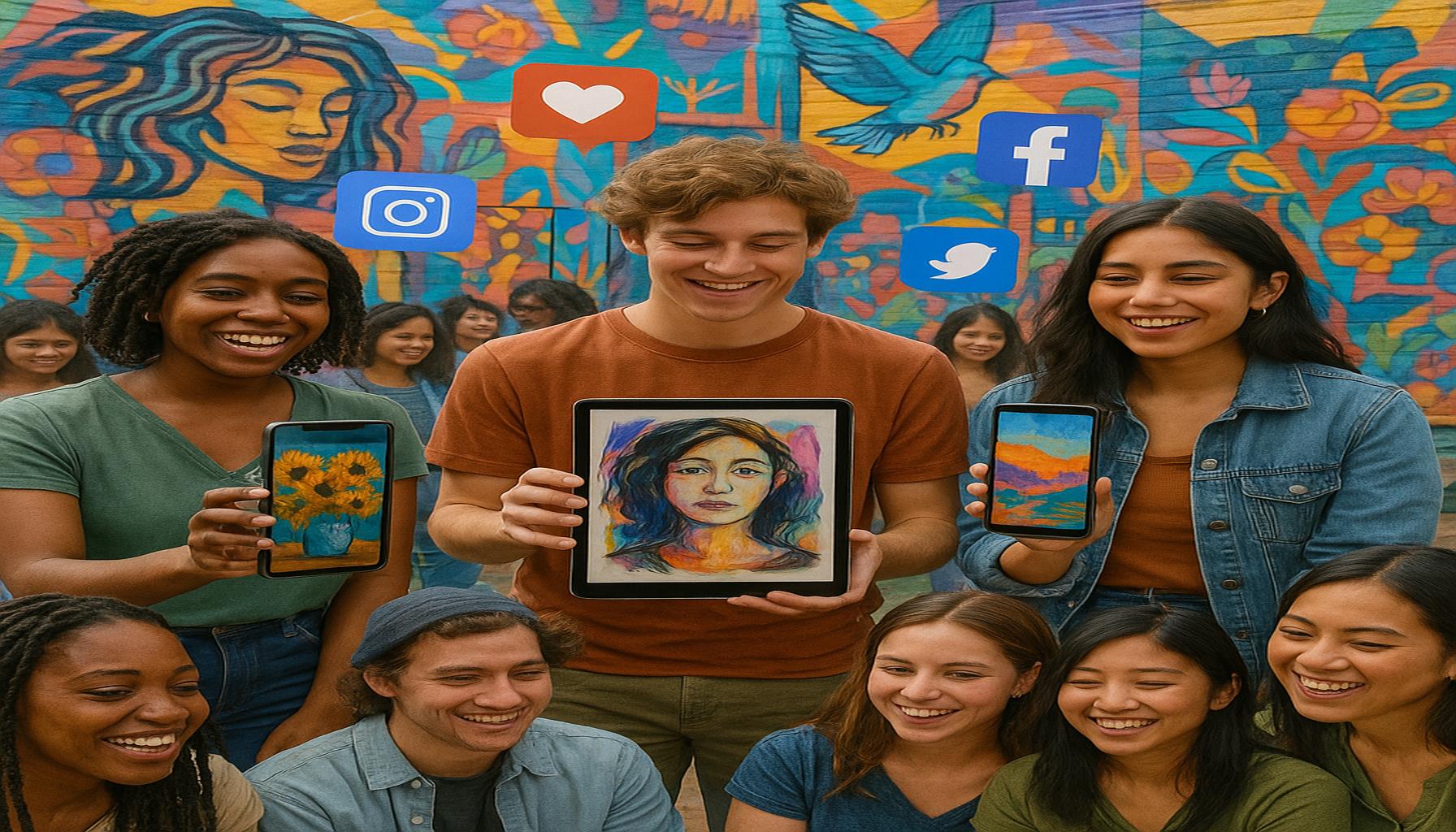
In today’s digital age, social media platforms have revolutionized the way art is shared and promoted. Artists from all walks of life can showcase their talents to a global audience, breaking down geographical barriers previously faced. This newly democratized landscape has not only created opportunities for lesser-known artists but has also transformed the traditional art market as a whole.
This surge in accessibility has led to significant changes in the art world, including:
- Increased Visibility: New artistic talents can gain recognition almost overnight. Consider the journey of artists like @sarahsartwork on Instagram, who garnered 100,000 followers in just a few months due to her unique style of watercolor portraits. Such rapid visibility would have been nearly impossible before social media, where only a select few were able to showcase their work in traditional galleries.
- Lower Barriers to Entry: Emerging artists can create and share their work without the need for traditional galleries. Platforms like Etsy and Redbubble enable artists to sell their creations directly to consumers, bypassing the need for expensive gallery fees or the approval of curators. This shift has empowered many budding creators to take charge of their careers, enabling a wider range of artistic expression and entrepreneurship.
- Direct Engagement: Artists can interact with their audience, fostering a community of support. Social media allows for immediate feedback and dialogue, helping artists refine their craft while simultaneously cultivating a dedicated following. For example, many musicians and visual artists hold live Q&A sessions on platforms like TikTok, forging a deeper bond with their fans.
Moreover, platforms like Instagram, TikTok, and Twitter have become essential tools for artists to connect, collaborate, and innovate. In fact, the #ArtTikTok phenomenon has seen a surge in content from artists sharing their processes, which demystifies the creation of art and invites viewers to appreciate the intricate details that go into each piece. As these mediums continue to evolve, they challenge the traditional notions of who can be considered an artist, fostering a diverse range of talent that may not have been recognized through conventional avenues.
The democratization of art through social media invites us to reconsider how we define artistic value. This phenomenon not only amplifies diverse voices but also enriches the cultural landscape, allowing grassroots movements to emerge. For instance, the Black Lives Matter movement has seen a tremendous amount of artwork sharing on social media, representing marginalized perspectives and encouraging dialogue about social justice issues through visual storytelling.
In exploring the profound impact of social media on the promotion of new artistic talents, we uncover a dynamic shift towards inclusivity and creativity that is reshaping the art world as we know it. The intersection of technology and art continues to redefine cultural engagement and sets the stage for a more expansive and vibrant artistic community.
DIVE DEEPER: Click here to uncover the secrets of presentation
New Pathways for Artistic Expression
As social media continues to evolve, it increasingly shapes the boundaries of artistic expression. No longer locked within the walls of galleries or dependent on gatekeepers, artists have found a new freedom. They can present their work on platforms such as Instagram, Twitter, and Facebook, showcasing a vast array of styles and mediums with unprecedented ease. This shift has unlocked potential for a plethora of new voices that can share their unique perspectives and stories.
One notable example is the rise of digital art. Artists have embraced advancements in technology, allowing them to create and distribute art in ways that were previously unimaginable. This adaptability not only attracts new audiences but also paves the way for innovative collaborations that transcend traditional artistic boundaries. Here are several key developments in the democratization of art through social media:
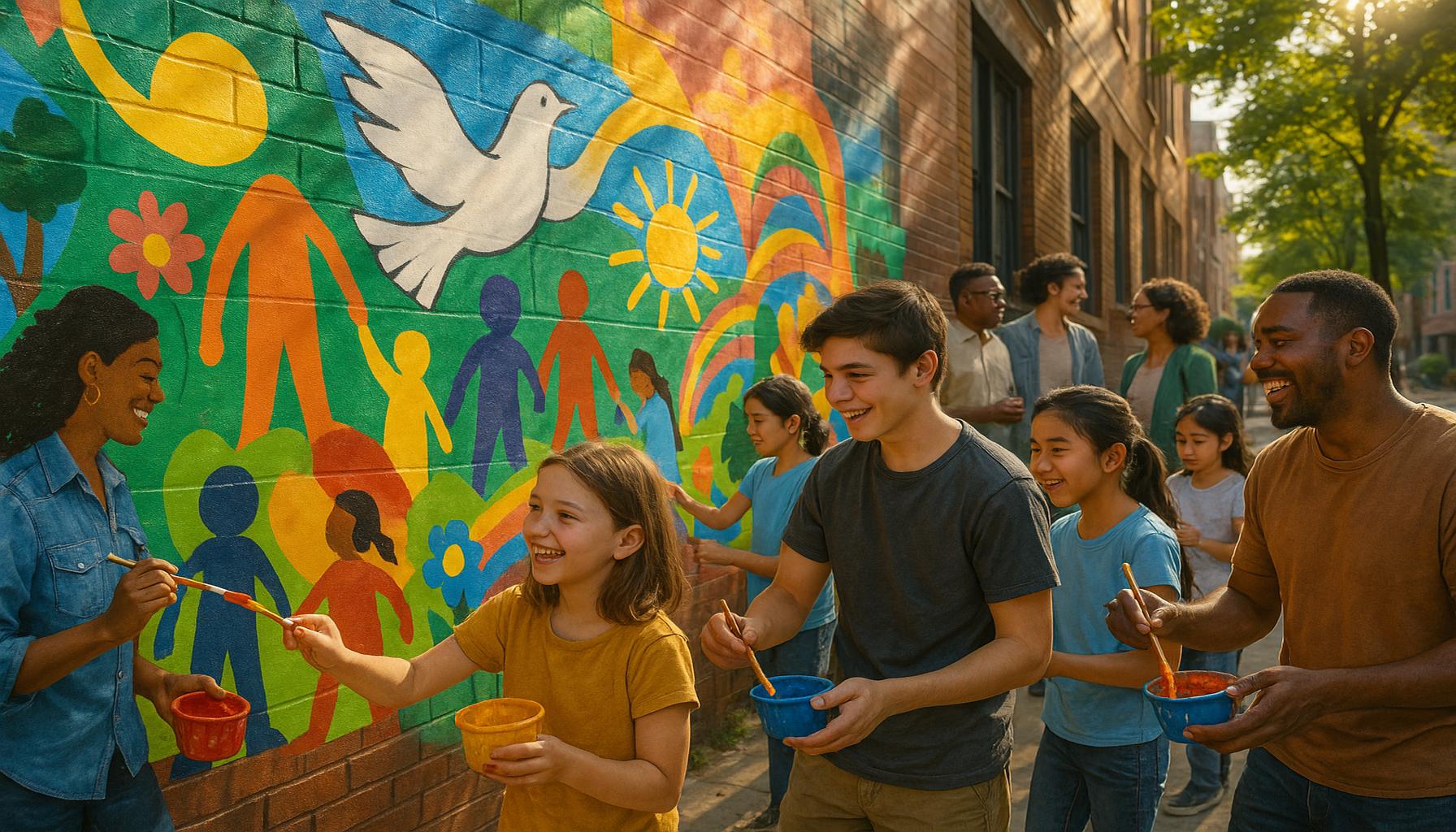
- Showcasing Diverse Mediums: Social media provides a platform for various artistic expressions, from traditional painting and sculpture to photography, collage, and digital graphics. Artists such as @kevinscanvas have transformed the way they share street art and murals, infusing vibrant community stories into a digital narrative that broadens their reach beyond local walls.
- License to Experiment: The pressure to conform to established standards is alleviated in the realm of social media. Emerging talents are more willing to experiment with their styles, producing avant-garde work that challenges norms without fear of immediate judgment. This encourages artistic growth and innovation, as creators feel empowered to push boundaries.
- Global Artistic Movements: Social media acts as a catalyst for collective movements, where artists can engage with current events and social issues. The power of hashtags such as #ArtForChange has united creators worldwide, fostering a global community that shares similar ideals and raises awareness of pressing societal issues.
Furthermore, platforms like TikTok have introduced an element of interactive engagement, allowing users to witness the artistic process in real-time. This behind-the-scenes glimpse captivates audiences by personalizing the artist’s journey, creating a profound connection that transcends the traditional seller-buyer model. Artists can entice viewers by inviting them to participate in challenges or by sharing tutorials, enhancing their visibility and expanding their follower base.
With the plethora of tools available for artists to create and promote their work, the art community is witnessing a vibrant fusion of innovation and accessibility. This newfound visibility has not only transformed the lives of individual artists but has also encouraged a collective understanding of creativity that reflects the diversity of contemporary society.
As we delve deeper into the impact of social media on the promotion of new artistic talents, it’s crucial to recognize the significant changes in audience interaction with art. Audiences are no longer passive observers but active participants in the dialogue surrounding art. This shift has profound implications for both artists and art consumers alike, as we navigate a more inclusive future for creativity.
| Category | Information |
|---|---|
| Accessibility | Social media platforms democratize artistic expression by allowing artists to showcase their work without traditional barriers. |
| Global Reach | Artists can connect with international audiences and receive feedback, enhancing visibility and opportunities. |
| Community Building | Social media fosters communities that nurture new talents, allowing for collaboration and support among artists. |
| Promotion Strategies | Artists utilize innovative marketing strategies on social media, leveraging algorithms to capture and grow their audience. |
The ability of social media to bring art directly to the audience marks a transformation in how artistic works are perceived and engaged with. Traditionally, emerging artists faced significant hurdles in gaining recognition, often reliant on galleries and critics for visibility. However, platforms such as Instagram, TikTok, and Twitter have reshaped this landscape, allowing artists to bypass conventional gatekeepers.Moreover, these platforms are not just about self-promotion; they provide vital feedback loops. Artists can interact directly with viewers, receiving instant responses that inform their work and encourage experimentation. This immediacy inspires a culture of innovation and evolution within the art community, encouraging artists to adapt and grow in response to public feedback.Additionally, social media serves as an education hub. Artists frequently share techniques, tips, and resources, thereby fostering an environment of continuous learning and creativity. This interconnectedness ensures that knowledge is democratized, making artistic skills accessible to anyone with the desire to learn.Social media platforms serve as incubators for new ideas and collaborations. Many successful projects originate from community engagements and collaborations that arise online, proving the power of digital social spaces in igniting the artistic flame.
DIVE DEEPER: Click here to discover more about captivating narrative techniques
Engaging with Audiences and Cultivating Community
The evolution of social media has not only altered how artists create and share their work, but it has also transformed the relationship between art creators and their audiences. In the past, viewers often approached art from a distance, engaging with pieces in galleries or museums where interpretation was guided by curatorial frameworks. Today, platforms such as Instagram and TikTok empower audiences to engage directly with artists, creating a sense of community that transcends geographical barriers.
This shift has introduced a remarkable level of interactivity. Artists are encouraged to think of their followers as an extended community rather than mere spectators. This dynamic encourages consistent dialogue and feedback, allowing creators to adapt their work based on audience preferences. For instance, artists like @brittanylthomas, who invites followers into her creative process through regular Q&A sessions and interactive polls, demonstrate the power of social media engagement. This personalized approach significantly deepens audience investment in the artist’s journey.
Moreover, the use of social media algorithms plays a critical role in the visibility of new artistic talents. By leveraging trending hashtags or participating in viral challenges, artists can increase their chances of being discovered by wider audiences. Data suggests that Instagram posts tagged with relevant hashtags can boost engagement by up to 30%, facilitating greater exposure. For example, the #ArtistSupportPledge connects creators who promote one another’s work, fostering a cycle of support that cultivates emerging talent and strengthens community ties.
Another compelling aspect of this phenomenon is the rise of crowdfunding platforms such as Patreon and Ko-fi, which have become vital lifelines for aspiring artists. These platforms, combined with social media, allow artists to monetize their work directly through fan subscriptions. For instance, an artist can share behind-the-scenes content or exclusive pieces with their supporters, who are willing to invest in their creative endeavors. This model democratizes the financial aspects of art production, enabling artists to sustain their practices without relying solely on gallery representation or traditional sales channels.
Social media’s influence extends beyond individual artists to larger institutional frameworks as well. Many museums and galleries have begun to adapt by amplifying the voices of underrepresented artists through online exhibitions and virtual events. Initiatives like the #MuseumFromHome movement during the COVID-19 pandemic demonstrate how cultural institutions can harness social media to extend their reach and provide democratized access to art resources. This greater accessibility ensures that art continues to be an integral part of public discourse on societal issues.
Furthermore, the role of virtual collaborations has created exciting opportunities for artists to connect across borders. Artists from different countries can combine their styles and techniques, resulting in eclectic and innovative fusions. Collaborative projects, such as the Artful Breaks initiative, where artists create pieces that are then shared online, exemplify how social media fosters genuine partnerships, bridging cultural divides and enriching the global art narrative.
As we explore the implications of social media on the promotion of new artistic talents, it becomes clear that this digital landscape is reshaping not just how art is created, but how it is understood, valued, and experienced in our everyday lives. By dismantling traditional hierarchies, social media nurtures a creative ecosystem where every voice can be heard, and every story can find its audience.
DIVE DEEPER: Click here to discover more
Conclusion: A New Era for Artistic Expression
In summary, the rise of social media has fundamentally transformed the landscape for new artistic talents and democratized access to the world of art. This digital revolution has enabled creators to bypass traditional gatekeepers, thus allowing a diverse array of voices to emerge from the shadows. Platforms like Instagram, TikTok, and community-driven crowdfunding sites have not only provided a stage for artists to showcase their work but also fostered meaningful connections between creators and their audiences. The ability to interact directly with followers enhances the artistic experience, creating a dynamic where community engagement and audience feedback are woven into the creative process.
Moreover, the role of social media algorithms in amplifying visibility cannot be understated. Artists who master the art of digital engagement are better positioned to attract wider audiences and cultivate support networks. Cultural institutions, too, are recognizing the importance of this digital dialogue; many are stepping up to rejuvenate their offerings by promoting underrepresented voices in innovative online formats. As initiatives grow, the concept of accessibility in art continues to broaden, ensuring that art remains intertwined with pressing societal issues.
Ultimately, the democratization of art through social media represents a vital shift in how we perceive, share, and engage with artistic expression. In this new era, where every artist can contribute to the narrative, the future of art looks not only more inclusive but also more reflective of the diverse society we inhabit. As we continue to evolve alongside these technological advancements, the question remains: how will future generations build upon this foundation to further enrich the cultural tapestry of our world?