The Evolution of Crafts: How Traditional Techniques are Being Reimagined in the Modern Era
The Evolution of Crafts
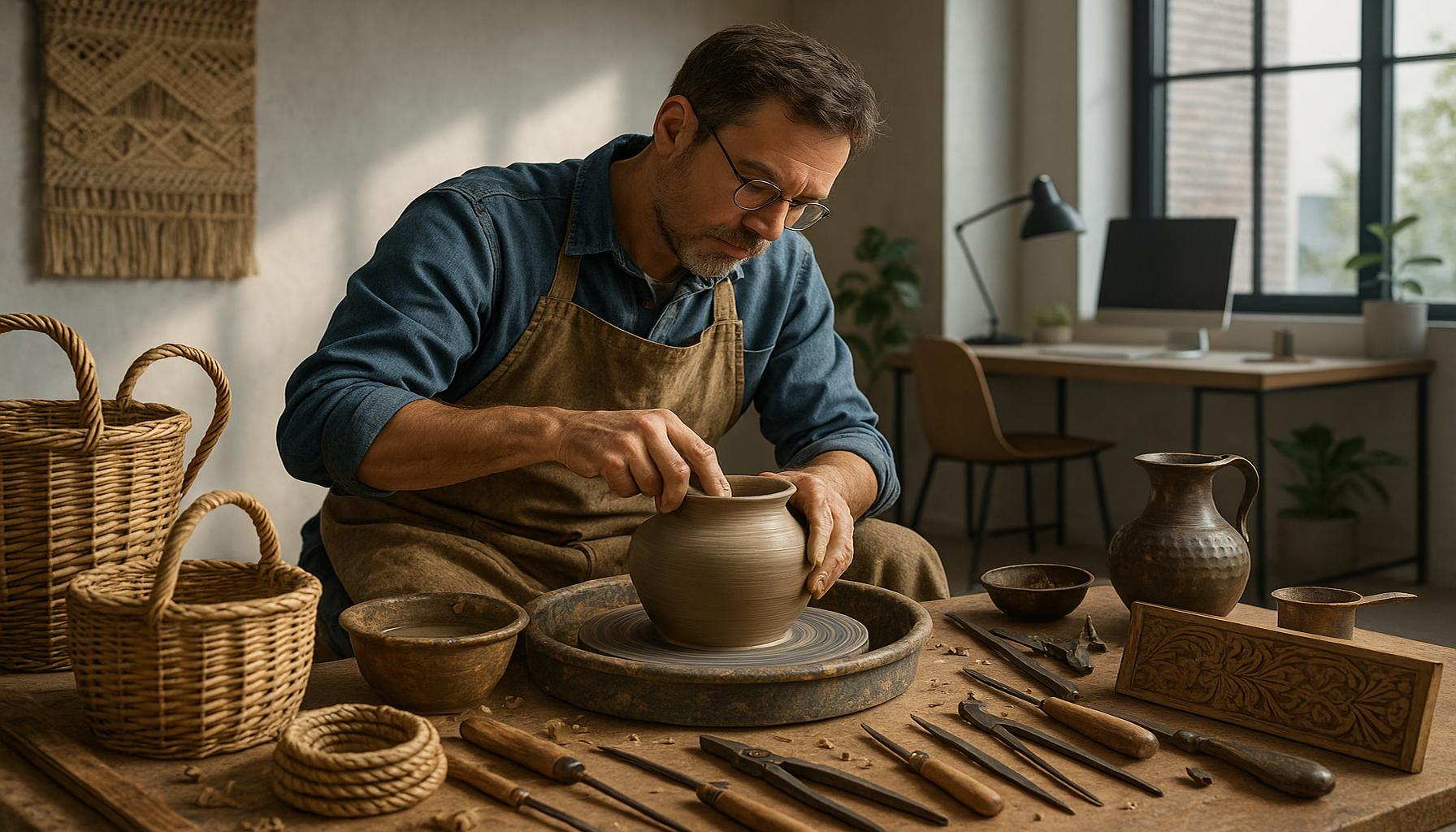
Craftsmanship has played an integral role in shaping human culture throughout history. It is anchored in the wisdom of our ancestors, reflecting both their needs and artistic aspirations. From the intricate designs of ancient pottery to the delicate weavings of textiles, various techniques of craftsmanship have evolved and enriched artistic expression across generations. In the contemporary landscape, we are witnessing an extraordinary revival, where these traditional crafts are not just preserved but also thoughtfully reimagined to resonate with today’s audience.
Modern Interpretations
Today’s artisans are breathing new life into time-honored methods by weaving in modern technologies and innovative aesthetics. This evolution results in creations that uphold the essence of tradition while appealing to modern sensibilities. Among the most notable trends reshaping the landscape of crafts are:
- Upcycling: This creative practice involves repurposing discarded materials into functional art pieces, thereby contributing to sustainability. For example, artists may transform old wooden pallets into beautiful furniture or use vintage fabrics to create striking quilts. This movement not only reduces waste but also champions the idea that beauty can be born from what was once considered useless or obsolete.
- Digital Crafting: Incorporating technology into traditional processes is breaking new ground in craftsmanship. Craftspeople are now utilizing software and machinery, such as 3D printers and laser cutters, to streamline complex creations. Imagine a potter designing intricate patterns through computer software, then producing them with a 3D printer, combining age-old techniques with cutting-edge technology.
- Community Workshops: These collaborative spaces invite individuals to gather and share their skills, fostering a sense of community. Workshops often cater to people of all skill levels, allowing newcomers to learn alongside seasoned artisans. Events such as Maker Faires in cities across the United States exemplify this trend, where crafters come together to showcase their talents and inspire others, enhancing the collective appreciation for craftsmanship.
The adaptations in the world of crafts not only mirror the evolving preferences of consumers who favor unique and sustainable products but also cultivate a deeper understanding and respect for the artistry involved in craftsmanship. As we delve into this journey, we can see how age-old techniques are not being lost to time; rather, they are adapting and transforming to retain their historical significance while embracing modern innovation.
As the landscape of craftsmanship continues to evolve, it offers endless opportunities for exploration, creativity, and community, inviting all to participate in this rich dialogue between the past and the present.
DIVE DEEPER: Click here to uncover the magic of flavors</a
Rediscovering Heritage Craftsmanship
As we navigate through the complexities of the modern world, a renewed interest in heritage craftsmanship is emerging. The connection to traditional skills has become a vital thread in the fabric of cultural identity and self-expression. Many artisans are not only preserving these techniques but are also integrating them into contemporary contexts to create items that are both functional and artful. This fusion of the old and new raises questions about the relevance of traditional crafts and highlights the significance of cultural storytelling through art.
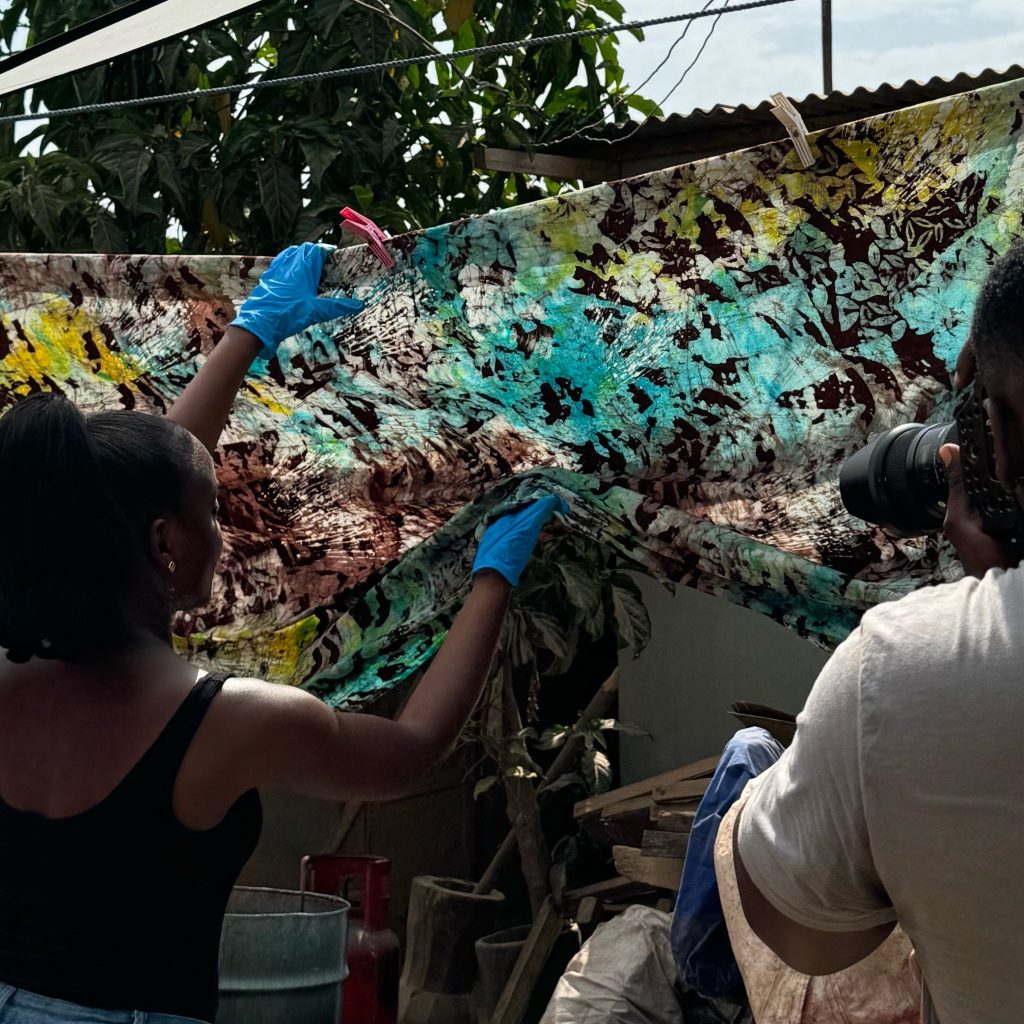
One noteworthy example of this revitalization is the resurgence of handmade pottery, practiced in various artisanal communities across the United States. Artisans are experimenting with glazes, shapes, and functionalities, turning everyday items such as mugs and plates into unique statement pieces. The popularity of handmade pottery highlights a growing consumer appreciation for the imperfections that often characterize artisanal works, as each piece carries its own narrative and is imbued with the creator’s personal touch.
Craft and Culture: A Symbiotic Relationship
The evolution of crafts is deeply intertwined with cultural movements, and this relationship is evident today as traditional techniques lend themselves to narrative-driven designs. Artists engage with their heritage and the stories behind their crafts, instilling these values into contemporary products. For example, in some Native American communities, traditional beadwork is being modernized by incorporating contemporary motifs or textiles while maintaining the essence of ancestral techniques. This convergence not only honors cultural traditions but also engages new generations who are eager to learn and contribute to the dialogue of heritage practices.
Moreover, the importance of storytelling manifests through the following avenues:
- Collaborative Projects: Many artisans are working together with local organizations to produce crafts that reflect the rich cultural diversity of their communities. This collaboration fosters an environment where traditional techniques can be used to create pieces that celebrate unity and shared history.
- Workshops and Classes: With an increase in interest for hands-on experiences, numerous craft workshops are popping up across the nation. These events not only teach traditional skills but also create a space for participants to connect with their own cultural narratives, deepening their appreciation for the crafts.
- Social Media Influence: Platforms such as Instagram and Pinterest have catalyzed the visibility of traditional crafts, enabling artisans to showcase their work on a global stage. This exposure has encouraged a new wave of interest, inspiring budding craftsmen and craftswomen to explore these age-old techniques.
In this age of rapid technological advancements, the dialogue surrounding craftsmanship is not simply about preservation; it’s about innovation and adaptation. As artisans marry historical methods with contemporary design and cultural relevance, the outcome opens up a world of possibilities for creativity that transcends generations. This symbiotic relationship between past and present is a testament to the resilience of traditional crafts and their ability to evolve while remaining rooted in cultural significance.
The Resurgence of Handcrafted Goods
In an era dominated by mass production, there is a notable resurgence of handcrafted goods. Consumers are increasingly seeking unique, personalized items that tell a story and reflect their identity. Traditional techniques, once at risk of fading into obscurity, are experiencing a renaissance as artisan makers embrace modern technology and social media platforms to showcase their craft. This fusion allows for the preservation of heritage skills while adapting to contemporary tastes.
Modern Tools Enhancing Traditional Techniques
Innovative tools and materials are revolutionizing traditional crafts. For instance, digital fabric printing and laser cutting have opened new avenues for textile artists, allowing them to experiment with design and material in ways that were previously unimaginable. These advancements help artisans maintain the essence of traditional techniques while appealing to a modern audience. The availability of online marketplaces has further democratized the craft world, giving artisans the ability to reach global customers, leading to a significant boost in demand for handcrafted products.
Cultural Significance and Sustainability
The evolution of crafts also highlights a growing awareness of culture and sustainability. As artisans incorporate local materials and age-old methods into their work, they contribute to the preservation of cultural heritage. Furthermore, there is a push towards sustainable practices, with many crafters focusing on using eco-friendly materials and processes. The blend of tradition and innovation not only fosters creativity but also encourages consumers to make more conscious choices, supporting local economies and the planet in the process.
| Category 1 | Category 2 |
|---|---|
| Handcrafted Goods | Unique, personalized items that reflect identity and story. |
| Sustainable Practices | Using eco-friendly materials and local sources for production. |
These trends not only enhance the aesthetic value of crafts but also create a strong connection between the artisan and the customer, making each piece a cherished item. The evolution of crafts thus embodies a journey where traditional techniques are not just preserved but are dynamically reimagined to thrive in the modern era.
DISCOVER MORE: Click here to uncover the magic of scrapbooking
Innovative Approaches to Crafting
As traditional crafts undergo a renaissance, new approaches and methodologies are emerging that combine age-old techniques with cutting-edge technology. This blend of tradition and modernity is not only reimagining crafts but also redefining how they are perceived and practiced in society. One striking example of this evolution is the rise of 3D printing in crafting, which enables artisans to push beyond physical limitations. By using 3D printing, craftsmen can create intricate designs that were once unimaginable with conventional techniques, allowing for a fusion of traditional aesthetics with innovative forms.
In addition to 3D printing, the integration of digital tools has empowered new generations of artists to explore their craft in novel ways. For instance, fabric designers now leverage software to create patterns that mimic traditional textiles, effectively bridging the gap between heritage and modern design. This shift not only preserves the essence of traditional crafts but also opens avenues for sustainable production methods, as many designers are now focusing on eco-friendly materials.
Crafting in Community: The Role of Makerspaces
The concept of makerspaces has gained traction across the United States, where individuals can come together to collaborate, create, and innovate. These shared workspaces often house tools and resources that facilitate the practice of various crafts, from woodworking to textiles. Makerspaces not only democratize access to crafting resources but also foster a culture of sharing knowledge. Participants can learn from each other, infusing traditional skills with contemporary techniques. Through workshops and community events, makerspaces serve as catalysts for creativity and experimentation.
The rise of makerspaces can also be seen in urban areas where arts districts are developing. For example, cities like Portland, Oregon, and Brooklyn, New York, have transformed warehouses into vibrant artistic hubs, where the spirit of collaboration thrives. These environments attract both amateur and professional artisans who are eager to learn from their peers and develop their own unique expressions of craft.
Consumer Demand for Authenticity
As the crafting landscape evolves, consumers play an increasingly important role in shaping its direction. A strong demand for authenticity has emerged, with buyers showing a clear preference for handmade items that signify craftsmanship over mass-produced goods. This trend is reflected in the staggering growth of platforms like Etsy, which has become a marketplace for artisans to sell their unique creations directly to consumers. This shift embodies a deeper societal yearning for connection and meaningful interactions, as each handmade item tells a story rooted in skill and artistry.
Furthermore, this consumer-driven movement encourages artisans to revisit and innovate upon ancient techniques. Artisans often source local materials that reflect the cultural and environmental heritage of their communities, allowing them to create items that resonate with local traditions and narratives. In regions such as the Appalachian Mountains, craftsmen are reviving traditional weaving techniques, employing materials like locally sourced wool to weave contemporary patterns that simultaneously celebrate their heritage and appeal to modern sensibilities.
As interest in crafts continues to evolve in tandem with technological advancements and consumer priorities, the possibilities for artisans are virtually limitless. The ongoing dialogue between past and present is not only enriching the craft community but also inviting a diverse audience to engage with and appreciate the nuanced stories behind each handcrafted piece.
DIVE DEEPER: Click here to discover the art of upcycling
Conclusion: A Harmonious Fusion of Old and New
The evolution of crafts in the modern era exemplifies a remarkable blend of traditional techniques and innovative practices that resonate with both artisans and consumers alike. As we have explored, the advent of 3D printing and digitization empowers craftspeople to stretch the boundaries of creativity, producing extraordinary pieces that honor past techniques while embracing contemporary aesthetics. The rise of community-centric makerspaces captures the essence of collaboration, enabling diverse voices to enrich the crafting landscape.
Moreover, the increasing consumer demand for authentic handmade items underscores a significant cultural shift towards valuing craftsmanship over mass production. This movement embodies a deeper connection to heritage, culture, and the environment, showcasing how artisans can effectively weave local narratives into their creations. As communities beat with the rhythm of revival, the painstakingly preserved traditions, whether through a loom in the Appalachian Mountains or innovative textile designs in urban workshops, reflect the essence of crafting as a living art.
In conclusion, the trajectory of craft continues to inspire new conversations about identity, sustainability, and creativity. As traditional techniques are reimagined, the craft community invites us to partake in this journey of exploration and innovation, revealing that every handcrafted piece carries with it a rich story of cultural legacy fused with contemporary relevance. For those intrigued by this dynamic evolution, the world of crafts awaits, offering endless possibilities to engage with artistry that transcends time.