The Effects of Stress on the Skin and Anti-Aging Strategies
Understanding the Link Between Stress and Skin Health
In today’s fast-paced world, stress has woven itself into the fabric of our lives. Balancing work, family responsibilities, and personal goals can sometimes feel overwhelming. The consequences of elevated stress levels are manifold, and one often overlooked aspect is its impact on our skin. As the body’s largest organ, the skin often reflects our internal health status; thus, understanding the effects of stress on the skin is essential not only for maintaining a youthful appearance but also for achieving overall skin vitality.
When the body undergoes stress, it releases cortisol, a hormone that can wreak havoc on our skin. For instance, increased cortisol levels lead to heightened oil production, which in turn can result in acne. This is especially concerning for individuals already struggling with blemishes, as stress may exacerbate their existing skin conditions. Furthermore, those with sensitive skin may experience aggravated eczema flare-ups during stressful periods, resulting in discomfort and visible irritation.
Another consequence of chronic stress is premature aging. When cortisol levels remain elevated, collagen production is compromised. Collagen is critical for maintaining skin elasticity and firmness; its depletion can lead to fine lines, wrinkles, and sagging skin. Alongside these changes, stress can provoke inflammation that worsens conditions such as rosacea and psoriasis, leaving the complexion looking dull, uneven, and tired. This cascading effect often has a ripple effect on one’s self-esteem and confidence.
Combating Stress-Related Skin Issues
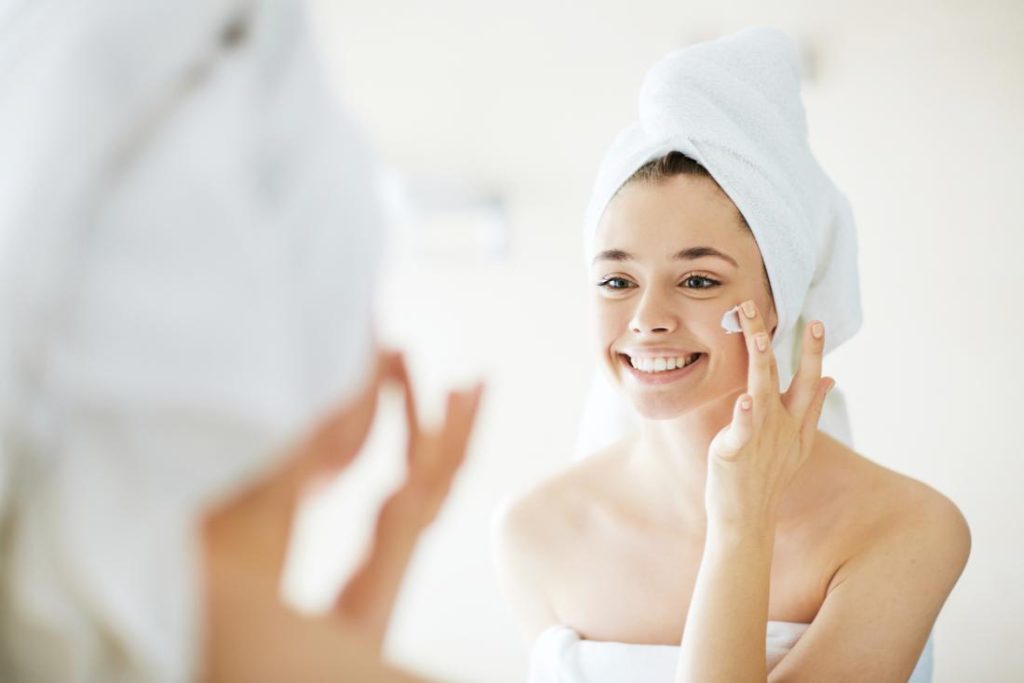
Fortunately, there are effective anti-aging strategies that individuals can adopt to mitigate stress’s negative impact on their skin. Implementing a tailored skincare routine can work wonders. For example, consider investing in products containing powerful antioxidants like vitamins C and E, which help neutralize free radicals and protect skin from environmental stressors. Additionally, incorporating hyaluronic acid and glycerin can boost hydration, enhancing skin’s overall appearance.
Moreover, embracing relaxation techniques can significantly influence stress levels. Practices such as yoga, meditation, or deep-breathing exercises are not merely fads; they have been scientifically proven to lower cortisol levels and promote mental well-being. Regular engagement in such practices can foster a serene environment within the body, allowing the skin to heal and rejuvenate.
Further, mindful attention to a healthy diet can also support skin vitality. Consuming a balanced diet rich in fruits, vegetables, whole grains, and healthy fats provides the necessary vitamins and minerals essential for skin health. For instance, omega-3 fatty acids found in fish like salmon or flaxseeds can help reduce inflammation, effectively calming the skin’s response to stress.
In conclusion, by recognizing the profound connection between stress and skin health, individuals can take proactive steps to protect their skin from the ravaging effects of daily pressures. Through a mix of tailored skincare products, stress-reducing practices, and a nutritious diet, achieving radiant, healthier skin amidst life’s challenges is indeed possible. Explore these strategies further to discover how to enhance your skin’s resilience and radiance, ultimately fostering a glow that reflects your inner vitality.
DISCOVER MORE: Click here to learn why sunscreen is essential even in winter
How Stress Impacts Skin Conditions
The relationship between stress and skin health is anything but superficial. When the body is under stress, it undergoes a series of physiological changes that can trigger various skin conditions. One of the primary culprits is the hormone cortisol, which is released in higher quantities during stressful situations. This hormone can lead to a range of skin issues that significantly affect not only appearance but also overall skin comfort.
For many individuals, the most visible effect of stress manifests as acne. Cortisol stimulates the sebaceous glands, leading to an increase in oil production. This excess oil, combined with dead skin cells and bacteria, clogs pores, resulting in breakouts. Stress-related acne can be particularly troubling for teenagers and adults alike. Knowing how to manage this aspect is essential not only for skin clarity but also for psychological well-being.
In addition to acne, stress can exacerbate existing skin conditions such as eczema and psoriasis. Individuals with eczema may notice an uptick in itchiness and redness during stressful times, while stress can cause flare-ups of psoriasis, leading to painful and unsightly skin patches. This heightened sensitivity can create a vicious cycle—stress leads to skin discomfort, which in turn exacerbates stress levels. Understanding how to break this cycle is vital for maintaining skin health.
Signs of Premature Aging Linked to Stress
The effects of stress on skin health extend beyond immediate conditions; they also contribute to the visible signs of premature aging. As cortisol levels linger, collagen production, which offers support and structure to the skin, diminishes. With declining collagen levels, individuals may find themselves contending with fine lines, wrinkles, and sagging skin much sooner than anticipated. Furthermore, this loss of elasticity can result in a tired and less vibrant appearance.
Stress-induced inflammation further complicates skin health. Chronic inflammation can lead to conditions like rosacea, characterized by facial redness and visible blood vessels. Beyond physical discomfort, these symptoms can take a toll on self-esteem—leaving individuals feeling self-conscious about their skin.
So, how can we combat these adverse effects of stress on our skin? Here are several strategies to consider:
- Hydration: Drinking an adequate amount of water can keep skin hydrated and bolster its resilience against stress-induced damage.
- Active Ingredients: Look for skincare products that contain retinoids, peptides, and antioxidants, known for their anti-aging properties and ability to improve skin texture.
- Consistent Sleep: Prioritize quality sleep, as it plays a crucial role in skin repair and regeneration.
Employing these strategies not only helps in minimizing the adverse effects of stress on the skin but also promotes a more youthful and vibrant complexion. Understanding the intricate effects of stress on skin health allows individuals to take proactive measures, fostering a harmonious relationship between emotional well-being and physical appearance.
The Effects of Stress on the Skin and Anti-Aging Strategies
Stress is a pervasive issue in modern society, and its impact on our skin can be profound. When we experience stress, our bodies release hormones like cortisol, which can lead to a variety of skin problems. For instance, increased cortisol levels can trigger oil production, potentially resulting in acne flare-ups. Additionally, stress can accelerate the aging process of the skin by decreasing collagen production, leading to a loss of elasticity and increasing the appearance of fine lines.
| Category | Impact |
|---|---|
| Cortisol Effects | Increased oiliness leading to acne outbreaks. |
| Reduced Collagen | Loss of firmness and elasticity, enhancing the appearance of wrinkles. |
Moreover, stress can also trigger inflammatory skin conditions such as eczema and psoriasis. The skin acts as a reflection of our mental state; when we are stressed, it can manifest in irritations and rashes. Anti-aging strategies become crucial in this context, as they help to counteract the effects of stress on skin vitality.
Incorporating mindfulness practices, such as meditation and yoga, can be beneficial in managing stress levels. These practices not only contribute to mental well-being but can also reflect positively on skin health. Additionally, regular exercise boosts circulation, delivering oxygen and nutrients to the skin, while also reducing stress hormones.
Another key strategy is to establish a skincare routine that focuses on hydration and nourishment. Products containing antioxidants, such as vitamin C, help combat oxidative stress and support skin repair. Furthermore, using broad-spectrum sunscreen can protect against UV damage, a crucial factor that exacerbates the visible effects of aging.
As we explore the intricate relationship between stress and skin health, it becomes evident that adopting anti-aging strategies focused on stress management is essential for maintaining a youthful and healthier complexion.
DISCOVER: Click here to learn more about how natural ingredients can combat skin aging
Effective Anti-Aging Strategies to Combat Stress Effects on Skin
Understanding the intricate relationship between stress and skin health provides an opportunity for individuals to adopt effective anti-aging strategies. The implementation of a comprehensive skincare routine can significantly mitigate the negative impacts of stress on the skin. Here are several additional strategies to consider that can enhance skin resilience and support overall vitality.
- Mindfulness and Stress Reduction Techniques: Incorporating practices such as mindfulness, meditation, or yoga can significantly reduce stress levels, thereby improving skin health. Studies have shown that engaging in mindfulness practices can decrease cortisol levels and lead to an overall calming effect, which is beneficial for skin repair and rejuvenation.
- Balanced Nutrition: A diet rich in antioxidants, vitamins, and essential fatty acids is foundational for maintaining youthful skin. Consider incorporating foods like berries, leafy greens, and fatty fish into your daily meals. These food sources help combat oxidative stress and inflammation, supporting a radiant complexion.
- Regular Exercise: Physical activity not only helps in managing stress but also improves circulation, which is essential for a healthy glow. Exercise humbles cortisol levels and stimulates the production of endorphins, enhancing your mental well-being. Aim for at least 150 minutes of moderate aerobic activity per week, which has both physical and psychological benefits.
- Professional Treatments: Consider professional skincare treatments such as chemical peels, microneedling, or laser therapy. These treatments can stimulate collagen production and improve skin texture, counteracting the effects of stress and aging.
Moreover, it’s important to remain mindful of topical products that can further exacerbate skin conditions related to stress. Ingredients like alcohol and harsh exfoliants may strip the skin’s natural barrier, leading to increased sensitivity. Instead, opt for products with soothing components like ceramides, hyaluronic acid, and aloe vera, which can enhance hydration and restore the skin’s barrier function.
Tracking Progress through Skincare Journals
Another powerful tool in managing stress-related skin issues is the use of a skincare journal. Tracking daily skin reactions to stressors, diet, and product efficacy can not only provide valuable insights but also lead to better-informed decisions about your skincare routine. By recording changes over time, individuals may identify specific triggers that worsen skin conditions and adopt strategies to mitigate them effectively.
Additionally, regular consultations with a dermatologist can bolster your anti-aging strategy. A professional can offer personalized solutions tailored to your skin type, addressing both aesthetic concerns and underlying stress-related skin issues. The expertise of a dermatologist is invaluable in navigating the appropriate treatments and products that align with your unique skin needs.
Finally, maintaining a comprehensive approach that integrates emotional wellness along with skincare routines signifies a worthwhile investment in your skin’s long-term health. Understanding and addressing the effects of stress on skin conditions empowers individuals to take charge of their skin’s future, promoting not only a youthful appearance but also overall well-being.
DIVE DEEPER: Click here to discover sustainable sun protection options
Conclusion
The profound connection between stress and skin health underscores the importance of a holistic approach to anti-aging strategies. As stress continues to be a pervasive challenge in today’s fast-paced society, recognizing its adverse effects on the skin can empower individuals to take proactive steps in preserving their youthful appearance and overall well-being. By integrating mindfulness practices, nutritious diets, and regular exercise, individuals can not only combat the aging process but also foster a healthier complexion that radiates vitality.
Moreover, the incorporation of professional skincare treatments alongside the careful selection of topical products can enhance the skin’s resilience against stress-related damage. Tools such as the skincare journal can provide valuable insights, helping individuals track their skin’s reactions and refine their routines over time. In partnership with skincare professionals, personalized strategies can be devised to address specific needs and concerns related to stress.
Ultimately, embracing a comprehensive approach that merges emotional wellness with skincare routines is essential for long-term skin health. By understanding the multifaceted effects of stress and implementing targeted anti-aging strategies, individuals can not only reclaim their skin’s youthful radiance but also foster a greater sense of overall vitality and balance. As you navigate this journey, remember that every small step contributes to a larger goal of achieving lasting beauty from within.