
The Effects of Dehydration on the Skin: How to Recognize and Treat the Signs of Dry Skin

Dehydration: A Hidden Threat to Skin Health
The skin, being the largest organ of the human body, acts as a protective barrier but also reveals underlying health issues. One prevalent issue that many face is skin dryness, a condition that not only affects aesthetics but also impacts the skin’s fundamental functions. The consequences of dehydration extend beyond surface appearances to influence overall well-being, making it crucial to recognize the signs, understand the underlying causes, and address the issue effectively.
The symptoms of dehydrated skin can manifest in various forms, including:
- Flakiness: This is characterized by dry, scaly patches, often seen around the elbows, knees, and face. Flaky skin can be a clear indication that the upper layers are deprived of essential moisture.
- Itchiness: This condition can provoke persistent scratching, which not only exacerbates the dryness but may also lead to skin infections if the protective barrier is compromised.
- Redness: Inflammation may develop due to a lack of hydration, especially in sensitive areas such as the cheeks and around the eyes, often leading to discomfort and increased sensitivity.
Moreover, dehydrated skin can appear dull and lifeless, which can erode self-confidence and lead to neglect in skin care routines. This lack of vitality might create a vicious cycle, where individuals feel discouraged about their skin’s appearance and consequently invest less time in their skincare, further worsening the condition.
Understanding the Causes of Dehydrated Skin
Dehydration can stem from various sources, including environmental factors such as low humidity, excessive exposure to sun, and cold winter air. Lifestyle choices, such as not drinking enough water, consuming excessive caffeine or alcohol, and neglecting a balanced diet, can also exacerbate dryness. Moreover, certain skin care products, particularly those containing harsh chemicals, can strip the skin of its natural oils, promoting rapid moisture loss.
Effective Treatments for Dehydrated Skin
Addressing dry skin requires a multifaceted approach. Here are some effective treatment strategies:
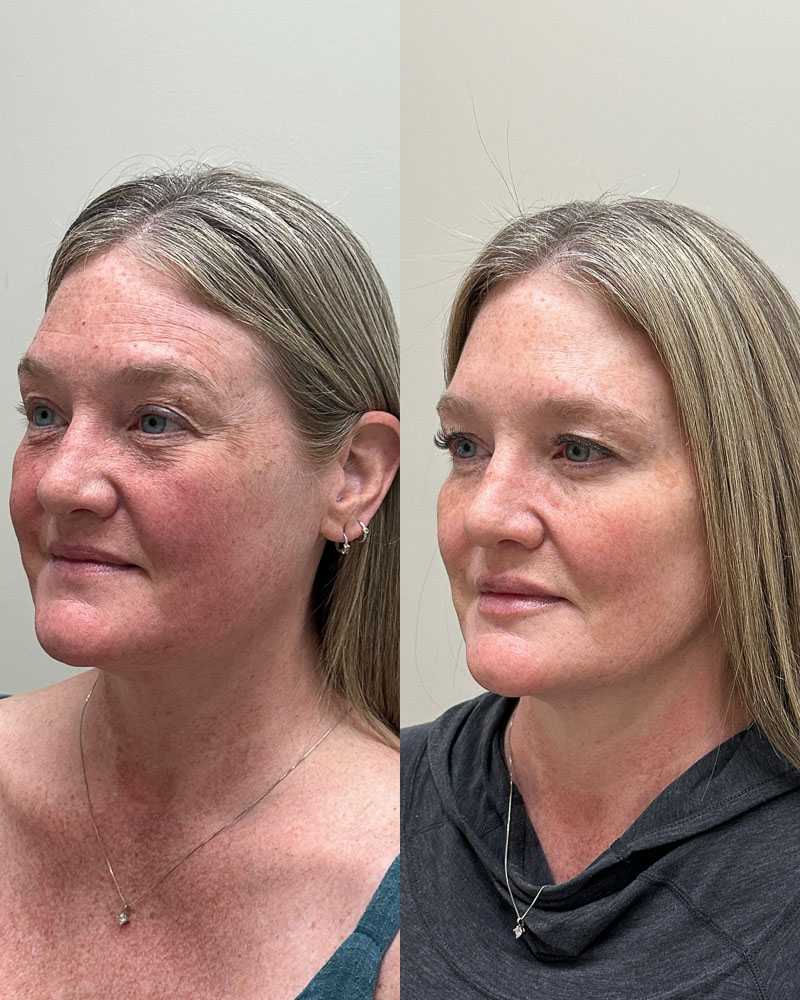
- Hydrating Products: Look for serums and creams that feature ingredients like hyaluronic acid, glycerin, or botanical oils, which can draw moisture into the skin. For example, those with evening primrose oil can provide soothing relief and enhance the skin barrier.
- Increased Water Intake: Hydration starts from the inside. Aim to drink at least eight 8-ounce glasses of water per day. Foods high in water content, such as cucumbers, oranges, and strawberries, can also contribute to overall fluid intake.
- Humidifiers: These devices can significantly improve skin hydration, particularly during winter months when indoor air tends to be dry. Placing a humidifier in your bedroom can help retain moisture in the air, counteracting the effects of heated spaces.
As we delve deeper into the impacts of dehydration on skin, it becomes evident that awareness and proactive measures can pave the way for healthier, more radiant skin. By recognizing the signs and implementing the right treatment strategies, one can combat the adverse effects of dehydration, ensuring that the skin remains a glowing reflection of one’s overall health.
LEARN MORE: Click here to discover the impact of sleep on your skin
Understanding the Causes of Dehydrated Skin
Dehydration is often an insidious condition, quietly creeping in and robbing your skin of its natural luster and moisture balance. Identifying the root causes is essential to combat this issue effectively. Environmental factors play a significant role; for instance, living in areas with low humidity or experiencing harsh winter climates can lead to moisture loss in the skin. Air conditioning and indoor heating also contribute to drying out the air we breathe, which subsequently affects our skin.
Moreover, lifestyle choices cannot be overlooked. Many individuals in the United States often find themselves falling short on daily hydration. The common recommendation is about eight 8-ounce glasses of water a day, but many fail to meet this target. Excessive consumption of caffeinated beverages and alcohol can further dehydrate the body, leading to visible signs of dryness on the skin. A diet lacking in essential fatty acids and hydration-packed fruits and vegetables contributes significantly to this dilemma.
Another often-ignored factor is the use of certain skincare products. While striving for a radiant complexion, many resort to harsh cleansers and toners that strip the skin of its natural oils. This can lead to an imbalanced moisture barrier, exacerbating the effects of dehydration. Ingredients such as alcohol and synthetic fragrances can be particularly damaging, leaving the skin feeling tight and uneven.
Recognizing the Symptoms
Recognizing the symptoms of dehydrated skin early can make a substantial difference in how quickly and effectively one can treat the condition. These symptoms may present in both subtle and pronounced forms, which include:
- Flaky Skin: This often manifests as visible dry patches, typically around the nose, forehead, and other areas commonly exposed to the elements.
- Increased Sensitivity: Individuals may notice that their skin becomes easily irritated or reactive, which can exacerbate dryness.
- Fine Lines and Wrinkles: A lack of hydration can accentuate the appearance of fine lines, particularly in areas lacking moisture, like the under-eye region.
- Tightness: Many experience a sensation of tightness, particularly after cleansing their face, which signifies that their skin’s moisture levels are critically low.
Understanding these symptoms is vital, as they serve as warning signs that should not be ignored. When the skin lacks hydration, its ability to defend against environmental irritants diminishes, leading to a cascade of potential issues. By recognizing and understanding the causes and symptoms of dehydrated skin, one can take vital steps toward reversing the damage and restoring skin health.
Effective Treatments for Dehydrated Skin
When it comes to treating dehydrated skin, a comprehensive approach is essential. Continuing with effective strategies, combining topical solutions and lifestyle changes can enhance hydration significantly.
The Symptoms and Signs of Dehydrated Skin
Dehydrated skin can manifest in various ways, often leaving individuals unaware of the underlying issue. Recognizing these signs early is crucial in addressing the problem effectively. Common symptoms include:
- Flakiness: Skin may appear rough and uneven due to the lack of moisture, leading to visible dry patches.
- Itchiness: Discomfort from itchiness can be frequent, prompting scratching, which further irritates the skin.
- Tightness: A feeling of tightness, especially after washing, indicates moisture loss.
- Increased Sensitivity: Dehydrated skin can become more susceptible to irritants and environmental stressors, resulting in redness or inflammation.
Identifying and Treating Dehydrated Skin
To combat the effects of dehydration, a multi-faceted approach is essential:
- Hydration: Consuming adequate water daily is vital. Aim for at least eight glasses, depending on your activity level and climate conditions.
- Moisturizing: An effective moisturizer with hyaluronic acid or glycerin can trap moisture in the skin, helping to restore hydration.
- Gentle Cleansing: Use mild cleansers that do not strip the skin of its natural oils. Avoid harsh soaps that can worsen dryness.
- Humidifiers: Utilize humidifiers in dry indoor environments to increase moisture levels in the air, which can significantly benefit skin health.
Preventive Measures for Dry Skin
Maintaining skin hydration goes beyond treatment. To prevent the signs of dehydration:
- Limit Hot Showers: Hot water can deplete skin moisture; opt for lukewarm showers instead.
- Nutrition: Incorporate omega-3 fatty acids found in fish and nuts to help improve skin barrier function.
- Sun Protection: Use sunscreen daily to prevent environmental damage and maintain skin integrity.
Being proactive about your skin’s hydration will enhance its resilience, keeping it healthy and radiant.
| Symptoms of Dehydration | Treatment Methods |
|---|---|
| Flakiness and dryness | Hydrating creams with nourishing ingredients |
| Itchiness and irritation | Soothing ingredients like aloe vera and chamomile |
| Tightness after cleansing | Gentle, hydrating cleansers |
DON’T MISS: Click here to learn more about choosing the right makeup
Effective Treatments for Dehydrated Skin
When it comes to treating dehydrated skin, a comprehensive approach is essential. Effective treatments combine topical solutions and lifestyle changes that can significantly enhance hydration levels. Recognizing that prevention is often more effective than treatment, there are a plethora of strategies you can adopt to ensure your skin remains optimally hydrated.
Firstly, hydration through water intake must be prioritized. While the traditional recommendation is eight 8-ounce glasses daily, it’s essential to adjust this guideline to fit individual needs based on factors like activity level, climate, and overall health. Keeping a reusable water bottle handy can serve as a constant reminder to drink more water throughout the day, particularly if you lead a busy lifestyle.
Moreover, incorporating foods rich in omega-3 fatty acids and antioxidants is a powerful way to combat dehydration. Nuts, flaxseeds, fatty fish like salmon, and avocados can help support your skin’s natural barrier, locking in moisture. Fruits and vegetables with high water content, such as cucumbers, watermelons, and oranges, not only hydrate your body but also provide essential vitamins that contribute to overall skin health.
Topically, consider investing in moisturizers that contain hydrating ingredients. Look for products infused with hyaluronic acid, glycerin, or ceramides, as these components are renowned for their moisture-retaining properties. Hyaluronic acid, in particular, can hold up to 1,000 times its weight in water, making it a potent ally against dry skin. Using a rich moisturizer immediately after bathing can help seal in moisture while creating a barrier that protects your skin from harsh environmental factors.
Furthermore, be mindful of your cleansing routine. Opt for gentle, hydrating cleansers that do not strip away the skin’s natural oils. Pairing a hydrating cleanser with a nourishing toner can help restore moisture levels post-cleansing. Avoid products laden with alcohol, fragrances, and harsh exfoliants, as these can aggravate dryness and sensitivity.
In addition to topical treatments, consider the benefits of humidifiers. Investing in a quality humidifier for your home can enrich the air with moisture, particularly during cold months or in overly dry climates. This simple addition can make an incredible difference in alleviating dehydrated skin, especially while you sleep.
Lastly, be wary of excessive sun exposure, which can deplete your skin’s moisture levels. Using a broad-spectrum sunscreen with at least SPF 30 daily is crucial to protecting your skin from harmful UV rays while keeping it hydrated.
By adopting these multifaceted strategies to treat dehydrated skin, not only can you restore its natural glow, but you can also shield it from future moisture loss. As awareness around the effects of dehydration on skin continues to grow, an informed approach can empower you to maintain optimal skin health and combat dryness effectively.
DIVE DEEPER: Click here to discover more
Conclusion
With the increasing prevalence of dehydrated skin concerns, understanding the effects of dehydration on the skin and how to effectively respond is crucial for maintaining a healthy complexion. Dry skin can be more than mere discomfort; it often signifies deeper issues that require attention. By recognizing the signs early—such as flakiness, tightness, and dullness—you empower yourself to take proactive measures.
The benefits of proper hydration extend beyond the skin’s surface. A well-hydrated body supports not just skin health but also overall vitality. By focusing on consistent water intake, nourishing your body with omega-3-rich foods, and utilizing top-quality moisturizers, you can help your skin retain essential moisture and build resilience against depletion. Furthermore, adjusting your skincare routine to include gentle cleansers and environmental aids like humidifiers can play a significant role in combatting dryness.
As you integrate these strategies into your daily life, remember that prevention always trumps treatment. The skin’s condition reflects your overall health, making it vital to prioritize hydration as part of your wellness journey. Should you notice persistent dryness or irritation, consulting a dermatologist is advisable for tailored advice and treatment. This holistic approach will not only enhance your skin’s appearance but also promote a lifelong commitment to hydration and self-care.
In conclusion, taking informed steps towards recognizing and treating dehydrated skin can pave the way for a radiant, healthy glow. Embracing an understanding of these principles allows you to effectively tackle the challenges dryness presents, leaving your skin replenished and revitalized.