The Cultural Influence on Art: How Various Traditions and Histories Shape Contemporary Artistic Practices
The Transformative Nature of Art
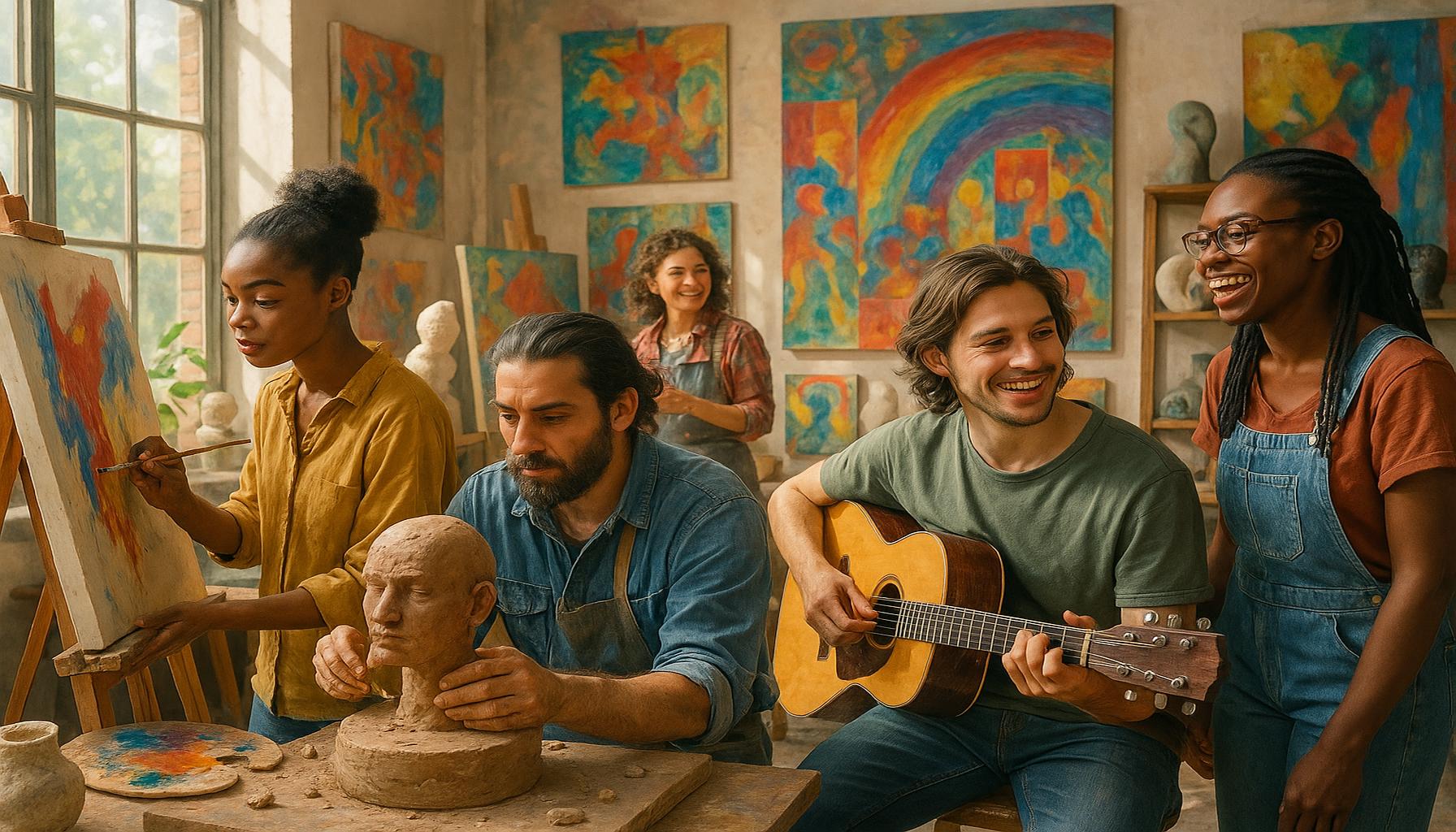
Art captivates audiences and transcends boundaries, embodying the complex interplay of human experience throughout history. From paintings to music, the realm of artistic expression serves as a profound reflection of the diverse cultures, beliefs, and events that shape our contemporary world. When we unpack the layers of artistic practice, we discover an intricate web of influences that reveals much about both the artists and the societies they inhabit.
Key Factors Shaping Contemporary Art
- Historical Events: Throughout history, significant events such as wars, revolutions, and social movements have profoundly impacted artistic expression. For example, the aftermath of the Vietnam War gave rise to anti-war art, evident in the works of artists like Robert Rauschenberg, who employed a collage technique reflecting societal disillusionment. Similarly, the civil rights movement in the United States inspired numerous artists to address themes of race and justice, with figures like Jacob Lawrence using visual narratives to depict the African American experience.
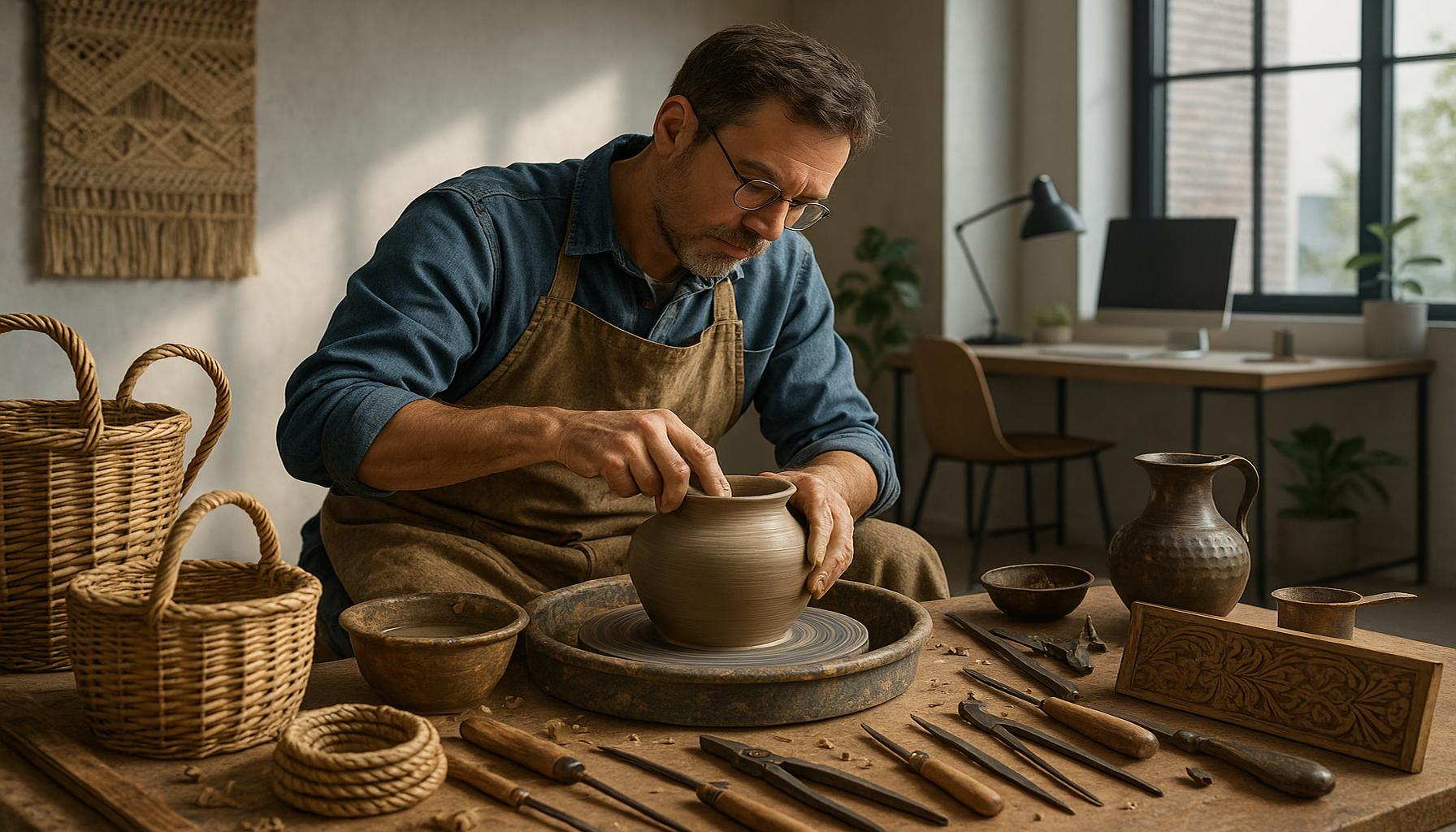
- Tradition and Ritual: Many cultures seamlessly blend traditional artistic practices with contemporary techniques, creating a vibrant dialogue that spans generations. In Native American communities, traditional crafts and storytelling often coexist with modern forms, allowing artists to convey their history and identity while engaging new audiences. Artists like T.C. Cannon juxtapose native imagery with contemporary themes, creating powerful statements about cultural resilience.
- Globalization: The increasing interconnectedness of societies has fostered cultural exchange that greatly influences new artistic styles. In urban settings across the United States, street art and graffiti often take inspiration from global movements. The rise of artists like Banksy has pushed the boundaries of what street art can communicate, melding local contexts with universal themes that resonate across social divides.
As we delve deeper into this subject, it is essential to consider how the myriad of diverse traditions from various regions contribute to the modern artistic landscape. In the United States, the fusion of indigenous art forms with immigrant influences creates an eclectic artistic scene that reflects the nation’s complex identity. Whether through the intricate beadwork of Native American artisans or the vibrant murals of urban Latino neighborhoods, these influences create a rich tapestry that enhances the cultural dialogue.
Why This Matters
Understanding the cultural influences on art is crucial not just for appreciating the art itself, but also for gaining insights into the societies that produce it. By examining these dynamics, audiences engage in a broader narrative that enhances their appreciation and critique of art. This exploration invites both artists and viewers to reflect on their own identities within a global context, encouraging discussions that transcend borders and foster mutual understanding.
As we navigate through an increasingly globalized art world, recognizing these influences prepares us for a more profound engagement with the art we encounter. Whether viewed in a gallery or on the streets, each piece tells a story—one that is woven from the cultural threads of our time. By continuing to explore these narratives, we not only enrich our own perspectives but also contribute to a shared cultural legacy.
DIVE DEEPER: Click here to discover the transformative power of art
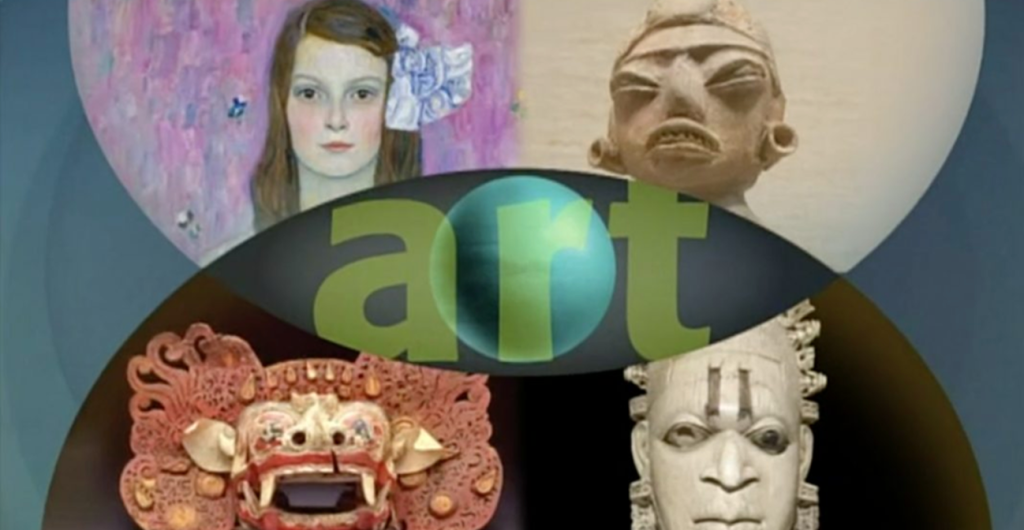
Exploring Cultural Tapestries in Contemporary Art
The world of contemporary art is a dynamic reflection of various cultural influences, which often emerge from deep-rooted traditions and unique histories. As artists navigate their creative paths, they continually draw upon the rich tapestry of their heritage, blending it with new experiences and ideas. This fusion not only enriches their work but also serves as a testament to the intricate cultural narratives that shape artistic expressions today. To understand this phenomenon, we must analyze several key cultural elements that play a critical role in influencing modern artistic practices.
Cultural Heritage and Identity
At the heart of many artists’ work lies a deep connection to their cultural heritage, which informs their approach to representation and themes. For instance, African American artists like Kehinde Wiley utilize traditional portraiture to challenge historical norms and reclaim space within the art world. By integrating elements of African culture with contemporary techniques, Wiley’s portraits create a dialogue that addresses identity, race, and representation. Similarly, artists of Latinx descent, such as Frida Kahlo, express their complex experiences through vibrant visual narratives that traverse personal and collective themes.
Regional Influences and Local Narratives
The diverse regional influences found across the United States contribute significantly to the country’s contemporary art scene. Artists often reflect local narratives in their works, showcasing the unique characteristics of their environments. The West Coast has become synonymous with its vibrant street art culture, driven by influences from not only the local community but also global artistic trends. Cities like San Francisco and Los Angeles boast murals that tell stories of immigration, social justice, and resilience, while capturing the multicultural essence of their neighborhoods.
- Street Art: The rebellious nature of street art speaks volumes about societal issues, allowing artists to voice their opinions on political landscapes. Works by artists like Shepard Fairey, who created the iconic “Hope” poster for Barack Obama’s 2008 campaign, reveal the impact social movements have had on art and how these movements resonate within the larger narrative of American identity.
- Regional Folk Art: Folk art traditions from various regions highlight local customs and practices, showcasing the unique artistic expressions birthed from community engagement. For example, traditional folk art from the southern United States often incorporates quilting, pottery, and painting, which tell stories of cultural heritage and regional pride.
- Indigenous Art: Indigenous artists across the nation actively work to preserve and revitalize their cultures through their art. Their practices not only honor ancestral techniques but also challenge contemporary narratives, allowing for a deeper understanding of their histories and contributions to the artistic landscape.
These cultural dimensions underline the vast complexity of modern artistic practices. As contemporary artists constantly draw from their surroundings and experiences, they create works that resonate both locally and globally. This synthesis of heritage and innovation urges audiences to engage with art on a deeper level, fostering an evocative interplay between culture, history, and the ever-evolving realm of artistic expression.
The Role of Globalization in Artistic Exchange
Globalization plays a pivotal role in how contemporary art forms evolve and adapt, fostering a rich tapestry of cultural influences that accelerate artistic innovation. The increasing interconnectedness of societies allows for a fluid exchange of ideas, techniques, and historical narratives. Art practitioners today often draw inspiration from diverse cultural backgrounds, enriching their creative workflows with techniques and symbols that transcend geographical boundaries. For instance, the resurgence of Indigenous art forms has found a remarkable platform in mainstream contemporary art, as artists from Australia, North America, and other regions leverage their ancestral narratives to comment on modern societal issues. This collision of traditional and contemporary perspectives offers not just aesthetic value but also sparks dialogue about identity, colonial history, and the resilience of cultures.Moreover, digital platforms have given artists the ability to showcase their work to a global audience, facilitating cultural exchange that was not possible in previous eras. Social media allows traditional practices to reach new audiences, prompting discussions about appropriation versus appreciation, as artists reinterpret traditional methodologies within contemporary contexts.
Impact of Intersectional Identities on Artistic Practices
The emergence of intersectional identities has also transformed contemporary artistic practices. In an age where gender, race, and class dynamics are explored through art, practices that intertwine multiple cultural narratives bring forth a nuanced understanding of human experience. Artists like Yayoi Kusama, Ai Weiwei, and Kehinde Wiley utilize their unique cultural heritages to challenge norms and provoke critical discourse regarding representation and inclusivity.By weaving together these various threads of experience and identity, artists not only celebrate cultural plurality but also address the complexities of globalization’s influence on individual narratives. The impact of these intersecting identities is profound, enabling dialogue that acknowledges histories while envisioning a more inclusive future for art.Ultimately, the influences of historical narratives and cultural traditions run deep within the veins of contemporary art, illustrating how artists continue to explore these themes in innovative ways, crafting art that mirrors society’s ongoing evolution. This dynamic interplay not only enriches the visual landscape but also nurtures a shared understanding of our collective cultural identity.
DIVE DEEPER: Click here to learn more about the role of social media in art promotion</
Intersections of Globalization and Cultural Exchange
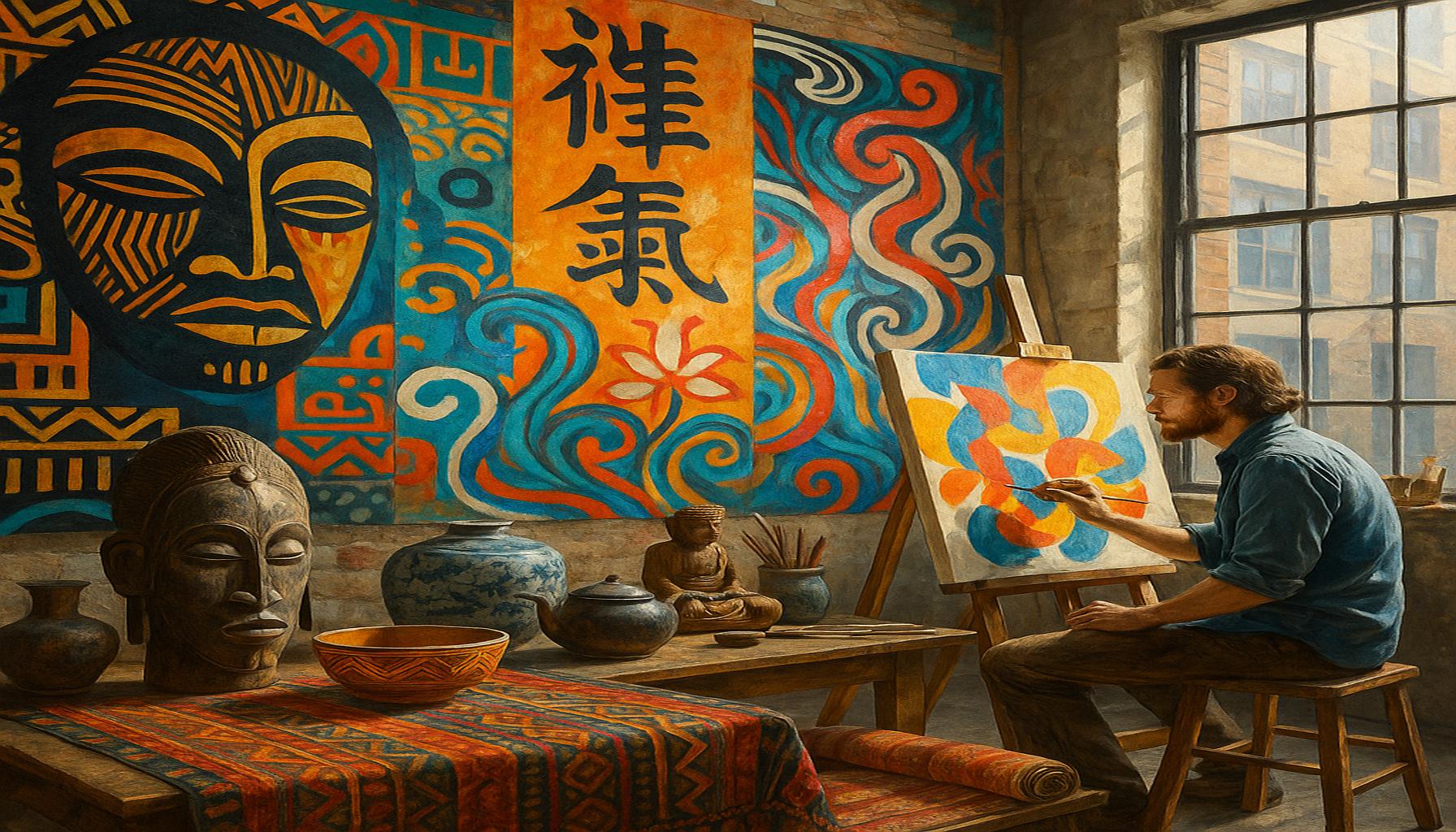
As the world becomes increasingly interconnected, the globalization of art plays a pivotal role in shaping contemporary artistic practices. This phenomenon not only facilitates the exchange of ideas and techniques but also raises important questions about authenticity, appropriation, and representation. Contemporary artists often find themselves at the crossroads of multiple cultural influences, leading to innovative artistic expressions that reflect a blend of traditions and styles.
The Role of Technology in Cultural Exchange
Technology has profoundly intertwined with the art world, enabling faster and more widespread dissemination of cultural ideas. Emerging platforms such as social media allow artists to connect with a global audience, transcending geographical boundaries. For example, platforms like Instagram and Pinterest have become vital tools for artists to showcase their work and engage with communities worldwide. This accessibility has democratized the art scene, fostering a multi-faceted dialogue among diverse cultural backgrounds.
Cultural Appropriation vs. Cultural Appreciation
While the globalization of art presents opportunities for learning and collaboration, it also ignites debates surrounding cultural appropriation. Critics argue that the adoption of elements from marginalized cultures by dominant groups can lead to misrepresentation and commodification. This issue is especially pronounced in the fashion and music industries, where traditional motifs, attire, and sounds are often co-opted without proper context or respect. Artists must navigate these complexities, recognizing the fine line between appreciation and appropriation in their creative endeavors. A notable example is the work of Yayoi Kusama, who draws on her experiences in Japanese culture and integrates her vivid patterns into contemporary art, all while maintaining a sense of authenticity and respect for her roots.
Eclectic Artistic Collaborations
Contemporary art increasingly flourishes through collaborative projects that reflect the merging of diverse cultural perspectives. Joint exhibitions and interdisciplinary artworks emphasize collective narratives and challenge traditional notions of authorship and ownership. For instance, the collaborative efforts of artists like Ishmael Randall Weeks and his exploration of Black culture respond to historical and contemporary discourse, emphasizing the impact of cultural heritage on collaboration.
- Cross-Disciplinary Projects: Artists are increasingly crossing disciplinary boundaries, engaging with community activists, scientists, and technologists to create works that address societal issues. This cross-pollination of ideas enriches the dialogue surrounding cultural influences and highlights the importance of diverse perspectives in artistic creation.
- Public Art Initiatives: Streets, parks, and public spaces have become canvases for artists to engage with local communities, translating cultural histories into visual narratives. Projects like the Chicago Mural Movement not only celebrate community voices but also promote conversations regarding social justice, displacement, and identity.
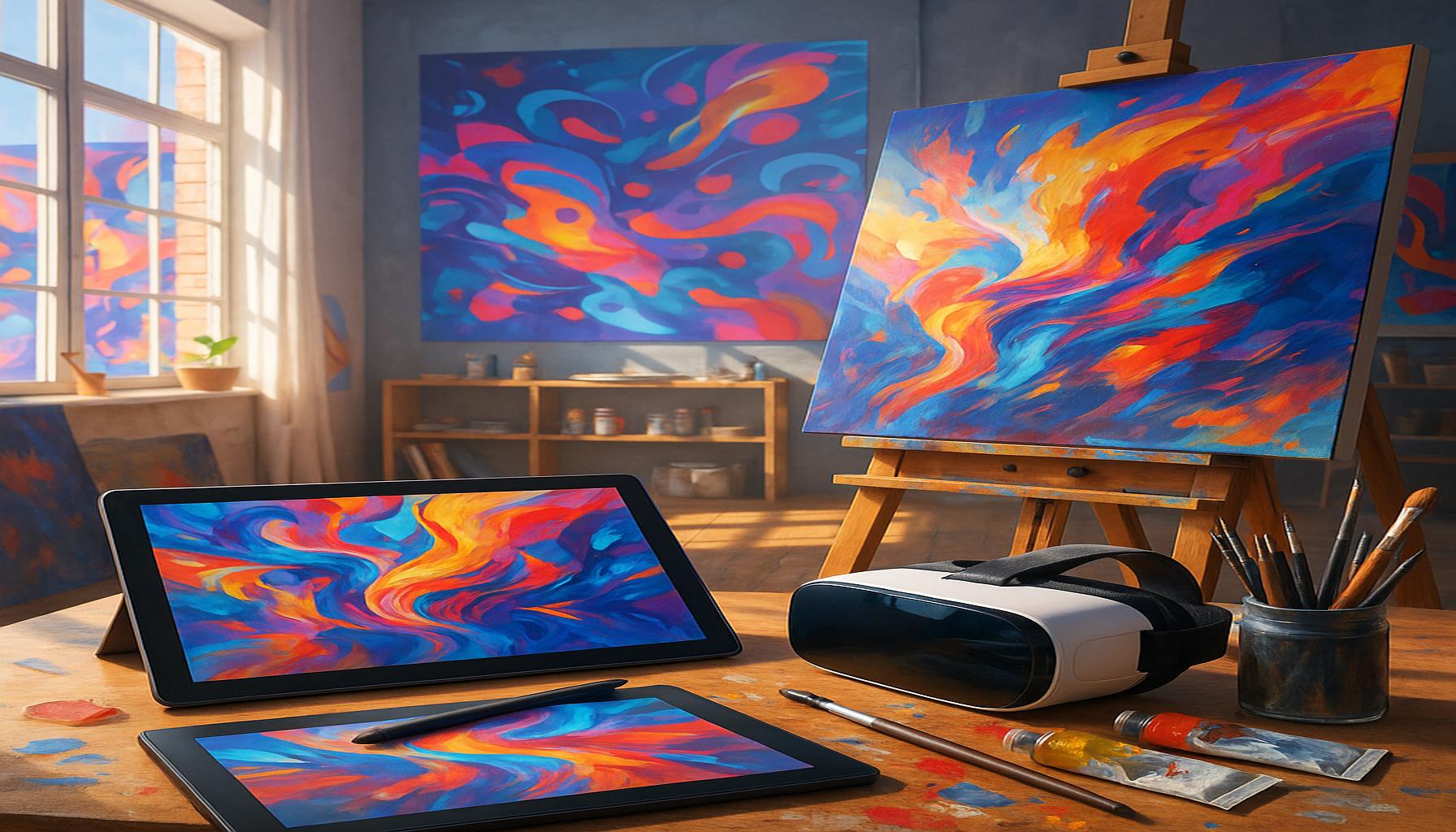
- Virtual Collaborations: As the art world adapts to digital spaces, artists are exploring virtual reality and digital installations as new mediums for expressing cultural stories. These innovative platforms have the potential to redefine how cultural narratives are shared, allowing for immersive experiences that resonate with diverse audiences.
The interplay between globalization and local cultural influences continues to shape contemporary artistry, leading to an ever-evolving landscape rich in diversity and dialogue. As artists navigate these complexities, they contribute to a broader conversation about identity, representation, and the role of art in reflecting and challenging societal norms. This ongoing cultural exchange not only enriches the art world but also encourages audiences to reassess their understanding of art and its implications in a globally connected society.
DISCOVER MORE: Click here to learn about the role of social media in artistic promotion</
Conclusion: Navigating the Tapestry of Culture in Contemporary Art
In conclusion, the landscape of contemporary art is undoubtedly a vibrant tapestry woven from various cultural threads. As artists draw inspiration from their cultural backgrounds and histories, they craft unique narratives that challenge, reflect, and celebrate the myriad experiences of humanity. From the influence of globalization and the accessibility offered by technology to the critical dialogue surrounding cultural appropriation and appreciation, today’s art scene illustrates a complex interplay of traditions and innovations.
The rise of collaborative practices showcases how artists are increasingly uniting across boundaries to confront societal issues and create work that speaks to collective identities. Initiatives such as public art movements illuminate the power of art to foster dialogue around community values and social justice, while virtual collaborations redefine how cultural stories are shared and experienced. As these cultural influences merge, they push artists to navigate a delicate balance, ensuring that their work honors the traditions from which they draw, while engaging with a global audience.
Ultimately, understanding the cultural influence on art is crucial for both creators and audiences alike. It not only enriches our appreciation for diverse artistic practices but also prompts critical questions about representation, ownership, and authenticity in a world where cultural intermingling is the norm. As we continue to explore the evolving dynamics of art, we embrace opportunities for connection, empathy, and understanding—reminding us that art, at its core, is a reflection of the shared human experience.