The Art of Upcycling: How to Transform Old Furniture into Unique Pieces
Discover the Magic of Upcycling
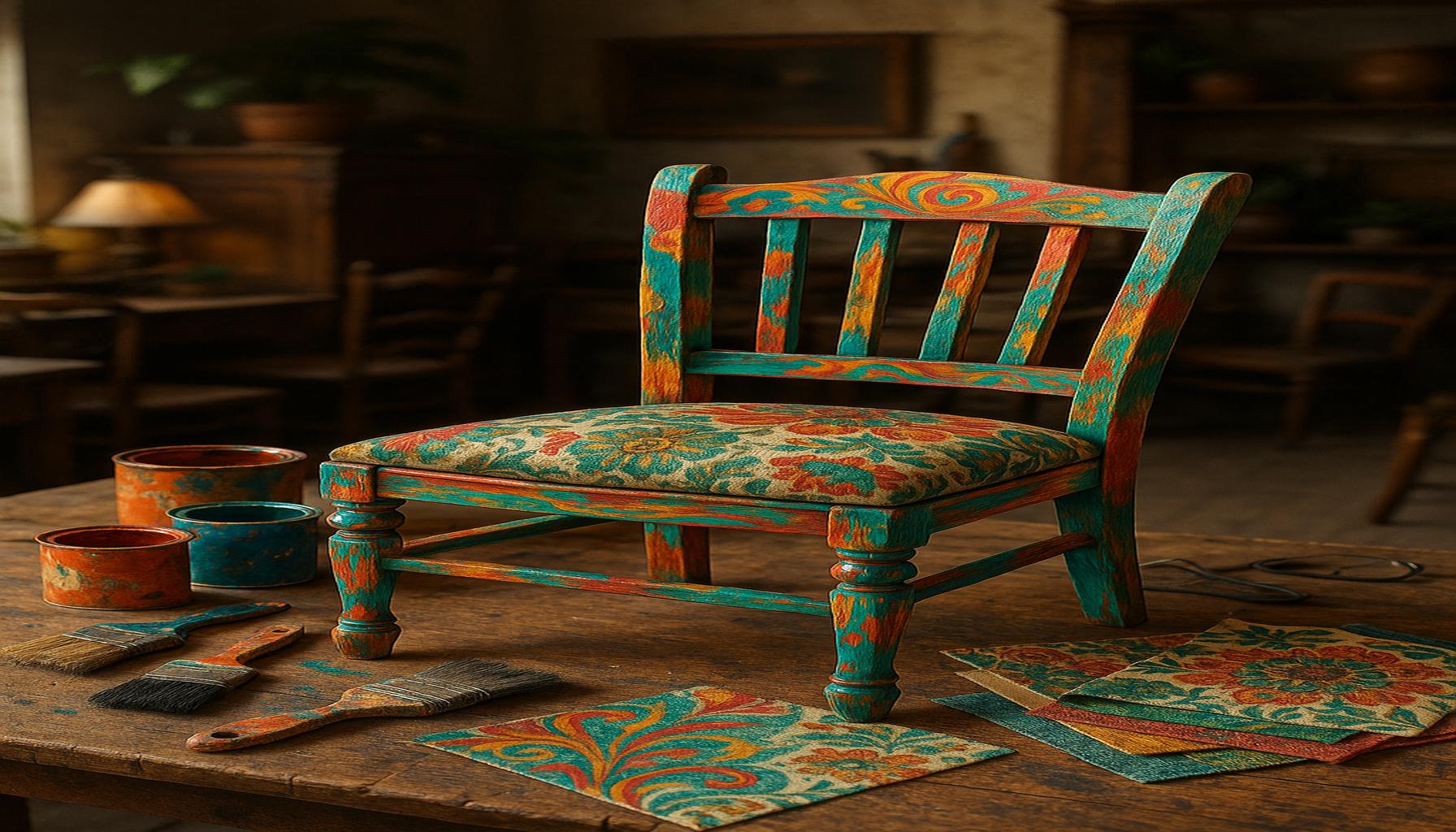
In a world increasingly focused on sustainability, upcycling has emerged as a captivating trend. This creative practice allows individuals to breathe new life into old furniture, turning forgotten pieces into stunning, functional art. Embracing upcycling not only reduces waste but also offers an opportunity to express personal style.
Why Upcycling? The Benefits
- Environmental Impact: Upcycling helps reduce landfill waste and conserves resources. According to estimates from the EPA, over 292 million tons of waste is generated annually in the U.S., with a considerable amount attributed to discarded furniture. By minimizing this waste, upcycling contributes to a healthier planet, as it lessens the demand for new materials and the energy-intensive processes associated with manufacturing.
- Cost-Effective: Refreshing old furniture is often cheaper than buying new. Vintage items can sometimes be acquired at thrift stores or garage sales for a mere fraction of their original price. For example, a solid wood table found at a flea market can be transformed with a bit of sanding and a new coat of paint, saving you hundreds of dollars compared to purchasing a similar product at retail prices.
- Unique Creations: Each project leads to one-of-a-kind decor that reflects your personality. In a world filled with mass-produced items, upcycling allows for a personal touch. For instance, a pair of mismatched chairs can be painted in complementary colors to create an eclectic dining set that tells a story about your taste and creativity.
From transforming a vintage dresser into a chic TV stand to converting an old ladder into an eye-catching bookshelf, the possibilities are truly endless. Upcycling encourages creativity and resourcefulness, making it perfect for DIY enthusiasts and first-timers alike. Individuals can explore diverse aesthetics, such as rustic farmhouse styles or sleek contemporary looks, all within the comfort of their own homes. With just a few tools and a touch of imagination, anyone can take part in this inspiring movement.
Getting Started
Wondering how to begin your upcycling journey? Here’s what you need:
- Basic Tools: Sandpaper, paintbrushes, and a reliable adhesive are essential for most upcycling projects. Depending on the specific item you choose to revamp, you may also need additional tools—such as a drill for making new holes or screws, or a saw for resizing pieces to fit your vision.
- Creative Vision: Inspiration can come from anywhere, be it Pinterest, local shops, or even nature. Social media platforms teem with tutorials and innovations that spark ideas. By following upcycling blogs or YouTube channels, you can gain insights from others on their processes, potential pitfalls, and ultimate successes.
- Time and Patience: Don’t rush; transforming furniture can be a rewarding process. The best pieces often require multiple steps—including gathering materials, designing a layout, and executing your project. It’s worthwhile to remember that the journey is as important as the outcome, honing both your skills and your aesthetic sensibility.
Join the upcycling revolution and discover how you can turn tired old furniture into cherished pieces for your home. This trend not only elevates personal style but also fosters a greater appreciation for sustainability. Your journey into the art of upcycling awaits!
DISCOVER MORE: Click here to uncover the magic of flavors</
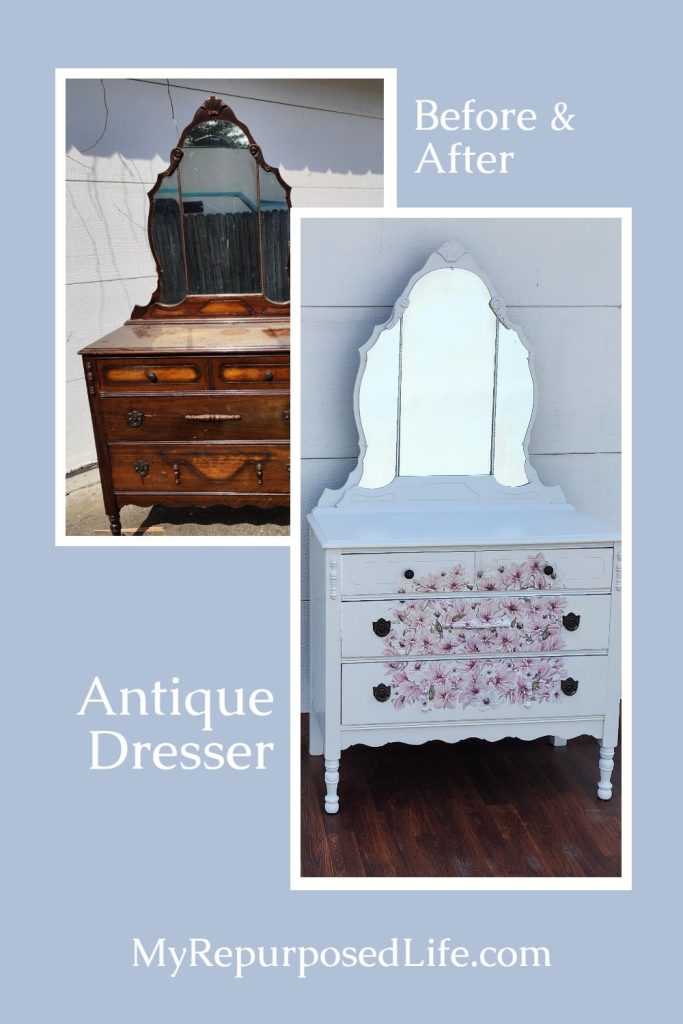
Transform Your Space: The Upcycling Process
Upcycling old furniture is not just about giving an item a fresh coat of paint; it’s a creative journey with diverse pathways. This process typically involves a few fundamental steps, each crucial in ensuring the final piece is not only visually appealing but also highly functional. Whether you’re a seasoned DIYer or just beginning to dabble in crafting, understanding these steps can set the foundation for a successful transformation.
Assessing Your Furniture
The first step in your upcycling adventure is to evaluate the piece you intend to transform. Look for furniture that possesses structural integrity but might be visually unappealing. A vintage dresser with minor scratches can be spruced up into a modern piece with strategic refinishing. Consider the following factors:
- Condition: Check for any damage like loose joints, broken legs, or signs of rot. Minor repairs can be made with basic tools, but severe damage could lead to complications.
- Material: Identify the type of wood or material used. Solid wood pieces are generally ideal for upcycling due to their durability and ease of refinishing. On the other hand, pieces made from particleboard may not hold paint as well and can be more challenging to modify.
- Style: Prioritize furniture that reflects a style you’re interested in. A mid-century modern table, for instance, can be rejuvenated with a minimalist approach, while a Victorian desk may shine with a more ornate finish.
Planning Your Design
After assessing your furniture, the next step is to envision its new life. Developing a thoughtful design is essential, as it will guide your project from beginning to end. Here are a few pointers to help shape your creative concept:
- Research Ideas: Platforms such as Pinterest and Instagram are treasure troves of inspiration. Exploring various designs can motivate your creativity and help you pinpoint a specific aesthetic.
- Color Scheme: Choose colors that harmonize with your existing decor. Consider trends like bold hues or pastel shades to make the furniture stand out as a centerpiece in any room.
- Functional Changes: Think about how to not only beautify the piece but also enhance its functionality. Could a coffee table double as storage with the addition of hidden compartments? Keep such practical upgrades in mind as you sketch your design.
These steps in the upcycling process will guide you in forging a path from an overlooked item waiting for a makeover into a cherished piece in your home. By embracing the creative aspects of upcycling, you can engage not only in an aesthetic upgrade but also in a meaningful commitment to sustainability, weaving your personal narrative of craft and care into each transformed treasure.
| Advantage | Details |
|---|---|
| Sustainability | Reducing waste and repurposing old items minimizes environmental impact. |
| Customization | Allows homeowners to create one-of-a-kind furniture that reflects their personal style. |
| Cost-effective | Transforming old furniture can be less expensive than buying new, while enhancing home decor. |
| Skill Development | Engaging in upcycling projects can lead to new skills in crafting and design. |
Exploring the art of upcycling is not merely about giving furniture a second chance; it’s an opportunity to innovate and personalize within your living space. Each piece you transform retains a story and adds distinctive character to your home environment. Additionally, embracing upcycling contributes to the growing movement towards eco-consciousness. By breathing new life into old furniture, you are making a statement against consumerism and encouraging sustainable practices, all while discovering your own creative potential. Whether through painting, refinishing, or reupholstering, the possibilities are endless. Stay tuned as we delve deeper into techniques and inspiring examples to unleash your creativity!
DISCOVER MORE: Click here to elevate your culinary presentation
Crafting and Executing Your Vision
Once you’ve assessed your piece and laid out your design plan, the exciting phase of crafting in earnest begins. Upcycling is as much about the process as the end product, allowing you to dive into hands-on experiences and learn valuable skills along the way. Below are essential steps that can guide you through bringing your creative vision to life.
Gathering Your Tools and Materials
The success of your upcycling project largely hinges on the right tools and materials. A basic toolkit can go a long way in aiding your transformation journey. Here’s a list of common tools and supplies you might need:
- Sanding Tools: Sandpaper, power sander, or sanding blocks to smooth surfaces before painting or refinishing.
- Paint or Stain: Choose high-quality paints, stains, or finishes that align with your design vision. Chalk paint and milk paint are particularly popular for their ease of use and unique matte finishes.
- Brushes and Rollers: A variety of brushes for different application styles, alongside rollers for larger surfaces.
- Fabric and Upholstery Supplies: If your project involves reupholstering, gather fabrics, foam, and staples. Look for eco-friendly or repurposed textiles to maintain sustainability.
- Optional Hardware: New knobs, handles, or hinges can give a fresh look to an old cabinet or dresser, making them shine with a contemporary touch.
Executing Your Transformation
Having gathered your tools, it’s now time to begin the actual transformation. Every upcycling project has its unique methods, but several core techniques are frequently employed:
- Cleaning: Start by thoroughly cleaning the furniture to remove dirt, grease, or old finishes. A simple mixture of warm water and vinegar can work wonders without harsh chemicals.
- Surface Preparation: Sand down surfaces to remove old paint or finishes and to create a smooth base for painting. If you’re working with wood, ensure you clean off any dust from sanding.
- Painting or Staining: Apply your chosen paint or stain. Be patient and follow the manufacturer’s guidelines regarding drying times and the number of coats required for optimal coverage.
- Upholstering: If upholstery is part of your design, carefully remove the old fabric and replace it with your chosen material. Be sure to use a heavy-duty staple gun for lasting results.
- Adding Accessories: Once the main structure is complete and dry, consider taking the extra step by adding decorative elements or functional upgrades, such as stenciling, decoupage, or incorporating new hardware.
Finishing Touches and Personalization
The finishing touches can make all the difference in the world when it comes to your upcycled piece. This is your opportunity to inject personality and uniqueness into the item:
- Protective Finishes: Applying a clear topcoat or sealant can safeguard your new furniture against scratches and wear, ensuring longevity.
- Personalized Décor: Consider adding personal decorations that reflect your style, such as hand-painted designs, personal photographs, or quotes that resonate with you.
- Location and Styling: Once completed, think about where your newly transformed piece will live. Arrange it thoughtfully within your space to maximize its visual impact and function.
Through crafting and executing your plans with care, you’re not just creating a custom piece of furniture, but also sharing a narrative of sustainability and creativity that can be cherished and admired. Each upcycled item tells a story, becoming a conversation starter in your home while promoting a mindful approach to consumption and style.
DIVE DEEPER: Click here to discover mindfulness techniques through handicraft
Conclusion: Embrace the Journey of Upcycling
In a world increasingly focused on sustainability and individuality, upcycling provides a creative outlet that aligns perfectly with these values. By transforming old furniture into unique pieces, not only are you giving new life to items that may otherwise end up in landfills, but you are also crafting a personal narrative that reflects your style and sensibilities. This journey extends beyond mere aesthetics; it’s about developing a sustainable mindset and embracing the art of resourcefulness.
The process of upcycling allows you to discover new skills, explore your creative potential, and engage with the items in your home in a meaningful way. Each layer of paint, choice of fabric, and personal touch creates a story that turns functional furniture into conversation starters. Moreover, as awareness of environmental concerns continues to grow, participating in upcycling can promote a broader cultural shift toward conscious consumption.
As you embark on your own upcycling projects, remember that the beauty lies not only in the finished piece but in the experiential journey along the way. With every transformation, you have the opportunity to reimagine the old and create something truly new. So gather your tools, unleash your creativity, and let the art of upcycling help you design a home that is uniquely yours, filled with both personality and purpose.