The Art of Narrative: Structures and Styles that Enchant the Reader
The Craft of Storytelling
Narrative is more than just a sequence of events; it is a crafted experience that captivates readers and evokes emotions. By delving into the fundamental elements of storytelling, writers can weave intricate tapestries that resonate deeply with audiences. Understanding the nuances of narrative art not only enhances the reading experience but also ensures that stories leave a lasting impact on those who encounter them. Whether through novels, screenplays, or even short stories, the way tales are told can transform them from mere words on a page into compelling adventures.
Consider the following essential elements that enhance the art of storytelling:
- Character Development: Multi-dimensional characters draw readers in and allow them to invest emotionally. A well-developed character, like Elizabeth Bennet in Jane Austen’s “Pride and Prejudice,” evolves as the story unfolds, enabling readers to empathize with her struggles and triumphs. This deep connection is vital for sustaining reader interest.
- Plot Structure: Classic frameworks, such as the three-act structure, guide the narrative flow and build suspense. By establishing a clear beginning, middle, and end, writers can create tension and resolution that keep readers turning pages. Works like “The Hunger Games” by Suzanne Collins illustrate how this structure can propel the plot while concurrently enhancing character arcs.
- Setting: Vivid descriptions of surroundings create immersive worlds that enhance the reader’s experience. Think of the intricate landscapes of J.R.R. Tolkien’s Middle-earth, where every hill and forest adds layers to the narrative, reinforcing themes and character motivations.
Writers can also experiment with diverse styles to further engage their audience. For instance:
- First-Person Perspective: This style provides intimacy and a personal connection with the narrator. Works like “The Catcher in the Rye” allow readers to experience the protagonist’s emotions and thoughts directly, forging a deeper bond with the character.
- Stream of Consciousness: This technique reflects the inner thoughts of characters, immersing readers in their psyche. Virginia Woolf’s “Mrs. Dalloway” exemplifies this, as it traverses the characters’ thoughts while blurring the lines of time and consciousness.
- Non-linear Storytelling: This approach challenges conventional timelines, adding complexity and intrigue. Movies like “Pulp Fiction” directed by Quentin Tarantino utilize this method effectively, creating suspense and inviting viewers to piece together the narrative puzzle.
As writers navigate through these structures and styles, they craft compelling narratives that not only entertain but also provoke thought and reflection. The journey of understanding the art of narrative invites exploration into how stories can enchant and inspire. Whether through the simple act of sharing tales around a campfire or the intricate crafting of a screenplay, the potential for storytelling to connect and resonate is boundless. Join us as we delve deeper into the elements that make narratives resonate with audiences across generations!
DIVE DEEPER: Click here to explore digital art and design tools
Embracing Character Development
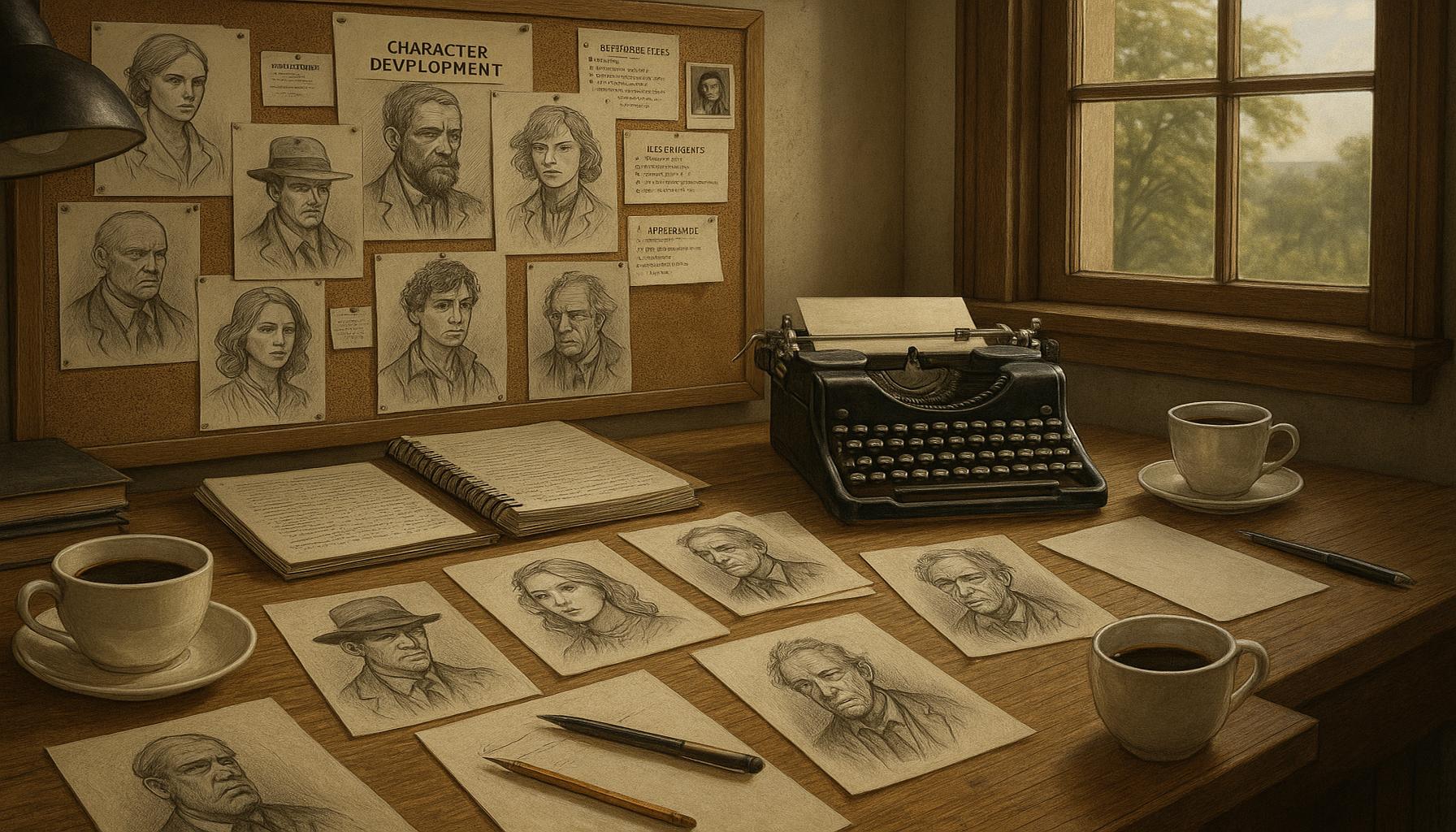
At the heart of every captivating narrative lies character development. Characters are not merely vessels through which the story unfolds; they are the essence of the narrative that breathes life into the plot. Through their triumphs and tribulations, readers find reflections of their own lives, making emotional engagement imperative. Multi-dimensional characters possess distinctive traits and complexities that resonate with audiences. Iconic figures like Holden Caulfield from “The Catcher in the Rye” or Katniss Everdeen from “The Hunger Games” allow readers to explore their own vulnerabilities and ideals.
A crucial aspect of effective character development is arc progression. This refers to the transformation characters undergo throughout the story. A failure to evolve can lead to static narratives, where character interactions feel unrealistic and unrelatable. Think of Michael Corleone in Mario Puzo’s “The Godfather” series; his metamorphosis from reluctant participant to a notorious mob boss creates a fascinating and believable character journey. But how do writers achieve this depth?
- Backstory: Providing a character with a rich background helps scaffold their decisions and motivations. This history builds context for readers, enabling them to empathize with the character’s behavior. A well-integrated backstory can lead to profound plot reveals and enhance the narrative’s emotional weight.
- Conflict: Internal and external conflicts challenge characters to grow. By facing adversity, they exhibit resilience and adaptability. The trials that characters experience allow readers to witness their evolution in real-time, whether through achieving goals or experiencing failures.
- Relationships: The dynamics between characters often serve as catalysts for change. Interactions with friends, foes, and allies can reveal different facets of a person’s identity. The complexity of these relationships adds further richness to their character arcs and encourages readers to invest in their journeys.
Navigating Plot Structures
The plot structure serves as the framework upon which a narrative is built. Classic structures like the three-act narrative provide a blueprint that guides writers in crafting a cohesive story. This model typically comprises an introduction, a rising action filled with conflict, a climax where tension peaks, followed by a falling action and resolution. By employing this structure, authors can maintain clarity while maximizing emotional impact.
Additionally, understanding the subtleties of plot devices can enhance storytelling. Techniques such as foreshadowing, where hints of future events are sprinkled throughout the narrative, can create anticipation and depth. For instance, in John Steinbeck’s “Of Mice and Men,” early references to dreams of independence create a poignant contrast to the characters’ ultimate fate. The use of red herrings can mislead audiences, increasing the thrill. Well-executed plot twists not only surprise but also invite readers to revisit the narrative with a fresh perspective.
As readers immerse themselves in the carefully crafted worlds of characters, they are also drawn into the intricate dance of plot structures and styles. This symbiotic relationship between character evolution and plot progression creates tales that resonate, teaching us that the art of narrative is a vibrant interplay of heart and craft.
| Narrative Techniques | Impact on Readers |
|---|---|
| Foreshadowing | Creates suspense and prepares readers for future events, enhancing engagement. |
| Point of View | Shapes the reader’s perception, allowing them to experience the story through different lenses. |
| Symbolism | Adds deeper meaning and layers to the narrative, inviting readers to explore themes more profoundly. |
In exploring The Art of Narrative, it is essential to recognize how various narrative techniques function to captivate the audience. Take foreshadowing, for instance. This device skillfully plants hints throughout the story, generating suspense that keeps readers on the edge of their seats. This can lead to a richer reading experience as they anticipate future developments.Similarly, the point of view adopted by a narrator can fundamentally alter a narrative’s impact. When readers immerse themselves in a character’s perspective, they develop empathy and a deeper connection to the storyline. Whether through first-person intimacy or an omniscient detachment, point of view remains a powerful tool in shaping narrative experience.Furthermore, symbolism enriches storytelling by infusing everyday objects or emotions with deeper significance. Authors often weave symbols into their narratives to encourage readers to engage in the interpretation of themes and messages. Such literary devices not only enchant the reader but also invoke critical thinking, leading to a much more enriching literary encounter. With these techniques at play, the structures of narrative become not just a means to tell a story, but a canvas for creativity and engagement that enchants the reader.
DISCOVER MORE: Click here to elevate your presentation skills
Weaving Themes and Motifs
The tapestry of narrative is further enriched through the careful consideration of themes and motifs. Themes—the underlying messages or central ideas of a story—act as the philosophical compass driving the narrative. A poignant theme resonates universally, connecting readers to the story on a deeper level. For instance, Harper Lee’s “To Kill a Mockingbird” eloquently explores themes of race, injustice, and moral growth, which remain relevant today. These thematic currents invite readers to ponder profound questions about humanity and societal norms.
Alongside themes, motifs—recurring symbols or elements—add layers of meaning and cohesion to the narrative. Such elements serve to reinforce themes, guiding readers through complex emotional landscapes. In F. Scott Fitzgerald’s “The Great Gatsby,” the recurring motif of the green light embodies Gatsby’s elusive dreams and the disillusionment of the American Dream. The interplay of themes and motifs leads to an enriched reading experience, prompting readers to reflect on the significance of each narrative detail.
Utilizing Narrative Styles
The narrative style employed also significantly influences how the story is perceived and absorbed. Writers can choose between first-person, second-person, or third-person perspectives, each providing unique insights into character experiences and emotional depth. For instance, firsthand accounts, such as in “The Fault in Our Stars” by John Green, allow readers to engage intimately with the characters’ inner thoughts and emotions. This personal touch often fosters empathy and connection, making the narrative more impactful.
Additionally, the choice between a linear or non-linear narrative structure can transform a story’s dynamics. A traditional linear format follows a straightforward chronology, while non-linear narratives, as seen in movies like “Pulp Fiction,” can challenge readers to piece together events in a more fragmented manner. This style demands active engagement and often enhances suspense, as readers are compelled to retrace the steps of characters and explore the implications behind each scene. Non-linear storytelling can add an element of surprise, encouraging readers to think critically and form personal interpretations.
Experimenting with Language and Dialogue
The craft of language plays an indispensable role in shaping the reader’s journey through the narrative. Authors often employ imagery, metaphors, and similes to construct vivid scenes and evoke emotions. Consider the evocative language in Ray Bradbury’s “Fahrenheit 451,” where descriptive prose paints a dystopian landscape starkly contrasting to the characters’ internal struggles. Such rich descriptive techniques bring worlds to life, deeply immersing readers in the story.
Moreover, the use of dialogue serves as a powerful tool in character development and plot advancement. Authentic and relatable dialogue can bring characters to life, allowing readers to hear their voices and recognize their personalities. In J.D. Salinger’s “The Catcher in the Rye,” the protagonist’s distinctive voice resonates through his authentic speech patterns, inviting readers to connect with his worldview. Well-crafted dialogue creates tension, conveys subtext, and showcases interpersonal dynamics, enriching the overall narrative experience.
As writers navigate the realms of themes, styles, and language, they weave together intricate narratives that captivate and enchant. This multifaceted exploration serves to deepen the reader’s connection to the material, making the art of narrative a constantly evolving and immensely rewarding endeavor.
DIVE DEEPER: Click here to discover how cooking can boost creativity and teamwork!
Conclusion
In the exploration of narrative art, we uncover the intricate mechanics that craft stories into compelling experiences. The structures and styles discussed above—ranging from thematic depth to innovative dialogue—underscore the profound effect these elements have on reader engagement. Writers, whether seasoned or emerging, must continuously experiment within these dimensions to captivate diverse audiences. The ongoing evolution of narrative technique shows that storytelling is not merely a method of communication; it is an art form constantly evolving, reflecting the complexities of human experience.
As we delve deeper into literature, the questions raised by thematic resonance, the emotional impact of varied narrative styles, and the potency of language become avenues for personal reflection and critical inquiry. Literary masterpieces such as “The Great Gatsby” or “To Kill a Mockingbird” exemplify how these components interact to provoke thought, inspire change, and challenge societal norms. Therefore, as readers and writers, we should embrace the responsibility of recognizing and fostering narratives that resonate on multiple levels, as they hold the potential to shape cultural dialogues and influence generations to come.
Ultimately, engaging with the art of narrative invites us to understand not only the stories being told but also the intricate structures that elevate them, encouraging a richer appreciation of literature. By investigating further into these elements and their effects, we can better appreciate the universal connections that stories cultivate across varied backgrounds and experiences.