
Sustainable Cuisine: Creating Delights with Local and Seasonal Ingredients
Understanding the Shift Towards Sustainable Cuisine
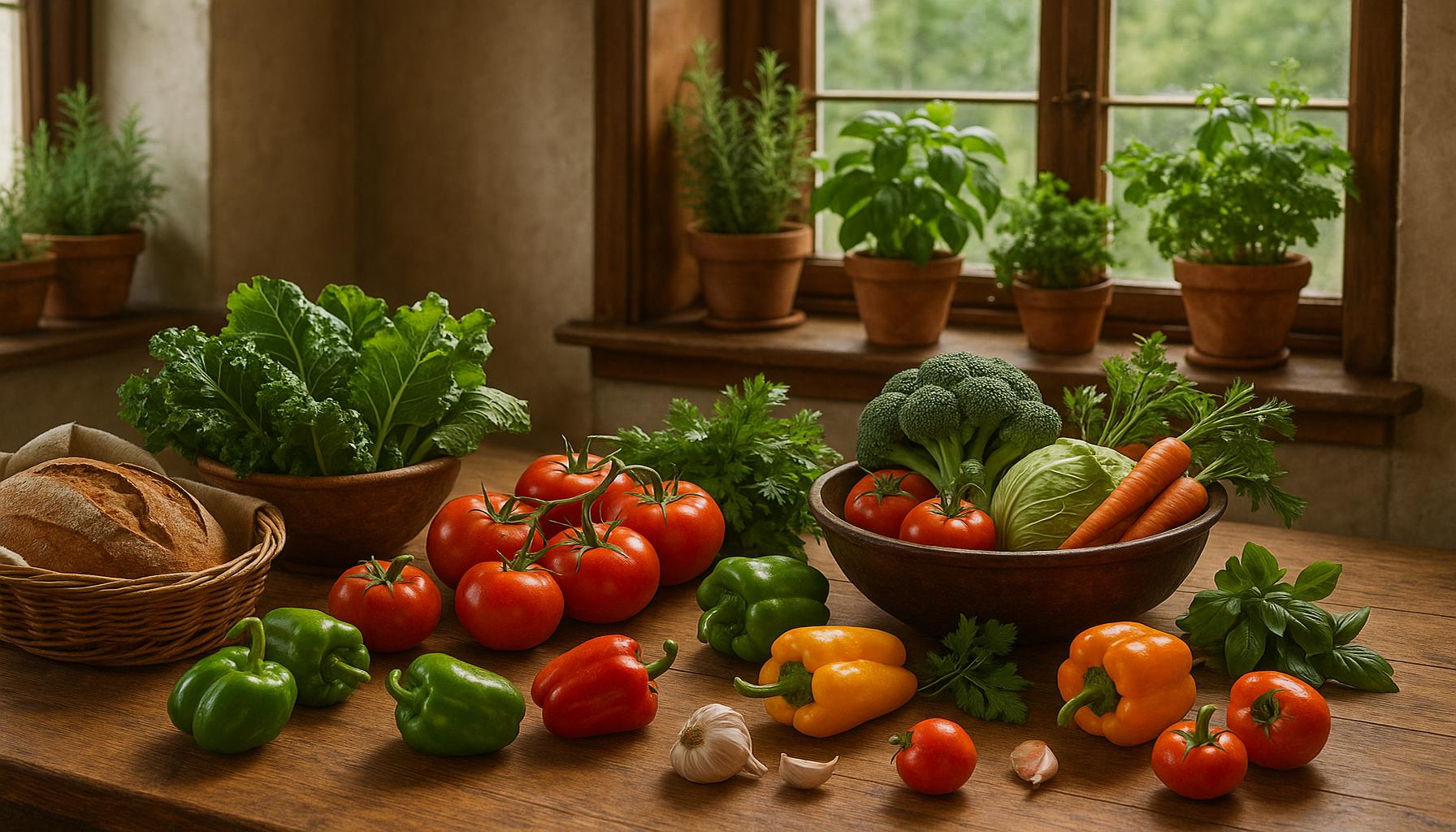
The culinary landscape is experiencing a transformative moment, as chefs and food enthusiasts increasingly embrace sustainable cuisine. This movement highlights the critical role that food production plays in our environmental health while prioritizing the well-being of local communities and economies. By focusing on the utilization of local and seasonal ingredients, sustainable cuisine not only promises flavorful dishes but also cultivates a more responsible approach to eating and cooking.
- Local Ingredients: Sourcing food from nearby farms supports local economies and reduces the need for long-distance transportation. For instance, when a restaurant partners with a nearby farm, it not only ensures fresher produce but also helps keep farm revenue within the community. This practice minimizes the carbon footprint associated with transportation and supports sustainable agricultural methods which can lead to healthier soil and ecosystems.
- Seasonal Produce: Utilizing fruits and vegetables that are in season enhances flavor and nutritional value. For example, ripe summer tomatoes burst with flavor and freshness that cannot be replicated in off-season imports. Seasonal eating encourages consumers to connect with nature’s cycles, promoting an appreciation for diverse ingredients while enhancing the taste of their meals.
- Community Connection: Working closely with farmers fosters relationships that transcend simple transactions. Many chefs are now seen visiting farms, engaging in dialogues about growing practices, and even building menus around what’s freshly harvested. This collaboration not only cultivates a sense of community but also encourages transparency about food sources, giving consumers more trust in their food choices.
In the United States, the rise of food sustainability is evident in the thriving markets for organic produce and the growing popularity of farm-to-table dining establishments. Initiatives like community-supported agriculture (CSA) programs allow consumers to purchase seasonal produce directly from local farms, thus establishing a direct link between them and the food they consume. In urban areas, rooftop gardens and community farms are becoming increasingly common, allowing residents to grow their own vegetables directly in the city.
As one explores the realm of sustainable cuisine, it becomes clear that the choices made in the kitchen have far-reaching consequences, shaping not just meals but the future of the planet. Opting for locally sourced and seasonal items can foster a profound connection to the environment and those who cultivate it. By embracing this holistic approach to eating, individuals take part in a larger movement aimed at nurturing the Earth and supporting healthier, more sustainable agricultural practices.
So why not discover the local offerings in your community? Engaging with farmers’ markets or exploring restaurants that prioritize sustainability can ignite enthusiasm for fresh, diverse foods while enhancing both personal health and the planet’s well-being.
DIVE DEEPER: Click here to uncover the secrets of experimental cuisine

The Benefits of Embracing Local and Seasonal Ingredients
Adopting a philosophy centered on local and seasonal ingredients brings a myriad of benefits that reach far beyond the taste buds. As the farm-to-table movement gains momentum, chefs and home cooks alike are discovering the profound impact that these choices can have on the environment, community, and personal health. The advantages are compelling and multifaceted, creating a strong case for why embracing sustainable cuisine is not just a trend, but a necessary shift in our culinary practices.
- Enhanced Flavor: When it comes to flavor, nothing beats ingredients that are harvested at their peak. Local produce, such as heirloom tomatoes in summer or pumpkins in fall, boast a richness in taste that often diminishes during long transit times. Chefs working with seasonal produce can create dishes that reflect the unique flavors of the local terroir, allowing diners to experience the essence of their region in every bite.
- Nutritional Advantages: Foods that are grown and consumed in their season tend to be more nutrient-dense. Research shows that freshly harvested fruits and vegetables retain higher levels of vitamins, minerals, and antioxidants compared to those transported from distant locations. By opting for seasonal ingredients, individuals not only enhance the taste of their meals but also support their health and well-being.
- Environmental Impact: The environmental footprint of our food choices cannot be overstated. Local sourcing reduces the carbon emissions associated with transport and storage, contributing to lower pollution levels and a smaller ecological footprint. Additionally, many local farmers engage in sustainable farming practices, promoting biodiversity and regenerative agriculture that replenish and improve soil health over time.
- Support for Local Economies: Every time a meal is prepared with local ingredients, it injects resources into the community. Purchasing from nearby growers helps sustain local farms and drives economic development. According to the USDA, for every dollar spent at a farmer’s market, approximately 68 cents goes back into the local economy, bolstering job creation and supporting community initiatives.
Acknowledging these benefits invites individuals to explore what’s available in their immediate surroundings. Diverse agricultural landscapes across the United States provide a wealth of options from vineyards in California to apple orchards in the Northeast. Furthermore, recent statistics reveal that approximately 94% of Americans support purchasing food locally, indicating a significant interest in fostering connections to our food systems.
As we take a closer look at the world of sustainable cuisine, it becomes clear that recognizing the value of local and seasonal ingredients allows us to redefine our relationship with food. By investing in this culinary ethos, we not only indulge in delectable, fresh meals but also pull together as a community in fostering a future of ethical, sustainable eating. This journey ultimately propels us towards a deeper understanding and appreciation of the land and people who feed us.
| Advantages | Impact on Cuisine |
|---|---|
| Support for Local Economy | By sourcing ingredients locally, chefs and restaurants contribute to the community, strengthening local farmers and producers. |
| Seasonal Freshness | Utilizing seasonal ingredients enhances flavor profiles and ensures dishes are at their peak quality. This leads to more vibrant and appealing meals. |
The growing trend of sustainable cuisine highlights the significant advantages of embracing local and seasonal ingredients. By prioritizing local sourcing, chefs are not simply crafting meals but participating in a movement that fortifies local economies. This community-focused approach promotes the cultivation of organic, sustainable produce and livestock, empowering farmers to thrive. Additionally, the use of seasonal ingredients is pivotal in maximizing the culinary experience. Dishes become a celebration of diverse flavors that reflect the bounties of nature at different times of the year. Seasonal cooking not only encourages creativity in the kitchen but also aligns with environmental stewardship, as it reduces reliance on transportation and storage of out-of-season products.Further exploration reveals that seasonal ingredients offer more than just freshness. They provide a vital connection to the land and season, translating to richer culinary narratives that delight diners and foster appreciation for the sustainability movement in cuisine. This approach invites a deeper understanding of food origins and promotes mindful eating practices that resonate with contemporary values.
DIVE DEEPER: Click here to discover more
Exploring the Culinary Possibilities of Local and Seasonal Ingredients
The culinary landscape is rich with opportunities when one commits to utilizing local and seasonal ingredients. Chefs have adopted this paradigm not only to enhance the flavors of their creations but also to tell a story about the provenance of their food. By forging partnerships with local farmers and producers, they bring fresher, more vibrant produce to the plate while creating dishes that reflect their community’s unique bounty.
Indeed, the versatility of seasonal ingredients allows for an endless array of culinary possibilities. For instance, in the spring, green vegetables such as asparagus and peas are found at their peak. Chefs can create light, vibrant salads or incorporate them into pastas, celebrating the flavors of the season. In contrast, the fall presents a different culinary canvas, with hearty ingredients like squash and root vegetables taking center stage. These ingredients lend themselves to warming soups and roasts that evoke the comfort of the season.
Regional Specialties: A Celebration of Diverse Flavors
Across the United States, each region boasts its own specialties that reflect local agricultural traditions. In the Pacific Northwest, fresh salmon and shellfish are abundant, inspiring dishes that highlight the flavors of the ocean. From the vibrant farmers’ markets in California to the apple-picking experiences in New York, the regional variation in seasonal ingredients not only celebrates the diverse agricultural heritage of the country but also ensures that every dish tells a story grounded in its surroundings.
This connection to place can be further emphasized through special events, such as farm dinners or seasonal festivals. These gatherings often feature multiple courses that evolve with the seasons, allowing guests to experience a progressive tasting menu that showcases the region’s finest offerings. By doing so, both chefs and diners engage in a shared appreciation for local craftsmanship and the cultural significance of the ingredients on their plates.
Building Sustainable Relationships: From Farm to Fork
Engaging with local farmers or joining community-supported agriculture (CSA) programs is a fantastic way for individuals to deepen their involvement in the sustainable food movement. By receiving weekly shares of seasonal produce, members are encouraged to explore new recipes and creations, discovering the joy of cooking with ingredients that vary throughout the year. Not only does this practice support local agricultural ecosystems, but it also fosters a personal connection to the food system, helping consumers understand the time and effort that goes into growing their food.
Additionally, urban agriculture initiatives are becoming increasingly popular as cities adapt to a growing interest in sustainable cuisine. Rooftop gardens, community gardens, and small-scale urban farms provide fresh produce to city dwellers and enhance local food security. By utilizing these resources, chefs in metropolitan areas can craft menus that honor both local heritage and the artistry of sustainable cooking.
As mindfulness towards food systems continues to spread, the incorporation of local and seasonal ingredients offers a practical and delicious way to engage with one’s community and environment. The exploration of these ingredients extends beyond the kitchen, transforming how diners view their food and the roles they play as responsible consumers in a broader economic landscape.
DIVE DEEPER: Click here to discover the evolution of culinary techniques
Conclusion: Embracing the Future of Sustainable Cuisine
The journey into sustainable cuisine through local and seasonal ingredients is an enriching exploration that not only delights the palate but also honors the land, farmers, and traditions interwoven within the food ecosystem. As we have seen, the use of locally sourced produce enhances the flavors of our dishes and fosters a deeper connection to our communities and their stories. Chefs, consumers, and food enthusiasts alike are empowered to engage actively with their local agricultural landscape, creating a more resilient food system.
Moreover, the celebration of regional specialties exemplifies the diverse tapestry of flavors found across the United States. Each meal becomes a narrative informed by geography, climate, and cultural heritage, offering diners a unique taste of place. Whether it is the harvest of summer berries or cozy winter stews crafted from root vegetables, there is an irrefutable pleasure in knowing the ingredients are at their peak, offering both taste and nutrition.
As individuals increasingly seek to support sustainable practices, initiatives such as community-supported agriculture (CSA) and urban farming bring fresh, local produce to urban centers and cultivate a sense of ownership over our food choices. By embracing these practices, we become responsible stewards of the environment, contributing to local economies and encouraging ecological sustainability.
In this light, *sustainable cuisine* is more than just a trend; it is a lifestyle choice that enhances our culinary experiences and strengthens our ties to the environment. As we continue to explore the possibilities of local and seasonal ingredients, we invite everyone to partake in this delicious and meaningful endeavor that nurtures not only our appetites but also our planet.