
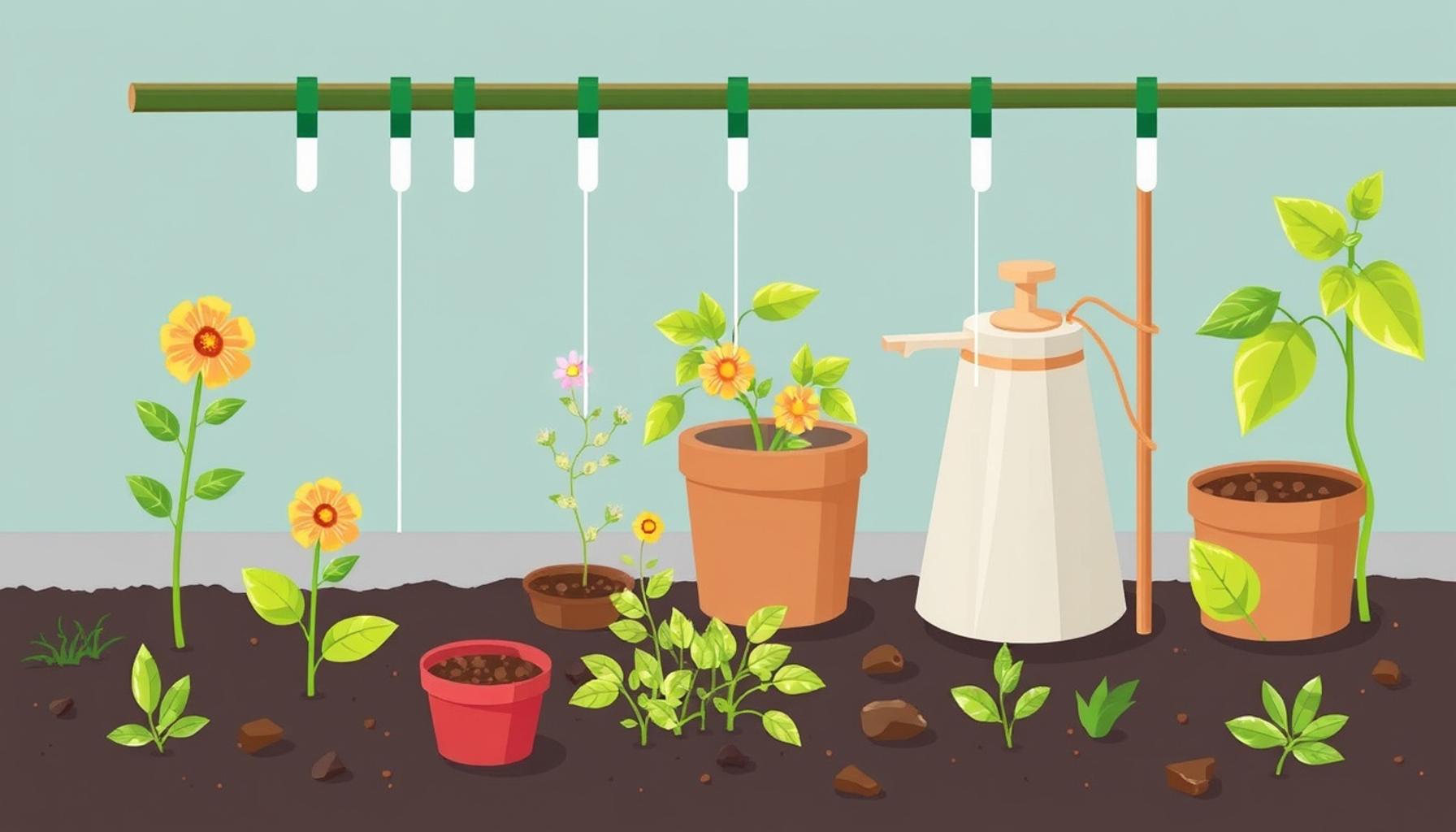
Are you ready to transform your home garden with an efficient watering solution?
Drip irrigation systems are gaining popularity among beginners for their ability to deliver water directly to plant roots, saving both time and resources.
This guide will walk you through the setup process, making it easier to maintain a lush and healthy garden.
By following these simple steps, you'll learn how to minimize water waste and maximize plant growth, ensuring a thriving garden year-round.
FIND OUT MORE!Drip irrigation is an efficient watering system that delivers water directly to the plant's roots.
This method helps conserve water, which is especially vital for home gardeners in arid environments.
Setting up a drip irrigation system at home can significantly enhance plant health while reducing water waste.
By delivering water more precisely, it reduces the risk of overwatering and promotes healthier growth.
To set it up, first determine the layout of your garden and identify the areas that need irrigation.
Next, gather necessary materials such as tubing, emitters, a filter, and a pressure regulator.
Install a water source connection, typically connecting the system to an outdoor faucet.
Lay the main tubing along the garden rows and secure it with appropriate stakes.
Attach emitters at strategic points to ensure even water distribution to each plant.
Regular maintenance of the drip irrigation system is crucial to ensure its efficiency.
Check emitters for clogging and replace any damaged components promptly.
During colder months, consider draining the system to prevent freezing and breakage.
Using a timer can automate the watering process, ensuring consistent hydration for your plants.
This system not only supports plant health but also contributes to sustainable water management practices at home.
Implementing a drip irrigation system at home is a practical and resource-efficient way to nurture your plants.
By following the outlined steps, beginners can ensure that their gardens receive optimal hydration, promoting healthy growth while conserving water.
The process involves meticulous planning and adjustment, but the rewards of enhanced productivity and sustainability are well worth the effort.
Embracing this method not only benefits your plants but also contributes to responsible environmental stewardship.

Linda Carter is a writer specializing in gardening and growing at home for beginners. With extensive experience helping readers confidently care for plants, Linda shares practical guidance on preparing soil, choosing suitable plants, watering, planting, and maintaining home gardens. Her goal is to provide clear tips and accessible strategies that help beginners grow healthy plants and enjoy gardening in any space.