
Reducing Clutter in Everyday Life: Techniques for Detachment and Organization
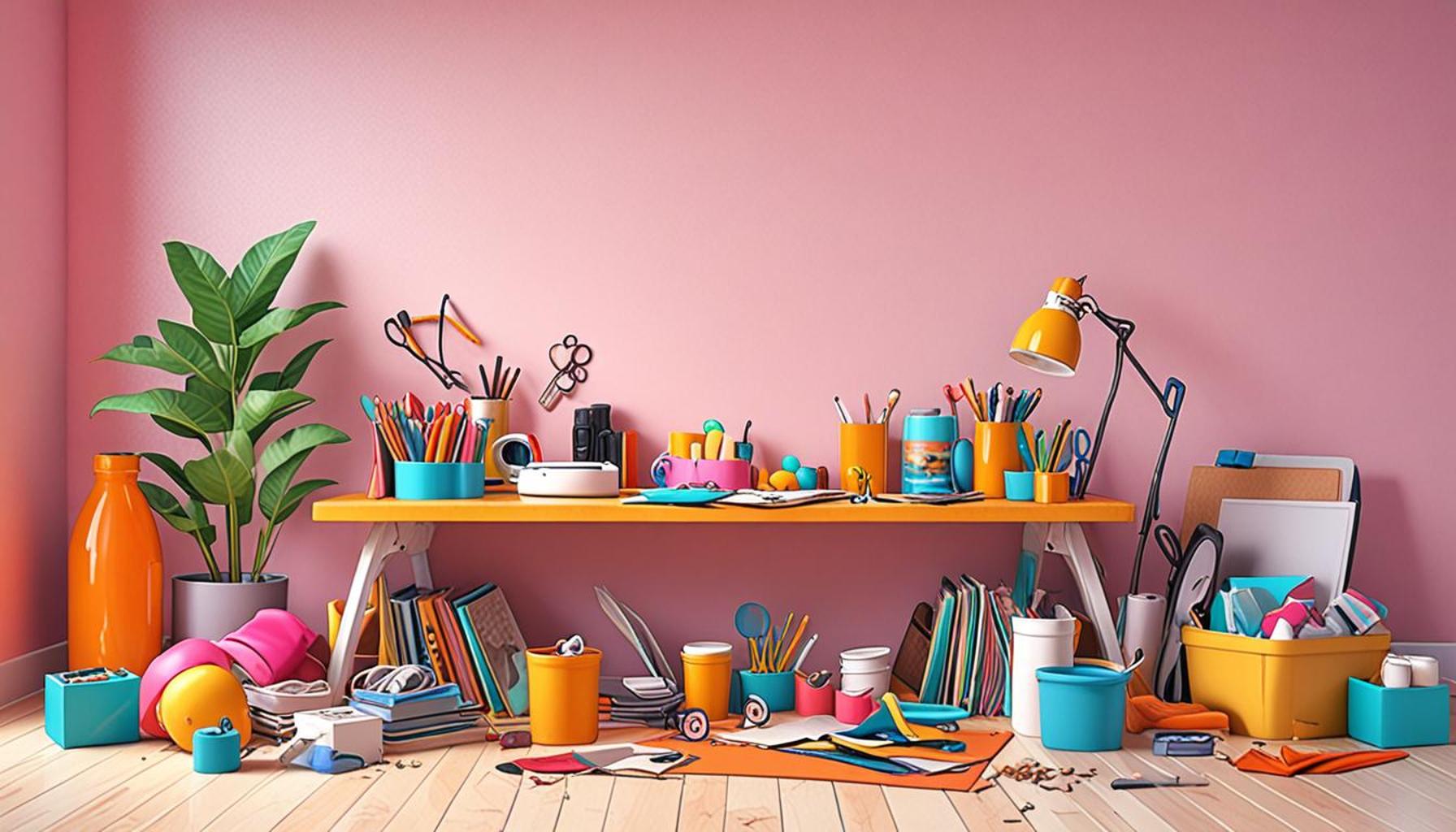
Understanding the Need for Decluttering
In a world where distractions are everywhere, reducing clutter has become essential for mental well-being and productivity. The overwhelming presence of physical and digital clutter can hinder our ability to focus on what truly matters. Whether it’s your living space, workspace, or even your digital devices, finding techniques for detachment and organization can lead to a transformative effect on both your environment and your mindset. In a bustling city like Lagos or Abuja, where urban life is coupled with frenetic energy, the challenge of maintaining order is even greater, making the pursuit of a minimalist lifestyle vital for many.
Why Clutter Affects Us
Clutter can significantly impact our mental health and overall productivity. Studies have shown that a chaotic environment can increase stress and anxiety. For instance, individuals often find themselves feeling overwhelmed just by looking at a disorganized room. As you navigate through heaps of belongings, your mind processes the visual clutter, which can lead to a sense of helplessness.
Moreover, clutter also decreases productivity and motivation. In a workspace cluttered with unfinished projects, paperwork, and outdated technology, it can be challenging to concentrate on current tasks. A clean desk, on the other hand, invites focus and creativity, paving the way for greater accomplishments.
Feeling completely at ease with your surroundings directly affects your emotional state. When an environment is filled with unnecessary items, it creates a sense of chaos and disorganization, ultimately contributing to feelings of stagnation. In Nigeria, where the hustle and bustle can lead to overflowing homes and busy minds, tackling clutter issues becomes even more crucial. It’s vital to embrace techniques that promote a cleaner, more organized lifestyle that aligns with our fast-paced daily rhythms.
Key Techniques for Reducing Clutter
- Practice strong detachment from belongings: Evaluate each item in your home or workspace and ask yourself if it holds value or joy. If not, consider letting it go, as this can free up physical space and mental energy.
- Utilize organizational tools and methods: Invest in organizers, storage bins, and a filing system to categorize your belongings systematically. Techniques like the “One In, One Out” rule—where you remove one item for every new item you bring in—can be particularly effective.
- Adopt minimalism as a lifestyle approach: Minimalism goes beyond decluttering; it’s about simplifying your life, focusing on experiences rather than possessions. By prioritizing quality over quantity, you can cultivate a more intentional existence.
By implementing these strategies into your daily routine, you can create a sense of order and tranquility in your life. A well-organized environment not only enhances your mental health but also rejuvenates your spirit. As you delve deeper into these techniques, consider how a clutter-free existence could positively influence your productivity and relationships. Embrace the journey toward a more serene lifestyle, and watch as the beneficial effects ripple through all aspects of your life.
CHECK OUT: Click here to explore more
Effective Approaches to Detachment and Organization
Embarking on the journey of reducing clutter involves more than just cleaning out a closet or reorganizing a workspace—it requires a deep-seated commitment to detachment from the items that consume our spaces and time. Understanding this essential aspect can pave the way for a more organized life, especially for Nigerians living in fast-paced urban areas, where the urgency of life often compels us to amass belongings.
The Art of Letting Go
Before diving into methods of organization, it is crucial to develop the mindset needed for effective decluttering. Practicing detachment from belongings means reevaluating our relationship with the items we own. One effective technique is the “joy check” approach, popularized by tidying expert Marie Kondo. When considering a possession, ask yourself: “Does this item spark joy?” If the answer is no, it may be time to release it. In the context of Nigerian culture, consider how often we hold on to gifts or family heirlooms out of obligation rather than genuine affection. Recognizing this can foster a sense of freedom and clarity.
Implementing Organizational Techniques
Once you have begun the process of letting go, the next step is to establish an organized environment that promotes peace and efficiency. Here are several key strategies for better organization:
- Sort and categorize: Create categories for your belongings such as keep, donate, sell, or dispose of. This simple categorization procedure streamlines the decision-making process and visualizes progress.
- Maximize storage solutions: Utilize underutilized spaces by investing in versatile storage options—think cabinets, shelves, and boxes that blend with your décor while providing functional storage. In a densely populated city, efficient use of space is paramount.
- Establish a cleaning routine: Designate specific times weekly to tidy your space. A little maintenance can prevent overwhelming chaos from building up again, making organization a continuous process rather than a one-off event.
- Go digital: Transform your cluttered paperwork into digital files. Use apps to scan documents and track tasks, liberating yourself from physical copies that can accumulate quickly.
By incorporating these organizational techniques into your daily life, you set the foundation for a cleaner, more productive environment. This ongoing practice of decluttering not only encourages a clutter-free space but also fosters a peaceful state of mind in busy locales where chaos often reigns supreme. As you embark on this journey, remember that every small step counts towards creating a sanctuary of order amidst life’s demands.
Understanding the Psychology Behind Clutter
When discussing reducing clutter in everyday life, it’s crucial to delve into the psychological aspects that contribute to our attachment to possessions. Many individuals struggle with the idea of letting go, often due to emotional ties or memories attached to items. This emotional clutter can significantly impact one’s ability to maintain an organized space. Thus, understanding the reasons behind these attachments is the first step toward successful detachment.
Effective Techniques for Decluttering
Once the psychological barriers are recognized, several strategies can help ease the process of detachment and organization. One widely recommended approach is the one-in-one-out rule. This method encourages you to donate or dispose of one item for every new item you bring into your home, effectively managing your belongings over time. Another effective technique is utilizing the KonMari Method, popularized by Marie Kondo. This method emphasizes keeping only those items that “spark joy.” By evaluating each item’s emotional value, you can make more mindful decisions about what to keep or discard. Additionally, creating designated spaces for items can aid in organization. Labeling bins and storage can streamline your living areas, enhancing both functionality and aesthetics.
Incorporating Mindfulness in the Process
Integrating mindfulness into your decluttering process is an effective technique as well. Mindfulness encourages individuals to engage thoughtfully with their surroundings and belongings. Taking the time to genuinely reflect on what you use and what adds value can lead to more intentional living. Incorporating these techniques can transform your space into one that is not only organized but also promotes a sense of peace and clarity in your life. Embracing change through decluttering can be incredibly liberating, allowing for a fresh perspective and a newfound appreciation for the things that truly matter.
Motivation and Maintenance
Long-term success in reducing clutter requires consistent maintenance. Setting regular intervals for reevaluating your possessions can prevent accumulation. Staying motivated is also essential; consider sharing your goals with friends or joining support groups online that encourage minimalism and organization. Engaging with like-minded individuals can provide inspiration and accountability as you transform your home and lifestyle.In summary, understanding the psychology of clutter, employing practical techniques, and maintaining a mindful approach are all key components in effectively reducing clutter in everyday life. These strategies pave the way for lasting change and enhance your overall well-being.
YOU MAY ALSO LIKE: Read read another article
Cultivating Mindfulness in Decluttering
In the quest for reducing clutter, mindfulness emerges as an essential companion. Living in a society where the desire to keep up with trends and consumer culture often leads to excessive accumulation, being present and intentional with our possessions can significantly alter how we view and handle our belongings. Mindfulness teaches us to engage with our environment consciously, enlightening our decisions around what we own.
Mindful Consumption
Before acquiring new items, it is crucial to evaluate their necessity and the impact they will have on your space. Practicing mindful consumption involves asking pertinent questions: “Do I need this? Will it add lasting value to my life, or will it end up adding to clutter?” This reflective process is particularly significant for Nigerians, who often face societal pressure to maintain status through material goods. By prioritizing needs over wants, we can cultivate a more meaningful relationship with what we choose to keep.
Embracing Minimalism
Another powerful approach is the adoption of a minimalist lifestyle. Minimalism does not mean living with the bare essentials; rather, it signifies prioritizing quality over quantity. For instance, consider the bustling markets in Lagos—while it’s tempting to buy multiple pieces of clothing, focusing on choosing fewer, high-quality items will reduce overwhelm and promote simplicity in daily living. One practical rule to implement is the “one in, one out” philosophy: for every new item you bring home, let go of an existing one. This practice naturally limits accumulation and encourages thoughtful purchases.
Utilizing Technology to Stay Organized
In today’s digital age, technology can play a pivotal role in enhancing organization. Explore mobile applications that are specifically designed for decluttering and organization. For example, apps like Todoist and Evernote help users manage tasks effectively, allowing for better time management and a clearer space free from physical notes and reminders. Furthermore, consider using social media platforms to initiate swaps or donations. This not only helps in decluttering but also builds a sense of community while benefiting others.
The Power of Community Support
Reducing clutter can be a challenging endeavor, but fostering community support strengthens personal commitment. Joining local groups focused on minimalism or sustainable living can provide motivation and insight. In Nigeria, community events where people come together to organize swaps or decluttering challenges are an excellent way to share experiences and resources. Establishing a network of support can turn the individual effort of decluttering into a collective mission, enhancing accountability and making the process enjoyable.
As you navigate through these various strategies, remember that reducing clutter is not just a physical endeavor but a journey toward a more fulfilling life. Each step taken towards intentionality and mindfulness opens the door to adaptability and peace in the everyday hustle of life, particularly in the dynamic and vibrant Nigerian landscape.
RECOMMENDED: Check out this similar article
Final Thoughts on Reducing Clutter
In conclusion, reducing clutter is an essential aspect of achieving tranquility and organization in our fast-paced lives. By embracing techniques like mindful consumption, individuals can make deliberate choices that enhance their surroundings rather than detract from them. This involves a constant evaluation of the things we own, which ensures that each item reflects our true values and needs. Furthermore, the adoption of a minimalist lifestyle not only simplifies our living spaces but also fosters a deeper appreciation for quality over quantity. It encourages us to let go of the excess and make intentional purchases that resonate with who we are.
Leveraging technology’s innovative solutions offers another layer of support in this journey. Various applications designed for organization can streamline the decluttering process and help maintain a harmonious environment. Additionally, the strength derived from community support can make a significant difference. Engaging with like-minded individuals through local events focused on decluttering can inspire and motivate us, turning a solitary task into a collective endeavor.
Ultimately, reducing clutter is about more than just tidying up; it’s about creating a lifestyle that promotes health, happiness, and clarity. In the energetic context of Nigeria, where spaces can quickly become overwhelmed by the fast-moving nature of urban life, adopting these techniques can pave the way for a more peaceful existence. By taking these steps today, we nurture our ability to live fully and richly—free from the burdens of unnecessary possessions.