Music as a Form of Personal Expression: Stories of Creativity and Authenticity
The Power of Music in Personal Expression
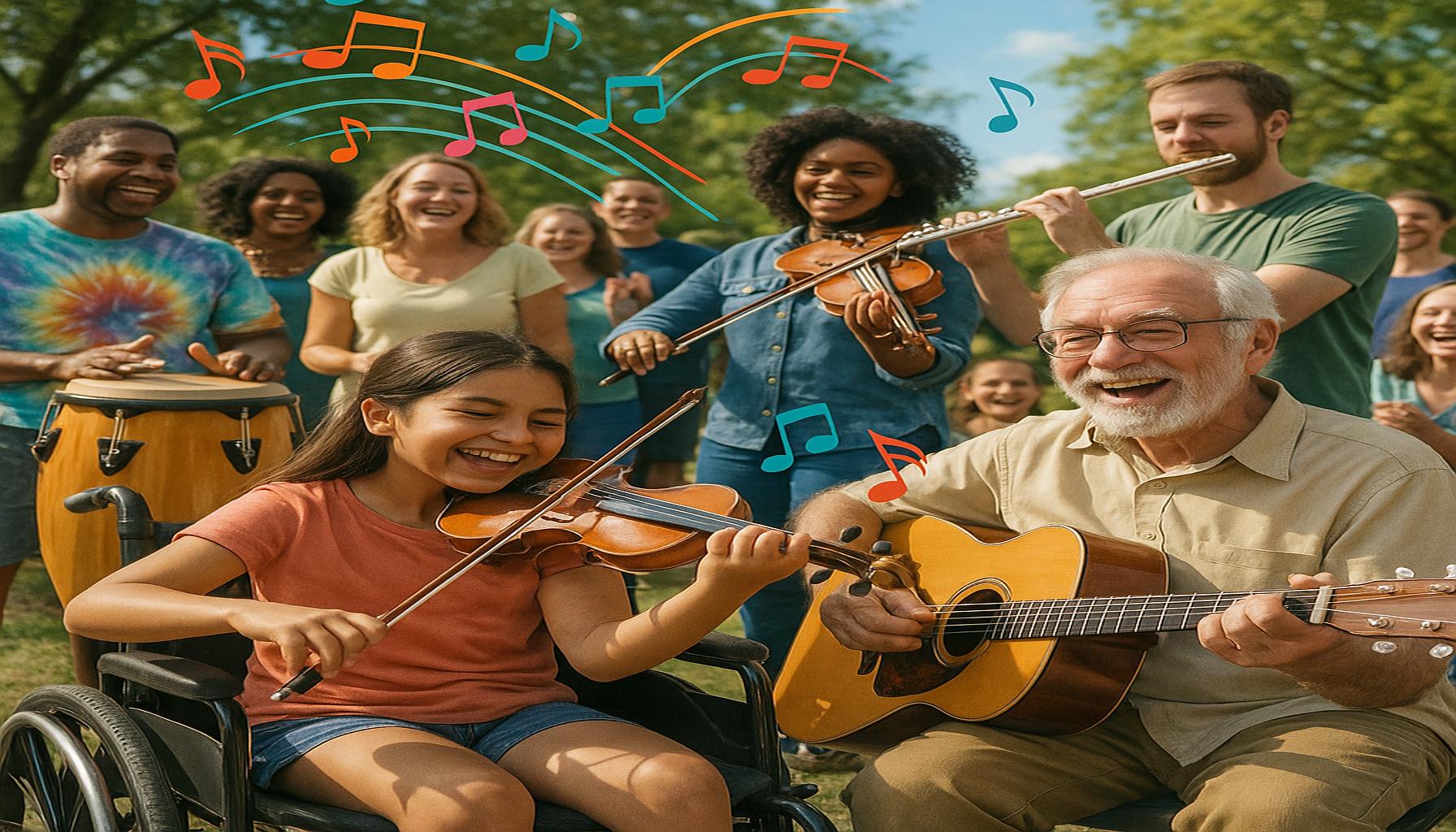
Music, often described as the universal language, has a distinctive ability to transcend cultural boundaries and connect diverse individuals. It serves not merely as a source of entertainment but as a profound form of personal expression, allowing people to convey their innermost thoughts, emotions, and experiences. Every chord struck and every lyric penned holds a unique story, reflecting the intricacies of human existence.
Consider the rich diversity of genres available today. Each musical genre—from the soulful strains of blues and the energetic beats of hip-hop to the intricate melodies of classical and the emotional depth of folk—provides a distinctive canvas for artists to express their thoughts and feelings. For instance, the rebellious spirit of punk rock often channels anti-establishment sentiments, while the improvisational nature of jazz invites spontaneous emotional expression. This diversity not only showcases individual talent but also mirrors the complexity of the human experience.
Songwriting plays a pivotal role in music as a medium for personal narratives. Renowned artists like Taylor Swift and Kendrick Lamar exemplify this beautifully. Swift’s storytelling ability in songs like “All Too Well” resonates with listeners, drawing on personal experiences that evoke heartbreak and nostalgia. Similarly, Lamar’s tracks, such as “Alright,” reflect societal issues and personal struggles, offering both introspection and empowerment. These artists articulate emotions that listeners may grapple with, thereby forging a deep connection through shared experiences.
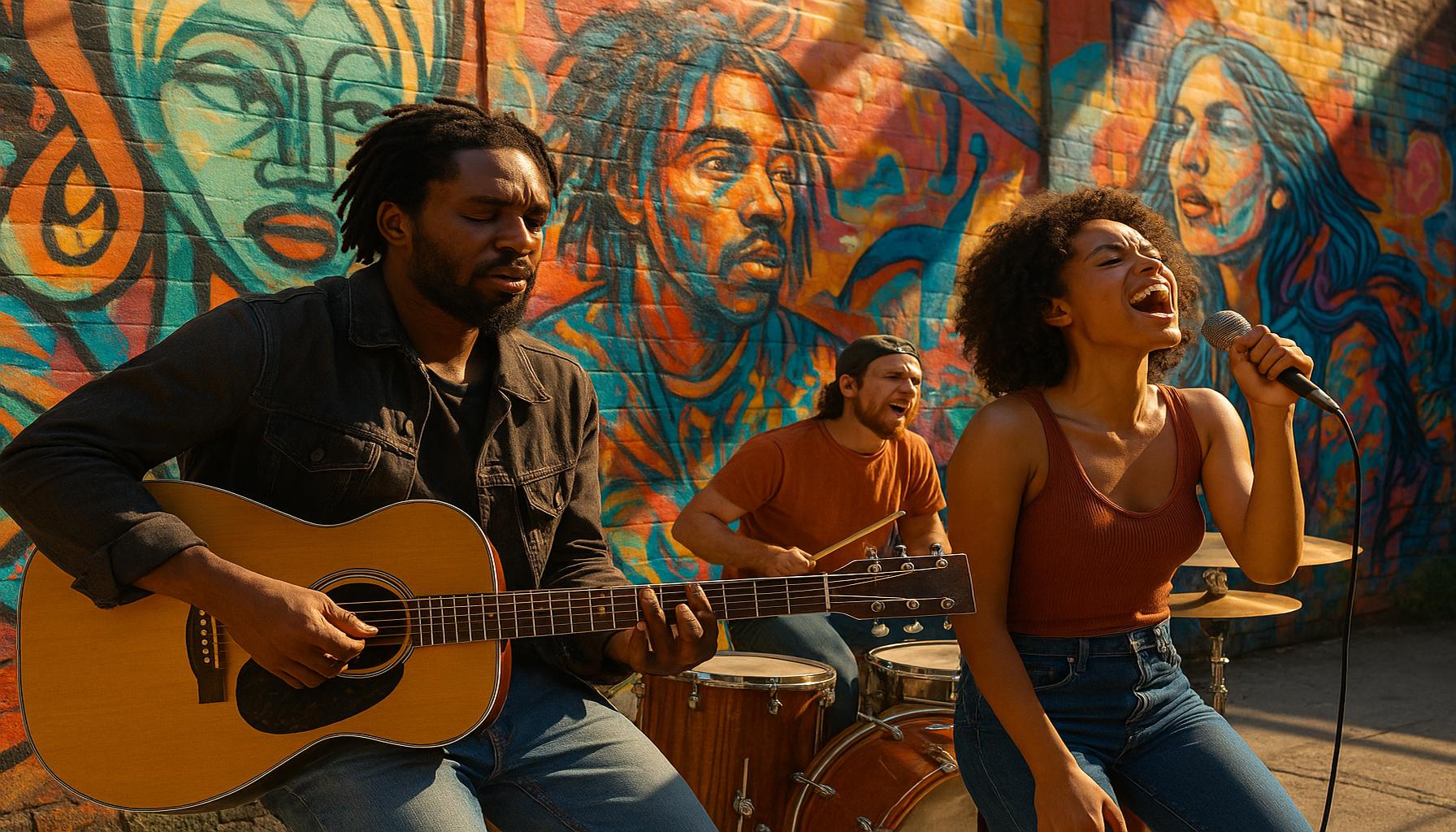
Live performances further enhance music’s role in personal expression. Concerts transform into arenas of authenticity, where fans can feel the raw energy and emotion directly from the artists. The communal experience of attending a live concert fosters a unique bond among attendees, often making the moments unforgettable. Notable festivals like Coachella and Lollapalooza showcase a wide range of artists across genres, creating spaces for personal expression that resonate with a diverse audience. These events signify more than just musical performances; they are gatherings of shared sentiments and collective experiences.
As we explore the intersection of music and personal expression, we uncover compelling narratives of creativity and authenticity. Artists often use their platforms to navigate personal struggles, societal pressures, and cultural narratives to create meaningful connections through their art. Understanding how music shapes and defines identities allows us to appreciate its transformative power across different communities.
Ultimately, music serves as a bridge connecting us all. By sharing stories through their craft, artists can provide comfort and solidarity, illuminating the fact that we are not alone in our experiences. Join us as we delve deeper into the fascinating world of music and its ability to encapsulate the human condition, emphasizing the remarkable stories of artists who inspire us all through their expressive journeys.
DIVE DEEPER: Click here to personalize your space
Exploring the Creative Process Behind Music
At the heart of music as a profound form of personal expression lies the creative process that artists undertake to transform their thoughts and emotions into sound. This journey often begins with a single idea or emotion that resonates deeply, igniting a spark of inspiration. Artists are known to engage in varied processes that allow them to channel their feelings into their music, with each method uniquely reflecting their identity and experiences.
One popular approach is the practice of journaling, where artists write down daily thoughts and feelings, exploring their emotions in an unfiltered manner. This technique serves as a vital resource for songwriters, nurturing authenticity within their lyrics. For instance, artists like Lorde and Ed Sheeran have openly discussed their journaling habits, revealing that many of their most iconic songs stem from personal diary entries. This raw exploration of feelings helps create a connection with listeners who may find solace in the shared experience.
Collaboration also plays a significant role in the music-making process. Numerous artists find strength in working alongside fellow musicians, producers, and songwriters, leading to a fusion of different perspectives and styles. The collaborative environment encourages the shedding of vulnerability, enabling artists to express themselves freely. For instance, the partnership between Jay-Z and Beyoncé on tracks like “Crazy in Love” exemplifies how collaboration can amplify personal narratives through mutual creativity, resulting in a song that resonates with many facets of love and relationships.
Engaging in musical experimentation further exemplifies the essence of creativity in personal expression. Artists are continuously pushing boundaries, exploring new sounds, and reinterpreting genres to create something genuinely unique. This exploration is evident in the works of artists like Billie Eilish, whose innovative take on pop music combines haunting melodies with deeply personal themes. Eilish’s approach to music highlights the importance of authenticity as she becomes a vessel for her truths, drawing listeners into her psychological depth.
Listeners might wonder how they can discern these authentic expressions in music. Here are a few signs to consider:
- Lyric Depth: When lyrics reflect a sincere narrative or emotional journey, they often indicate a heartfelt connection.
- Sound Texture: The uniqueness of an artist’s sound or genre fusion can signal their personal exploration and creativity.
- Live Performances: Watching how artists present their music live can reveal their commitment to authenticity, as they often share personal stories or experiences alongside their songs.
As we delve deeper into the creative intricacies of music as a form of personal expression, we recognize that it not only serves as an outlet for artists but also acts as a source of inspiration and connection for listeners. Music enables us to traverse through the artists’ journeys, showcasing an array of emotions and experiences that beckon us to participate in the shared human experience.
As we delve deeper into the multifaceted world of music, it becomes evident that it stands as one of the most profound forms of personal expression available to individuals. From the stirring sounds of classical symphonies to the raw energy of punk rock, each genre offers unique avenues for creativity and authenticity. The stories behind these musical creations often reveal deep emotions and shared experiences, reflecting the artists’ personal journeys and cultural backgrounds.
Artists like Bob Marley, whose reggae rhythms spoke of social justice and personal liberty, or Lady Gaga, who uses her platform to challenge norms and advocate for the LGBTQ+ community, exemplify how music becomes a canvas for exploring identity and societal issues. These artists not only entertain but also inspire audiences to reflect on their own lives, driving home the message that music can catalyze emotional healing and promote social change.
Moreover, music’s impact is not limited to the artists themselves. Listeners often find solace and connection through songs that resonate deeply with their experiences. The notion that a particular track can evoke memories or emotions, making one feel less alone in their struggles, illustrates music’s role as a powerful medium for community building and shared understanding.
| Category | Key Features |
|---|---|
| Cultural Expression | Music embodies cultural narratives, celebrating unique traditions and histories. |
| Emotional Healing | Songs often serve as a therapeutic outlet, helping individuals process their feelings. |
As we explore the many ways in which music reflects and influences personal stories, it becomes clear that the act of creating and listening to music transcends mere entertainment. Instead, it presents an ongoing dialogue about the complexities of human experience, leaving an indelible mark on both artists and audiences alike.
DISCOVER MORE: Click here to explore the journey of poetry
The Impact of Cultural Influences on Musical Expression
Another crucial layer of understanding music as a form of personal expression is the impact of cultural influences on artists’ work. Different cultural backgrounds inform the stories and emotions that artists bring to their music, allowing them to create a tapestry of sounds that reflect their identity. For instance, musicians from diverse ethnic backgrounds often weave elements of their heritage into their songs, enriching their narratives with authenticity. The fusion of cultures in modern music illustrates how artists negotiate their identities while simultaneously celebrating their roots.
Consider the case of Lin-Manuel Miranda, whose groundbreaking musical “Hamilton” merges hip-hop with historical storytelling. Miranda, of Puerto Rican descent, incorporates elements from Latin music and Broadway, reflecting his identity while creating an engaging narrative that resonates across different audiences. This blend offers listeners a chance to experience American history through the lens of diverse voices, illustrating how cultural influences can build bridges through music.
In addition to cultural backgrounds, socio-political contexts play a significant role in shaping an artist’s expression. Many musicians utilize their platform as a means of activism, conveying their messages through powerful lyrics and evocative melodies. The rise of protest music, for instance, highlights how artists like Childish Gambino in “This Is America” emphasize societal issues like gun violence and systemic racism. The distinct sound of their music—drawing from funk, rap, and R&B—accompanies a poignant message, showcasing how art can serve as a catalyst for change.
The context in which music is created can also influence an artist’s personal expression significantly. The challenges posed by contemporary society often drive musicians to create in response, which can be seen in genres like grunge and punk rock. Bands such as Nirvana and The Clash emerged from times of social upheaval and unrest, channeling their frustrations and societal critiques into their music. Feedback from fans indicates that this connection to social issues can foster a sense of community, turning individual feelings into a larger movement that resonates with many.
Moreover, technology has transformed how music is made and shared, further impacting personal expression. The rise of bedroom producers and DIY artists allows for greater accessibility, empowering creatives to express themselves without the constraints typically associated with the music industry. Platforms like SoundCloud and Bandcamp have enabled emerging artists to bypass traditional gatekeeping processes, leading to an explosion of diverse sounds and stories. Artists such as Clairo and Rico Nasty have crafted their music from their bedrooms, bringing raw and genuine perspectives to their art that resonate with audiences yearning for authenticity.
Ultimately, the exploration of cultural influences, socio-political environments, and technological advances reveals the multidimensionality of how music acts as a personal expression. Each artist contributes to this rich dialogue, creating a vast landscape of stories that not only honors their experiences but also encourages the listener to reflect on their own lives.
DISCOVER MORE: Click here for fun family crafting ideas
Conclusion
In the realm of music as a form of personal expression, we uncover a vivid narrative spanning cultural influences, socio-political contexts, and technological advancements. Each artist becomes a storyteller, channeling their unique experiences and emotions into a sonic landscape that resonates with diverse audiences. By embracing their backgrounds, musicians like Lin-Manuel Miranda and Childish Gambino illuminate the complexities of identity and societal challenges, transforming their personal stories into universal anthems.
The ongoing dialogue between artists and their listeners fosters a sense of community, allowing us to connect over shared struggles and triumphs. Genres birthed from social upheaval—such as punk rock and grunge—exemplify this connection, reinforcing the idea that music is not merely entertainment but a powerful vessel for change and reflection. Meanwhile, the rise of DIY platforms enables a democratic landscape for expression, where emerging artists like Clairo and Rico Nasty provide raw, unfiltered perspectives that captivate a yearning audience.
As we dive deeper into the music that shapes our world, let us appreciate the stories behind the sound—stories that challenge norms, celebrate authenticity, and invite us to reflect on our own identities. In every note and lyric, there lies a potency that transcends boundaries, underscoring the profound impact of musical expression in our lives. As listeners, we are not just passive recipients; we are participants in a shared journey, exploring the richness of creativity and the authenticity that music continuously offers.