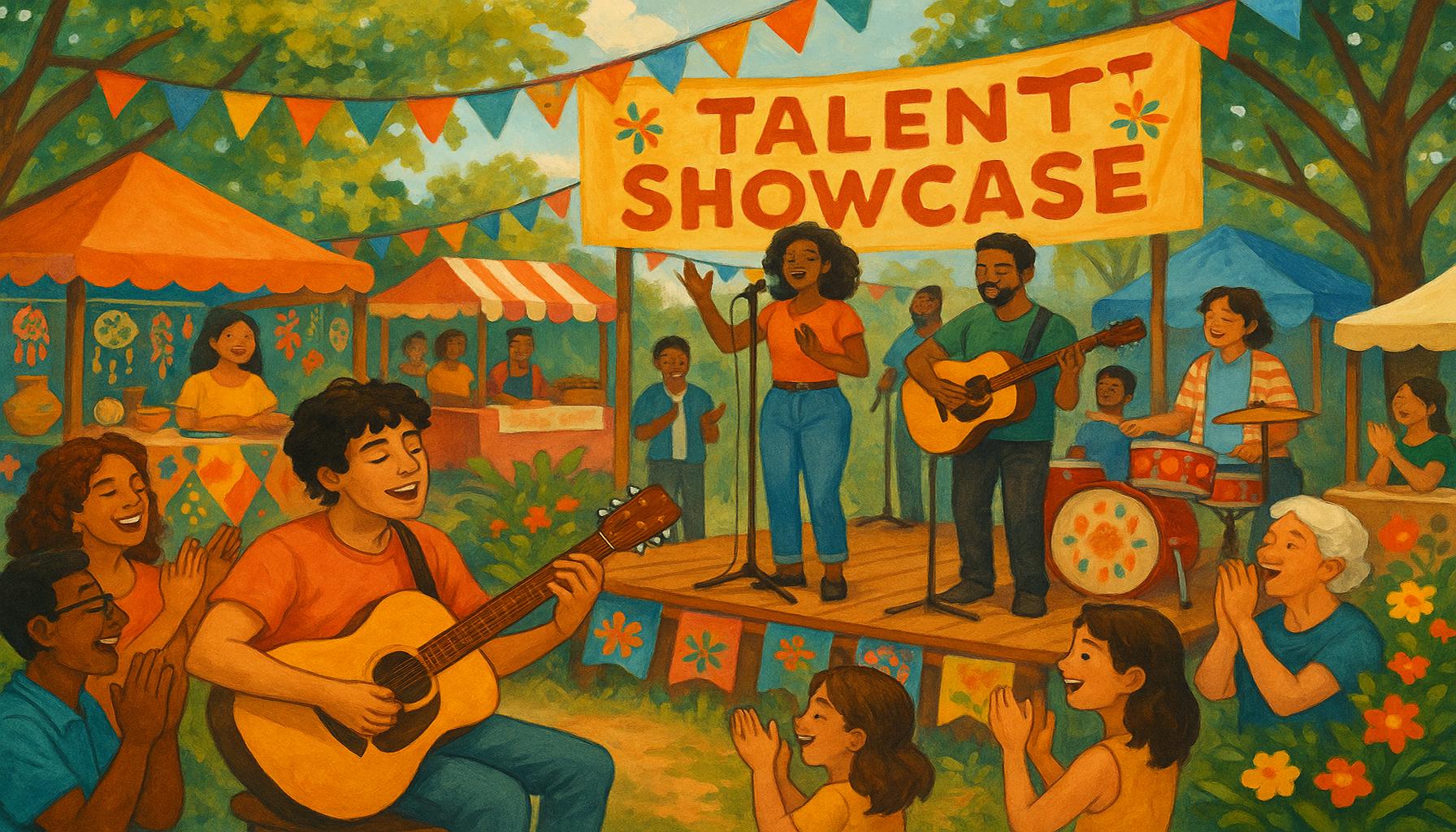
Music and Sustainability: Innovative Projects that Connect Music and Environmental Awareness
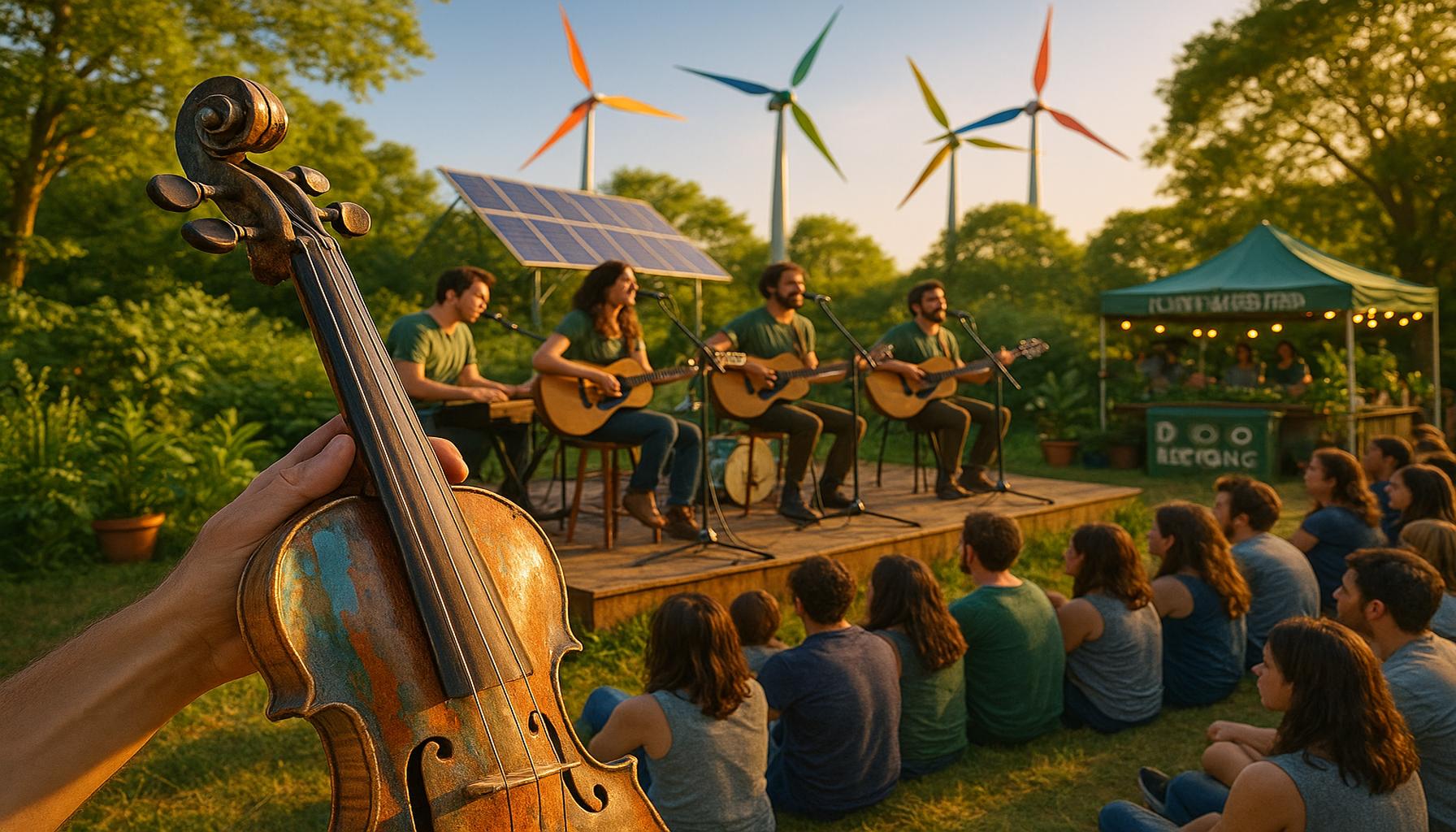
Exploring the Connection Between Sound and Sustainability
As global environmental challenges intensify, the relationship between music and sustainability is unearthing a wealth of innovative concepts that aim to inspire collective action and raise awareness. Music, a universal language, serves not only as entertainment but also as a catalyst for change, drawing attention to crucial ecological issues.
Across the United States, a myriad of musicians and organizations is embracing this intersection, creating projects that resonate deeply within local communities and the broader public. These initiatives highlight how the harmonies of sound can amplify the message of sustainability. Here are some noteworthy examples:
- Eco-Music Festivals: Festivals like Coachella and Bonnaroo are not just known for their lineups of world-renowned artists but are also leading the way in sustainability practices. These events are minimizing their environmental impact through initiatives like zero waste goals, renewable energy usage, and educational sessions about climate efforts. For instance, Bonnaroo has introduced composting programs and encourages attendees to minimize plastic use, effectively turning music lovers into environmental stewards.
- Community Sound Projects: In various cities, local organizations are harnessing the power of music to engage citizens in sustainability discussions. Initiatives such as “Soundwalks” encourage participants to explore their neighborhoods while listening to curated playlists that highlight the importance of local ecosystems. Such projects ignite conversations about climate change and conservation, fostering a sense of community responsibility toward the environment.
- Musical Instruments from Recycled Materials: Artists across the nation are embracing creativity by constructing musical instruments from repurposed items. For example, the “Recycled Orchestra” in Paraguay, which gained international acclaim, has inspired similar projects in the U.S. Local musicians are now crafting guitars from old bicycles or drums from discarded containers, turning waste into art and promoting a message of sustainability through their music.
These projects do more than provide entertainment; they serve as educational platforms that illuminate the pressing need for ecological consciousness. By blending artistic expression with environmental advocacy, they offer fresh perspectives on our relationship with nature. Audiences are encouraged to contemplate their impact and consider sustainable practices in their daily lives.
As we explore the intrinsic connection between melody and responsibility, we uncover an exciting domain where culture intertwines with conservation. These initiatives not only create a vibrant musical landscape but also pave the way for a more sustainable future, ensuring that future generations can enjoy the beauty of both music and the environment.
DISCOVER MORE: Click here to learn about the fascinating evolution of culinary techniques

Innovative Harmonies: Music Projects Paving the Way for Sustainability
In an era where environmental sustainability is becoming increasingly critical, the intersection of music and environmental awareness is emerging as a powerful platform for change. From festivals that prioritize eco-friendliness to community-based initiatives that foster local connection, creative projects are steering the conversation towards a more sustainable future.
Eco-Conscious Music Festivals
Music festivals have long been havens for creativity and expression, but increasingly, they are taking on a leading role in sustainability. Festivals like Coachella and Bonnaroo have introduced extensive sustainability initiatives aimed at reducing their carbon footprints. For instance, Bonnaroo’s commitment to zero waste goals ensures that a significant percentage of waste generated is either composted or recycled. They have also integrated renewable energy sources to power festival operations, striving not only to entertain but to educate attendees about responsible consumption and environmental stewardship. Such practices culminate in a festival environment that not only resonates with music lovers but also serves as a seminar on sustainability.
Engaging Audiences Through Community Sound Projects
Across urban landscapes, community sound projects are inviting citizens to partake in environmental discussions through the medium of music. Initiatives such as Soundwalks encourage participants to explore local ecosystems while listening to curated soundtracks that highlight their community’s unique environmental attributes. These projects encourage participants to pay attention to the sounds of nature and urban life, prompting reflections on preservation and habitat conservation. Moreover, they create an interactive environment where music becomes a vessel for education, sparking vital conversations around ecological impact and community responsibility.
Innovative Instrument Creation
Another avenue through which music promotes sustainability is the crafting of musical instruments from recycled and repurposed materials. Around the world, projects like the Recycled Orchestra in Paraguay have inspired musicians in the U.S. to create instruments from discarded items. Local artisans are turning waste into art by transforming bicycles into guitars and old containers into drums. This creative approach not only sends a message about resourcefulness and environmental mindfulness but also enriches the community’s cultural tapestry.
These innovative projects expand the role of music beyond just entertainment, transforming it into a compelling tool for education and activism. By melding artistic expression with ecological consciousness, they reveal the interconnectedness of human culture and the environment, ultimately urging audiences to rethink their own relationship with the planet.
The fascinating synergy of music and sustainability continues to unfold, fostering a movement that echoes across neighborhoods and cities. As we delve deeper into these initiatives, we discover an inspiring momentum towards a greener future where each note corresponds with a beat of ecological responsibility.
| Category | Description |
|---|---|
| Eco-Conscious Music Festivals | These events minimize carbon footprints by using sustainable practices like solar power, waste reduction, and promoting local artists. |
| Community Engagement Programs | Musical initiatives that connect communities through workshops and concerts focused on environmental themes raise awareness and foster collaboration. |
Innovative projects linking music with sustainability are showcasing how art can serve as a powerful tool in the battle against climate change. For example, eco-conscious music festivals are not merely entertainment; they are platforms for promoting environmental stewardship. By implementing renewable energy sources, recycling programs, and green transportation options, these festivals have become blueprints for environmentally friendly large-scale events that reduce waste and educate attendees.Moreover, community engagement programs are utilizing music as a medium to raise awareness about sustainability issues. These initiatives, ranging from neighborhood jams to educational workshops, encourage participants to explore sustainable practices while enjoying the benefits of artistic expression. By fostering collaboration, these programs underline the essential role communities play in addressing environmental challenges. As a result, attendees not only gain insights into sustainable living but also foster connections through the unifying power of music. The integration of musical innovation and environmental advocacy is an exciting frontier that invites deeper exploration, positioning artists at the forefront of the sustainability movement.
DISCOVER MORE: Click here to delve into the culinary journey
Educational Programs: Shaping the Next Generation
Education plays a crucial role in the intertwined nature of music and sustainability. Innovative educational programs are emerging, designed to equip young minds with knowledge about environmental issues while fostering creativity through music. Schools and community organizations across the United States are now integrating sustainability themes into their music curricula, encouraging students to compose songs about climate change, endangered species, or local ecosystems. This approach builds awareness from an early age and combines academic learning with artistic expression.
One notable initiative is the Green Music Initiative, which aims to bring environmental education into music education programs in schools. By utilizing engaging teaching methods that incorporate environmental studies into lessons about rhythm, beat, and songwriting, students learn how to articulate their environmental concerns through music. Additionally, workshops and songwriting competitions hold the potential to amplify young voices advocating for ecological change.
Art for the Planet: Collaborations Between Musicians and Environmentalists
As more musicians recognize their influence as cultural leaders, collaborations between artists and environmentalists are paving the way for innovative advocacy. Projects like Music for the Planet unite renowned artists and grassroots organizations to produce songs and albums that raise awareness about specific environmental issues, such as plastic pollution and deforestation. Through music, these artists send a powerful message, creating an emotional connection that can lead to profound changes in public awareness and policy.
These collaborations often involve participatory elements, inviting fans and audiences to engage hands-on. For example, certain campaigns encourage fans to share their local environmental stories through social media, effectively blending personal narratives with the global call to action addressed in the music. By doing so, musicians empower their listeners to embrace sustainability, converting concert venues into hubs of activism.
Music Therapy: Healing Through Sound and Nature
Beyond traditional forms of entertainment, music therapy is tapping into the healing potential of sound alongside environmental consciousness. Programs like Nature Sounds for Healing leverage the soothing properties of music and natural sounds to promote mental well-being. By incorporating elements of environmental awareness, such as promoting natural landscapes through musical healing sessions, these initiatives enrich therapeutic practices while highlighting the beauty and necessity of the natural world.
Studies have shown that exposure to music paired with natural sounds can significantly reduce stress and anxiety. This unique overlap emphasizes the importance of preserving natural ecosystems for both personal and planetary health. Such programs invite participants to engage with their surroundings, helping to foster deeper connections with nature, thus reinforcing the underlying message of sustainability.
Research and Innovation: Advancements in Sustainable Music Technology
The marriage of music and technology is also contributing to sustainability efforts. Researchers and innovators are developing renewable energy-powered instruments, as seen in projects like the Solar-Powered Violin. These advancements not only provide musicians with innovative tools that minimize energy consumption but also act as a beacon for the music industry, showcasing the potential for green technology in creative fields.
Makerspaces across the U.S. are encouraging musicians and tech enthusiasts to collaborate on designing instruments that involve upcycled materials, using 3D printing and sustainable sourcing methods. This type of innovation encourages a rethink of how music can be produced, consumed, and appreciated in an environmentally conscious manner, providing a holistic approach to music and sustainability.
This dynamic landscape of projects illustrates the myriad ways in which music can serve as a fulcrum for environmental awareness, propelling initiatives that resonate with audiences while nurturing a sustainable future.
DIVE DEEPER: Click here to discover the joys of sustainable cuisine
Conclusion: Harmonizing Creativity with Responsibility
The intersection of music and sustainability presents a unique opportunity for transformative change in our communities and beyond. As demonstrated through various innovative projects, from educational programs that nurture the environmental stewards of tomorrow to collaborative efforts that resonate with the hearts of audiences, music is proving to be a powerful vehicle for raising environmental awareness. By blending the disciplines of art and science, musicians, educators, and environmental advocates are fostering a deeper connection to the natural world, urging stakeholders to take action for our planet.
Moreover, the advancements in sustainable music technology reveal the commitment of artists and innovators to reduce the ecological footprint of their craft. By utilizing renewable energy sources and upcycled materials, they are not only redefining the production and consumption of music but are also presenting a model for other industries to emulate. This dialogue between creativity and environmental consciousness is vital as we navigate the pressing challenges of climate change and biodiversity loss.
As we listen to the melodies that inspire change, it becomes clear that the rhythms of sustainability and music are intricately linked. Each note played in support of ecological initiatives is a step toward a more sustainable future. With continued collaboration and innovation, we can pave the way for a new era that harmonizes artistry with environmental responsibility, ensuring that future generations inherit a thriving planet and the sounds of its rich ecosystems. Exploring this dynamic relationship between music and sustainability not only enriches our lives but also empowers us all to be proactive stewards of the Earth.